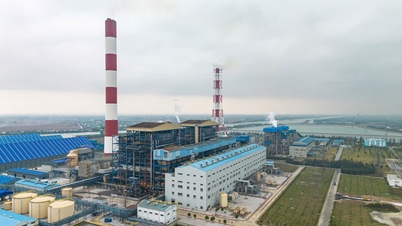
Building upon the foundation and experience accumulated over the past 20 years, the city is well-positioned to promote green transformation, aiming for emission reduction by 2030 and a sustainable development vision by 2050.
Addressing the challenges
In 1998, Da Nang city set the goal of becoming an environmentally friendly city. The requirements were quite simple: just prevent pollution from waste, wastewater, and industrial dust and fumes.
Twenty years later, Da Nang is facing pollution problems stemming from urbanization and must reconsider the concept of sustainable urban development, linking it to the responsibility of reducing emissions. As urban growth accelerates and the digital technology trend intensifies, the locality must become increasingly concerned about new risks.
The current urban area of Da Nang includes rural agricultural areas. Alongside the urbanization orientation are the requirements for "greening" the environment. The city must organize planning for new development orientations, with ecological zones located adjacent to urbanized areas; it must clearly state standards for synchronized infrastructure, pollution control, and harmonious, sustainable development between residential areas.
According to Vice Chairman of the Da Nang City People's Committee Tran Nam Hung, setting development planning goals until 2050, establishing criteria, developing eco-urban projects, smart cities, livable cities, and implementing the "building Da Nang - an environmentally friendly city" project for the 2026-2030 period... are only initial changes. Da Nang's planning must aim for a 100-year vision, with the goal of "green transformation" becoming paramount. Accordingly, the city needs to clearly define the planning steps for transportation, infrastructure, circular economy, and renewable energy; especially reducing urban emissions.
Mr. Tran Nam Hung emphasized the crucial role of construction enterprises in the field of green transformation and emission reduction. The city needs to clarify its responsibility to partner with businesses to achieve international standards in green transformation; to work with the community to ensure "net-zero" criteria; to guide the construction of "green" buildings and the transition to "green" energy in urban areas; to minimize emissions from residents' daily lives and specialized farming in agricultural areas; to treat polluting waste in the fields; and to invest in the in-depth processing of agricultural products to create new energy sources for consumption…




Shaping cities that reduce emissions
Mr. Tran Nam Hung observed that environmental conflicts in urban development are always a difficult problem in cities like Da Nang. Harmonizing the criteria of a "green" belt from the surrounding agricultural areas with increased efficiency in renewable energy use and reduced emissions from urban projects is the solution Da Nang must aim for.
Accordingly, agricultural and environmental consultants have proposed three key solutions for Da Nang to become a low-emission city.
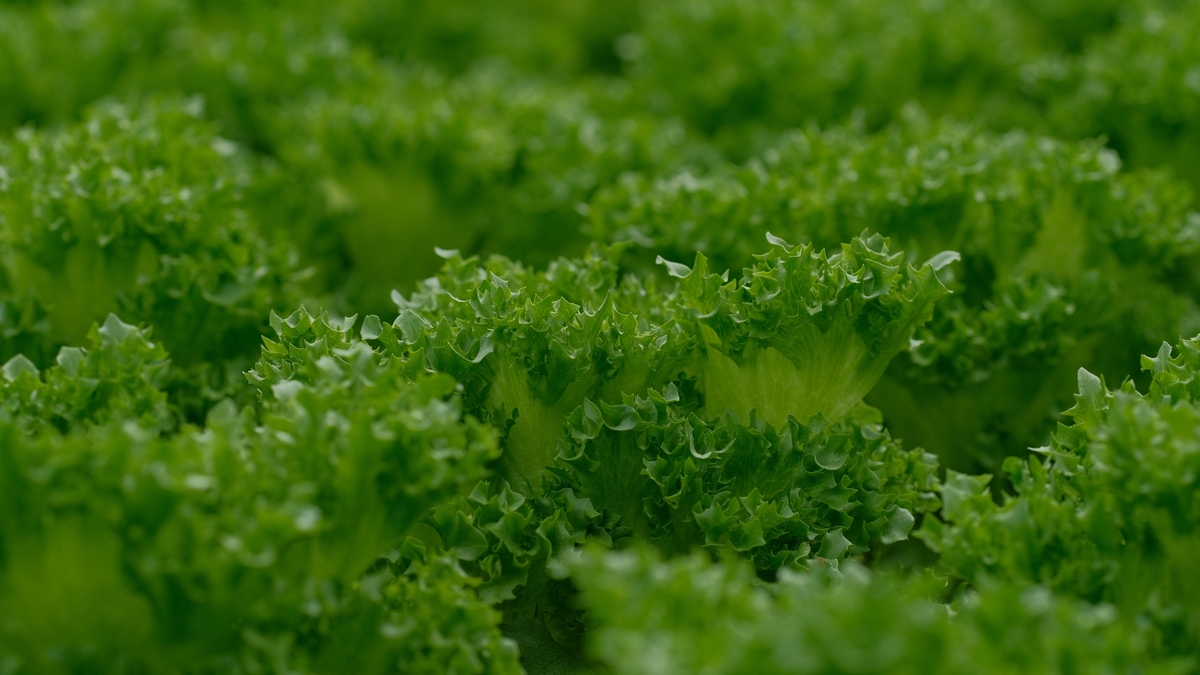
Firstly, the city must organize well-planned urban areas interspersed with sustainable agricultural investment zones. According to Ms. Le Thi Minh Tam, President of the Da Nang Farmers' Association, the plan to reduce greenhouse gas emissions in crop production by 15% by 2035 and strive for 100% of agricultural land to apply emission reduction processes by 2050 is a big goal, but achievable. Currently, the Farmers' Association is actively campaigning in rural areas of Da Nang to implement this direction.
Secondly, the development trend of new urban areas in Da Nang must prioritize the use of renewable energy and significantly reduce the greenhouse effect. According to Mr. Tran Nam Hung, concretizing the "green power station" model on the rooftops of households and businesses, and building legal frameworks to help inventory and mitigate greenhouse gas emissions in urbanized areas will change the awareness of the local people themselves.
Thirdly, localities need to clearly identify citizens and businesses as the central and key players in the entire green transformation process. They should proactively develop mechanisms and policies to support businesses in technological innovation and emission reduction; promote public awareness campaigns; and encourage sustainable consumption behaviors such as waste sorting at source, using environmentally friendly vehicles, and saving energy. These are concrete solutions to improve the quality of life for citizens, enhance the attractiveness of urban living environments, and create a foundation for long-term community development.




Another key aspect of Da Nang's emission reduction strategy is its participation in international and regional environmental protection communities. This has been a long-standing issue, but it has now become a truly international standard that Da Nang must steadfastly implement. Along with the rest of the country, Da Nang's presence in international forums and its sustainable investments in the environment will help reinforce the city's image as an environmentally friendly city, a vision the locality has clearly established from the outset.
To date, the practical requirement for the new city of Da Nang is to clearly define sustainable development spaces. In particular, the former urban area of Da Nang will continue to be developed in line with green and clean environmental criteria, improving the quality of life and meeting the recreational and residential needs of the people. Simultaneously, production and agricultural areas will be planned for sustainable development, harmonizing economic growth and environmental protection, contributing to building a balanced community that is adaptable to future challenges.
Source: https://baodanang.vn/ky-vong-tro-thanh-do-thi-phat-thai-thap-3341614.html
![[Image] Schools organize meetings and introduce teaching models to students admitted to grade 10.](https://vphoto.vietnam.vn/thumb/1200x675/vietnam/resource/IMAGE/2026/06/25/1782368077271_ndo_br_z7970052192242-1ec8daeb77a6eed1a4e9f58c564ddd3e-jpg.webp)
![[Photo] General Secretary and President To Lam receives Palestinian Ambassador Saadi Salama](https://vphoto.vietnam.vn/thumb/1200x675/vietnam/resource/IMAGE/2026/06/25/1782365384740_a1-bnd-9423-8322-jpg.webp)

![[Image] Ho Chi Minh City: Ma Lang area, Chicken-Rice Market about to change its appearance](https://vphoto.vietnam.vn/thumb/1200x675/vietnam/resource/IMAGE/2026/06/25/1782377698627_ndo_br_m1-jpg.webp)