

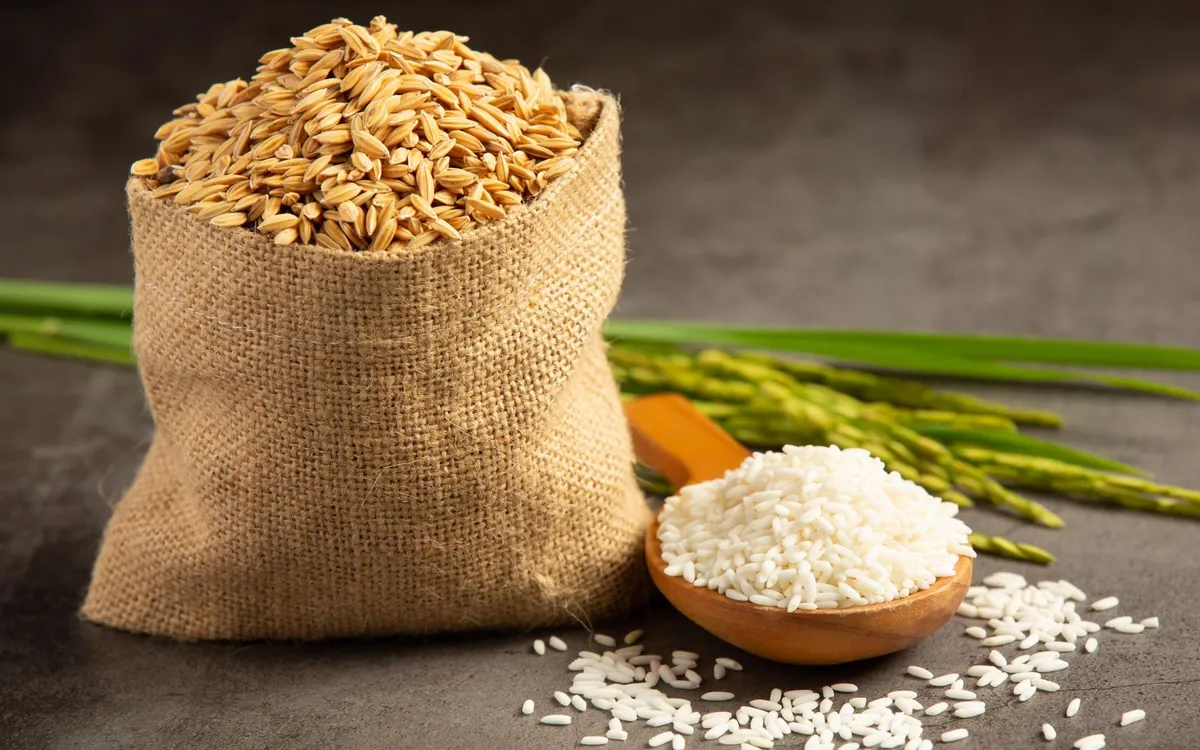
Food inflation is difficult to bring down due to conflict and weather.
The non-profit Energy and Climate Intelligence Unit (ECIU) has just stated that the prices of essential household goods will "rarely fall back" due to the combined impact of the potential US-Israel conflict with Iran, which is expected to erupt in February 2026, and warmer winds from the El Niño climate phenomenon.
In its latest report, the London-based organization stated that food prices surged after major shocks but only slowly and partially recovered afterward, leaving households with higher food bills. Based on 30 years of UK data, the report indicated that retail prices fell by only 1% of their initial increase after six months, 5% after one year, and 7% after two years. After adjusting for wages, only about one-third (approximately 33%) of the affordability shocks were resolved after two years.
The phenomenon of food prices "rising rapidly but falling slowly" also explains why food prices haven't returned to pre-COVID-19 levels, even after the shocks that caused the price increases have subsided. According to the report, once prices rise, they are virtually impossible to bring back down in nominal terms. In fact, each shock has resulted in a permanent increase in the cost of living for households. Although the report uses UK data, similar effects are likely to occur across Europe.
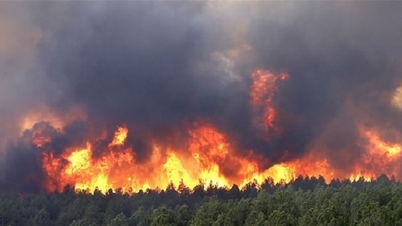
Food prices may face a new shock from El Niño, a phenomenon predicted to raise Pacific Ocean temperatures by up to 2°C this year. This will affect cocoa, cooking oil, rice, and sugar, as well as other products associated with tropical regions, such as bananas, tea, coffee, chocolate, and meat from soy-fed animals.

War and extreme weather are driving up commodity prices.
According to a report by JP Morgan, the impact of El Niño on agricultural prices will begin to appear in the summer, but will peak in the winter of the following year. This impact will also largely depend on farmers' ability to switch to growing drought-resistant crops.
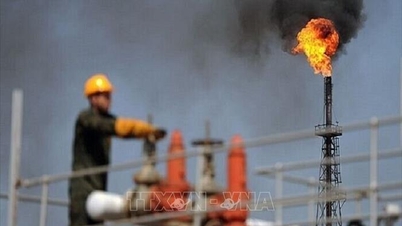
Before El Niño impacted food prices, the "double" blockade of the Strait of Hormuz had already significantly affected global energy and fertilizer supplies. More than 36% of global urea, a key ingredient in the production of nitrogen-rich fertilizers, comes from the Gulf region. Urea production has declined since the conflict in the Middle East erupted in late February of this year.
Farmers in Brazil and India will be most affected by the combined impacts of these two shocks, as demonstrated by the 2023-2024 El Niño phenomenon, which occurred after the conflict in Ukraine erupted in February 2022. Both countries are major importers of nitrogen from the Gulf region. Brazil produces 10% of the world's corn, while India produces 14% of the world 's wheat and nearly one-third (28%) of the world's rice.
Against this backdrop, ECIU food and agriculture analyst Chris Jaccarini calls for a refocus on net-zero emissions targets to protect households from the combined effects of war and extreme weather. Jaccarini argues that war and extreme weather are increasingly driving up commodity prices. The only way to prevent the growing risk of floods and droughts is to achieve net-zero emissions and bring the climate back into balance.
Henry Dimbleby, former head of the UK government 's National Food Strategy, stressed the need to address the root causes of food inflation. He argued that the global food system is inextricably linked to the costs of energy, fertilizers, and transportation. As climate change and energy uncertainty worsen, shocks are likely to occur more frequently and severely.
The United Nations Food and Agriculture Organization (FAO) recently warned that a blockade of the Strait of Hormuz could "trigger a serious global food price crisis" in the coming months.
In a statement, the FAO said the blockade of the Strait of Hormuz "is not a temporary disruption to shipping" but "the beginning of a systemic agricultural and food shock." A severe global food crisis could occur within 6-12 months. This shock is unfolding in stages, starting with reduced energy, fertilizer, and seed supplies, lower yields, rising commodity prices, and then food price inflation. The FAO said the global food price index has risen for three consecutive months since the conflict began.
Before the US and Israel launched military operations against Iran, the Strait of Hormuz was the transit point for 20% of the world's crude oil and one-third of its fertilizer supply. Officials warned farmers could face fertilizer shortages this summer due to the blockade of the strait.
The FAO recommends switching to alternative land and sea routes, including the route through the Arabian Peninsula to the Red Sea. The organization also urges countries to avoid imposing export restrictions on energy and fertilizers, and to exempt food aid from trade restrictions.
Source: https://vtv.vn/lam-phat-luong-thuc-kho-ha-nhiet-100260527170121145.htm
![[Photo] The courage of new recruits of Brigade 144 on the training ground.](https://vphoto.vietnam.vn/thumb/1200x675/vietnam/resource/IMAGE/2026/05/27/1779881651341_anh-man-hinh-2026-05-27-luc-18-32-52.png)
![[Photo] The heat at the fireworks display site on the opening night of the Da Nang International Fireworks Festival 2026](https://vphoto.vietnam.vn/thumb/1200x675/vietnam/resource/IMAGE/2026/05/27/1779889741485_ndo_br_z7872039145157-fecaba5112f39e8352544099d7ef4738-5140-jpg.webp)






























































![[Photo] The courage of new recruits of Brigade 144 on the training ground.](https://vphoto.vietnam.vn/thumb/402x226/vietnam/resource/IMAGE/2026/05/27/1779881651341_anh-man-hinh-2026-05-27-luc-18-32-52.png)




























Comment (0)