

Dr. Adhvaidha Kalidasan, lecturer at the Faculty of Communication and Design, RMIT University Vietnam, shared insights on the increasing influx of Indian tourists to Vietnam and how domestic businesses can capitalize on this trend and achieve sustainable growth.
This article analyzes the potential opportunities that Vietnam can capitalize on from the growth of these specific customer segments.
According to domestic media assessments, factors contributing to this trend include favorable visa policies, short travel times, reasonable service costs, direct flights, and an increasing number of Indian restaurants in Vietnam. Domestic airlines such as VietJet, Vietnam Airlines , and IndiGo (India) have begun operating regular routes connecting many cities between the two countries. Previously, only seasonal flights with limited frequency were available.
Improved accessibility is opening up many opportunities for innovative marketing strategies. In early 2025, VietJet announced a program offering free hot air balloon flights to customers who booked tickets directly or with connecting flights through the airline, as part of India's largest hot air balloon festival held in the southern state of Tamil Nadu. Similarly, Vietravel Group and Innovations India signed a memorandum of understanding to produce the film "Love in Vietnam," aiming to strengthen cultural and economic ties between the two countries.
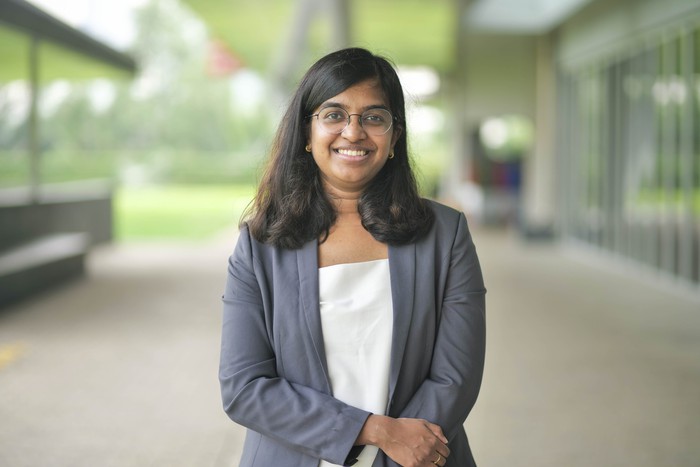
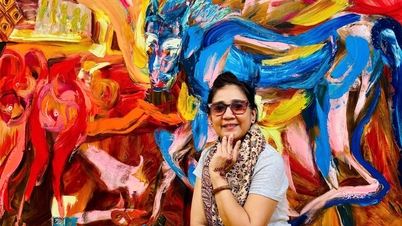
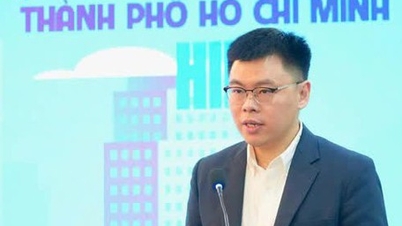
Dr. Adhvaidha Kalidasan, Lecturer in the Department of Communication and Design, RMIT University Vietnam - author of the article.
As efforts to attract Indian tourists continue to intensify, it is crucial to understand their travel behavior. Purposeful travel is emerging as one of the notable new trends among Indian travelers, as highlighted in a recent Times of India article. Experiencing purposeful travel can open up numerous opportunities for young Vietnamese people in various fields.
According to a 2023 McKinsey report, business travel is considered one of the most strategic approaches to attracting Indian tourists. Meanwhile, Vietnam's Tourism Marketing Strategy to 2030 aims to prepare for a diverse range of tourism types, including MICE (meetings, incentives, conferences, exhibitions), educational tourism, beauty tourism, industrial tourism, and sports tourism.
Vietnamese entrepreneurs can develop unique marketing strategies to meet the needs of business-minded tourists. International tourists can become potential partners and sources of knowledge for meaningful exchanges. With their tireless work ethic, Indians often take advantage of travel to expand their networks.
Vietnamese entrepreneurs can open their doors to visitors for tours and informal discussions instead of focusing solely on sales. This openness can help increase the visibility of services or businesses. If thoughtfully designed, these experiences can boost word-of-mouth marketing and social media appeal. Google for Startups is an example of such an initiative. The tech giant has expanded its centers to various cities to create networking opportunities for tech startups.
Vietnamese businesses can tap into the potential of female tourists.
According to Fortune India (2023), women now account for nearly 30% of all international tourists. Indian female tourists are financially and socially independent and seek rich, diverse experiences at destinations.
According to a UK-based travel and hospitality magazine, Vietnam ranks 6th on the list of the world's safest destinations for female solo travelers. The domestic tourism industry is adapting to meet the diverse needs of tourists.
Some women-owned businesses, such as Xo Tours, offer personalized services specifically for female travelers. Their Instagram page shares a lot of content about Vietnam, rather than simply focusing on brand promotion. This approach has great potential to attract Indian tourists, especially women.
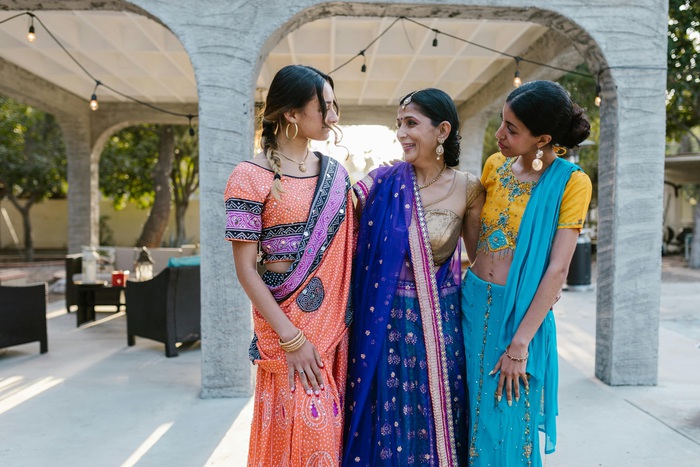
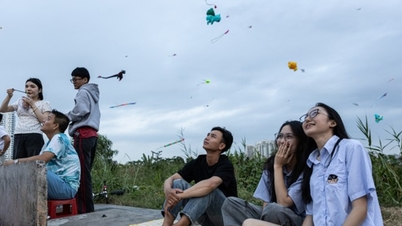
Illustration photo: Pexels
Meeting the needs of niche customer segments can give Vietnamese businesses a competitive advantage. Business solutions for these groups can come from sectors outside of tourism and entertainment. However, language barriers can be a significant challenge. Encouraging young people fluent in English to enter the tourism industry could create more career opportunities for young people in the country.
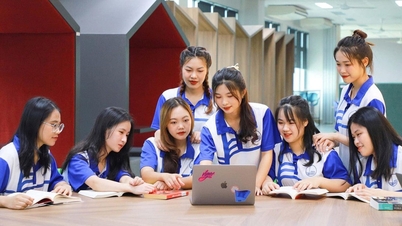
Business owners can partner with universities to recruit English-speaking students as part-time employees or interns. Positioning a young, English-speaking workforce as the face of the business can help create a fresh and more approachable image.
English-language promotional materials and social media campaigns can also help expand reach, not only to Indian tourists but also to visitors from other countries. By leveraging these trends and addressing language barriers, Vietnamese businesses can attract Indian tourists while fostering the development of a young workforce and promoting long-term growth for the tourism industry.

![[Photo] Prime Minister Pham Minh Chinh presides over a meeting on private sector economic development.](/_next/image?url=https%3A%2F%2Fvphoto.vietnam.vn%2Fthumb%2F1200x675%2Fvietnam%2Fresource%2FIMAGE%2F2025%2F12%2F20%2F1766237501876_thiet-ke-chua-co-ten-40-png.webp&w=3840&q=75)

![[Photo] Prime Minister Pham Minh Chinh presides over the conference announcing the establishment of the International Finance Centre in Vietnam.](/_next/image?url=https%3A%2F%2Fvphoto.vietnam.vn%2Fthumb%2F1200x675%2Fvietnam%2Fresource%2FIMAGE%2F2025%2F12%2F21%2F1766309817714_ndo_br_dsc-3400-jpg.webp&w=3840&q=75)





















































Comment (0)