


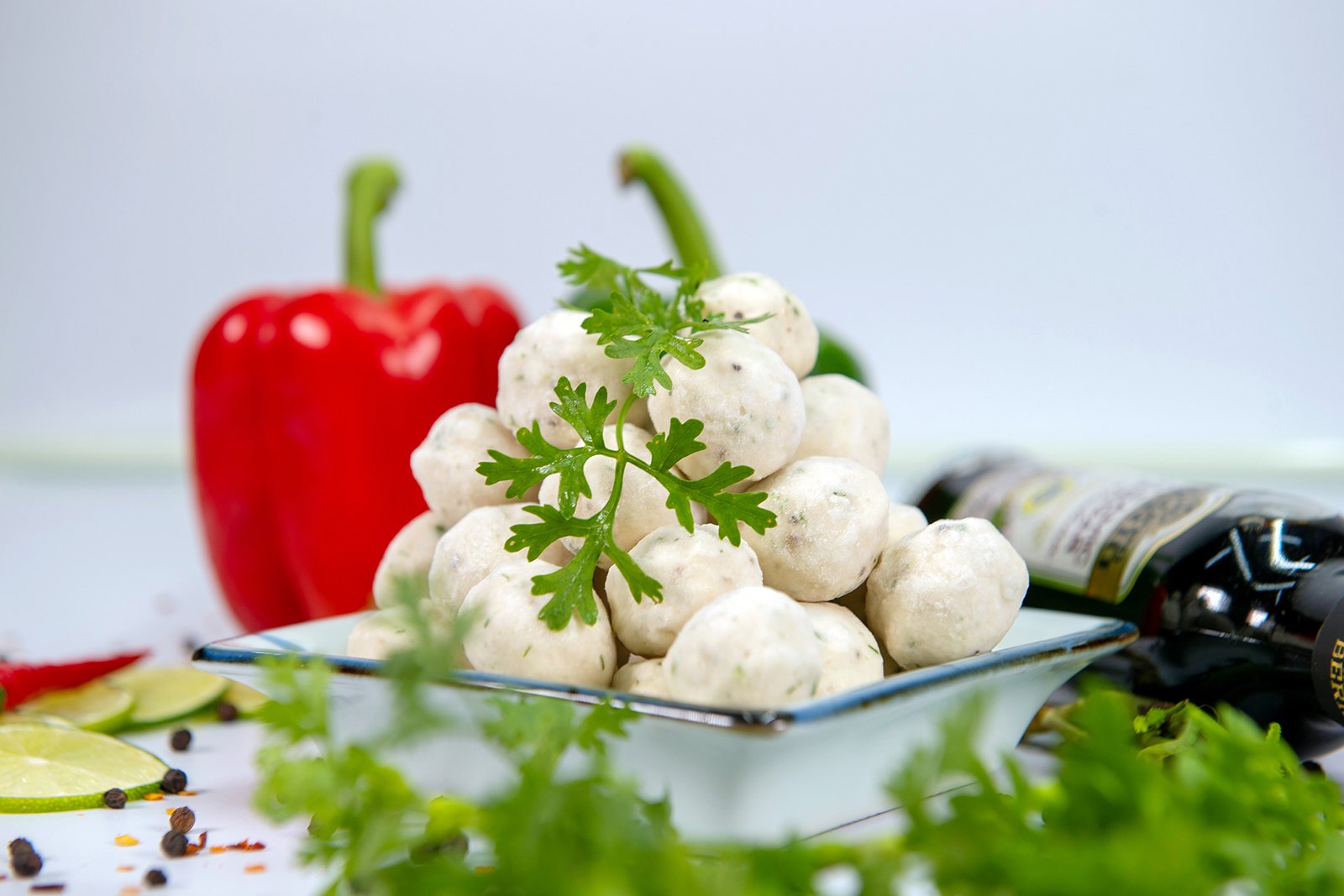
Pangasius fish balls. Photo: MINH HIEN
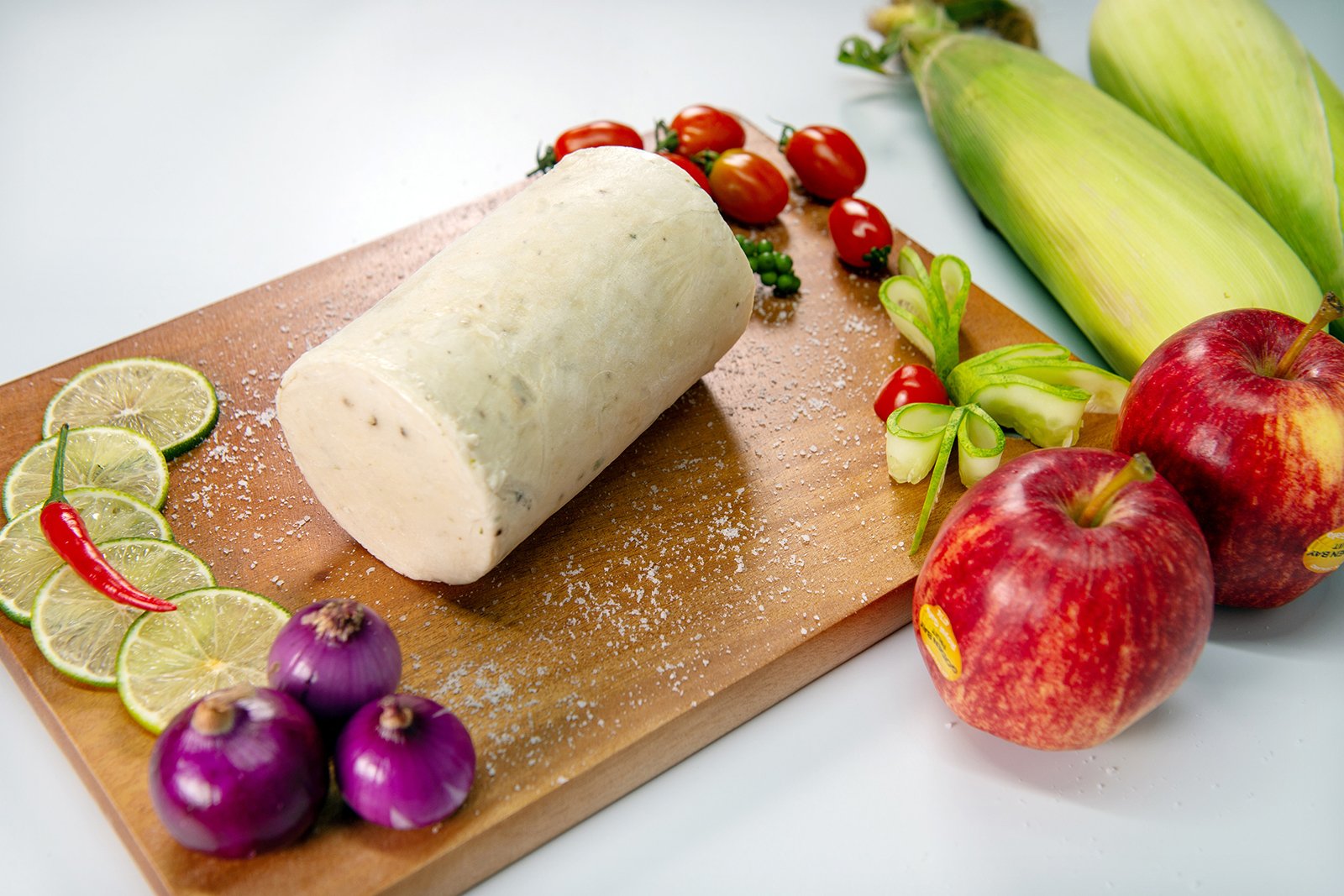
Pangasius fish patties. Photo: MINH HIEN
Lessons from rapid growth
Thanks to its natural advantages in water resources, long-standing farming experience, and strong participation from businesses, An Giang province in particular and the entire Mekong Delta region in general have become the "pangasius capital" of the country. In the first seven months of 2025, pangasius export turnover reached over 1.2 billion USD, an increase of 11% compared to the same period in 2024. China and Hong Kong continued to be the largest consuming markets with turnover reaching 302 million USD, accounting for nearly a quarter of the total export value. Other major markets include the US, the EU, and many Asian countries.
Mr. Doan Toi, General Director of Nam Viet Joint Stock Company, commented: “Major markets such as the US, China, and the EU have remained stable for more than 10 years, showing that there is still huge room for development. However, the industry needs to reorganize production and processing more rationally, avoiding a repeat of the ‘overheated growth’ situation.”
In reality, whenever fish prices rise, people rush to expand their farming area, leading to an oversupply in a short period of time. In 2018, the price of pangasius reached 33,000 VND/kg, causing the farming area in the region to skyrocket to 6,250 hectares in 2019, with production exceeding 1.6 million tons, creating a surplus crisis that caused prices to plummet.
Mr. Le Trung Dung, Vice Chairman of the An Giang Aquaculture and Seafood Processing Association, warned: "If the entire region maintains a stable area of 4,500 - 5,000 hectares and a production of about 1.2 - 1.4 million tons per year, it will be suitable for the consumption capacity of the world market. Conversely, consumption will face many difficulties."
The consequences of rapid growth extend beyond the drastic drop in fish prices, leading to losses and even bankruptcy for farmers; it also impacts product quality. Mass production has led many small-scale farmers to overuse antibiotics and chemicals to increase productivity, affecting export potential and the reputation of Vietnamese pangasius in the international market. Mr. Tran Van Dung, a resident of Hoa Lac commune, shared: “We have learned many lessons. First and foremost, we must adhere to farming area planning and control production to avoid oversupply. At the same time, the industry needs to encourage farmers to adopt international standards such as GlobalGAP and ASC to ensure quality and food safety.”
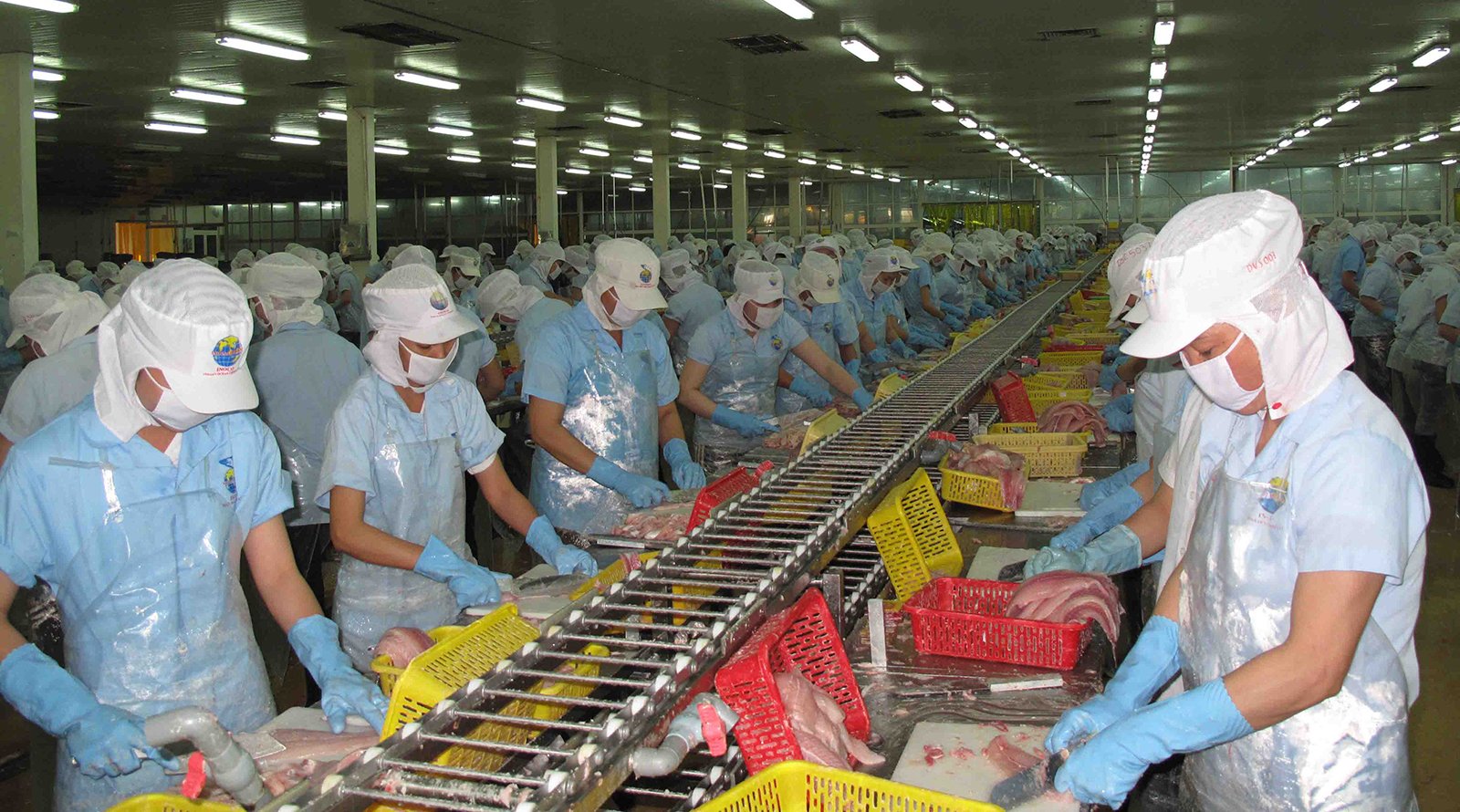
Processing pangasius for export. Photo: MINH HIEN
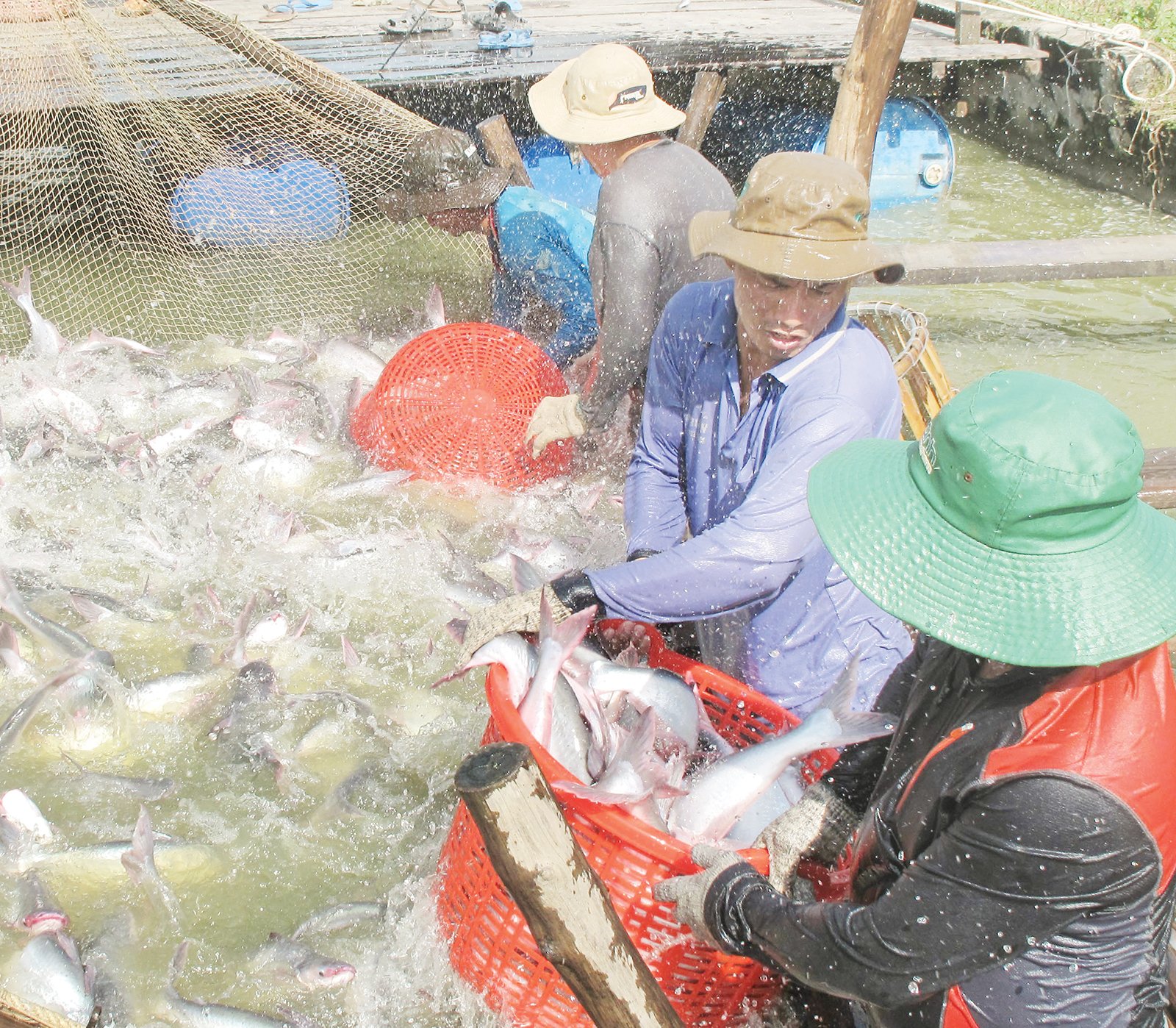
Harvesting catfish. Photo: MINH HIEN
Restructuring towards sustainability
For stable development, the pangasius industry needs to shift from spontaneous production to planned management. Local authorities, businesses, and fish farmers need to cooperate to maintain appropriate farming areas and production levels, avoiding oversupply. Businesses need to restructure their products according to market demand, meaning selling what the market needs, not just what they produce. In addition, investment in advanced processing technology is needed to increase added value instead of just exporting frozen fish fillets, thereby improving profitability and competitiveness.
From the farmers' perspective, it is necessary to adhere to international standards such as GlobalGAP and ASC. This not only helps ensure product quality but also meets the increasingly stringent requirements of importing markets. In addition, it is crucial to focus on cost control, applying water-saving techniques, and reducing emissions – important factors for improving economic and environmental efficiency.
The "five-party" linkage model, comprising farmers, businesses, banks, scientists, and the State, is considered key to comprehensively restructuring the pangasius industry. Mr. Le Trung Dung emphasized: "The role of the State is crucial; it needs to act as the 'conductor' in guiding planning, regulating the market, and promoting green, low-emission farming and processing models." The remaining "parties" need to coordinate synchronously: businesses proactively sign off-take contracts, banks provide preferential loans, scientists transfer technology, and farmers adhere to sustainable production processes.
Mr. Tran Van Tuan, a farmer from Vinh Xuong commune, said: "For sustainable development, right from the beginning of the season, farmers and businesses must have a clear cooperation plan, specifying who they will sell the fish to and how to trace its origin..."
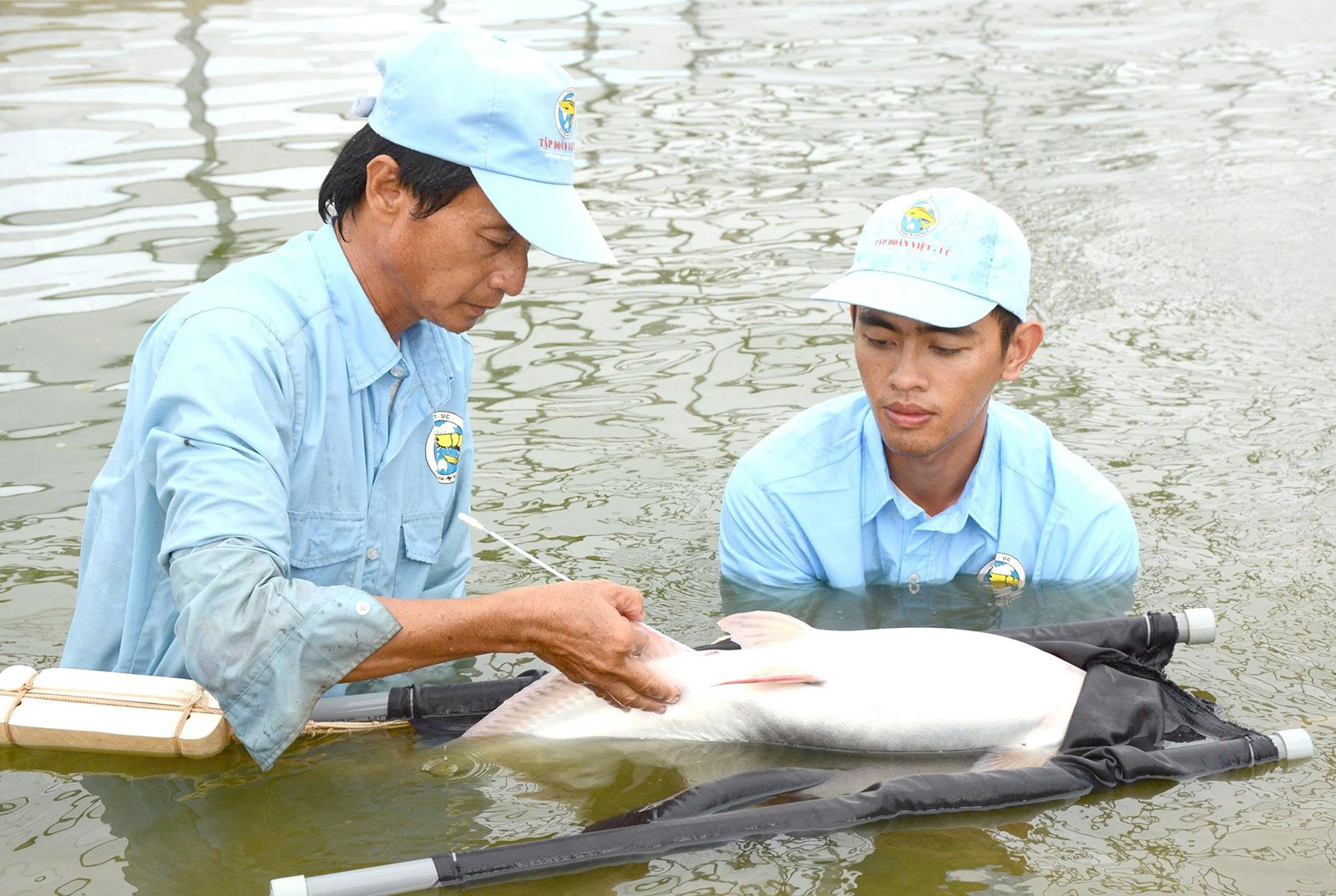
Technicians from Viet Uc Group (An Giang) extract semen from male catfish for artificial breeding. Photo: MINH HIEN
Participation in cooperatives or associations not only helps control quality but also enhances negotiation skills, avoiding the "supply over demand" situation that has occurred in the past. In reality, the association model has proven to be highly effective. In Dong Thap, over 83% of pangasius farmers have signed association agreements with businesses. In An Giang, this rate reaches 87.6%.
In the context of a volatile and unpredictable global market, lessons from the past and practical demands necessitate a change in traditional practices. Only when farmers, businesses, scientists, banks, and the government work together and share a common vision can the pangasius industry achieve sustainable development and elevate the Vietnamese brand in the international market. Strengthening linkages, controlling quality, applying technology, and expanding markets are key to ensuring that Vietnamese pangasius not only maintains its current position but also reaches greater heights in the future.
Source: https://baoangiang.com.vn/lien-ket-5-nha-dua-ca-tra-vuon-xa-a427489.html
































































Comment (0)