

According to Android Authority , the published content on how to exploit this vulnerability reveals a relatively simple method for aggressively attacking Bluetooth encryption keys between two devices. If successful, an attacker could impersonate the device and access sensitive data.
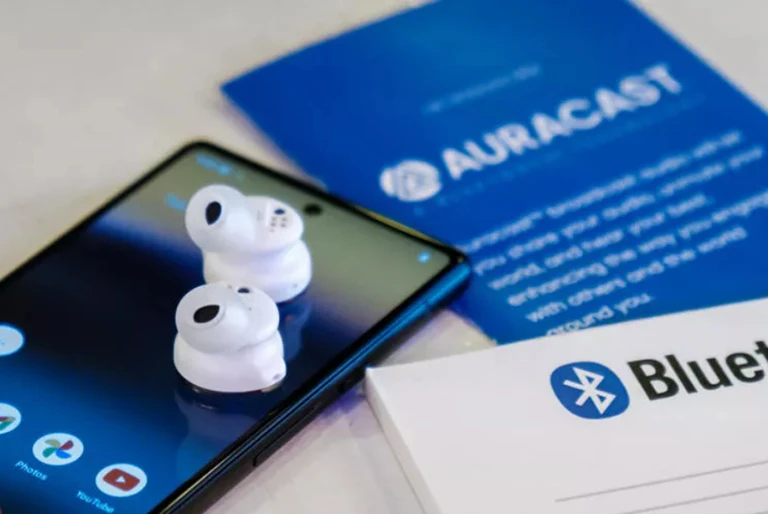
Billions of devices are using the Bluetooth 4.2 protocol.
This exploit appears to work, at least partially, on any device using Bluetooth 4.2 or later. Given that Bluetooth 4.2 support was implemented in late 2014, this means the attack could theoretically work on most modern Bluetooth devices.
EURECOM categorized the attacks into six different styles, using the acronym BLUFFS to represent them all. As part of the report, EURECOM presented a table of the devices they could spoof using these attacks and the success rate of each of the six types.
The Bluetooth Special Interest Group (SIG) – a non-profit organization that oversees the development of standards – has acknowledged EURECOM's findings. In a security bulletin, the organization recommended that manufacturers implementing Bluetooth technology in their products adhere to strict security protocols to prevent this attack from working. However, they did not mention whether upcoming versions of the connectivity standard will patch the vulnerability discovered by EURECOM. The most recent Bluetooth standard is v5.4, released in February 2023.
Source link


![[Photo] Prime Minister Pham Minh Chinh presides over a meeting on private sector economic development.](/_next/image?url=https%3A%2F%2Fvphoto.vietnam.vn%2Fthumb%2F1200x675%2Fvietnam%2Fresource%2FIMAGE%2F2025%2F12%2F20%2F1766237501876_thiet-ke-chua-co-ten-40-png.webp&w=3840&q=75)































































































Comment (0)