

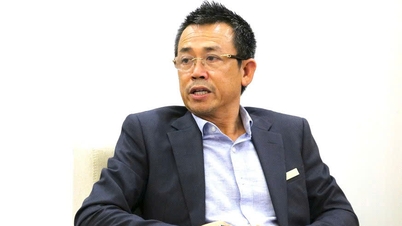
According to Professor Vo Van Toi, a biomedical engineering expert with 40 years of research experience in the US, a monthly salary of 120 million VND is quite attractive to researchers in Vietnam.
Professor Vo Van Toi expressed his support for the policy to attract scientific talent approved by the Ho Chi Minh City People's Council on November 11th. This policy is considered to create motivation for talented individuals to work with peace of mind.
According to this policy, leadership positions in public science and technology organizations will receive preferential income, with the highest salary reaching 120 million VND per month. Specifically, there are four salary levels for heads and deputy heads: level 1 (120 million VND for the head and 100 million VND for the deputy), level 2 (100 and 85 million VND), level 3 (80 and 65 million VND), and level 4 (60 and 50 million VND). Each level has its own requirements regarding years of experience, number of research projects, and qualifications.
Professor Tới considers this income level "not too high compared to foreign countries, but quite attractive for researchers in Vietnam."
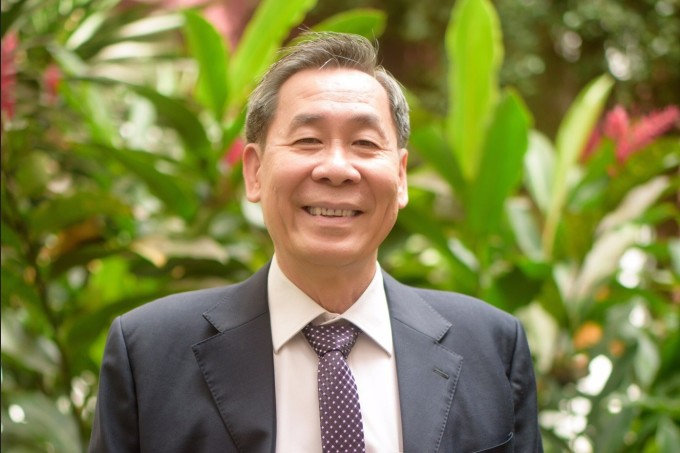
Professor Vo Van Toi, a biomedical engineering expert. Photo: HCMIU
Dr. Trinh Xuan Thang, Deputy Director of the Research and Development Center, Ho Chi Minh City High-Tech Park, assessed that the maximum monthly salary of 120 million VND is quite high compared to the general level in the city and the country.
Compared to the salaries of top research and development (R&D) professionals in large corporations in the same positions, the current salaries are lower. The recruitment criteria of these companies are also lower than those in the city. However, "for scientists working in the public sector, this salary is high and attractive enough to attract them," he said. In the future, Ho Chi Minh City needs to have income policies not only for scientists but also for other fields that contribute to the city's development.
However, there are still some concerns regarding the evaluation of effectiveness. Dr. Thang pointed out that the current mechanism for evaluating scientific and technological tasks is usually based on the registered results, i.e., the characteristics and performance of the product. But when researching new technologies, the product of the project may differ from the initial registration. Therefore, the effectiveness of the project should be evaluated based on the quantity and quality of work.
In the long term, Dr. Thang suggested that the city could consider evaluating the effectiveness of the work annually. If a scientist fails to meet their targets, their incentives should be reduced; if they meet or exceed targets, they could receive additional bonuses. He proposed that research centers and units could allocate a portion of their profits from the commercialization of scientific and technological products to reward experts and scientists.
Professor Vo Van Toi observed that the city had previously implemented policies to attract talented individuals with high salaries, but these were unsuccessful. He attributed this to the fact that the implementation was limited to a few public sector research units. More importantly, the city lacked a mechanism to retain scientists. "To retain talented individuals, it's not just about salary; recruiters need to set clear visions and targets to work with the scientists to achieve those goals," he said.
Scientific research often involves risks. To avoid wasting resources, he suggested that Ho Chi Minh City should establish a testing mechanism (sandbox) to allow scientists to work freely, potentially bypassing current regulations. A successful small-scale experiment would provide a basis for larger-scale trials. With a testing mechanism that combines the selection of the right talented individuals to achieve the right goals, he believes that risks will be significantly reduced.
To retain scientists, when they perform well, they should receive salary increases and better working conditions. Conversely, if they fail to meet targets, they can be dismissed, according to market principles. This expert believes that a clear and transparent mechanism will help Ho Chi Minh City attract and retain talent.
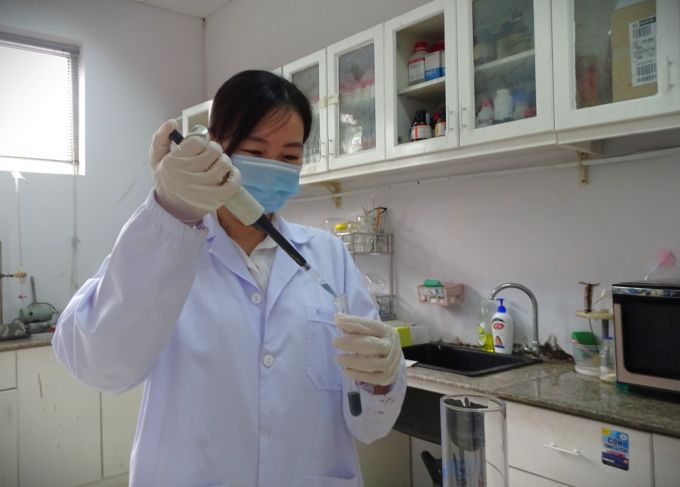
Scientists conduct nanotechnology experiments in the lab at the Research and Development Center, Ho Chi Minh City High-Tech Park. Photo: Ha An.
Responding to VnExpress , the Director of the Ho Chi Minh City Department of Science and Technology, Nguyen Viet Dung, said that based on the preferential salary policy for scientists recently approved by the City People's Council, the Department is submitting a proposal to the City People's Committee to support the formation of excellent research centers that meet international standards. In the near future, strong research units aiming to become excellent centers will be guided through the implementation process. "The Department encourages units to proactively prepare research programs and specific plans for building excellent research centers. When we announce the selection process, units should proactively submit their proposals," Mr. Dung said.
Ha An
Source link

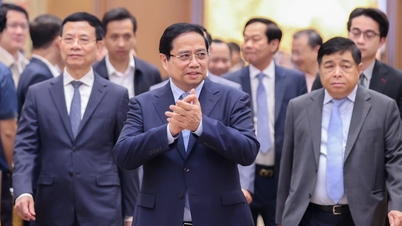
![[Photo] Prime Minister Pham Minh Chinh presides over a meeting on private sector economic development.](/_next/image?url=https%3A%2F%2Fvphoto.vietnam.vn%2Fthumb%2F1200x675%2Fvietnam%2Fresource%2FIMAGE%2F2025%2F12%2F20%2F1766237501876_thiet-ke-chua-co-ten-40-png.webp&w=3840&q=75)



















































































Comment (0)