

The big challenge for farmers
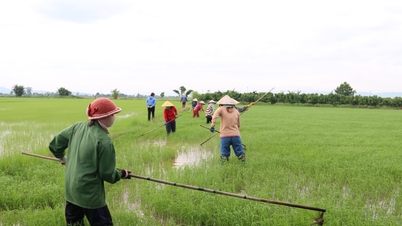
Dak Nong is actively restructuring its agricultural sector towards large-scale commercial production. While the entire sector is striving to achieve common goals, farmers are constantly facing concerns about the availability of substandard and counterfeit fertilizers.
The family of Ms. Nguyen Thi Binh, residing in Hamlet 11, Nhan Co Commune, Dak R'lap District, owns over 1 hectare of coffee plantation. Annually, the family spends approximately 50 million VND on 3-5 rounds of fertilization, not including the manure they produce from their livestock farming.
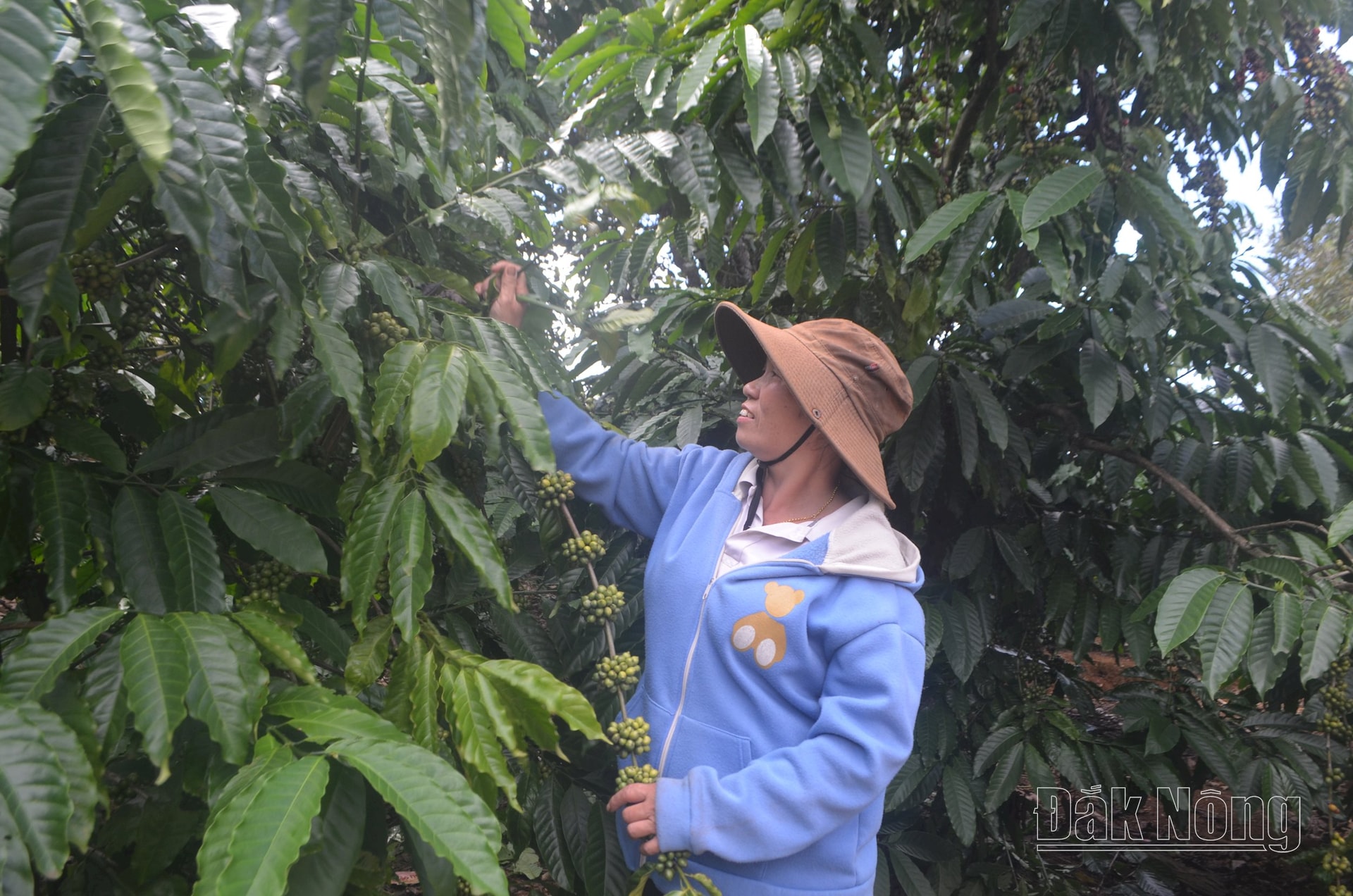
Ms. Binh believes that applying high-quality fertilizer is extremely important for plant growth. Since coffee is a perennial plant, the higher the yield, the more nutrients it needs through fertilizer.
Therefore, she always pays close attention to the quality of fertilizers. However, she frequently faces the worry of potentially using low-quality or counterfeit fertilizers.
Her fertilizer purchases were largely based on trust in the supplier, and she didn't know how to distinguish or check the quality of the fertilizer.
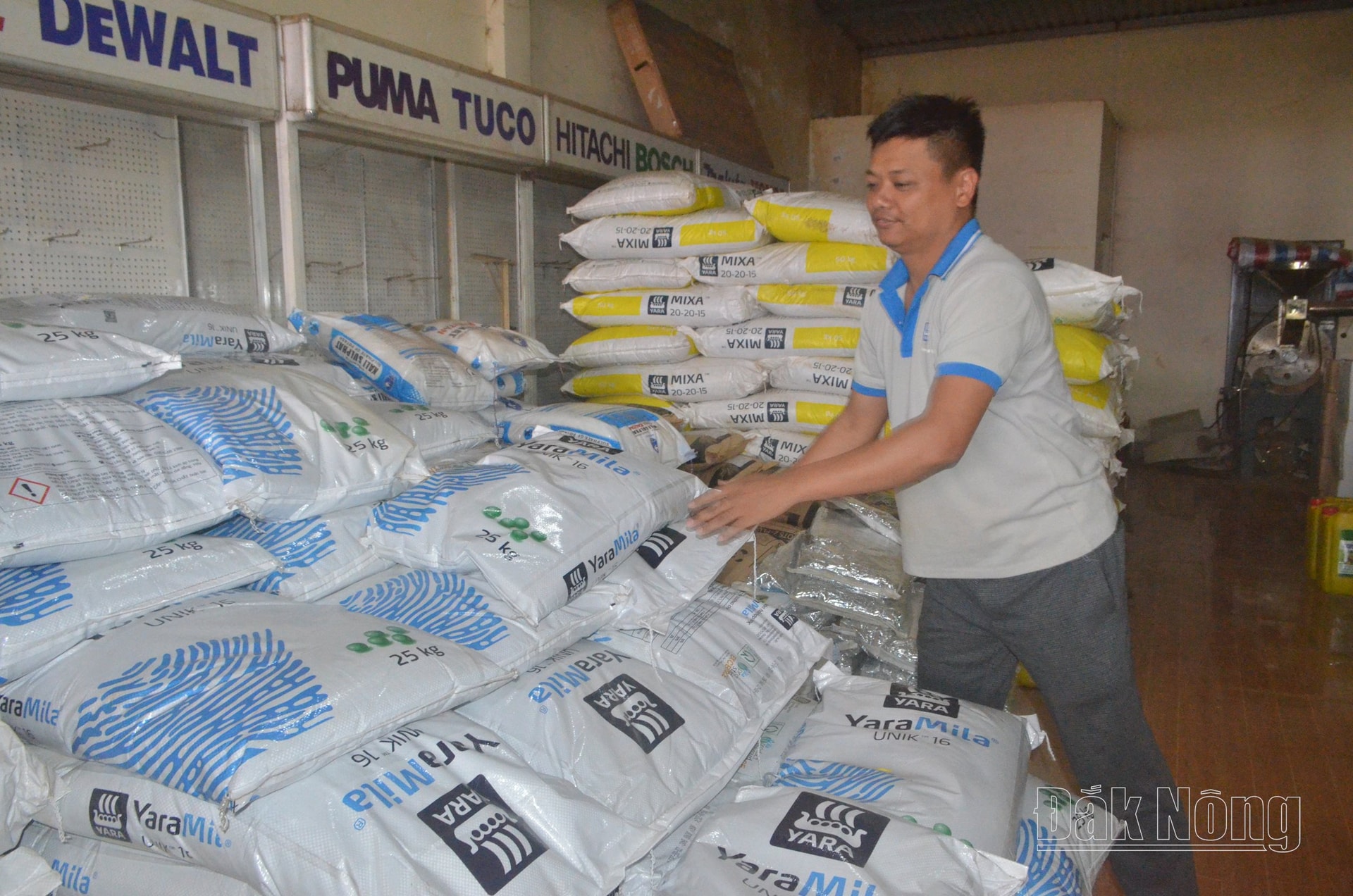
Not to mention, the market is flooded with countless brands and types of fertilizers from numerous domestic and foreign manufacturers, making it difficult for farmers like her to identify them all.
Ms. Binh affirmed: "In reality, I am very worried about counterfeit and low-quality fertilizers. There have already been several cases in the area where crops have suffered heavy damage due to poor-quality fertilizers."
Ms. Binh's concerns are well-founded. The People's Committee of Nhan Co commune stated that there are 21 points and dealerships selling fertilizers in the area, with approximately thousands of tons of various types of fertilizers sold annually.
Regarding this issue, Ms. Nguyen Thi Minh Nguyet, Chairwoman of the Farmers' Association of Nhan Co commune, said that after gathering feedback from members, many expressed concerns about the quality of fertilizers, with many farmers suspecting substandard products.
According to Ms. Nguyen Thi Luong, Deputy Head of the Agriculture and Rural Development Department of Dak R'lap district, the quantity of agricultural supplies and fertilizers on the list of permitted products for production and business is very large.
This presents a major management challenge. It is even more difficult at the district level due to limited human resources and insufficient professional and technical expertise in fertilizer management.
After touring various agricultural supply stores and dealerships, our team of reporters was overwhelmed by the sheer variety and range of fertilizer types and brands.
From organic and inorganic fertilizers to foliar and root fertilizers, dry powder fertilizers, and liquid fertilizers, everything is readily available. This reality poses a significant challenge for farmers in choosing the right fertilizer.
According to a report by the Dak Nong Department of Agriculture and Rural Development, the province's fertilizer market is very diverse, with thousands of brands and types. There are 20 fertilizer distributors and 449 fertilizer businesses operating in the province.
There are three main types of fertilizers: root fertilizers, with about 30 varieties; organic fertilizers, with about 20 types; and foliar fertilizers providing micronutrients, with about 15 types.
Vietnam currently has over 5,000 types of fertilizers permitted for sale on the market. This number partly reflects the difficulty and complexity of managing fertilizer quality. This also poses a major challenge for farmers.
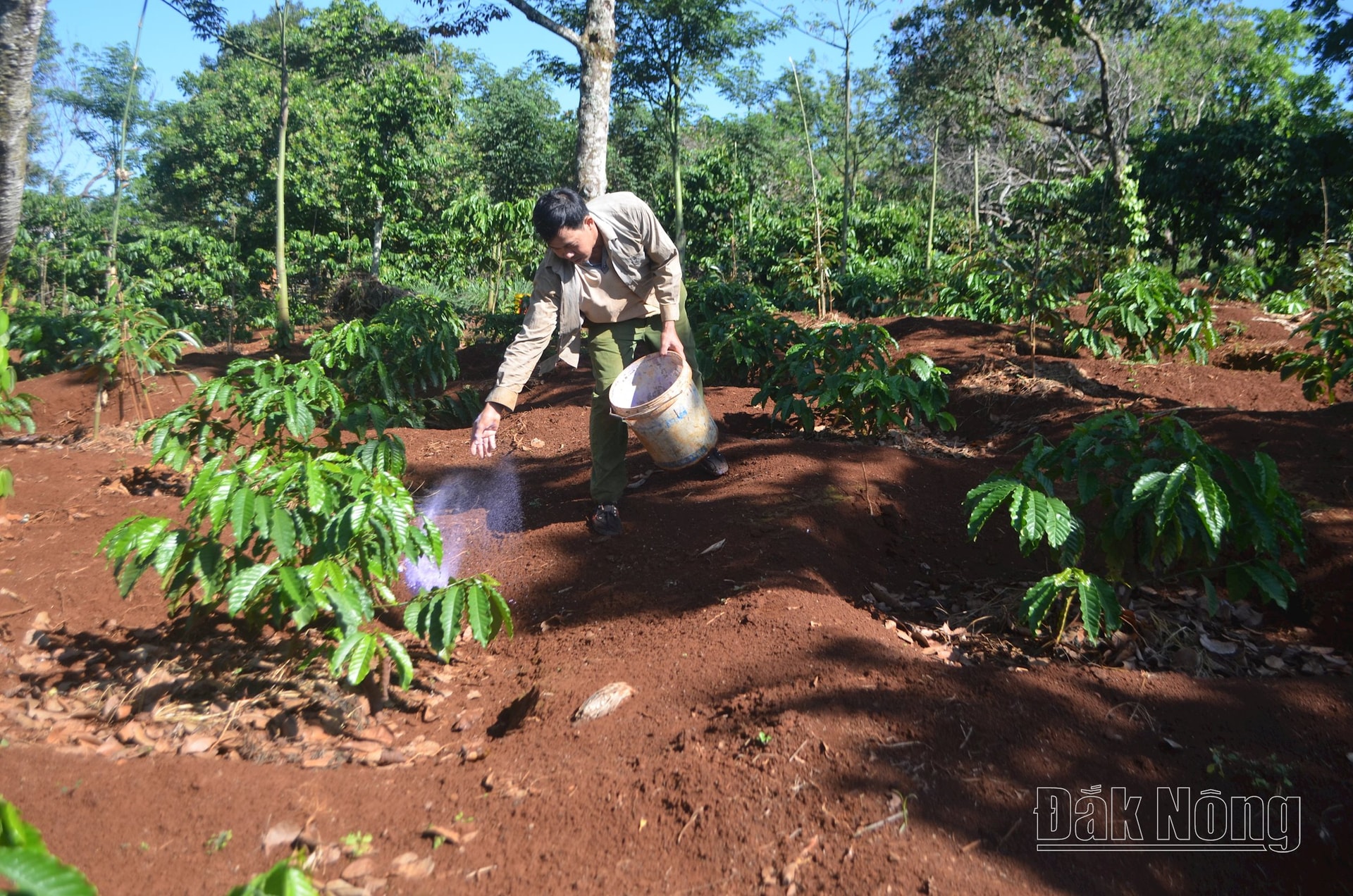
Over the years, fertilizer quality management in Dak Nong has achieved many positive results. The Provincial People's Committee has implemented directives from the central government and issued documents and directives on ensuring fertilizer quality.
Public awareness campaigns have been intensified, helping farmers understand the technical standards and specifications of fertilizers. Simultaneously, inter-agency forces such as agricultural inspectors, police, and market management authorities have proactively coordinated inspections to prevent and strictly penalize establishments producing and trading substandard fertilizers.
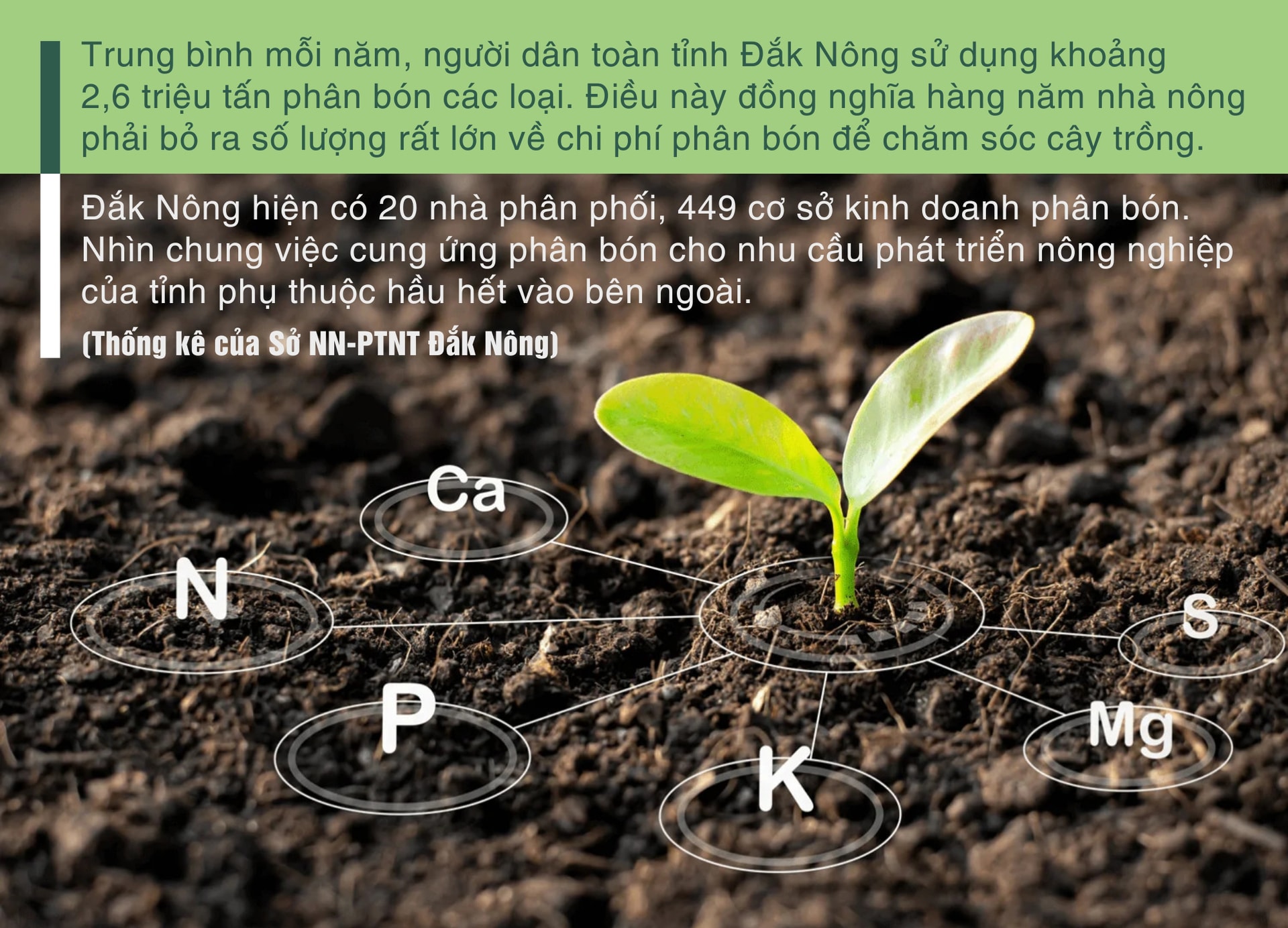
However, in reality, farmers still face many difficulties in choosing fertilizers. Most farmers in Dak Nong still lack the ability to identify and select the right type of fertilizer that ensures quality.
Many difficulties in management.
In 2023, inspectors from the Department of Agriculture and Rural Development conducted inspections at 42 establishments and collected 20 fertilizer samples for quality testing. The results showed that 14 out of 20 samples (70%) met quality standards, while 6 samples (30%) did not. Specifically, one NPK fertilizer sample and one foliar fertilizer sample were found to be substandard; two foliar fertilizer samples and two micronutrient fertilizer samples were found to be counterfeit.
The Dak Nong Department of Agriculture believes that the continued existence of counterfeit and substandard fertilizer production and trading is partly due to the lack of a unified and synchronized management system, legal regulations, and legal framework.
Technical standards and regulations for managing agricultural supplies in general, and fertilizers in particular, are not timely, specific, or highly feasible.
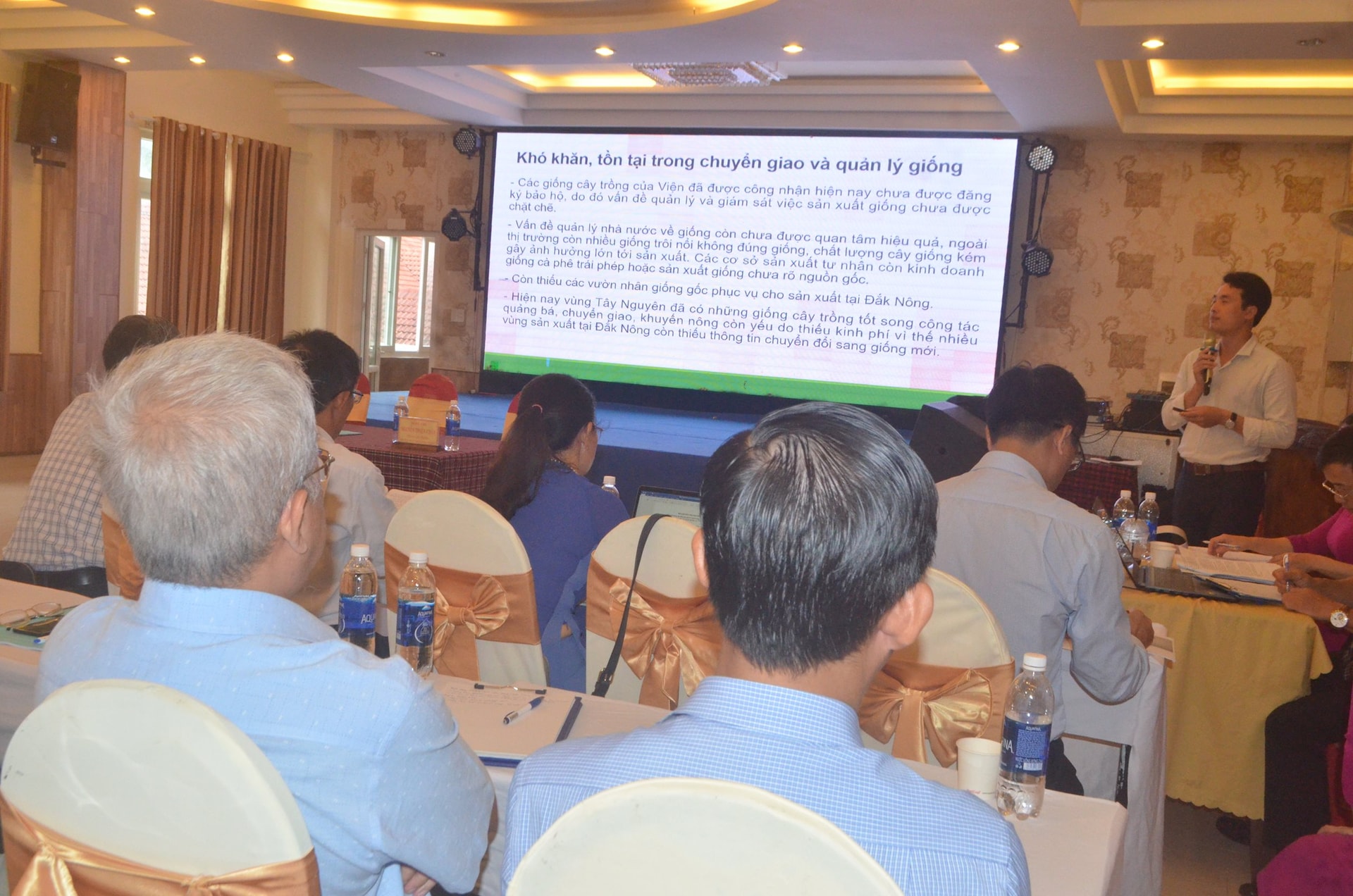
According to Mr. Pham Tuan Anh, Director of the Department of Agriculture and Rural Development, inspection, supervision, crime prevention, and coordination among departments, sectors, and localities are still lacking in decisiveness, and sometimes management is lax, especially at the district level.
The large number of agricultural supply businesses, and fertilizer businesses in particular, spread throughout the province makes it difficult for authorities to inspect and control quality.
"This is partly due to limited human resources, facilities, and equipment, while the penalties are not strong enough to deter violations in the production and sale of substandard fertilizers," Mr. Anh added.
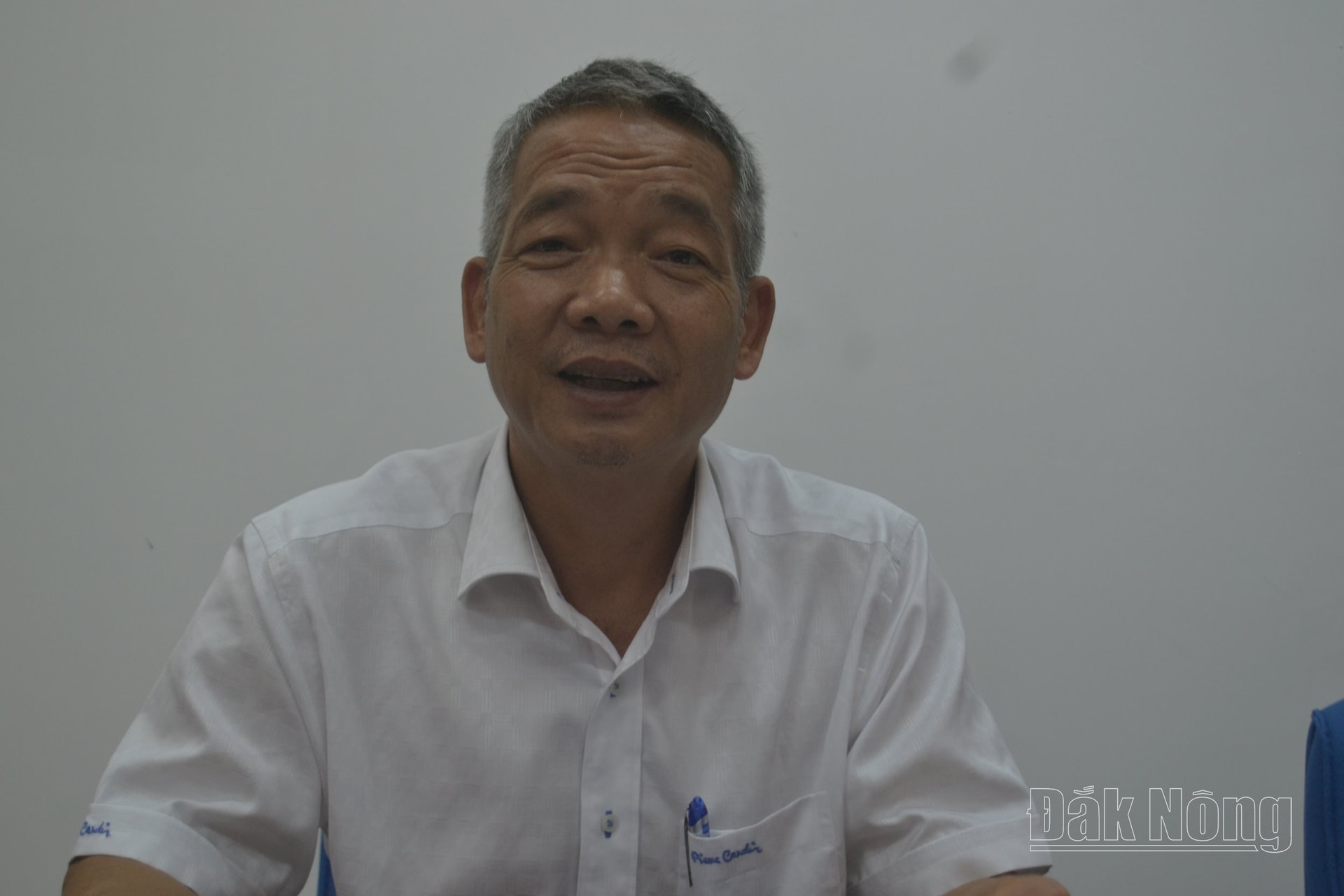
Furthermore, the current propaganda efforts focus on highlighting violations and do not adequately commend or encourage organizations, individuals, and businesses that comply well and ensure quality.
The province has yet to fully utilize the supervisory, detection, and reporting roles of organizations, communities, and individuals regarding the production and sale of counterfeit and substandard fertilizers.
The agricultural sector assesses that the prevalence of counterfeit and substandard fertilizers not only affects crop yields but also erodes farmers' trust in the fertilizer market.
Many farmers have faced difficulties due to the risk of crop failure caused by the use of substandard fertilizers.
Substandard fertilizers are those whose quality indicators or limiting factors do not conform to the decision approving the fertilizer for circulation in Vietnam or national technical standards. Counterfeit fertilizers are those where one or more key quality indicators meet or exceed 70% of the registered level in the decision approving the fertilizer for circulation in Vietnam (excluding the key quality indicator of microorganisms).
Source: https://baodaknong.vn/ma-tran-phan-bon-thach-thuc-nong-dan-dak-nong-233741.html
![[Photo] Prime Minister Pham Minh Chinh presides over a meeting on private sector economic development.](/_next/image?url=https%3A%2F%2Fvphoto.vietnam.vn%2Fthumb%2F1200x675%2Fvietnam%2Fresource%2FIMAGE%2F2025%2F12%2F20%2F1766237501876_thiet-ke-chua-co-ten-40-png.webp&w=3840&q=75)

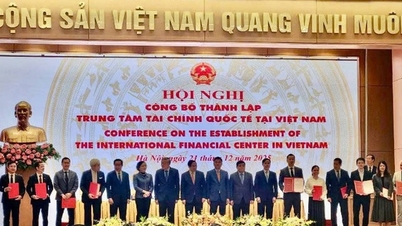
![[Photo] Prime Minister Pham Minh Chinh presides over the conference announcing the establishment of the International Finance Centre in Vietnam.](/_next/image?url=https%3A%2F%2Fvphoto.vietnam.vn%2Fthumb%2F1200x675%2Fvietnam%2Fresource%2FIMAGE%2F2025%2F12%2F21%2F1766309817714_ndo_br_dsc-3400-jpg.webp&w=3840&q=75)

























































Comment (0)