

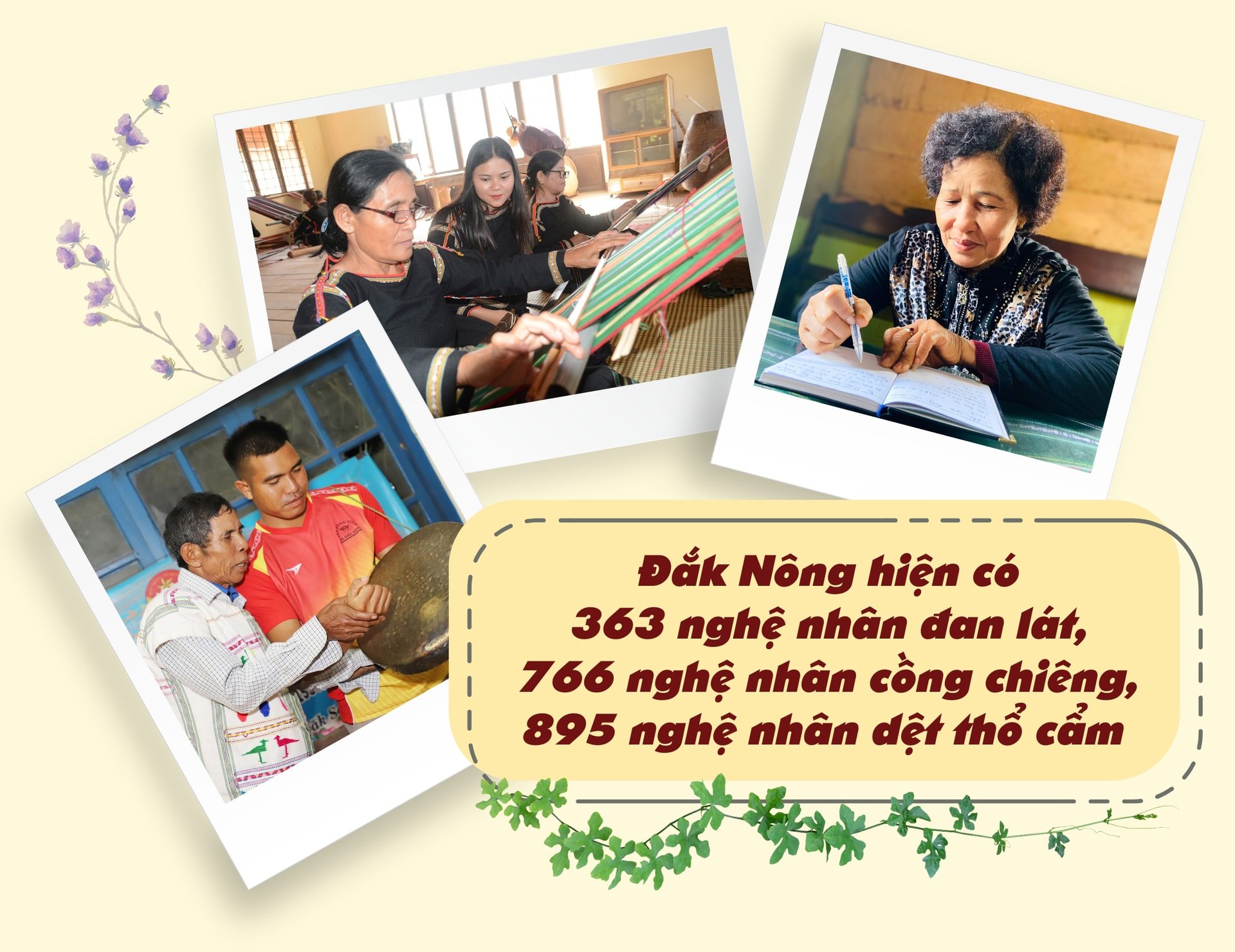
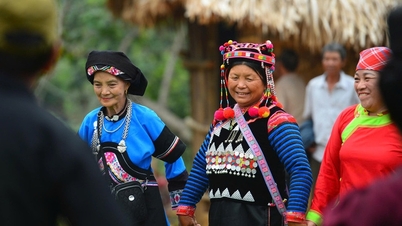
Dak Nong currently has 2,024 artisans skilled in traditional crafts such as weaving, gong playing, and brocade weaving. Among them are many artisans who, despite their young age, have made significant contributions to the preservation, safeguarding, and promotion of their ethnic group's traditional culture.
Furthermore, many children and teenagers from ethnic minority communities in the province are increasingly interested in preserving, promoting, and "keeping the flame alive" of their traditional cultural values.
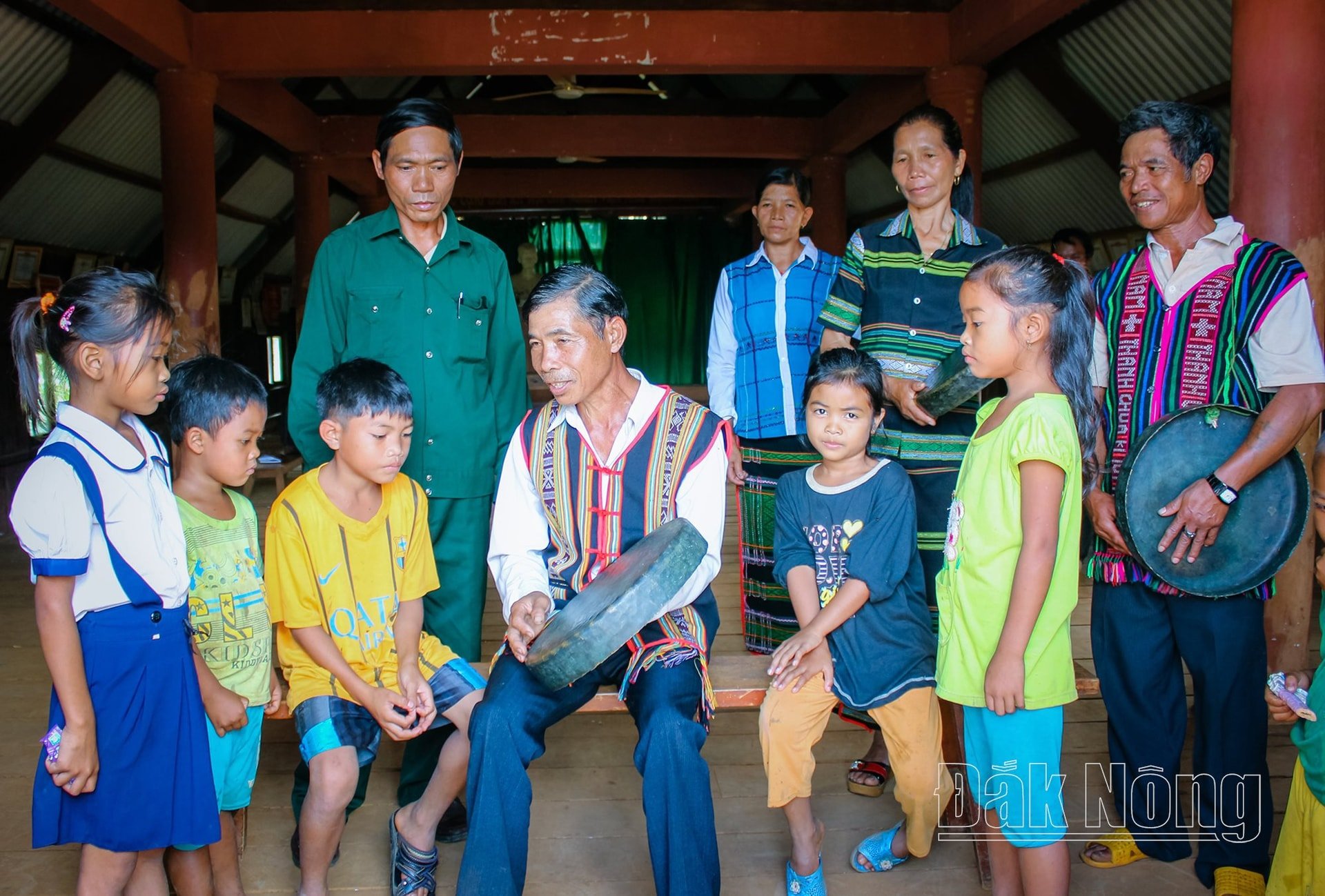
Currently, in Dak Nong province, there are 7 boarding schools for ethnic minorities at the lower and upper secondary levels in various districts, and 1 boarding high school for ethnic minorities in N'Trang Long, Gia Nghia city. Besides effectively teaching lower and upper secondary school subjects, these boarding schools also focus on extracurricular activities and education about the traditional culture of each ethnic group for their students.
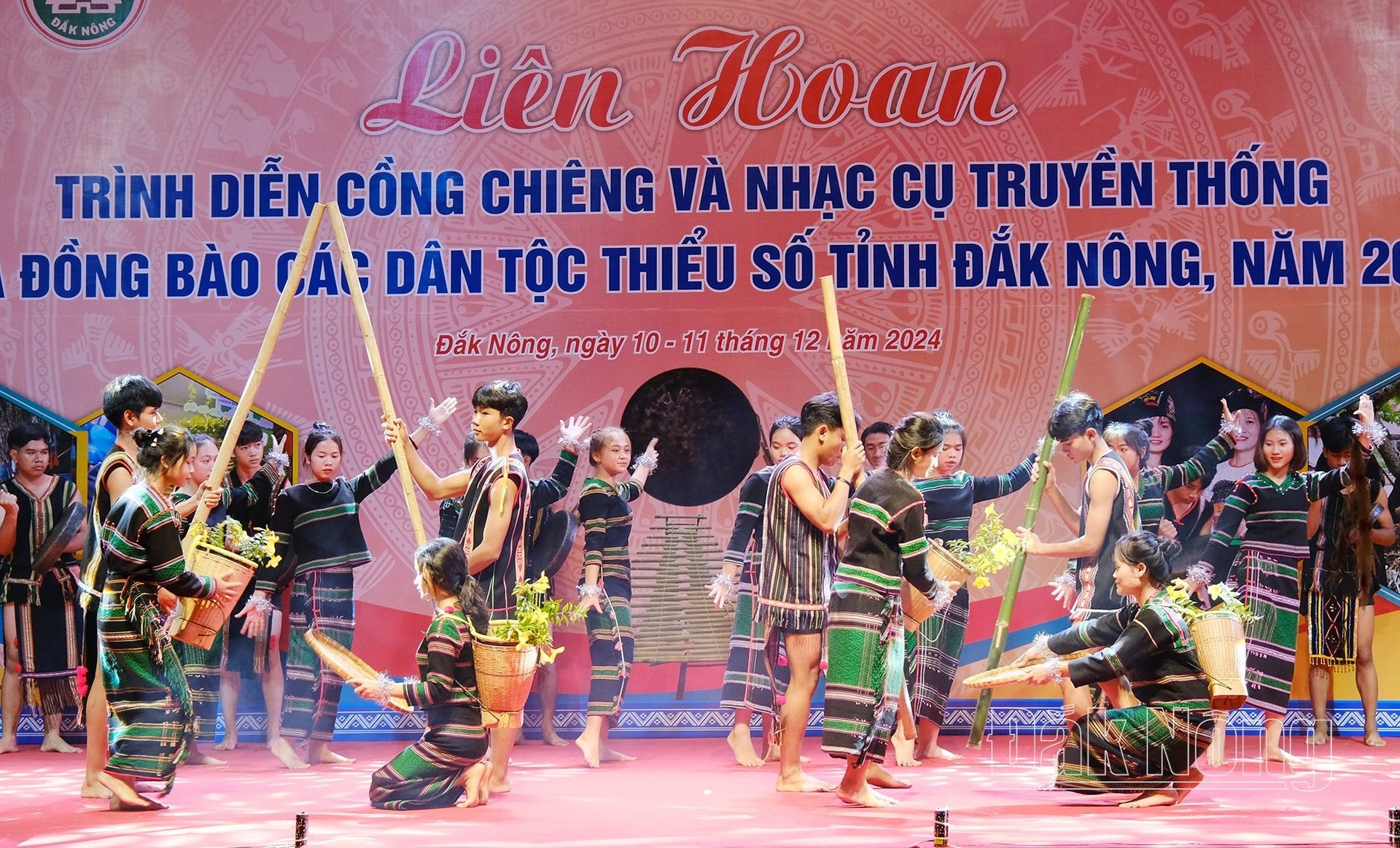
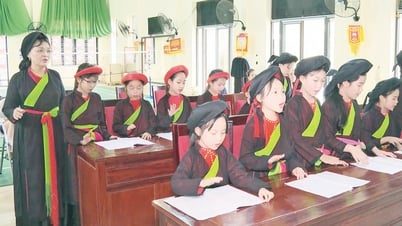
At N'Trang Lơng Ethnic Boarding High School in Gia Nghia City (Dak Nong province), starting from the 2020-2021 school year, the school supported students in establishing a "Beauty of Ethnic Cultures" Club, consisting of 6 teams. The team names are the names of the respective ethnic groups, such as M'nong, Ede, Nung-Tay, Mong, Ma, Muong, etc. In addition, the school established, maintained, and operated a gong and Xoan dance team under the "Beauty of Ethnic Cultures" Club.

The core members are talented and passionate students dedicated to preserving and promoting the unique characteristics of ethnic groups. Throughout the school years, as 12th-grade students graduate, newly recruited 10th-grade students will continue to participate in the club to strengthen, supplement, and implement activities that help the club maintain and develop.
Each month, the club's teams will participate in introducing the cultural beauty and national identity of their respective ethnic groups to all teachers and students of the school. Through this, students have the opportunity to interact, share, and better understand each other's customs and traditions, fostering integration and connection between the cultures of different ethnic groups.
“During my three years studying here, I really enjoyed and was excited to participate in the school's cultural activities. Through food festivals and traditional costume competitions, my friends and I had fun, socialized, and introduced our ethnic customs and traditions to our friends. This was also an opportunity for me and my friends to learn more about the unique characteristics of other ethnic groups. Although I am now attending university, whenever I have the chance, I return to visit the school and participate with my Hmong ethnic cultural group,” shared Sung Minh Huyen, a former 12th-grade student.
The school's Youth Union regularly organizes and participates in competitions and performances to create a platform for showcasing traditional ethnic costumes, attracting enthusiastic participation from students. Ms. Do Thi Viet Ha, Principal of N'Trang Long Ethnic Boarding High School, said: "The students are very passionate and love learning about the traditional cultural activities of their ethnic group. It seems that traditional culture has become ingrained in their blood. Through the support of the school, they have made many efforts and are a source of continuation in preserving, conserving, and passing on the traditional culture of their ethnic group."
Most recently, the model "Youth Union members and young people with the awareness of preserving national cultural identity" of N'Trang Lơng Ethnic Boarding High School won second prize at the "Outstanding Model in Studying and Following the Ideology, Morality, and Style of Ho Chi Minh " competition in 2023, organized by the Party Committee of the Bloc of Agencies and Enterprises of Dak Nong province.
Several boarding schools for ethnic minorities at the lower and upper secondary levels in the province also have many activities to help students understand, preserve, and maintain the beautiful traditional cultural features of their ethnic group.
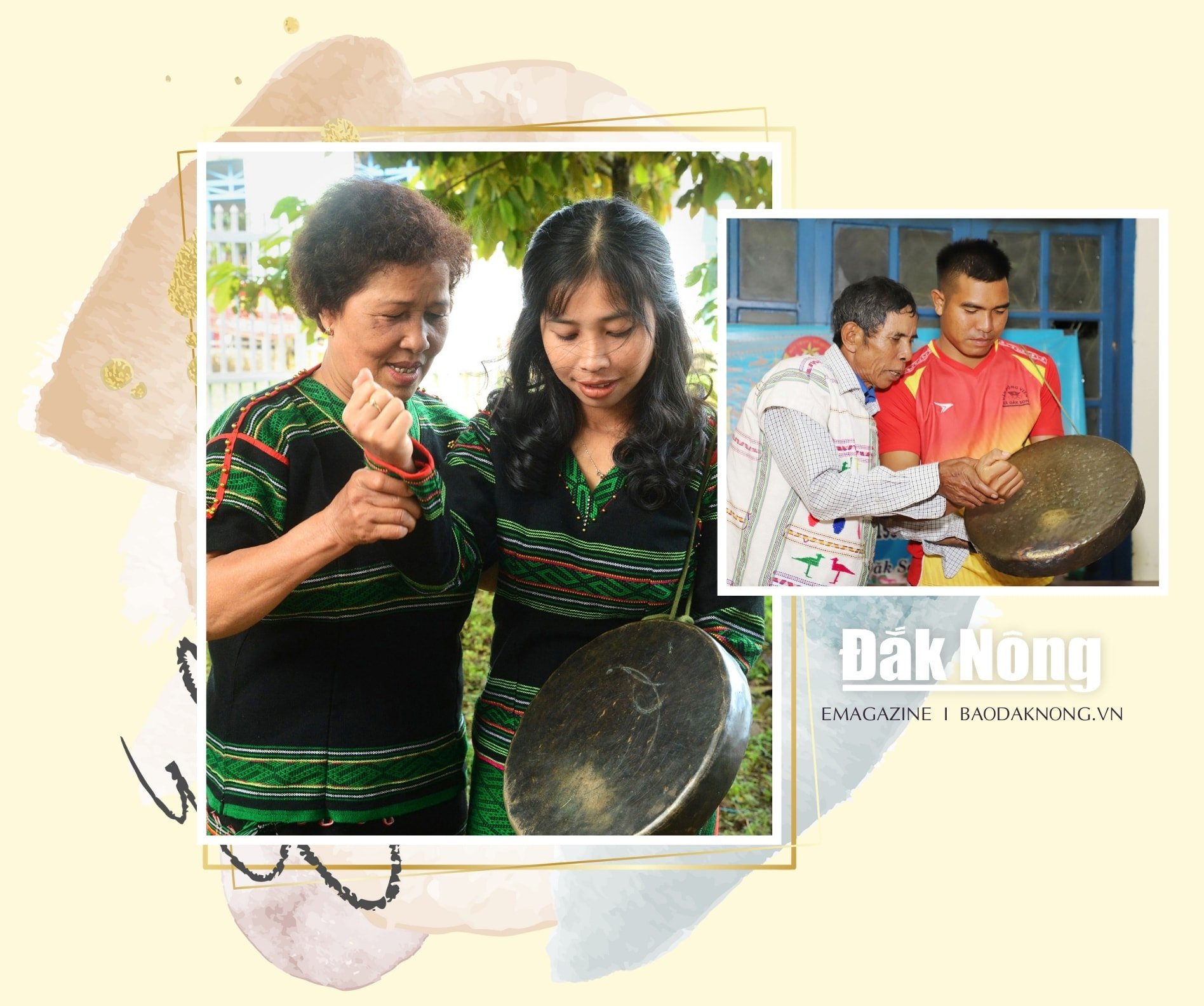
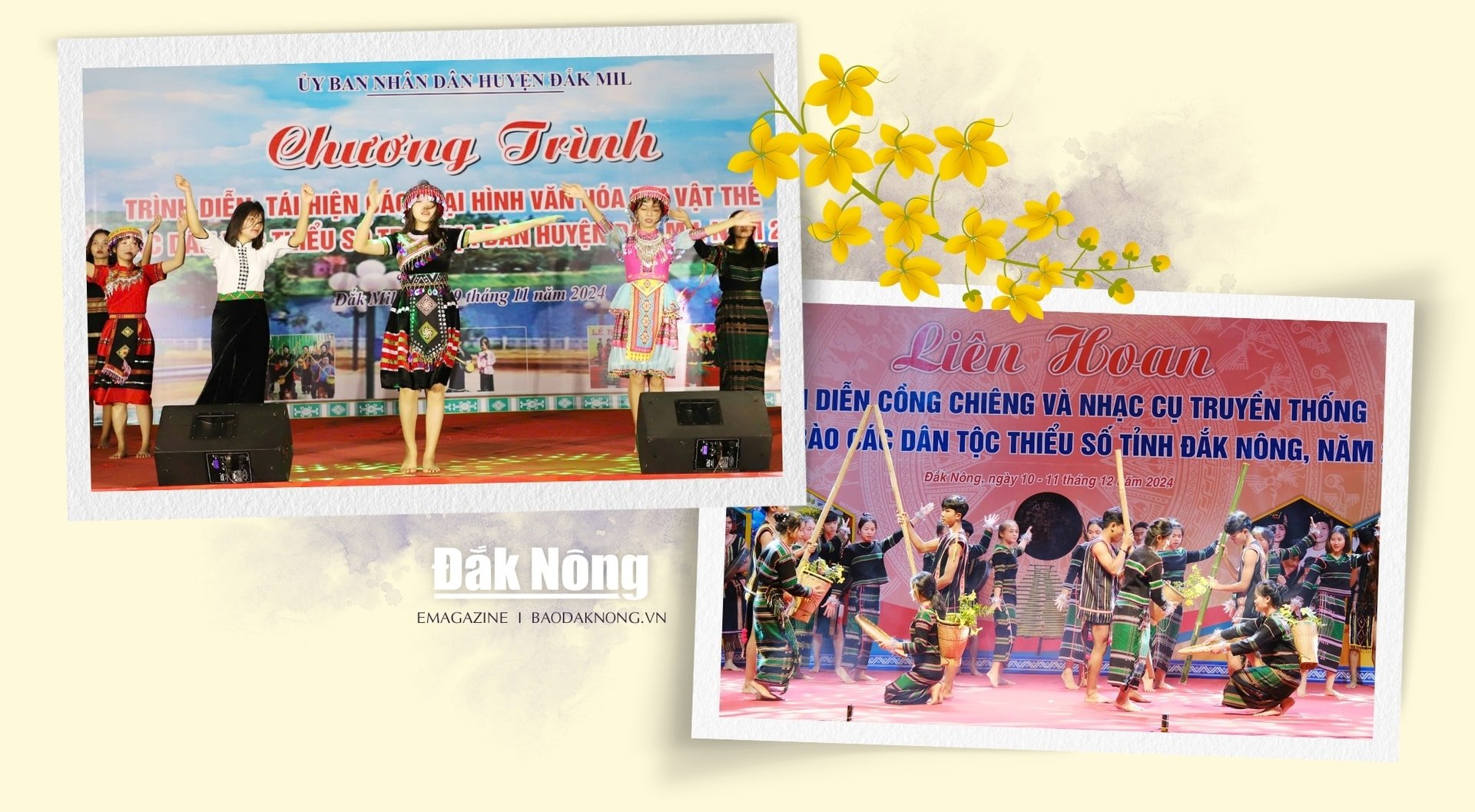
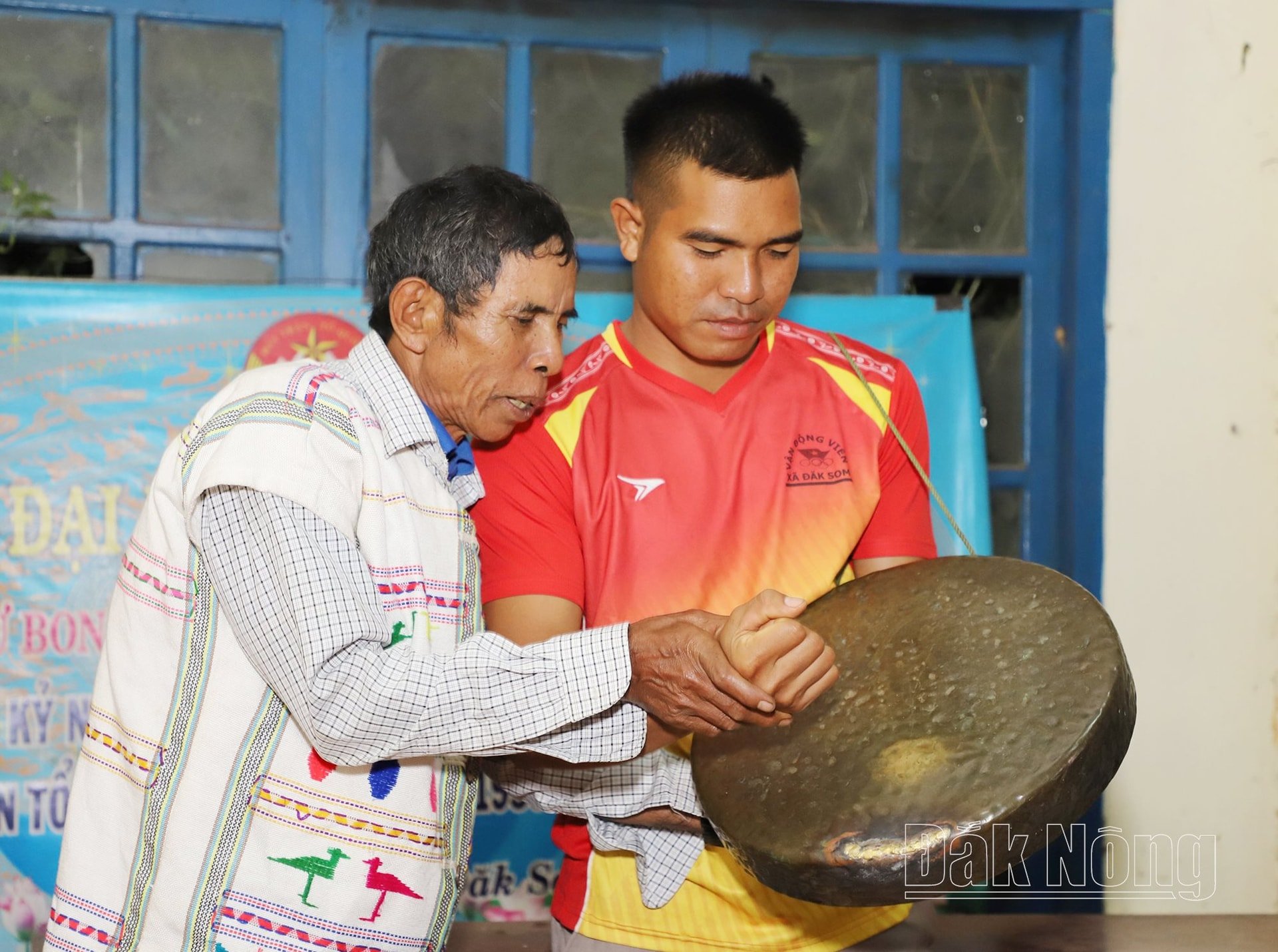
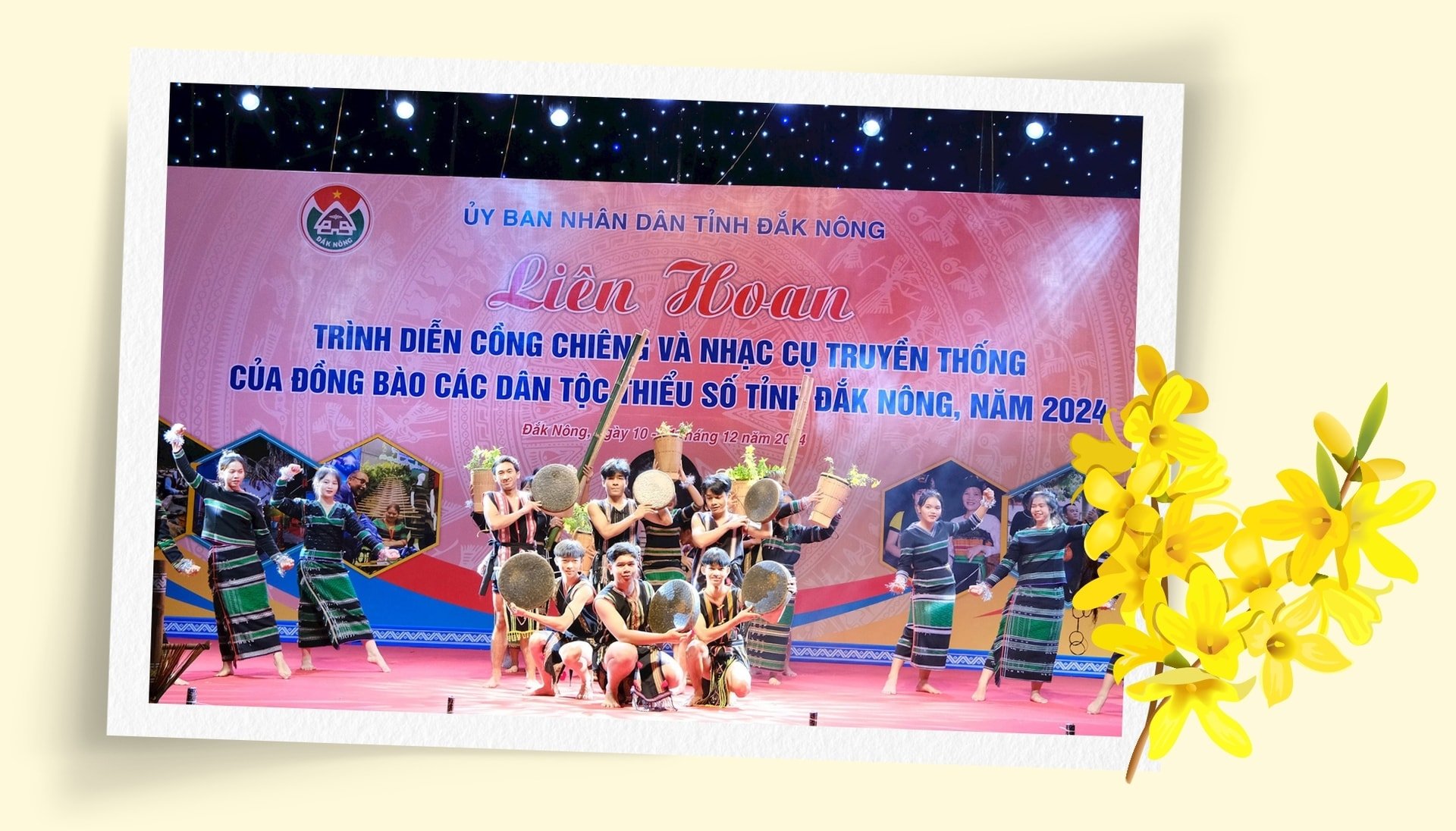
The Dak Mil District Ethnic Boarding Secondary and High School is also a model institution in the locality for educating and supporting students in "keeping the flame" of traditional ethnic cultures alive. The school regularly invites artisans from various fields, such as dance, folk singing, gong playing, and brocade weaving, to teach students. The school has also established a traditional M'nong ethnic performing arts group, regularly participating in competitions, festivals, and performing at local events.
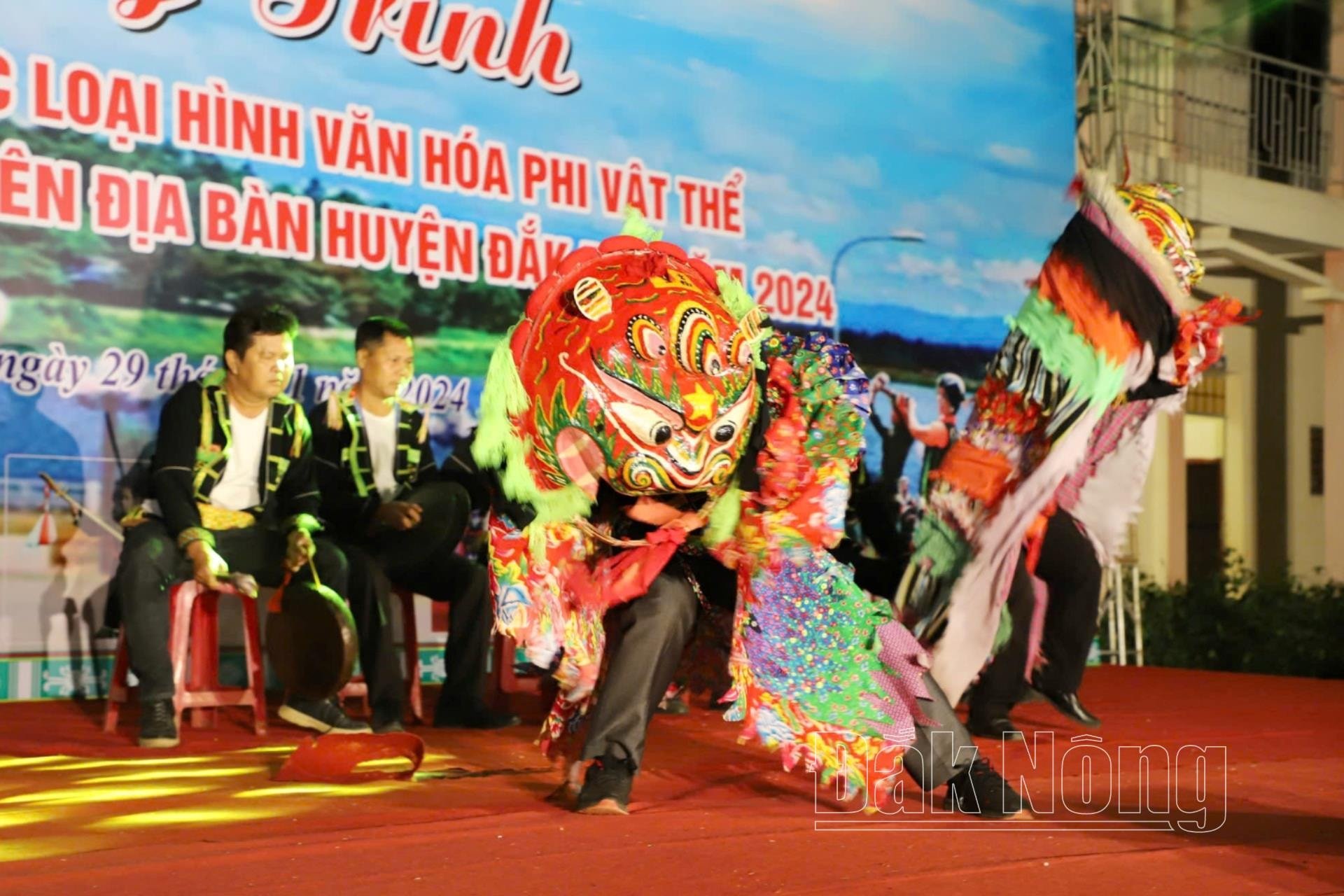
The students at the school are all very enthusiastic about learning and exploring the beautiful cultural aspects of their ethnic groups. H'Him, a M'nong ethnic student in grade 12 at the Dak Mil District Ethnic Boarding Secondary and High School, shared: “Besides the traditional culture of the M'nong people, I also really enjoy the dance performances of other ethnic minorities. I am very impressed by the unique and distinctive beauty of each ethnic group through each performance. Especially the performances by the uncles, aunts, and older siblings from Sa Pa village, Thuan An commune, helped me understand more about my own ethnic culture.”
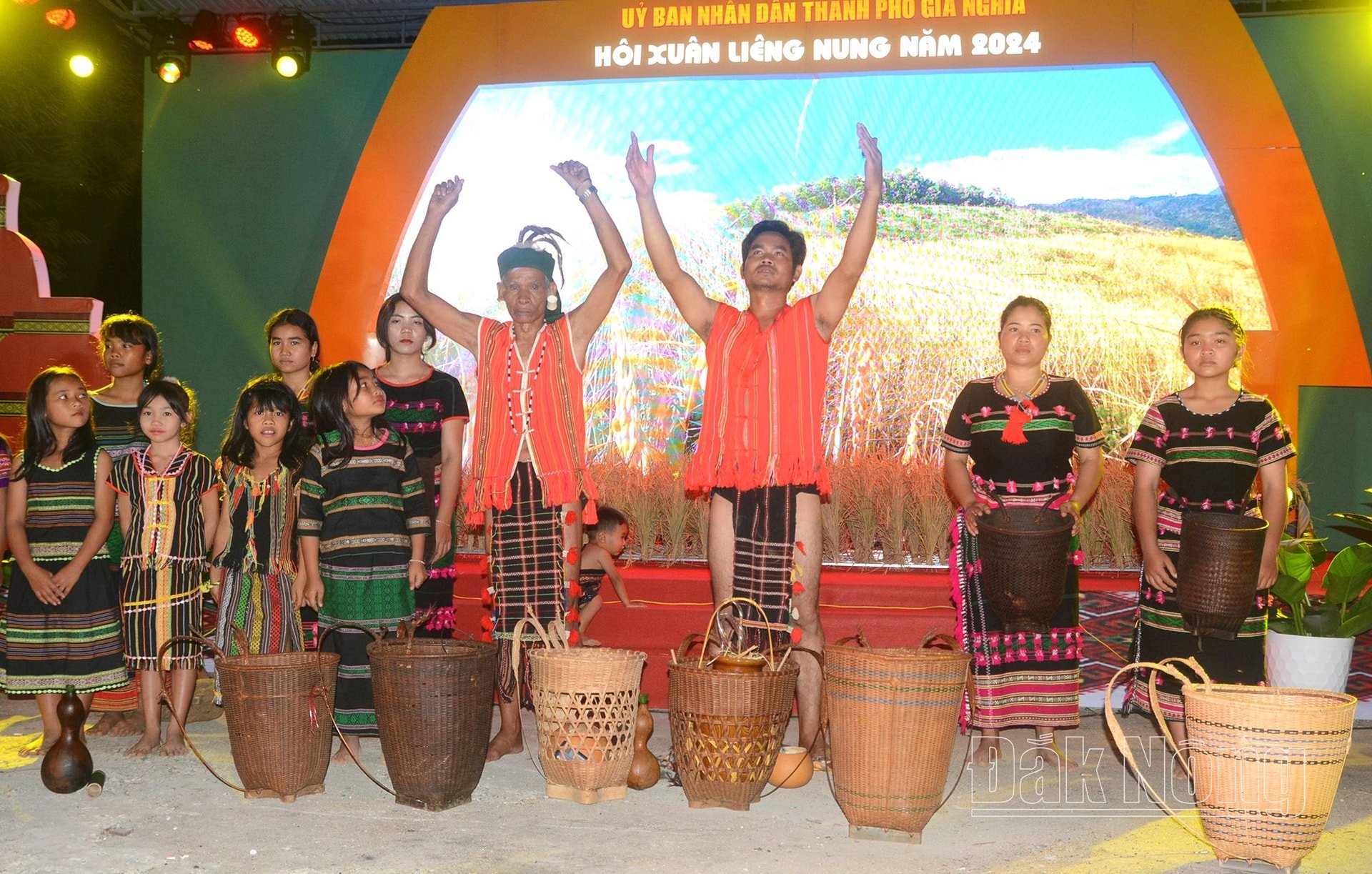
Over the past period, along with the efforts of Dak Nong province, the government and functional agencies from the district down to the commune, village, and hamlet levels in the province have always focused on educating awareness and teaching skills to young artisans, teenagers, and children in continuing and preserving the traditional culture of ethnic minorities. Some localities that excel in this activity include Krong No, Dak Mil, Cu Jut, and Dak R'lap…
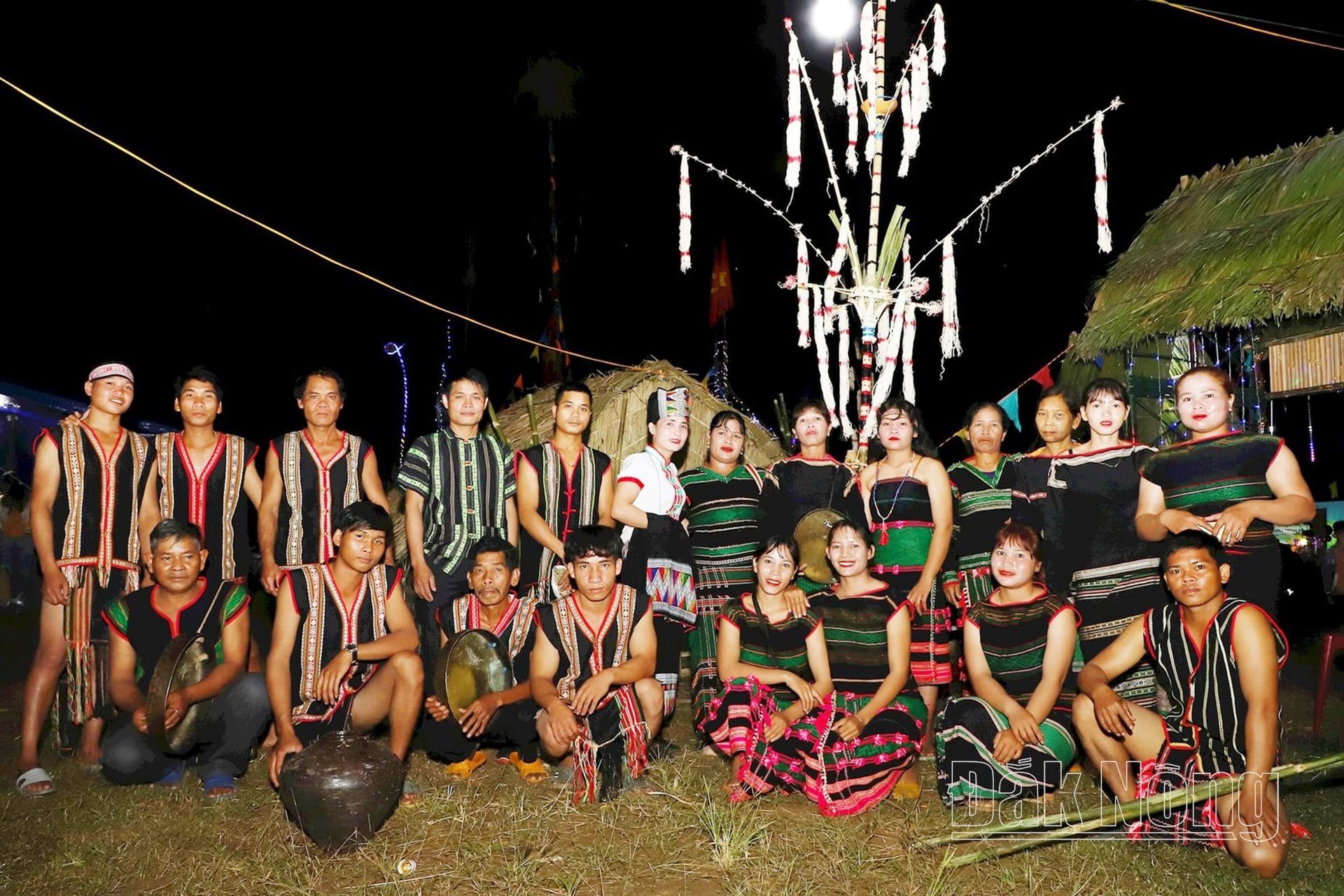
With 24 ethnic minority groups living together, Krông Nô is a colorful tapestry encompassing the unique cultures of the indigenous peoples and the novel aspects of the ethnic groups who migrated from the North. Each ethnic group possesses distinct and rich cultural traditions, from music , cuisine, and clothing to folk festivals.
Prominent in the cultural landscape of Krông Nô district is the unique and diverse cultural treasure of its indigenous peoples: the M'nông and Ê Đê. Many festivals are still preserved today, such as Tăm plang Blang bon; Tâm N'Găp bon; water source worship; rain prayers; housewarming ceremonies, etc. The presence of ethnic groups from the northern mountainous provinces also makes the cultural landscape of Krông Nô even more vibrant.
Through various resources, including funding from Program 1719, Krông Nô has received significant support in cultural preservation efforts, including training courses and cultural transmission.
The skill-training classes include: advanced gong playing and M'nong folk songs in Nam Nung commune; brocade weaving and brocade weaving patterns of the Dao ethnic group in Nam N'dir commune; advanced gong playing and restoration of the M'nong ethnic group's ceremonial pole in Quang Phu commune; and advanced gong playing and weaving of the Ede ethnic group in Quang Phu commune…
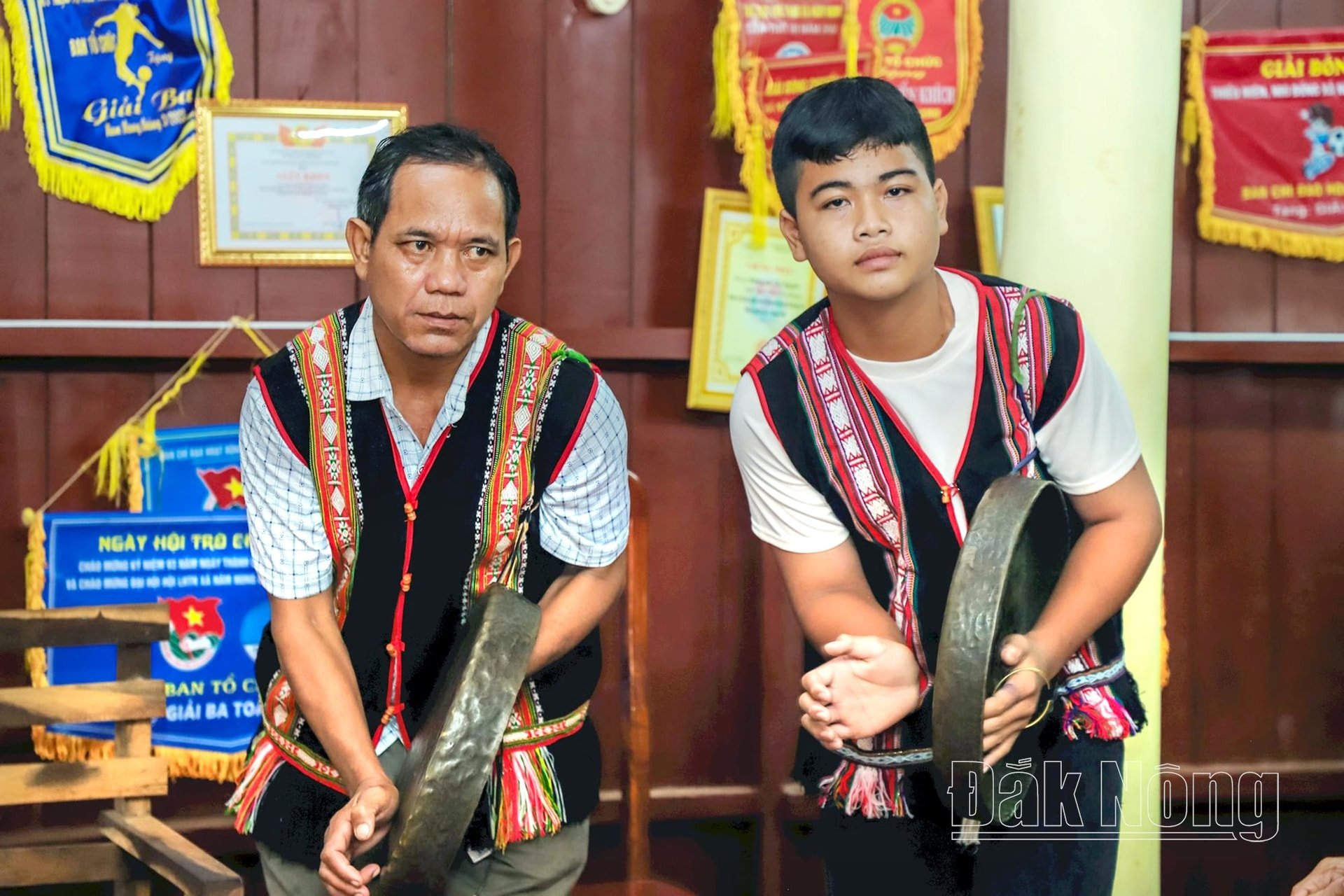
Y Bang (born in 2010), from Ja Rah hamlet, Nam Nung commune, said that after participating in a training course on gong playing skills in 2024, she actively joined the gong team of the Yok Nam Nung Community Tourism Group. She feels wonderful whenever she gets to perform at festivals or entertain tourists.
Similarly, H'Nóa (born in 2006) from Ja Ráh village is one of the young members of the dance group in Nâm Nung commune, Krông Nô district, and has been for the past three years. This young girl is always passionate about and conscious of preserving the cultural beauty of her ethnic group. H'Nóa's voluntary participation has inspired the younger generation in her village to promote the traditional cultural values of their people.
In 2024, Krong No district organized four training courses, supporting outstanding artisans in passing on intangible cultural heritage to ethnic minorities, especially young people in the district... Mr. Huynh Cong Nga, Deputy Head of the Culture and Information Department of Krong No district, said.
At the young age of 22, Ms. Thi Nam, from Ol Bu Tung hamlet, Quang Tin commune, Dak R'lap district, was awarded the title of "Traditional Brocade Weaving Artisan" - considered the youngest artisan in Dak Nong province.
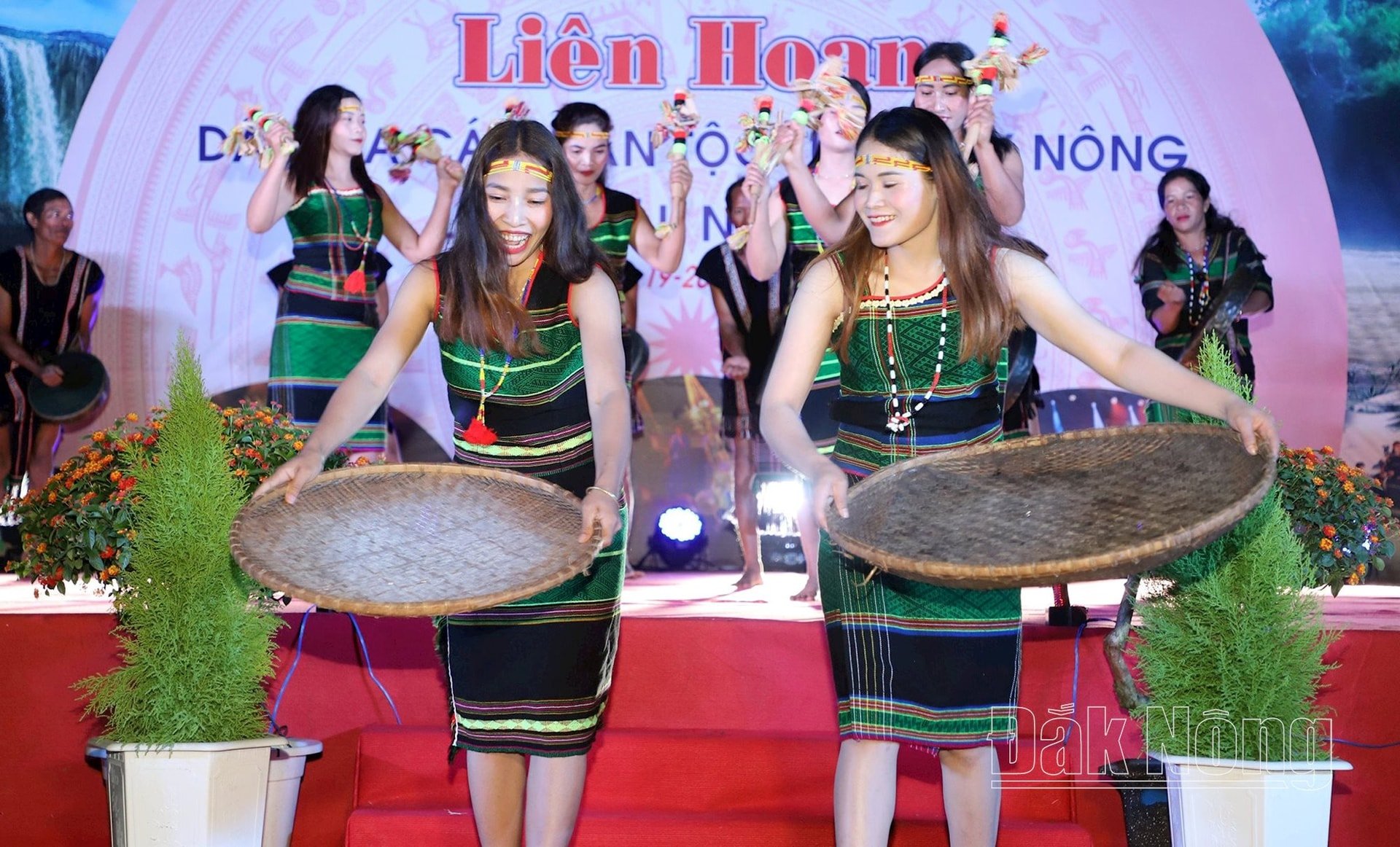
In 2019, at the first Vietnam Brocade Culture Festival, young artisan Thi Nam surpassed hundreds of veteran artisans to win the outstanding award. At that time, artisan Thi Nam was only 23 years old. This award, along with the experience gained from the festival, gave Thi Nam more motivation to return to her village to develop the traditional craft.
With over 10 years dedicated to her craft, young artisan Thi Nam has created many unique products. She has been honored in numerous competitions and received certificates recognizing her as a skilled artisan. Besides weaving brocade, young artisan Thi Nam is also an active member of the folk art troupe of Quang Tin commune, regularly participating in competitions and performances, promoting the beauty of M'nong culture both within and outside the province…
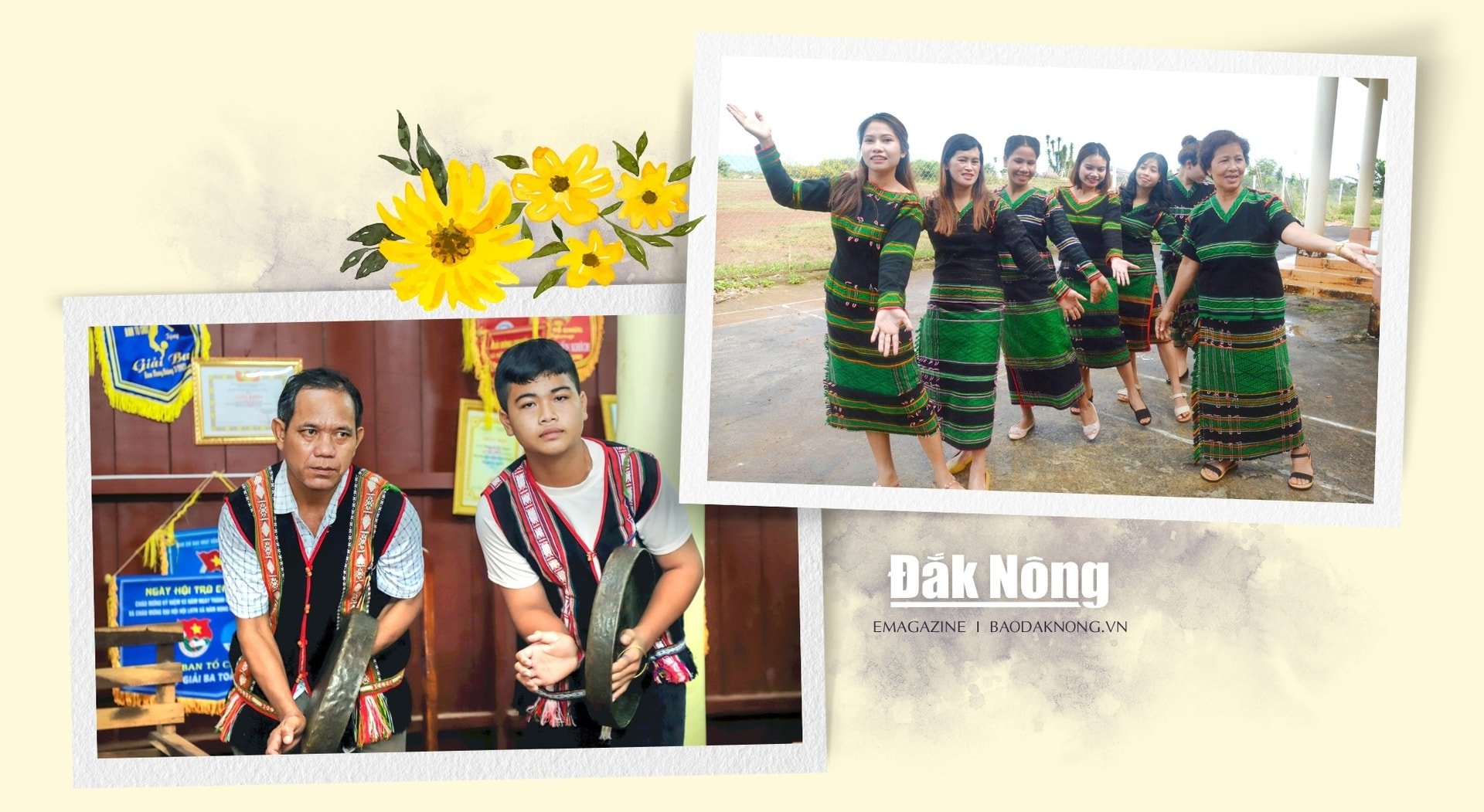
In Dak Mil district, the local authorities encourage and support ethnic minority communities, both those residing locally and those who have migrated from the North, to preserve their culture. Specifically, Thuan An commune has established the Sa Pa-Bu Dak inter-village cultural club; Duc Minh commune has the Jun Ju village art troupe; Long Son commune has established the Tay Son-Dong Son inter-village art troupe of the Tay and Nung ethnic groups; Dak Ghenh commune has an art troupe of ethnic minority boarding school students from Dak Mil district… Many young children are very active and passionate about learning about traditional cultural aspects, such as H'Joen and Tran H Nha Tram from Sa Pa village, H'Nguy from Bu Dak village in Thuan An commune; and H'Him and H'Na from Jun Ju village in Duc Minh commune…
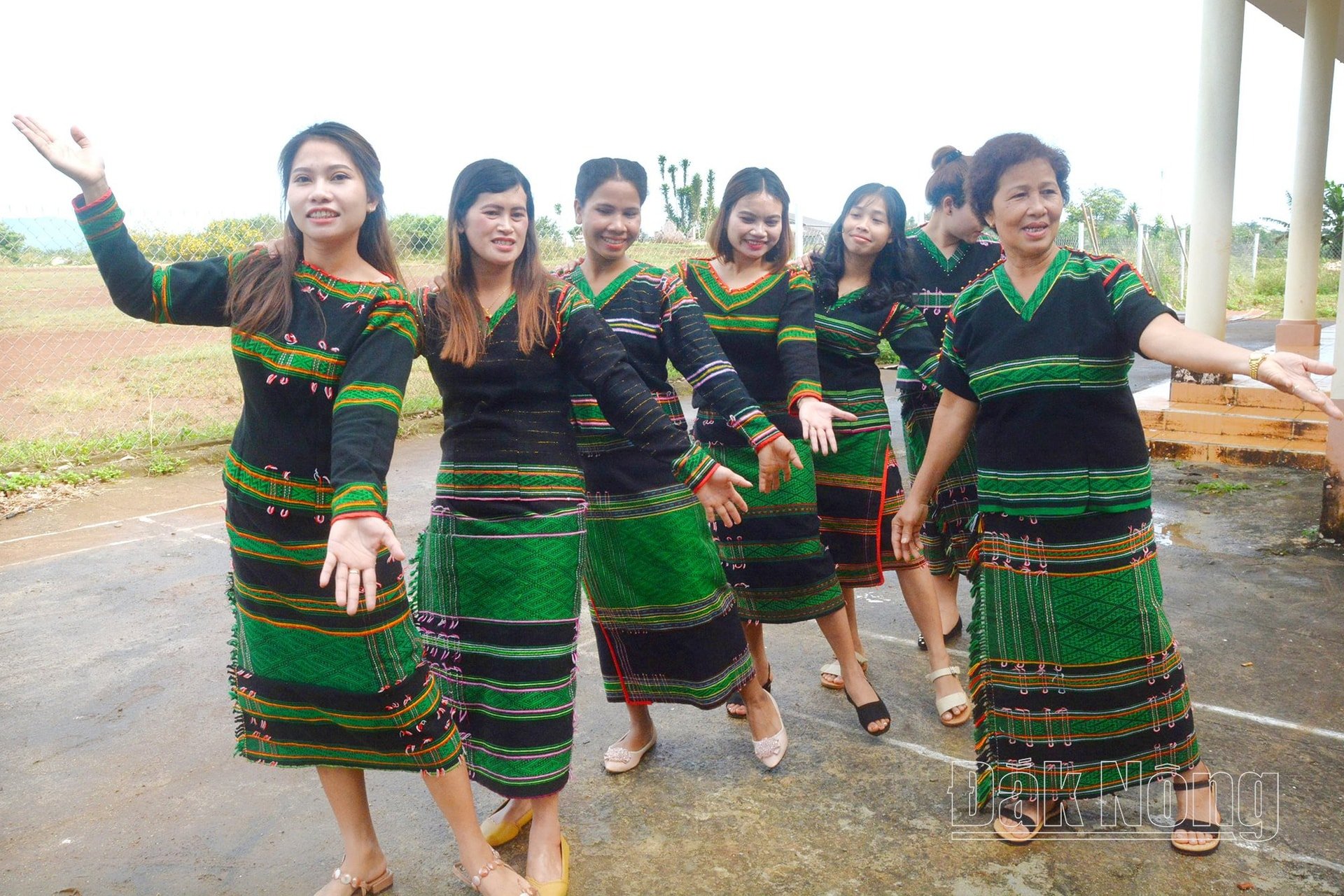
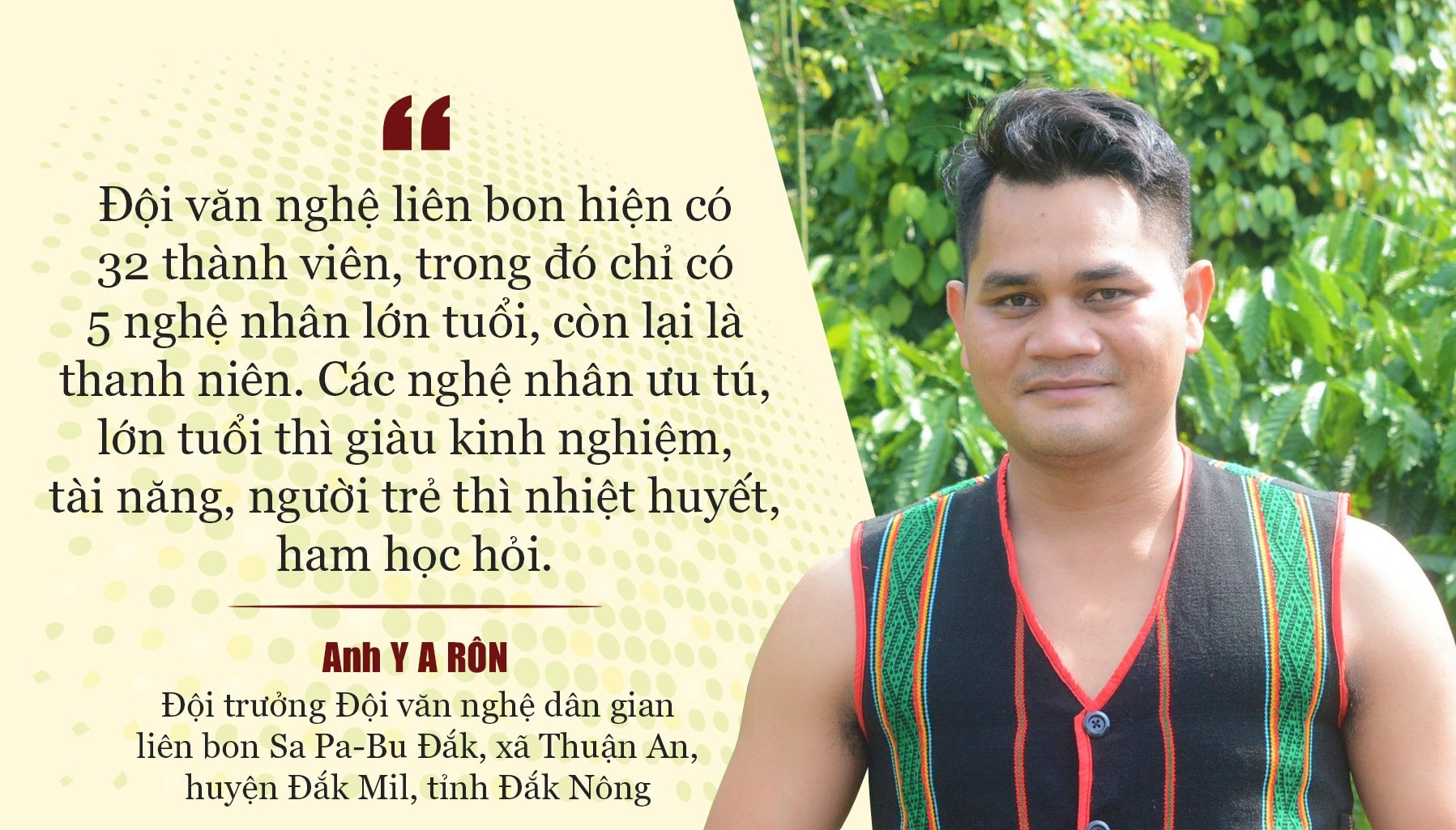
According to YA Ron (born in 1992), the team leader of the Sa Pa-Bu Dak inter-village folk art troupe in Thuan An commune, Dak Mil district, the troupe currently has 32 members, of which only 5 are elderly artisans, the rest being young people. The older, more experienced artisans are talented, while the younger ones are enthusiastic and eager to learn. Therefore, the troupe operates very effectively, preserving many traditional cultural aspects of the M'nong people such as folk singing, Xoang dance, gong playing, brocade weaving, and call-and-response singing…
Mr. Tran Dinh Ninh, Head of the Culture and Sports Department of Dak Mil district, said: "Besides the teachings of outstanding artisans, young people in the villages and hamlets of the local ethnic minorities and those from the North are very actively learning, practicing, and mastering cultural activities such as dancing, singing folk songs, playing gongs, weaving, and basketry... From cultural workers and government officials to every citizen, everyone has a responsibility to protect and promote the cultural values of the ethnic groups. In particular, the younger generations – those who will continue and preserve this heritage for the future – need to clearly understand the importance of preserving intangible cultural values…"
Content and photos: Bao Ngoc
Presented by: Phong Vu
Source: https://baodaknong.vn/mang-non-giu-lua-van-hoa-truyen-thong-237683.html

































































Comment (0)