

On the positive side, these platforms help to attract attention very quickly. Posts, videos , and shares can raise public awareness, prompt action from authorities, and reinforce the message that society will not tolerate child abuse.
Many people also gain access to useful knowledge about children's rights, parenting skills, and signs of child abuse through social media.
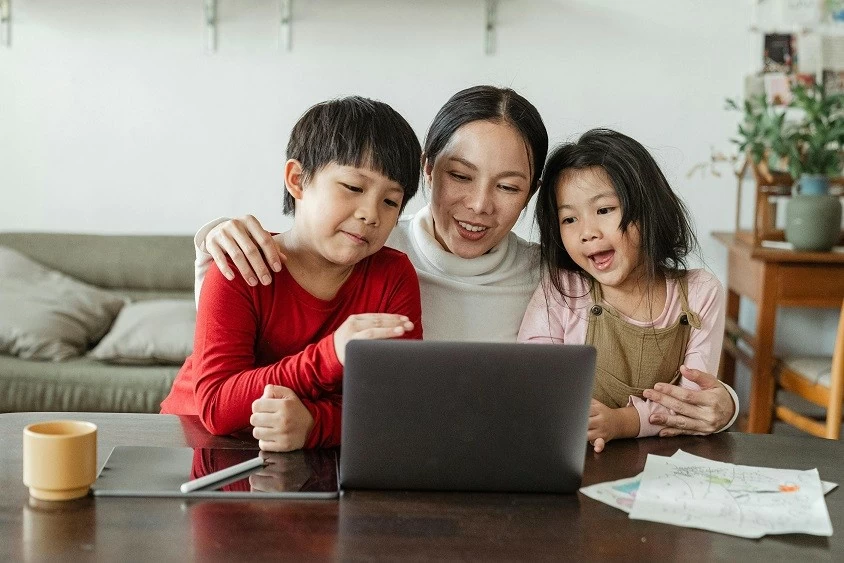 |
Social media platforms have a significant influence on responses to child abuse cases. (Source: Pexels) |
However, social media can sometimes provoke strong emotional reactions instead of fostering careful understanding. Discussions easily become overly emotional, extreme, judgmental, and often focus on blaming individuals rather than acknowledging larger issues such as parenting pressures, lack of social support, or gaps in child protection systems.
Sometimes, misinformation is spread or victims' private details are shared without permission. Overall, social media is a "double-edged sword," both helping to raise awareness and potentially influencing social attitudes in both positive and negative ways.
Raising awareness, sharing responsibility.
 |
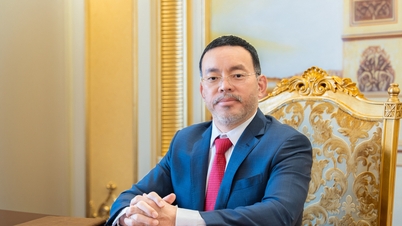
Dr. Ananya Manmathabhai Mehta, Associate Dean of Professional Communication, RMIT University Vietnam. (Photo courtesy of the interviewee) |
News organizations, content creators, and digital platforms play a crucial role in responsibly sharing information about these incidents.
First and foremost, they need to prioritize the safety and dignity of children, which means being careful not to share identifying information, images, or descriptions of violence that could further harm victims and their families.
Secondly, reporting should aim to provide information in a gentle manner, rather than sensationalizing or dramatizing the event. Headlines and articles should avoid using shocking language that turns tragedy into "entertainment." Instead, the media can provide helpful context such as risk factors, legal consequences, and available resources.
Third, platforms need stricter content control. Malicious comments, victim-blaming content, or violent images should be censored to create a safer environment. At the same time, platforms could prioritize disseminating reliable information from experts, civil society organizations, and authorities to promote accurate understanding.
Ultimately, responsible communication shifts the focus of the discussion from “what happened” to “what can we do?” Providing information about hotlines, reporting channels, and educational messages will help translate awareness into real, positive action.
Prevent damage before it's too late.
Despite their ability to spread information very quickly, social media largely only reacts after a crisis has occurred, rather than contributing to early prevention. In other words, these platforms often amplify incidents after abuse is discovered, rather than assisting in identifying and warning of risks from the outset.
This also reflects a broader problem in how communities respond to child abuse cases. Neighbors, relatives, and even schools sometimes notice unusual signs but don't know how to handle the situation or are hesitant to intervene. The notion that "family matters are private" still persists, leading many to choose silence. Furthermore, some organizations worry that speaking out could damage their reputation and image.
From a media perspective, current awareness campaigns do not seem to reach the community as effectively as expected. Many people still only identify abuse through easily observable manifestations such as physical beatings, without fully understanding that neglect, indifference, or emotional trauma are also serious forms of abuse that leave long-lasting consequences for children.
Overall, these realities highlight the urgent need to shift from reacting to tragedy to preventing it before it happens.
To encourage earlier intervention, communication needs to be clear, realistic, and culturally relevant. Social media campaigns can be helpful by sharing simple, relatable messages such as how to recognize signs of abuse, what to do if you suspect abuse, and where to report it safely. Short videos, infographics, and real-life stories will help make the message more engaging and memorable.
 |
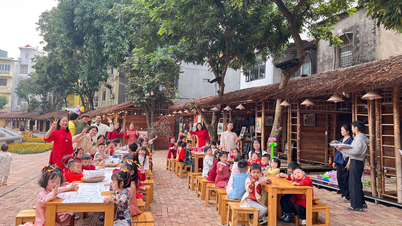
| Early intervention and community support can help prevent child abuse before harm occurs. (Source: Magnific) |
Schools also play a crucial role. Teachers and staff need to be trained to recognize behavioral and physical warning signs, and schools need to create safe spaces where children feel comfortable speaking up. Educational programs should also help children understand their rights and know who to turn to for support.
Community organizations and social welfare facilities can play a crucial role in strengthening local support networks. Programs that provide parenting skills training, mental health support, and stress management counseling can help mitigate risk factors early on, before abuse occurs.
In addition, community leaders can help change societal perceptions by encouraging people to proactively speak up when they detect unusual signs. Protecting children should be seen as a shared responsibility of the community, rather than as unnecessary interference in private family matters.
Finally, reporting and reception systems need to be built to be safer, more user-friendly, and more accessible. People will proactively speak up when they believe their concerns are being taken seriously, addressed promptly, and kept confidential. Establishing clear hotlines, local support points, and transparent processing procedures will help build trust and encourage community participation in protecting children.
Source: https://baoquocte.vn/mang-xa-hoi-va-thach-thuc-bao-ve-tre-em-thoi-so-hoa-396797.html

































































































Comment (0)