

Many people believe that insomnia is just a temporary condition caused by stress or overwork, so they often take it lightly and don't seek early medical attention and treatment. However, prolonged insomnia can seriously affect both physical and mental health, increasing the risk of many dangerous diseases.
- Unhealthy sleeping habits can cause insomnia.
- Irregular sleep schedules disrupt the body's circadian rhythm.
- Substance abuse can cause insomnia.
- Blue light from phones
- An unsuitable sleeping environment
- Eating too much or exercising too close to bedtime.
- I lay in bed for too long but couldn't fall asleep.
- What can I do to improve my insomnia?
Notably, one of the most common causes of insomnia today stems from unhealthy daily habits. This condition, known as "poor sleep hygiene," silently disrupts the body's natural biological clock without many people realizing it.
Unhealthy sleeping habits can cause insomnia.
Insomnia is often the result of a complex combination of factors such as psychological stress, underlying medical conditions, living environment, or side effects of medication. However, the most common causes today are directly related to lifestyle and daily habits.
"Sleep hygiene" is a term used to describe habits and environmental conditions that help the body achieve quality sleep. When these factors are not ensured, the body will have difficulty regulating its circadian rhythm, leading to difficulty falling asleep, shallow sleep, or waking up multiple times during the night.
Irregular sleep schedules disrupt the body's circadian rhythm.
Many people have a habit of staying up late to work, entertain themselves, or use their phones for extended periods. In quite a few cases, they then sleep in on weekends to "make up" for the lack of sleep they missed earlier in the week.
However, irregular sleep and wake times disrupt the body's internal biological clock. When the circadian rhythm is disrupted, the brain struggles to determine when to rest, leading to difficulty falling asleep or poor sleep quality.
Maintaining irregular sleep schedules over a long period not only causes insomnia but also leads to prolonged fatigue, reduced concentration, and negatively impacts work performance.
Substance abuse can cause insomnia.
Caffeine, found in coffee, strong tea, energy drinks, or carbonated soft drinks, is a central nervous system stimulant. When consumed in the afternoon or evening, caffeine can keep the brain alert for an extended period, slowing down the process of falling asleep.
Besides caffeine, nicotine in cigarettes is also a stimulant that can increase heart rate, raise blood pressure, and cause difficulty sleeping. Many people believe that drinking a cup of coffee in the evening doesn't affect sleep. However, in reality, the effects of caffeine can last from 6-8 hours, or even longer in some sensitive individuals.
Therefore, it is advisable to limit the consumption of caffeinated beverages after 2-3 PM to avoid affecting nighttime sleep.
Blue light from phones
Using phones, tablets, or watching TV before bed has become a common habit for many people today. However, the blue light emitted from electronic devices is an "enemy" of sleep.
Blue light can inhibit the production of melatonin – the hormone that helps the body feel sleepy. When melatonin levels decrease, it becomes more difficult for the body to relax and fall asleep.
Furthermore, entertainment content, social media, or work-related tasks on phones keep the brain constantly active, increasing excitement and stress levels before bedtime.
You should stop using electronic devices at least 30–60 minutes before going to bed to allow your body to relax naturally.

Chronic insomnia can seriously affect both physical and mental health.
An unsuitable sleeping environment
The sleeping environment also plays a crucial role in sleep quality. A room that is too bright, too noisy, or too hot or too cold can all disrupt sleep.
In addition, using unsuitable mattresses and pillows can cause body aches and discomfort, thereby reducing sleep quality.
For a good night's sleep, the bedroom needs to be quiet, well-ventilated, have soft lighting, and a suitable temperature. Sleepers should also choose mattresses and pillows with good elasticity to create a comfortable feeling.
Eating too much or exercising too close to bedtime.
Many people have a habit of eating late at night or engaging in high-intensity exercise late in the evening. However, these factors can make it difficult for the body to relax and fall asleep.
Eating too much before bedtime forces the digestive system to work continuously, causing bloating, indigestion, and discomfort while sleeping. Meanwhile, excessive exercise in the evening can increase heart rate, body temperature, and stimulate the nervous system.
You should eat dinner at least 2–3 hours before bedtime and avoid strenuous activity close to bedtime.
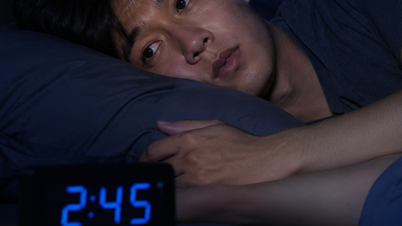
I lay in bed for too long but couldn't fall asleep.
A common mistake among people with insomnia is trying to lie in bed for as long as possible to "force" themselves to fall asleep. However, this inadvertently causes the brain to associate the bed with alertness and anxiety instead of relaxation.
If you lie in bed for about 20-30 minutes and still can't fall asleep, you should get out of bed and do some relaxing activities such as reading or listening to soothing music until you feel sleepy again.
What can I do to improve my insomnia?
To improve insomnia caused by lifestyle habits, experts recommend adopting a healthy lifestyle and maintaining proper sleep hygiene.
Maintain a consistent sleep schedule.
You should go to bed and wake up at the same time every day, including weekends, to help your body establish a stable circadian rhythm.
Limit stimulants.
Avoid consuming coffee, strong tea, tobacco, or energy drinks in the afternoon and evening.
Reduce phone use before bedtime.
You should limit your exposure to blue light from electronic devices for at least 30 minutes before bedtime.
Create the ideal sleeping environment.
Bedrooms should be quiet, clean, well-ventilated, and have appropriate lighting.
Exercise regularly
Maintaining a routine of gentle exercise such as walking, yoga, or meditation helps relax the body and improve sleep quality.
Stress management
Relaxing your mind through activities like reading, listening to music, or meditating helps reduce stress – a major factor contributing to insomnia today.
If insomnia lasts for more than 2–3 weeks or significantly affects one's life, the patient should seek medical attention.
In particular, if insomnia is accompanied by symptoms such as persistent anxiety, headaches, palpitations, shortness of breath, or depression, it needs to be evaluated and treated early to avoid dangerous complications.
In summary: Sleep plays a vital role in both physical and mental health. Therefore, instead of downplaying insomnia, everyone should proactively build a healthy lifestyle, maintain healthy sleep habits, and seek timely medical attention when experiencing any unusual symptoms to protect their long-term health.
Source: https://suckhoedoisong.vn/mat-ngu-do-6-thoi-quen-ngu-khong-lanh-manh-169260513112141984.htm















































































































Comment (0)