

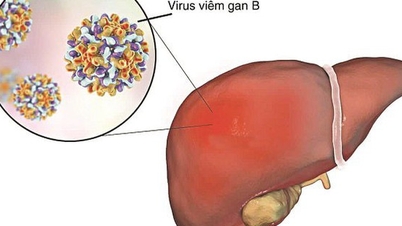
Hepatitis B is a major infectious disease, prevalent globally, caused by the hepatitis B virus (HBV). HBV is transmitted through blood, sexual contact, and from mother to child.
3 steps to prevent hepatitis B transmission from mother to child.
- 3 steps to prevent hepatitis B transmission from mother to child.
- Can a mother with hepatitis B breastfeed her child?
According to Dr. Nguyen Nguyen Huyen, Director of the Center for Disease Control and Prevention at the National Hospital for Tropical Diseases, the hepatitis B virus is present in all bodily fluids, but it is only transmitted through direct blood contact, unprotected sexual intercourse, and mother-to-child transmission during pregnancy or childbirth. Vietnam is located in a high-prevalence area for HBV infection (HBV infection rate > 8%), with the main mode of transmission being mother-to-child during childbirth. Therefore, before marriage, if either partner has hepatitis B, the other should get vaccinated against hepatitis B. After vaccination and the development of antibodies, they will not contract hepatitis B.
A mother can transmit hepatitis B to her child during pregnancy or labor. Therefore, when planning a pregnancy or during pregnancy, mothers should consult an infectious disease or hepatologist for advice on measures to prevent mother-to-child transmission of hepatitis B.
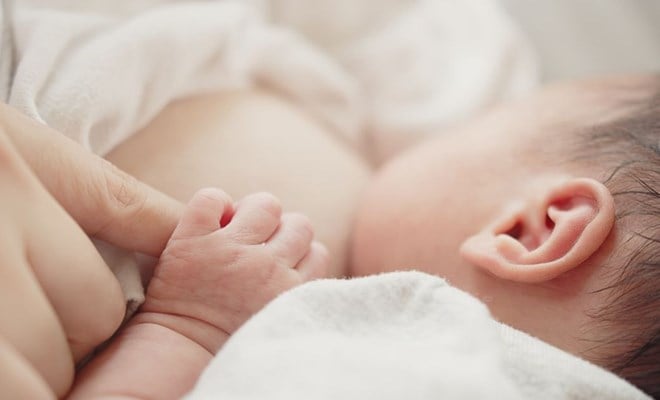
Mothers with hepatitis B can absolutely breastfeed their babies after they have received the hepatitis B vaccine and immunization serum immediately after birth. (Illustrative image)
There are three steps to prevent the transmission of hepatitis B from mother to child:
Step 1: The mother takes antiviral medication during pregnancy and after childbirth to reduce the amount of virus in her blood, thereby reducing the transmission of hepatitis B to the child.
Your doctor will decide which antiviral medication is safe for your unborn baby and when to take it. Your doctor will determine this based on your hepatitis B status and the amount of virus (HBV-DNA) in your blood. It's best to see your doctor before the 14th week of your pregnancy.
Step 2: Infants born within the first 24 hours need to receive their first dose of the Hepatitis B vaccine.
Step 3: Infants born within the first 24 hours need to be given Hepatitis B immunoglobulin (HBIG) injections.
If your child is born prematurely, underweight, asphyxiated, or aspirated from amniotic fluid, you need to contact a doctor at a vaccination center for advice on vaccinating your child against Hepatitis B and administering the hepatitis B serum.
Can a mother with hepatitis B breastfeed her child?
A mother can absolutely breastfeed her baby after the baby has received the hepatitis B vaccine and immunization serum immediately after birth.
If the mother is taking antiviral medication to treat chronic hepatitis B, she should discuss switching to a medication that is safe for breastfeeding.
If the mother has chronic hepatitis B, but does not have elevated liver enzymes or cirrhosis, she can eat normally and exercise daily. She doesn't need to abstain from anything except alcohol and alcoholic beverages.
If the mother has elevated liver enzymes, she needs complete rest, should temporarily stop exercising, and avoid stress and pressure during this period. She should take medication and follow her doctor's treatment instructions.
If a pregnant woman has cirrhosis, she needs a stricter diet and should undergo a thorough examination and receive specialized advice on nutrition for cirrhosis patients.
Source: https://suckhoedoisong.vn/me-mac-viem-gan-b-co-cho-con-bu-duoc-khong-169260530143005218.htm




![[Image] Nearly 125,000 Hanoi students completed the Literature exam for the 10th grade entrance exam.](https://vphoto.vietnam.vn/thumb/1200x675/vietnam/resource/IMAGE/2026/05/30/1780117233041_ndo_br_thiet-ke-chua-co-ten-2-png.webp)
























































































Comment (0)