

When the sweltering heat of summer arrives, evaporative coolers and misting fans become lifesavers for many families. Unlike regular electric fans, these two types of devices use water to cool and balance humidity, providing an immediate feeling of comfort.
However, the very mechanism of operation using water combined with a continuous airflow makes them ideal breeding grounds for dirt, bacteria, and mold. A fan that is not cleaned regularly not only reduces cooling efficiency and consumes more electricity but also inadvertently spreads germs into the living space.
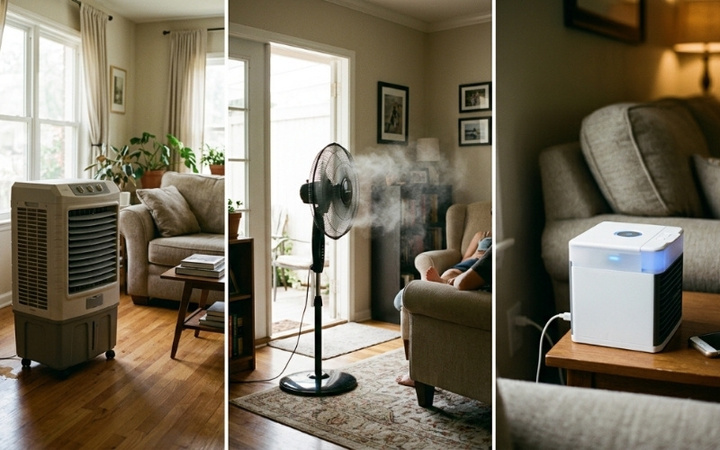
Mist fans and evaporative coolers are very useful in the summer but are also prone to mold if not properly maintained. (Image: iStock)
Tips for cleaning evaporative coolers and misting fans.
To protect your family's health and extend the lifespan of your appliances, knowing the right cleaning techniques is essential.
Disinfect with white vinegar.
The water reservoir is the heart of the cooling system, yet it's often the most overlooked area, allowing bacteria and mold to thrive. When water sits for extended periods, a slippery, slimy layer forms at the bottom of the reservoir, accompanied by an unpleasant odor.
To completely resolve this issue, drain all the old water through the drain valve at the bottom. Then, instead of just using tap water, mix white vinegar and warm water in a 1:3 ratio and pour it into the container. White vinegar contains natural acetic acid, which has strong disinfecting properties and dissolves stubborn limescale without corroding the plastic.
Soak the water container in the mixture for about 15 to 20 minutes, then use a soft-bristle brush or sponge to gently scrub all the corners. Finally, rinse the container thoroughly with clean water several times until there is no longer a vinegar smell, ensuring that the next batch of water is always pure.
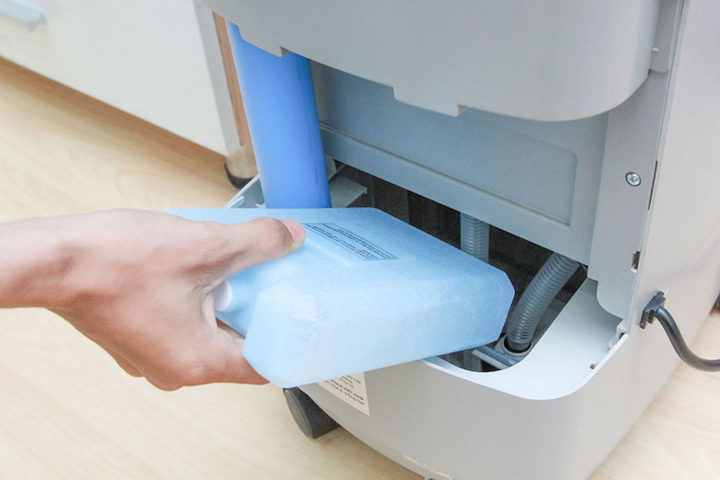
Water tanks are very susceptible to mold and odor. (Photo: Dien May Xanh)
Clean the cooling pad and dust filter.
The cooling pad in evaporative coolers and the dust filter in misting fans act like lungs, filtering the air before blowing it out. These components often accumulate a huge amount of fine dust after a few weeks of use, hindering airflow and significantly reducing cooling efficiency.
You need to carefully remove these panels from the back or sides of the fan according to the manufacturer's instructions. A helpful tip here is to absolutely avoid using a hard brush to scrub vigorously, as this can easily tear or deform the structure of the cooling panels.
Instead, use a water spray with moderate pressure, spraying from the inside out to wash away the dirt. If the stains are stubborn, you can soak the cooling pad in a basin of diluted dish soap for ten minutes before rinsing. After washing, stand the cooling pad upright in a shady, well-ventilated area to air dry, avoiding direct sunlight as high temperatures can damage the material.
Use cotton swabs for cleaning.
For misting fans, the nozzle system is a delicate component that is very susceptible to clogging due to minerals in the water precipitating into calcium deposits. When the tiny nozzle holes become blocked, the mist will be uneven, drip, or even stop working altogether.
To clean this tiny area, small cotton swabs are a great help. Simply dampen the tip of the cotton swab with a little undiluted vinegar or lemon juice and gently wipe around the spray nozzle.
The acids in lemons and vinegar will quickly soften and dissolve stubborn limescale buildup around the spray nozzles. Cleaning this part ensures a smooth, even spray and prevents water from pooling on the floor.
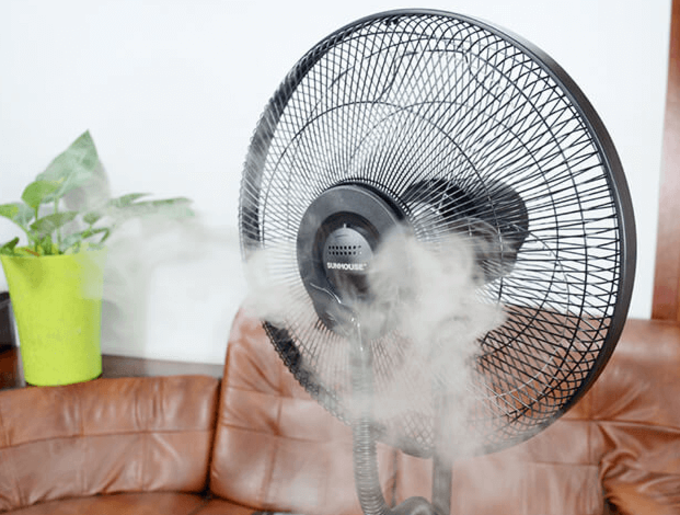
The spray nozzle (mist nozzle) is often overlooked during cleaning. (Photo: META)
Clean the fan blades and fan cage.
The fan blades and housing are in direct contact with the airflow, so the static electricity generated during rotation attracts a lot of dust and dirt to the surface. This layer of dust not only detracts from the aesthetics but also weighs down the fan blades, causing the motor to work harder and generate more noise.
Remove the front fan guard and use a soft microfiber cloth dampened with warm water mixed with a little dish soap to clean each guard and fan blade. A crucial step is to protect the motor and electronic control circuits at the back.
You must absolutely not spray water directly onto the fan body or use an excessively wet cloth to clean areas near the buttons. Water getting inside the motor will cause short circuits, rust on components, and damage the fan as soon as it is plugged back in. Always use a thoroughly wrung-out cloth and dry it again with a clean cloth after use.
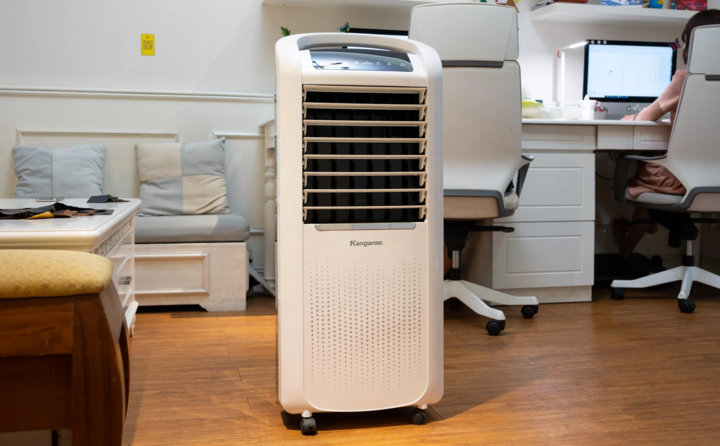
The fan cage is a part that easily accumulates dust but is difficult to clean. (Photo: Kangaroo)
Eliminate odors using natural essential oils.
After all the parts have been thoroughly cleaned and dried, reassemble them in the reverse order of disassembly. However, sometimes, even after washing, the fan may still have a faint musty smell characteristic of old plastic and water.
The final tip for creating a truly relaxing atmosphere is to use natural essential oils to deodorize and freshen the air. Before adding new water to the reservoir, add 3 to 5 drops of pure essential oil directly to the water or onto a small cotton ball and place it near the water tray.
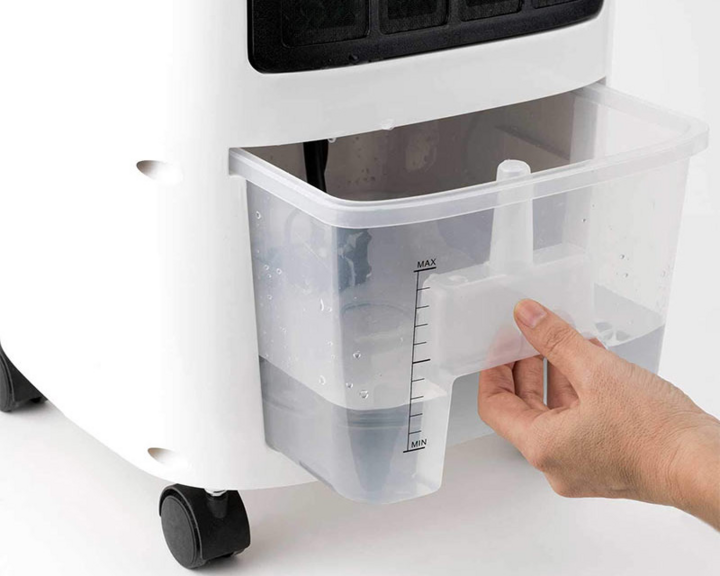
Adding a few drops of specialized essential oil when changing the water helps eliminate the lingering plastic smell. (Photo: Dienmaycholon)
Essential oils like lemongrass, peppermint, tea tree, or grapefruit are perfect choices because they not only have a pleasant scent but also possess excellent antibacterial and mosquito-repelling properties. When you turn on the fan, the stream of water vapor carrying the gentle aroma of essential oils will spread throughout the room, providing a refreshing and relaxing spa-like feeling.
Maintaining good hygiene habits with these five simple tips will not only keep your evaporative cooler or misting fan looking like new for longer, but also fully protect the respiratory health of your entire family throughout the summer.
Notes on cleaning evaporative coolers and misting fans.
Before starting the cleaning process, understanding the appropriate cleaning frequency for each part will help you optimize your time and effort. Typically, the water tank needs to be scrubbed one to two times a week because this is where limescale and grime tend to accumulate the most.
The cooling pads and dust filters should be cleaned approximately every two weeks, while the fan body and blades can be cleaned monthly. A crucial safety rule you must never ignore is to completely disconnect the fan from the power supply.
You need to unplug the fan from the power outlet and move it to a dry, spacious area to clean it. Thorough preparation of the tools will also help ensure a smooth and safe cleaning process for both you and the device.
According to VTC News
Source: https://baoangiang.com.vn/meo-lam-sach-quat-hoi-nuoc-quat-phun-suong-a485733.html

![[Image] Hanoi's urban life under the challenge of a "scorching hot" environment](https://vphoto.vietnam.vn/thumb/1200x675/vietnam/resource/IMAGE/2026/05/25/1779706979265_nang-nong-t5-2026-minh-duy-7-4636-jpg.webp)



![[Image] Close-up view of the interchange connecting the two expressways and Long Thanh Airport.](https://vphoto.vietnam.vn/thumb/1200x675/vietnam/resource/IMAGE/2026/05/25/1779703378210_ndo_br_z7863716673926-224453a31600126cce10622af6290afd-4549-jpg.webp)


























































































Comment (0)