

Identifying different types of scams
Currently, scammers are constantly innovating their methods, exploiting technology, tourists' desire for discounts, and their lack of experience to steal their money. According to the Provincial Police, these individuals create fake websites and fan pages with interfaces closely resembling those of reputable hotels and resorts; they use cleverly copied images and content, and even purchase social media accounts with tens of thousands of followers to gain the trust of customers.
Notably, many fake fan pages also run advertisements and create artificial interactions to appear on social media platforms, making it difficult for users to distinguish between real and fake. When users deposit 30-50% of the service value, the scammers continue to request personal information or tell customers to send codes with incorrect syntax or verification codes, thereby expanding the fraudulent activity to larger amounts.
Sharing her experience of being scammed while booking a trip online, Ms. LTTT (Phu Thuy ward) said that she saw a resort in Mui Ne advertising a good price on Facebook, so she contacted them via their fan page to book a room. After requesting a deposit for "room reservation" and "booking confirmation," the scammers continued to call her, informing her that she had sent the booking code incorrectly and instructing her on how to get a refund. Because she was busy and wanted to process the request quickly, she followed the instructions without suspicion. Only after losing 1.8 million VND did she realize she had been scammed.
It wasn't just Ms. T; Ms. NG ( Hanoi ) also fell victim to a similar scam despite being extremely cautious about travel websites and fan pages. Afraid to book through a page, Ms. G booked a 4-star resort in Mui Ne through the Traveloka app. However, after payment, she didn't receive a confirmation email that the transfer had been successful, unlike previous trips her family had taken. "I tried to contact the resort through the app, only to discover that the information on the Traveloka app was also fake, and my family lost nearly 12 million VND," Ms. G said.
Impact on tourism reputation
Besides causing property damage to residents, the fraudulent operation of fake accommodation establishments also negatively impacts tourism and the reputation of legitimate accommodation businesses in the province. On various Mui Ne - Phan Thiet tourism groups and forums, many long-time service providers in the area have warned about this sophisticated scam.
Mr. Nguyen Van Trinh from Jeeptour Mui Ne advises that before transferring a deposit, tourists should check the credibility of the service in travel groups. He suggests avoiding bookings through Facebook fan pages of unknown origin; if the confirmation slip has vague beneficiary information or contains the character "O" followed by the number "0", it's highly likely to be a scam. For safety, tourists should book through reputable apps such as Booking.com or Agoda, and find the hotel's hotline number on Google Maps for direct confirmation.
Given this situation, the Provincial Police recommend that people carefully research information before booking rooms, prioritizing reputable platforms or official channels of hotels and resorts. Tourists should compare information from multiple sources, be wary of excessively low prices or requests for immediate payment to avoid being scammed. If any unusual activity is detected, people should promptly report it to the nearest police station for assistance.
According to the Department of Culture, Sports and Tourism, in 2026, the province aims to welcome approximately 25.8 million tourists, with tourism revenue exceeding 45,000 billion VND. Da Lat and Phan Thiet continue to be attractive destinations in the summer with many engaging tourism and cultural activities and events.
Source: https://baolamdong.vn/mua-du-lich-he-2026-canh-giac-viec-dat-phong-qua-mang-441725.html

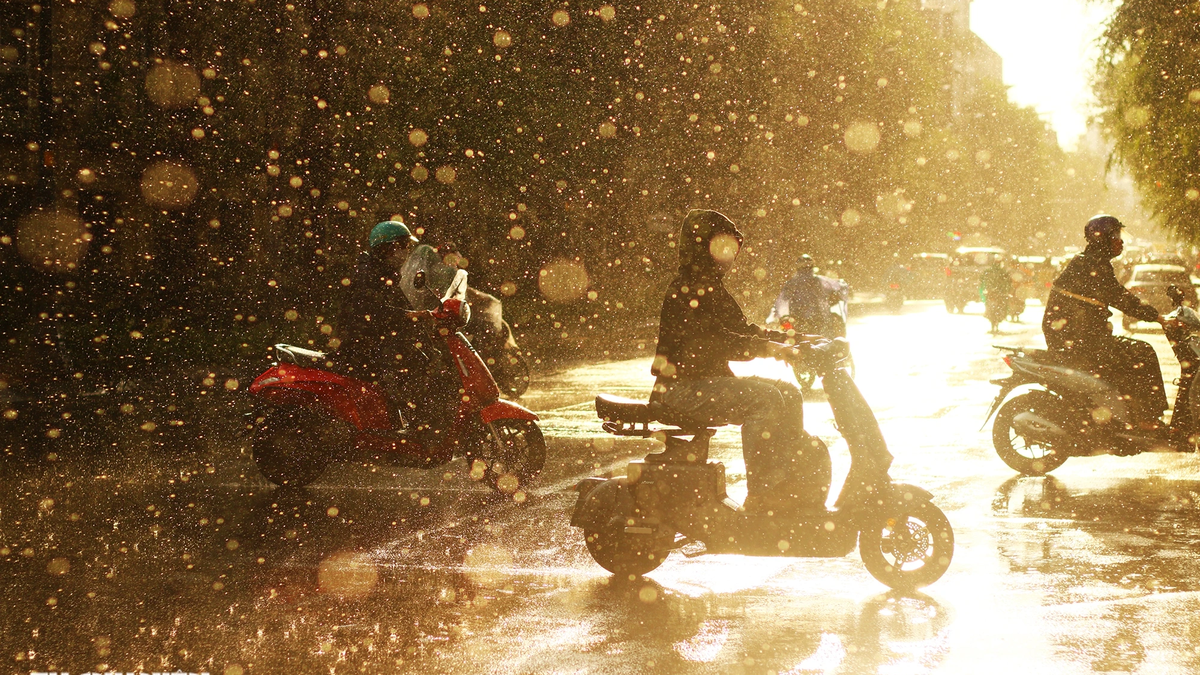
![[Image] Hanoi's urban life under the challenge of a "scorching hot" environment](https://vphoto.vietnam.vn/thumb/1200x675/vietnam/resource/IMAGE/2026/05/25/1779706979265_nang-nong-t5-2026-minh-duy-7-4636-jpg.webp)


![[Image] Close-up view of the interchange connecting the two expressways and Long Thanh Airport.](https://vphoto.vietnam.vn/thumb/1200x675/vietnam/resource/IMAGE/2026/05/25/1779703378210_ndo_br_z7863716673926-224453a31600126cce10622af6290afd-4549-jpg.webp)







































































Comment (0)