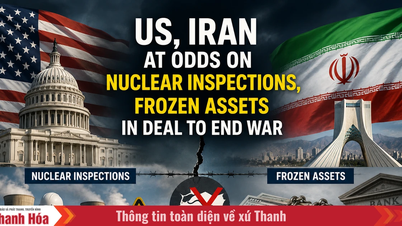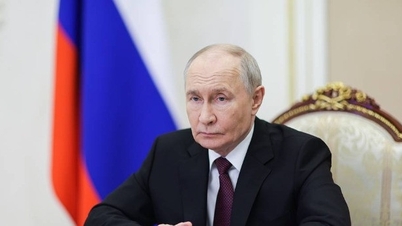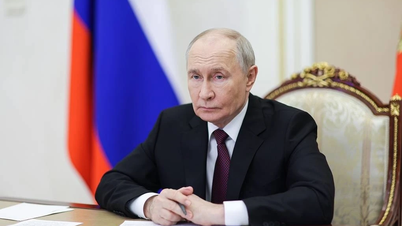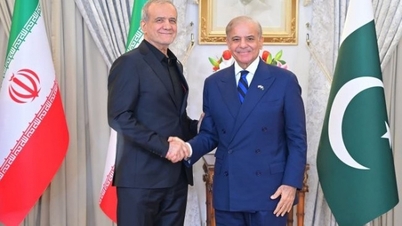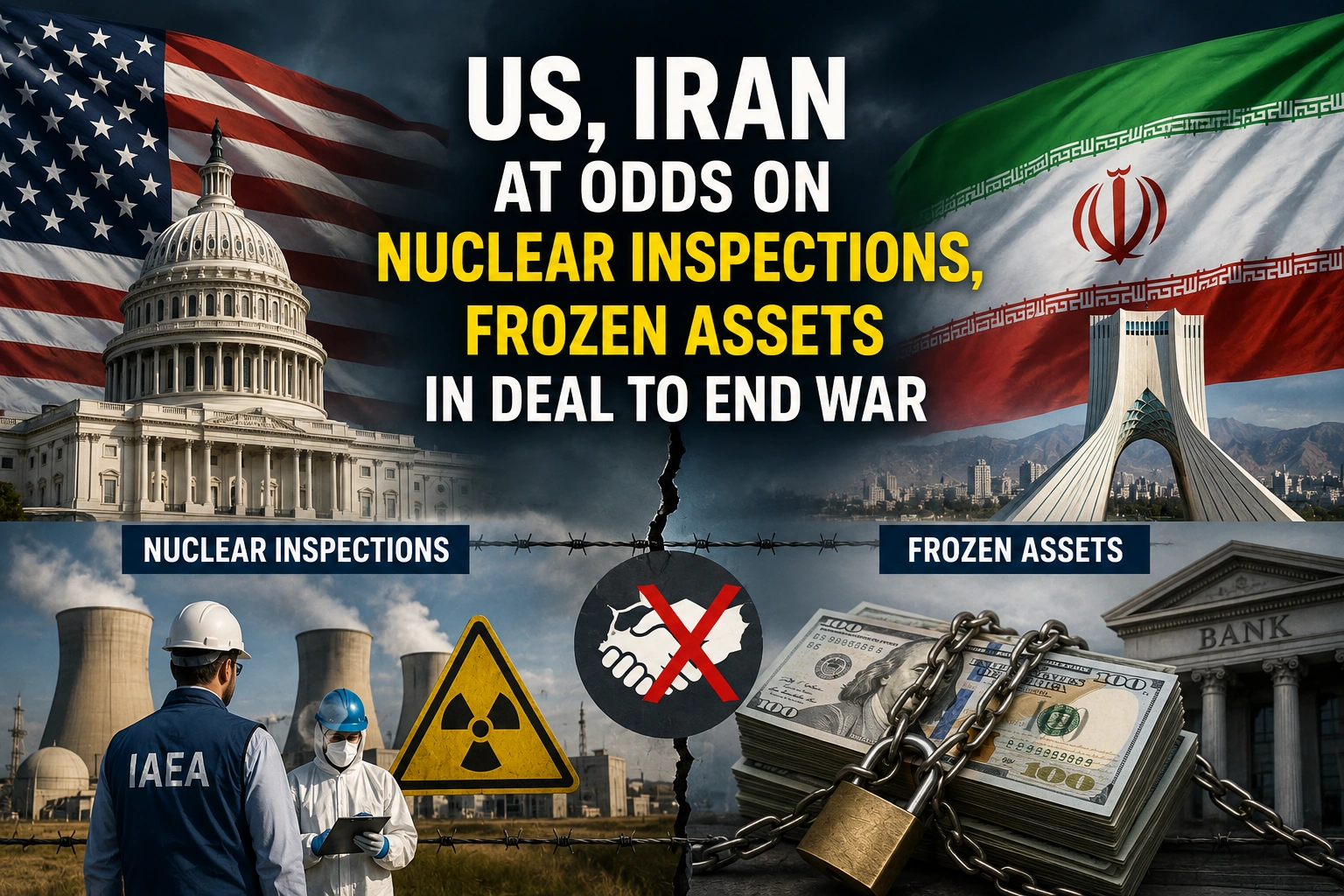
The US-Iran negotiations are at a standstill on key terms. (Illustrative image.)
The most intense disagreements arose around the issues of nuclear inspections and access to frozen funds. Regarding nuclear matters, US President Donald Trump announced that Iran had agreed to allow international inspectors access to and inspection of its nuclear facilities “indefinitely.”
However, Iran immediately rejected this, asserting that the two sides had never discussed the nuclear program at the Swiss talks and refusing to grant the United Nations access to the damaged sites.
Regarding frozen assets, Washington demands that the released funds be used to purchase food and medical supplies from the United States. Conversely, Iran's ambassador to UN organizations in Geneva asserts that Tehran has full discretion to decide how to spend these funds.
Regarding the Strait of Hormuz, although the US has stated it will not allow Iran to collect fees from ships in this vital shipping lane, Iran and Oman have issued a joint statement emphasizing their " sovereign rights" and a plan to coordinate traffic management and related costs after the 60-day period of free navigation ends. Currently, the International Maritime Organization (IMO) is coordinating the opening of a temporary corridor to evacuate approximately 11,000 crew members and cargo ships stranded there.



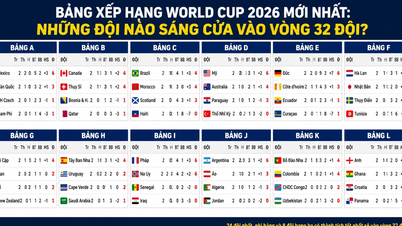
Despite heated arguments, President Trump maintained that negotiations were progressing well. As a gesture of goodwill, the US also eased travel restrictions for Iran's World Cup soccer team ahead of their match in Seattle.
However, within the United States, pressure on the administration is mounting. On June 23, the U.S. Senate passed a symbolic joint resolution on war powers to end U.S. hostilities in Iran, thereby signaling, along with the House of Representatives, growing congressional opposition to the war that broke out on February 28.

The US Senate has for the first time passed a resolution on war powers related to Iran. Photo: The Economic Times.
Beyond the debates over authority between Congress and the President, the vote also reflected growing concerns within the U.S. Congress about the economic impact of the conflict.
Many lawmakers argue that the prolonged tensions have impacted international trade routes, driven up energy prices, and added further pressure on the American people, with inflation remaining a major concern for voters ahead of the midterm elections in November.


Thanh Giang
 The US and Iran concluded their first round of high-level talks, agreeing on a roadmap to reach an agreement...
According to a joint statement released by Qatar and Pakistan, the two mediating parties, the first round of high-level talks under the US-Iran Memorandum of Understanding has concluded in Bürgenstock, Switzerland.
Source: https://baothanhhoa.vn/my-iran-bat-dong-dieu-khoan-then-chot-292112.htm

![[Photo] Prime Minister Le Minh Hung presides over the thematic session on promoting science and technology development and innovation.](https://vphoto.vietnam.vn/thumb/1200x675/vietnam/resource/IMAGE/2026/06/23/1782207872934_ndo_br_dsc-1724-jpg.webp)