

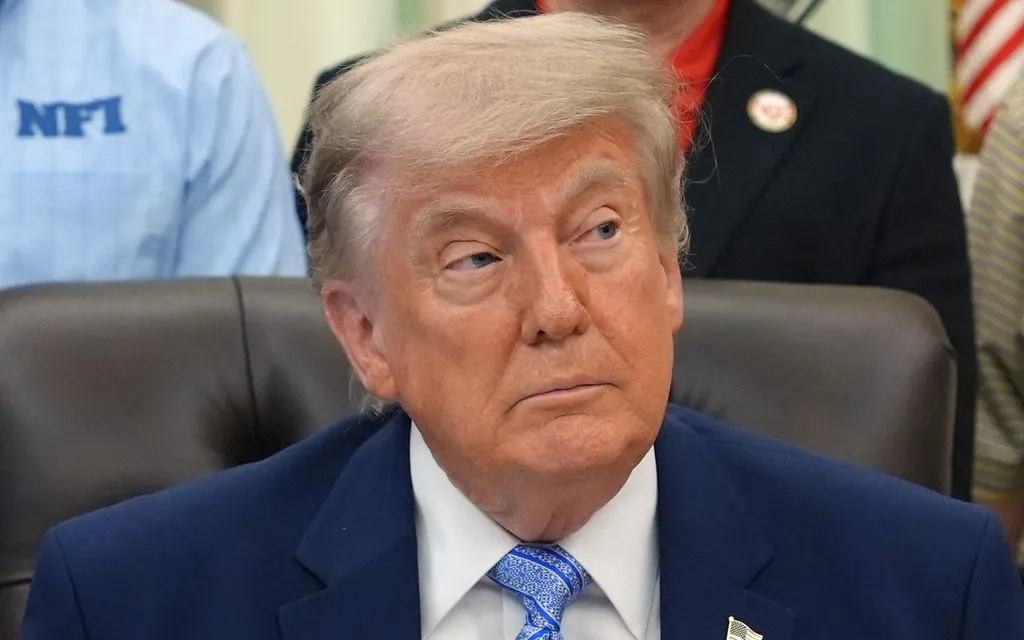
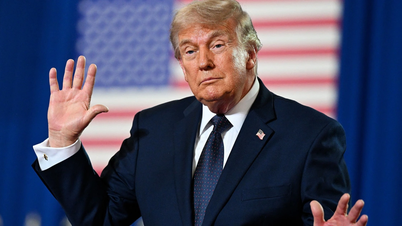
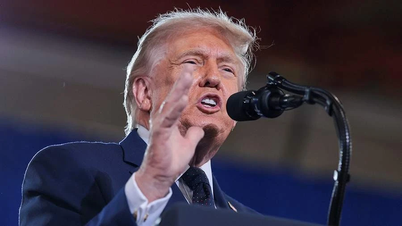
U.S. President Donald Trump at the White House in Washington on May 21, 2026. (Photo: AP)
The US and Iran remain at odds over Tehran's enriched uranium stockpile and control of the Strait of Hormuz, a strategic waterway connecting the Persian Gulf to the Arabian Sea. However, both sides have noted some signs of progress in the negotiations.
On May 21, US President Donald Trump announced that the United States would eventually recover Iran's stockpile of highly enriched uranium. Washington claims this uranium could be used to develop nuclear weapons, while Tehran maintains its nuclear program is for peaceful purposes only.
"We're going to take it back. We don't need it, we don't want it. We might destroy it after we get it, but we're not going to let them keep it," President Donald Trump said at the White House.
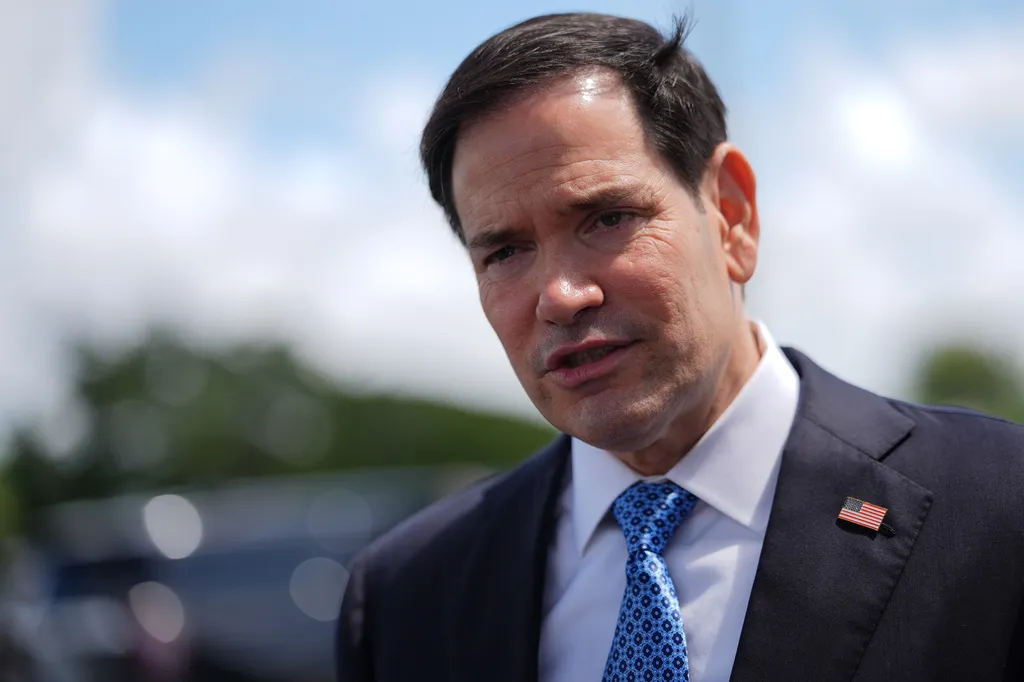
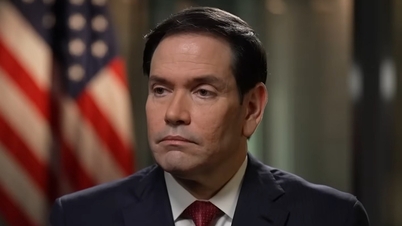
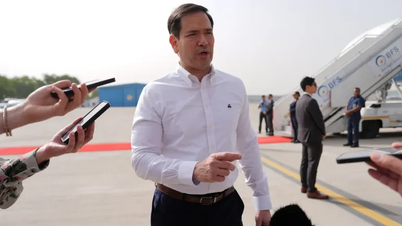
US Secretary of State Marco Rubio. (Photo: AP)
US Secretary of State Marco Rubio said a diplomatic solution would be difficult if Tehran imposed a fee on ships passing through the Strait of Hormuz. However, Rubio said the talks had shown "some good signs," but stressed he did not want to appear overly optimistic.
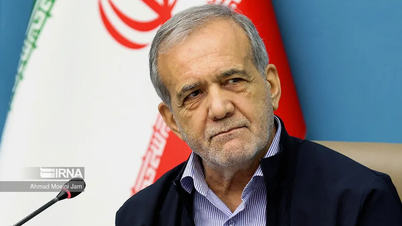
A senior Iranian source told Reuters that no agreement had been reached, but the gap between the two sides had narrowed. According to the source, Iran's uranium enrichment and control of the Strait of Hormuz remain the main sticking points.
Before the conflict, about one-fifth of the world 's oil and natural gas passed through the Strait of Hormuz. President Donald Trump asserted that Washington wanted this shipping lane open and free of charge, claiming it was an international sea route.
Tensions in the region continue to impact energy markets. The International Energy Agency (IEA), a global energy policy watchdog and advisor, warned that high summer fuel demand coupled with limited new supplies from the Middle East could push the market into risk territory in July and August.
According to Iran's IRNA news agency, 31 ships have passed through the Strait of Hormuz in the past 24 hours with the coordination of the Iranian navy. Tehran says it wants to reopen the route to friendly countries that accept Iran's conditions, which may include transit fees.
Meanwhile, President Donald Trump said he was ready to resume attacks on Iran if he did not receive a "suitable response" from Tehran's leadership. Iran's Islamic Revolutionary Guard Corps warned that new attacks would trigger retaliation beyond the region.
Source: https://vtv.vn/my-iran-van-bat-dong-ve-mot-so-van-de-100260522134435947.htm




















































































Comment (0)