

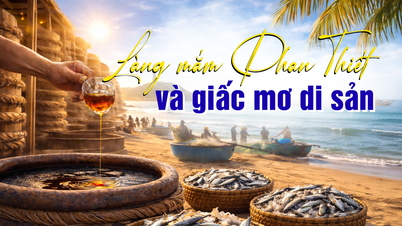
In recent days, the news that the Vietnam Fish Sauce Association will collaborate with the Vietnam Culinary Culture Association to research and develop a dossier to submit to the Government for recognition of fish sauce making as an intangible cultural heritage of Vietnam has brought joy to those involved in the long-standing traditional fish sauce making profession in Binh Thuan in particular and the whole country in general. This is because Vietnamese fish sauce has a long history and unique cultural values.
Fragrant and delicious, every drop is perfect.
It can be said that fish sauce has become the "national soul and essence" of the Vietnamese people, as a bowl of fish sauce is always present on the dinner table of Vietnamese families or in restaurants and eateries from North to South. Many people even bring small bottles of fish sauce with them when traveling , as if it were an ingrained habit.
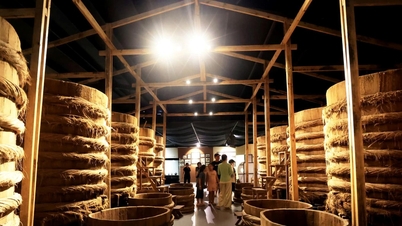
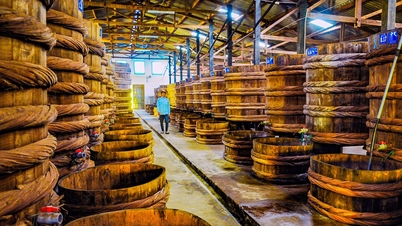
With a history spanning over 300 years, fish sauce making in Phan Thiet has become a traditional craft. When it comes to Binh Thuan fish sauce, not only people in Vietnam but also foreigners know of its uniquely delicious and rich flavor. Thanks to the thriving fish sauce making industry, the lives of fishermen in Binh Thuan have gradually improved in recent years. Although seemingly simple, requiring only fish and salt, producing delicious fish sauce demands a wealth of experience and unique, traditional techniques from the producers.
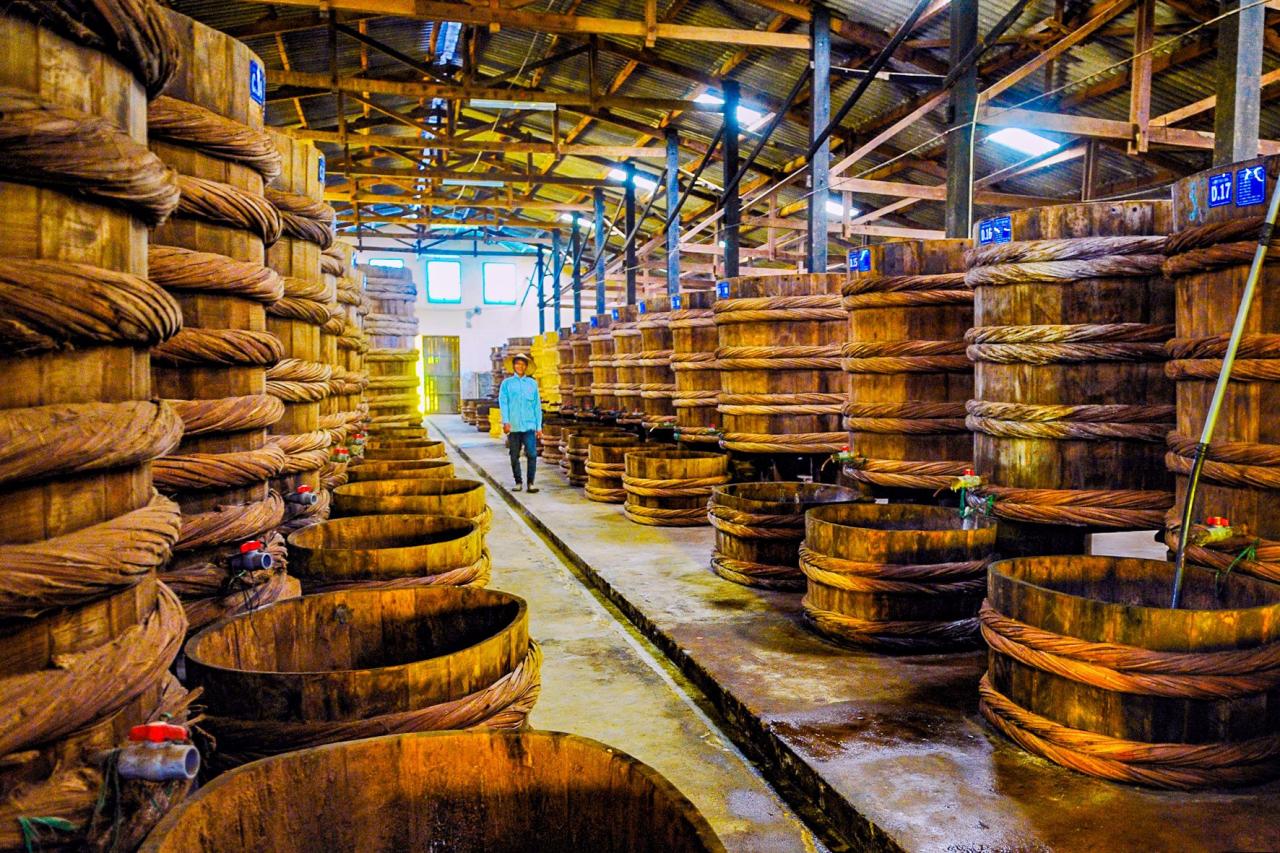
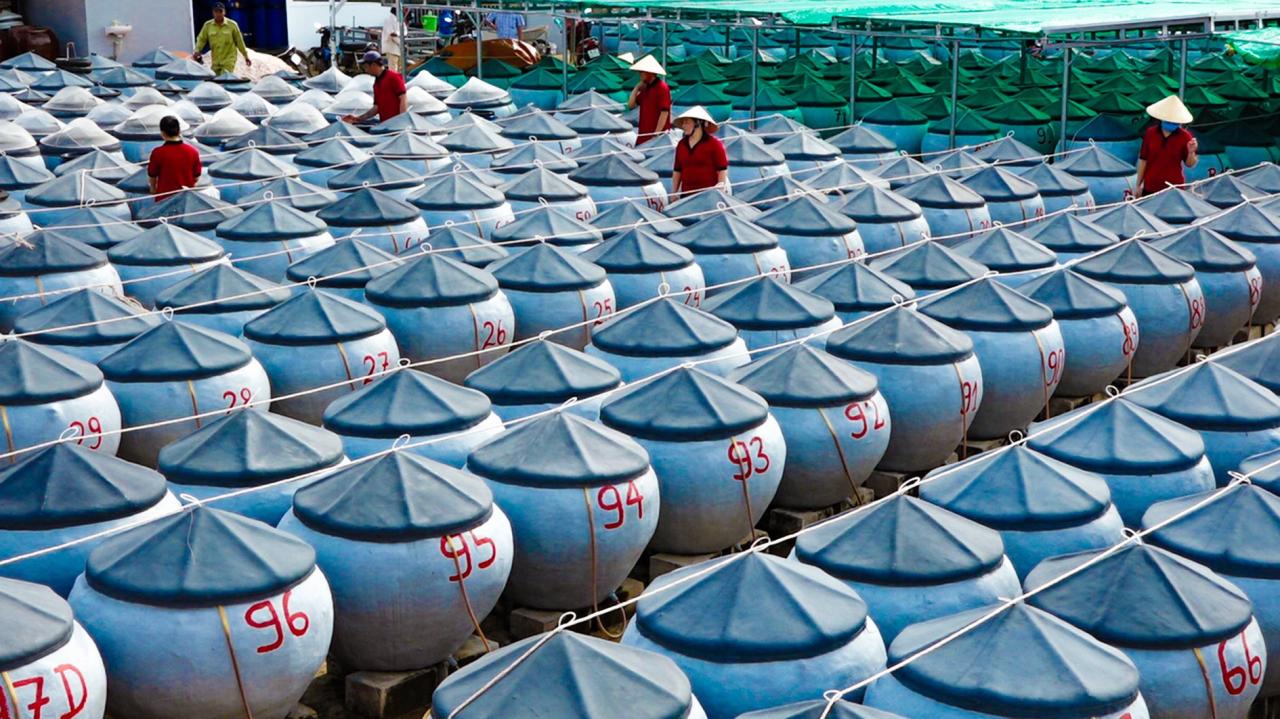
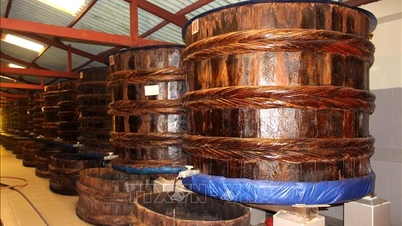
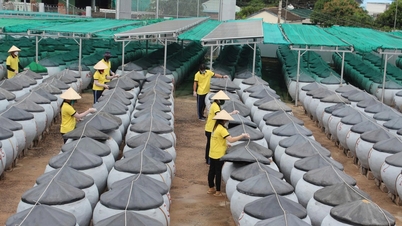
Phan Thiet fish sauce is primarily made from anchovies. There are many types of anchovies, such as striped anchovies, black anchovies, red anchovies, spotted anchovies, chalk-striped anchovies, lead-striped anchovies, and small anchovies... but the best are black anchovies and striped anchovies. Anchovies are abundant from April to August in the lunar calendar, which is also the time when fish sauce producers import raw materials for fermentation. However, many experienced fish sauce makers say that the quality of the fish sauce also depends on the time of year the fish are caught, especially August anchovies, which are usually fatter and tastier, resulting in fish sauce with the highest aroma and protein content. The anchovies are carefully selected after being caught, then mixed with salt in a ratio of 3 parts fish to 1 part salt. Next, the fish sauce makers ferment the fish sauce in earthenware jars and dry it outdoors. Perhaps it is the intense sunshine of Phan Thiet that gives the fish sauce its rich and delicious flavor, making it famous for over a hundred years.
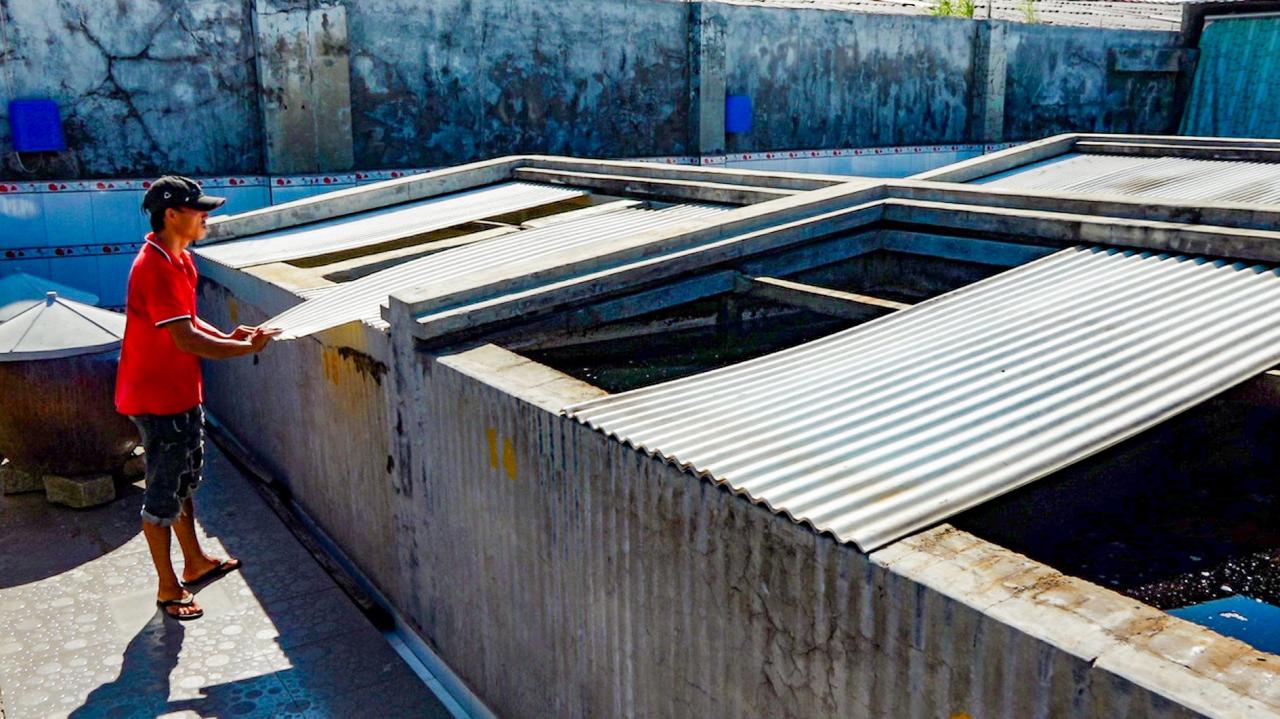
Mr. Nguyen Huu Dung – Director of Ba Hai Fish Sauce Company Limited (Phu Hai Ward) said: “After a fermentation period of 9 months to 1 year with many different stages, the fish sauce is now mature, clear, and ranges in color from straw yellow to reddish-brown (depending on the batch of fish). It no longer has a fishy smell but a characteristic aroma. The first extract, called 'nuoc mam nhi', is entirely from the hydrolyzed fish body. After extracting the first extract, water is added to extract the second extract, called 'nuoc mam ngang'. Each extraction reduces the protein content, so to have a product with consistent protein content for the market, different types of fish sauce with varying protein levels must be blended. This is a common method of making fish sauce in Phan Thiet, especially in traditional fish sauce production facilities.”
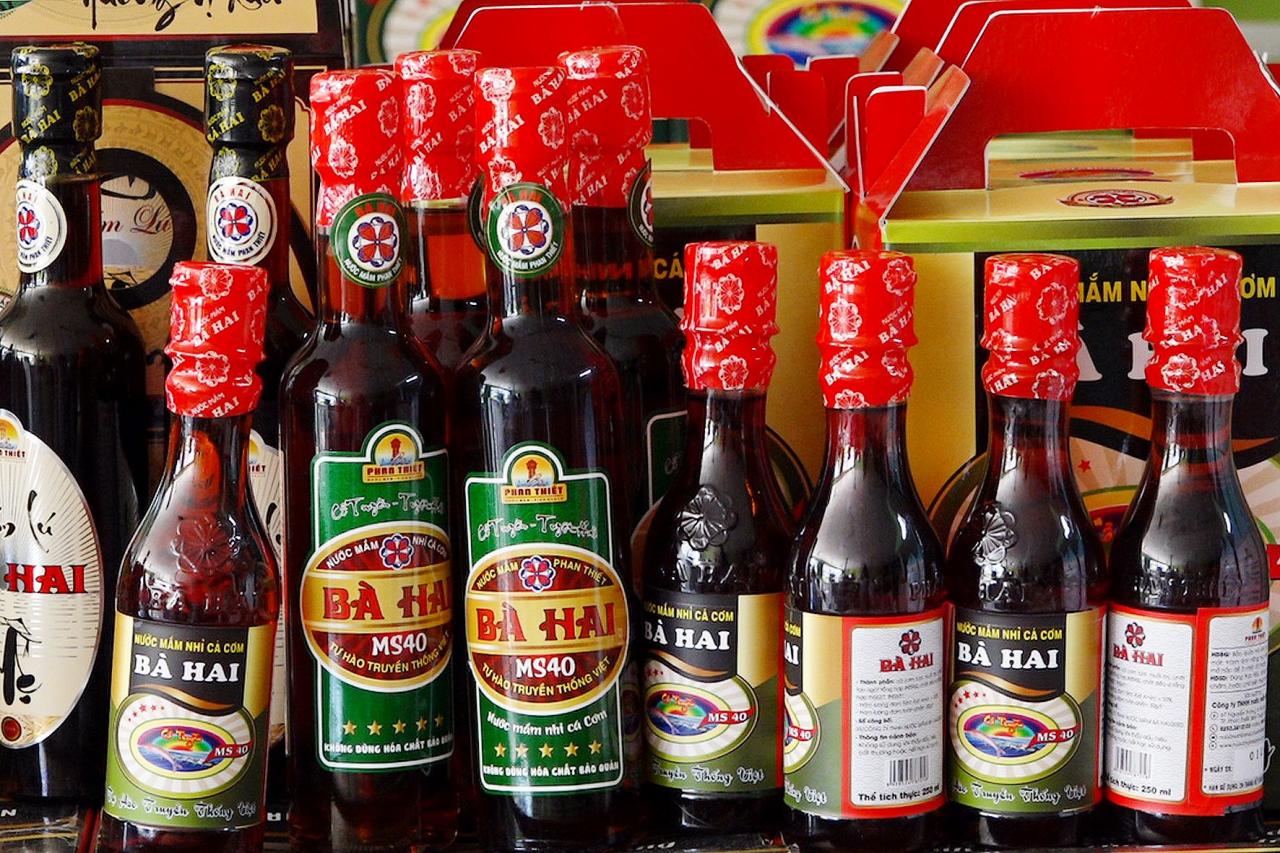
After all the ups and downs…
Many people say the fish sauce market is a "gold mine" if exploited correctly. However, in reality, traditional fish sauce production facilities and villages are currently quite small-scale and fragmented, lacking a systematic investment strategy for large-scale production and market dominance. They are mainly self-sufficient, family-run businesses that gradually develop into larger factories.
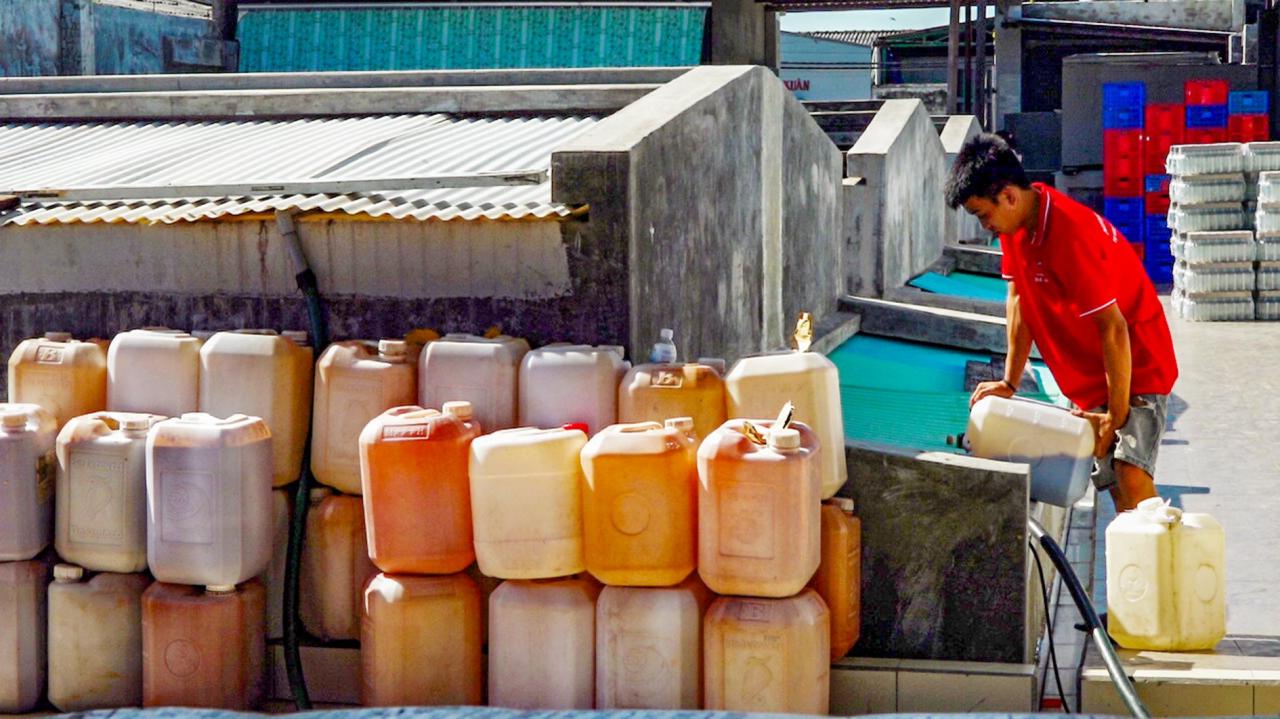
Mr. Truong Quang Hien, Chairman of the Phan Thiet Fish Sauce Association, stated: Having gone through many ups and downs, especially the competition from the "big players" in the industrial fish sauce industry, the traditional fish sauce making craft in Phan Thiet is gradually declining, and the number of traditional fish sauce processing facilities is decreasing. Some facilities only focus on processing for other businesses or selling raw fish sauce, leading to the disappearance of the Phan Thiet fish sauce brand from the market. Currently, Phan Thiet City has over 100 traditional fish sauce processing facilities, of which the Phan Thiet Fish Sauce Association has 44 members with an average production scale of about 20,000 tons, equivalent to 20 million liters per year. However, some facilities, inheriting family brands, markets, and traditions, have maintained and developed their businesses, but not to a very strong extent. They have fairly well-structured plans and strategies, but their scale remains small, lacking significant investment in production and market development.

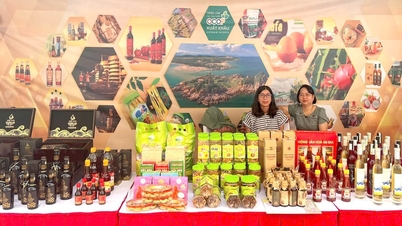
Mr. Dung further shared: “My family has a tradition of making fish sauce for over 50 years, but mostly on a small scale. Since 2003, continuing my mother's profession, I took over the production workshop and gradually developed and expanded the market. After much effort, Ba Hai fish sauce has been recognized as a 4-star OCOP product and is trusted by many people. However, for Phan Thiet fish sauce to reach further, production facilities need more support from relevant departments and agencies regarding capital, legal framework, trade promotion, production lines, etc., so that bottles of fish sauce reaching consumers truly reflect the essence of Phan Thiet.”
In recent years, many Phan Thiet fish sauce brands have become familiar to consumers nationwide and have been recognized as typical rural industrial products. However, the export of fish sauce remains very modest. Explaining the reasons, many businesses said: The domestic market still lacks sufficient supply, and prices are unstable, so businesses are not really interested in exporting fish sauce abroad due to the many strict procedures and criteria. Therefore, in the coming time, the Department of Industry and Trade will focus on promoting and supporting the export of fish sauce to potential and easily accessible markets such as Laos and Cambodia, followed by markets with large Vietnamese expatriate communities.
Associate Professor Tran Dang, Chairman of the Vietnam Fish Sauce Association, once stated that Vietnam has six famous fish sauce producing regions: Cat Hai (Hai Phong), Ba Lang (Thanh Hoa), Da Nang , Nha Trang, Phan Thiet, and Phu Quoc, with dozens of brands. The market potential is enormous; in addition to the 100 million people in Vietnam, there are millions of Vietnamese people living abroad, and an increasing number of foreign consumers are showing interest in Vietnamese fish sauce.
Source








































































Comment (0)