

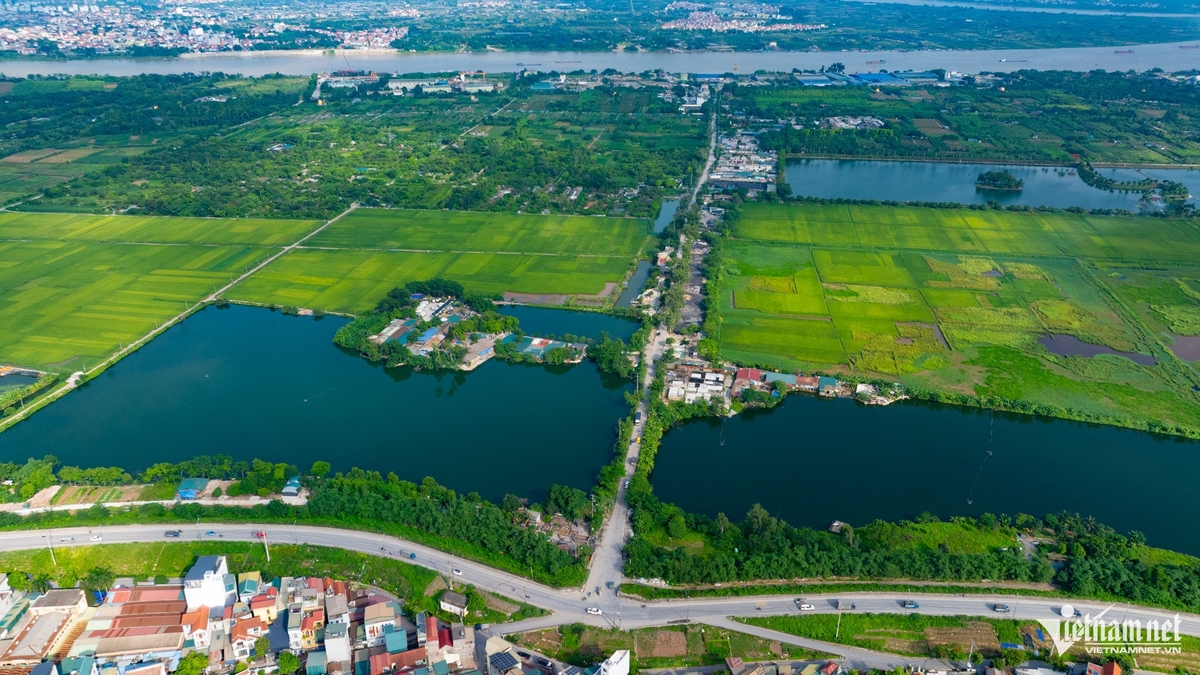
In order to fully identify this potential and propose solutions to promote it in the new context, the task "Research and promotion of the human values and resources of the Red River Delta region to serve national development in the new period" is being implemented within the national social sciences and humanities program.
This is a large-scale study aimed at building a scientific basis for the effective exploitation of human resources, making a practical contribution to the sustainable development strategy of the region and the entire country.
As part of the Program's 19 key tasks, this research aims to build a comprehensive scientific foundation to clarify the core elements that constitute the humanistic identity of the Red River Delta. The research covers seven major areas, ranging from theoretical analysis of the region's humanistic values and resources; identifying the socio-cultural characteristics of the Red River Delta; assessing the current state of resource utilization; to proposing a system of viewpoints, policies, and solutions to ensure the effective utilization of humanistic values in sustainable development.
Notably, the research team not only focused on theory but also conducted practical research in many localities, comparing and drawing lessons from models for promoting human resources in other regions across the country. Through this, the project aims to develop a set of criteria for evaluating the value and human resources of the Red River Delta, suitable for the context of integration, digital transformation, and the orientation of economic and cultural development in the new era.
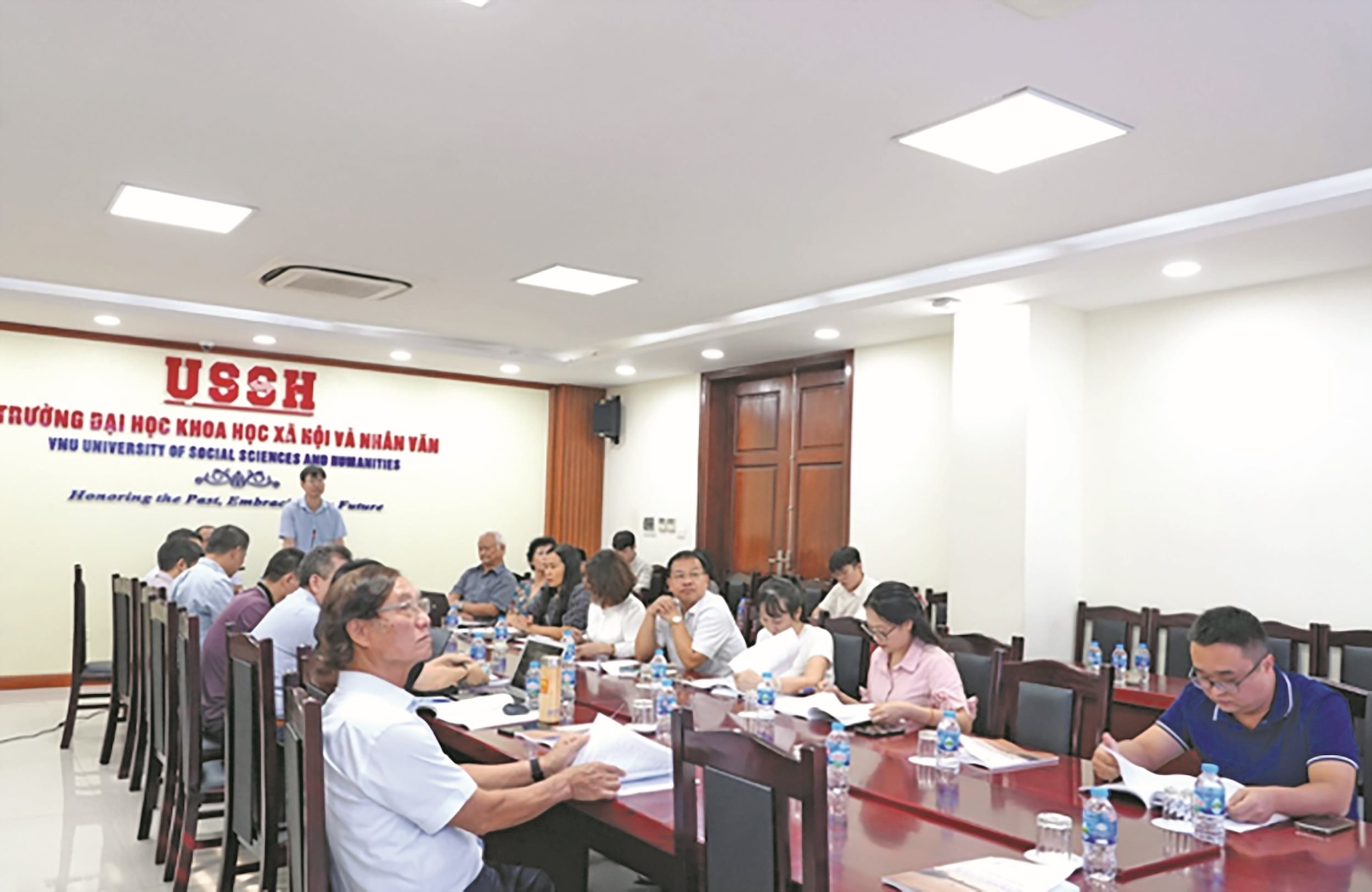
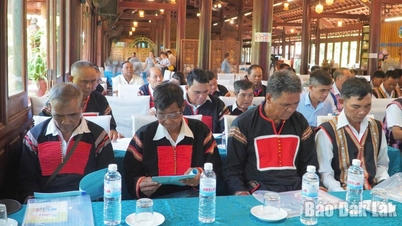
At a recent scientific conference, researchers contributed important ideas to refine the analytical framework and content of the topic, such as: focusing on clarifying the theoretical structure and research approach; analyzing fundamental concepts such as value, value system, resources, sustainable development, and cultural industry; the role of human resources in the Red River Delta in the country's current development; and proposing a set of criteria for identifying human values in the Red River Delta region in the new context.
The scientific output of the project includes 5 scientific articles, 1 monograph, 3 postgraduate theses, along with a system of comprehensive reports, abstracts, and policy recommendations reports. With these results, the project is expected to make a significant contribution to the planning of socio-cultural development policies in the Red River Delta, while also opening up a new approach to leveraging human resources for the sustainable development of the country.
Source: https://daibieunhandan.vn/nen-tang-cho-chien-luoc-phat-trien-quoc-gia-10397607.html


















![[GALLERY] The super-cheap Claude AI API turns out to be selling user data.](https://vphoto.vietnam.vn/thumb/402x226/vietnam/resource/IMAGE/2026/05/25/1779691077049_cl-6-png.webp)


































































Comment (0)