

Ukrainian territory was heavily attacked.
The Kyiv Independent reported on November 18, citing local Ukrainian officials, that Russian attacks during the day resulted in numerous casualties. In the northern province of Sumy, multiple attacks overnight killed 11 people and injured 89.
Point of conflict: US allows Ukraine to launch deep attacks into Russian territory, is the conflict about to escalate?
The Ukrainian Air Force said it shot down eight of eleven unmanned aerial vehicles (UAVs) launched by Russia. Moscow also attacked Sumy with two Iskander-M ballistic missiles and one Kh-59 cruise missile.
In the southern city of Odessa, a ballistic missile attack killed 10 people and injured 43 others. Among the victims were several police officers.
Russia has not commented on these reports.
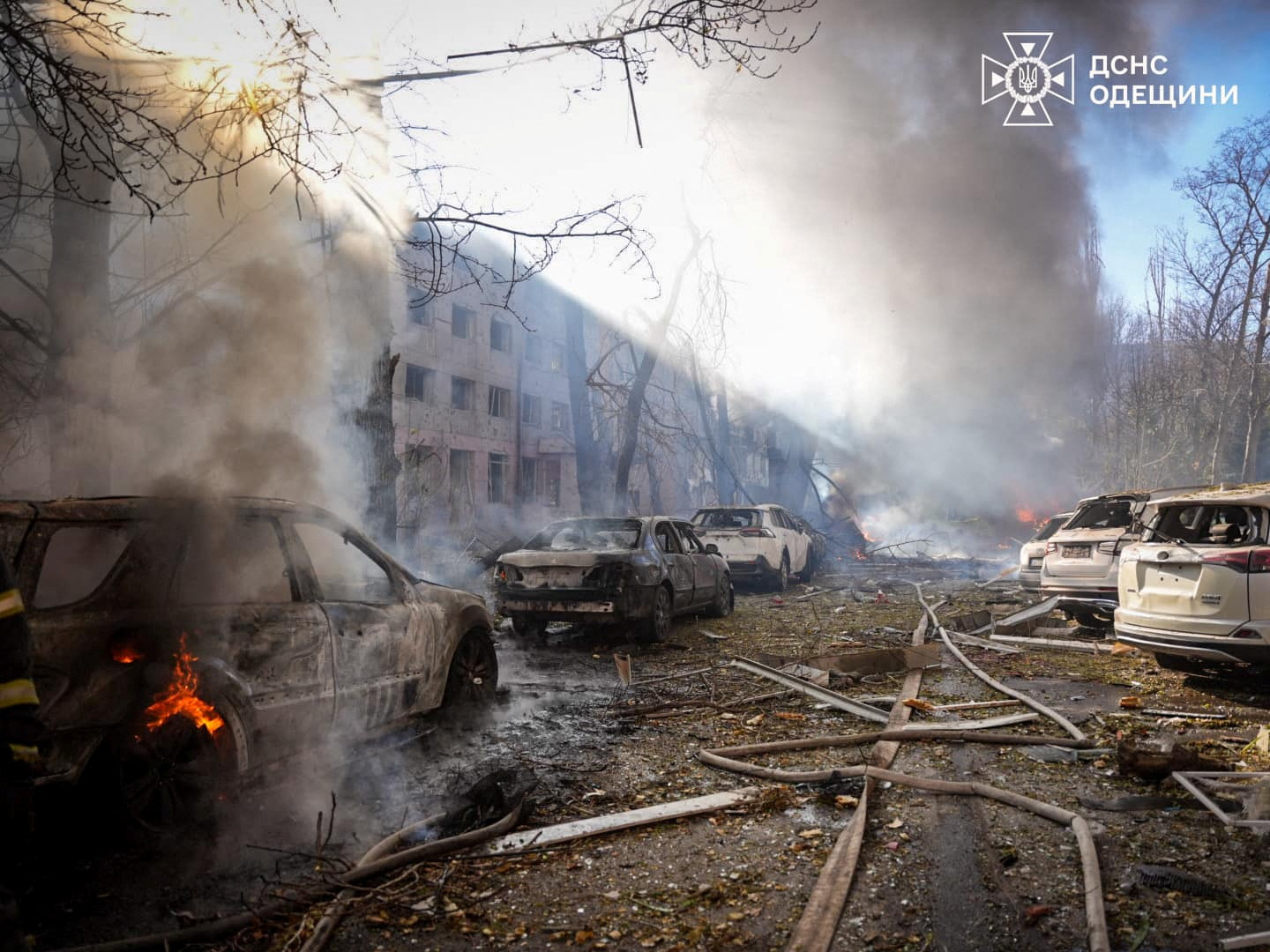
Scene of the attack in Odessa on November 18.
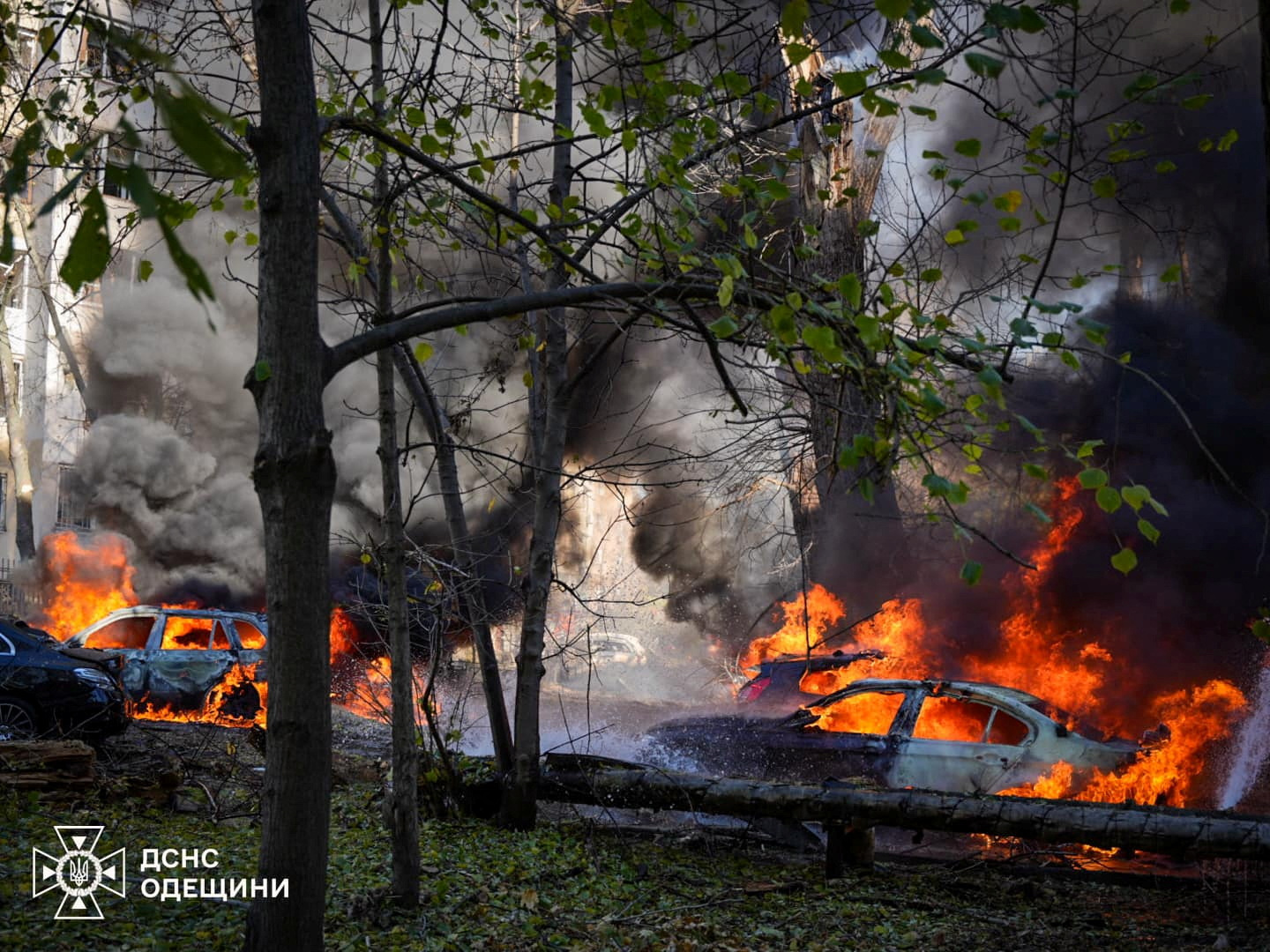
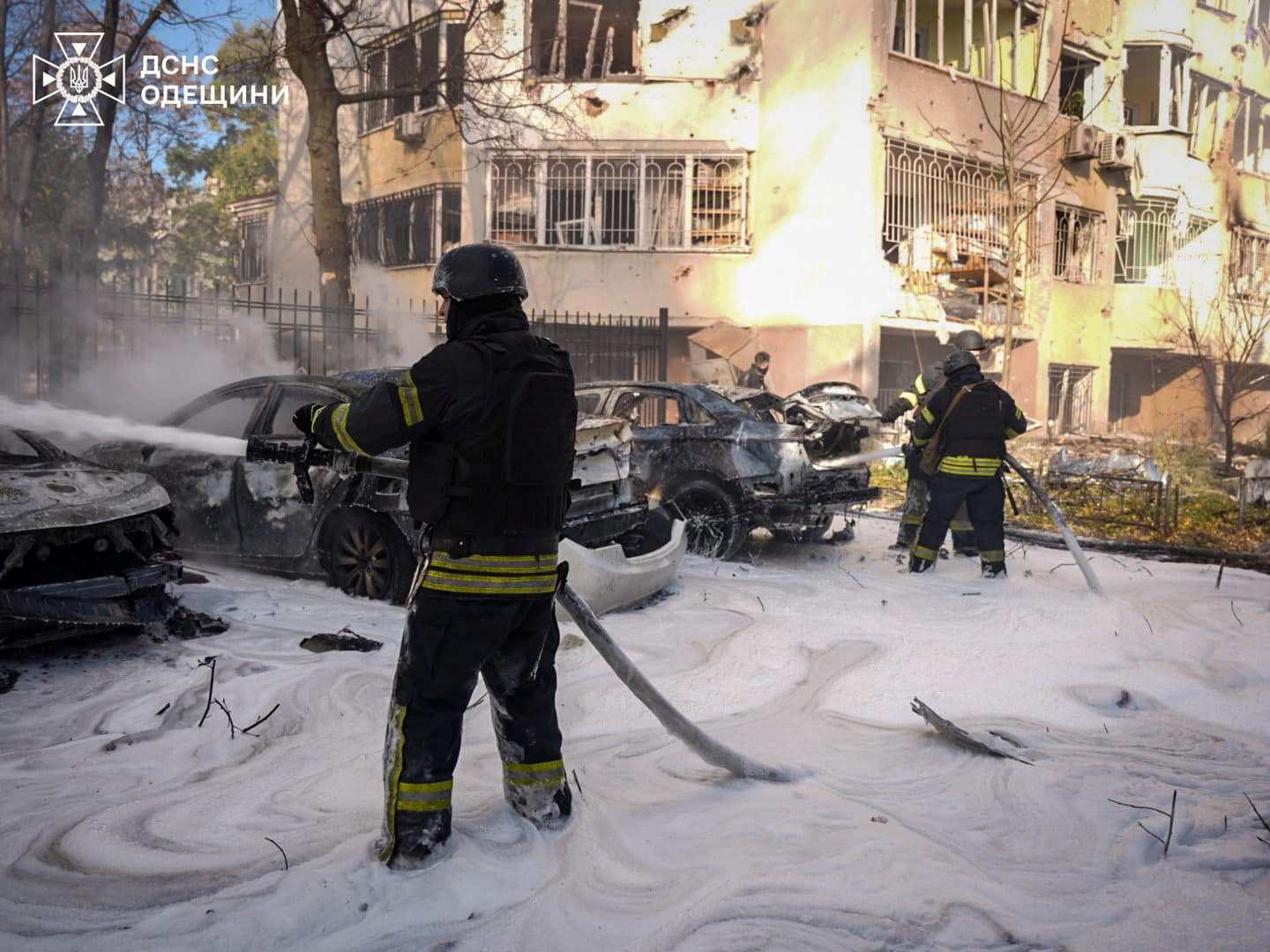
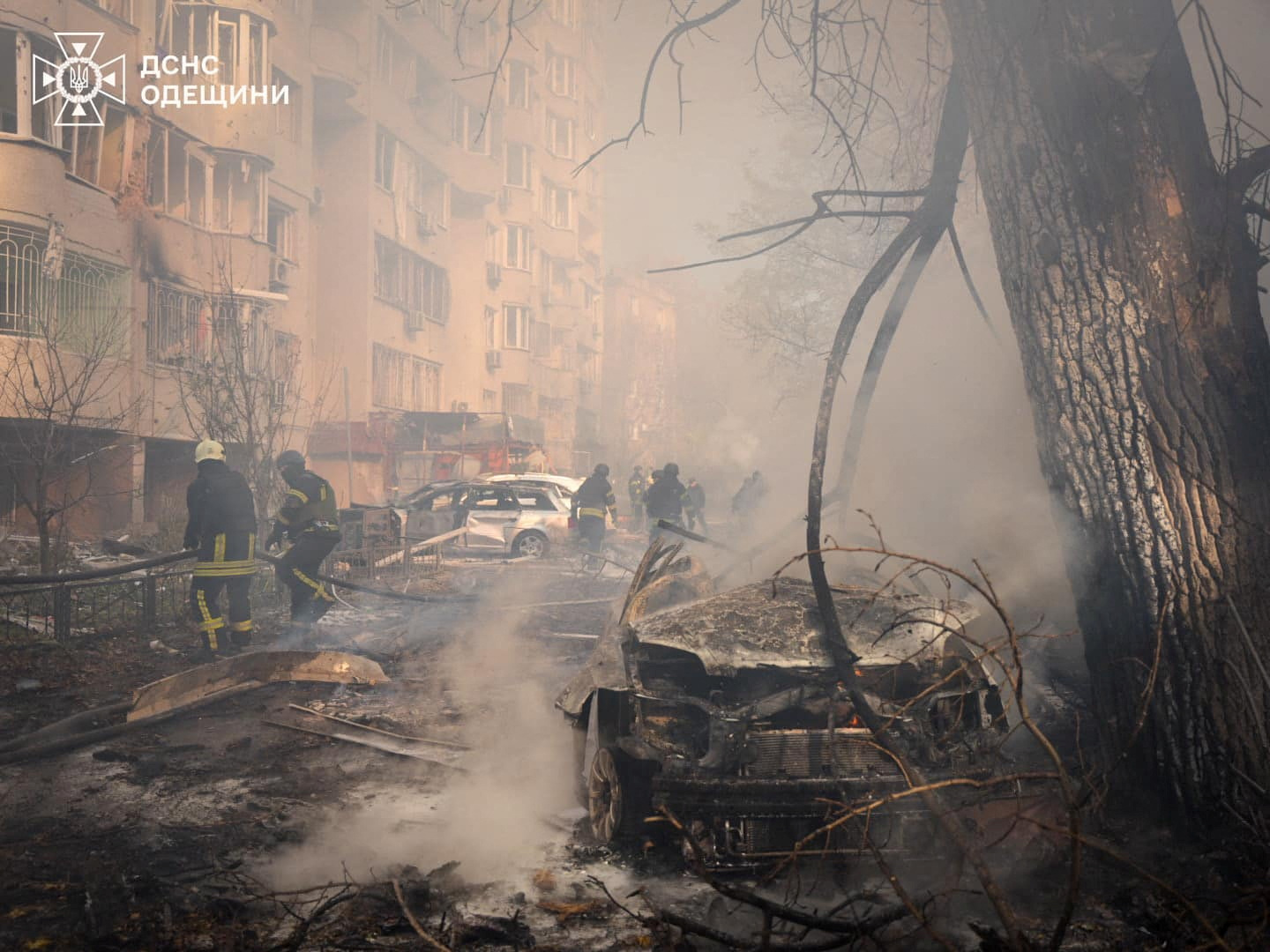
Scene of the attack in Odessa on November 18.
Russia rejects ceasefire proposal.
Bloomberg reported that Turkish President Recep Tayyip Erdogan proposed a peace plan for Ukraine at the G20 summit in Brazil. This plan included Ukraine not joining NATO for at least 10 years, freezing the current front line, providing weapons to Ukraine, and deploying international forces to the demilitarized zone in Donbass (the eastern Ukrainian region comprising the Donetsk and Luhansk provinces).
Commenting on this information, Kremlin spokesman Dmitry Peskov said that freezing hostilities was “unacceptable.” “Any option involving freezing the conflict along the front line is unacceptable to Russia. The conditions set by President (Vladimir) Putin in June remain perfectly valid. That is what is necessary to end military actions,” TASS quoted Peskov as saying.
President Zelensky: Trump will help end the Ukraine conflict sooner.
In June, Putin set conditions for resolving the situation in Ukraine. These included Ukraine withdrawing its troops from Donbass and abandoning its plans to join NATO. Moscow also demanded that the West lift all sanctions against Russia and guarantee Ukraine's neutrality and denuclearization.
Russia's statement came as the conflict entered its 1,000th day on November 19, with Russian forces reportedly controlling nearly one-fifth of Ukrainian territory. In February, Ukraine lost the eastern town of Avdiivka. In August, it sent troops into Russia's Kursk province while Moscow's forces continued to advance in the east. On November 18, the Russian Ministry of Defense announced that its forces had captured the village of Novooleksiivka, about 15 km from the strategic town of Pokrovsk in Donetsk.
Ukrainian President Volodymyr Zelensky announced on the same day that he had visited the frontline town of Pokrovsk, describing the situation there as "challenging and tense." A video released showed Zelensky visiting soldiers in the town, where Russian forces are only about 8 kilometers away.
A few hours later, he announced he was in the city of Kupiansk in Kharkiv province, another frontline city.
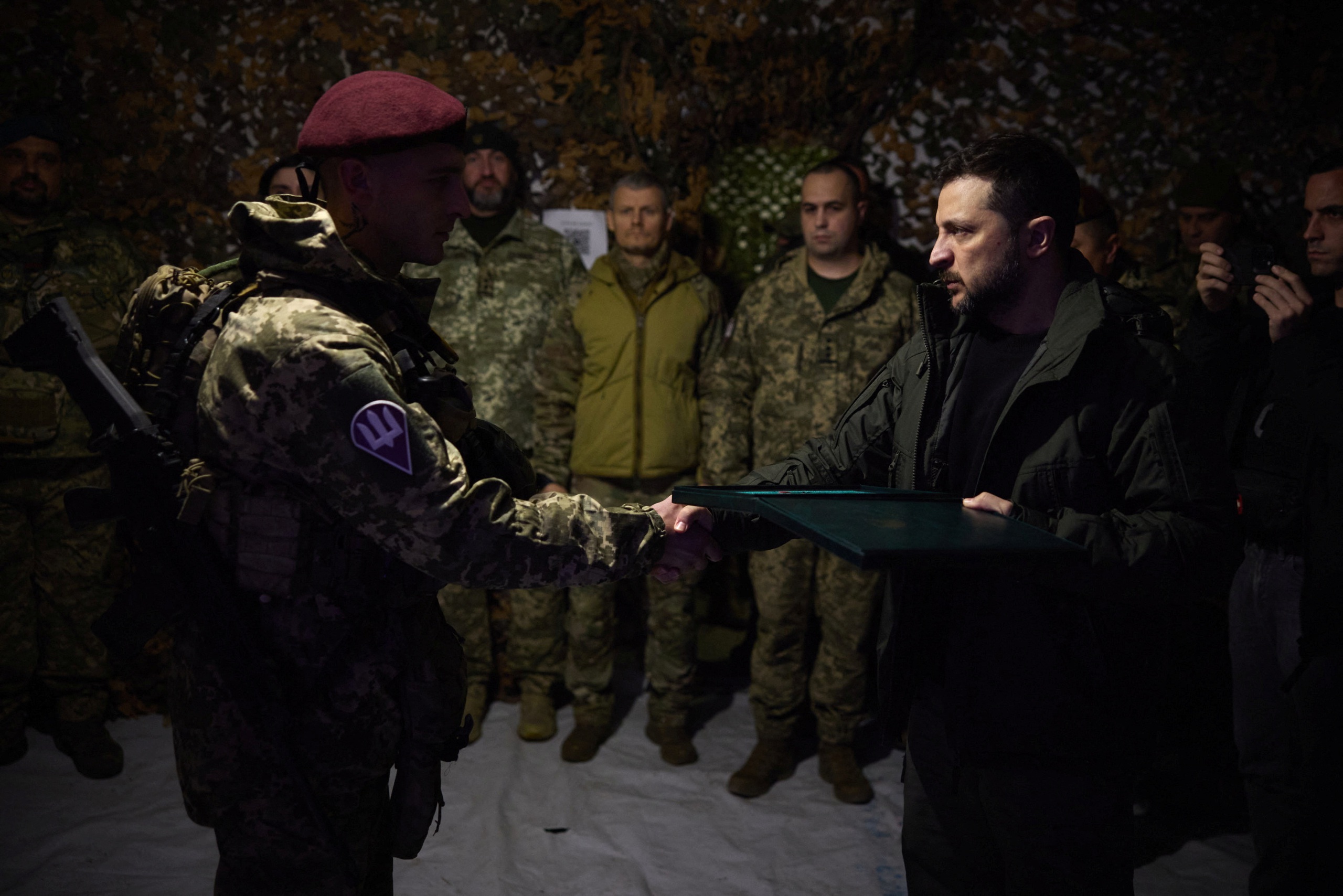
Ukrainian President Volodymyr Zelensky visits soldiers in Pokrovsk.
The parties reacted to the information that Ukraine was subjected to long-range attacks.
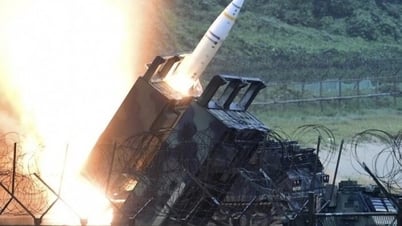
US media outlets are reporting that the administration of President Joe Biden has authorized Ukraine to use ATACMS long-range missiles to attack Russian territory, while the White House has not confirmed this.
The action is believed to be a response to reports that North Korean soldiers are fighting alongside Russia against Ukraine, a claim that Russia has not yet confirmed.
Speaking about the information late on November 17, President Zelensky said that providing Ukraine with long-range strike capabilities was one of the main points of the victory plan he had presented to his partners. “Today, the media has talked a lot about the fact that we have been approved to take related actions. But attacks are not carried out with words. Those things are not announced. The missiles will speak for themselves,” he wrote on X.
He may be short of Storm Shadow missiles to supply Ukraine.
Commenting on the information, the Kremlin spokesperson called it a “reckless, dangerous decision” aimed at altering the quality and increasing the level of US involvement in the conflict. Peskov reiterated President Putin's statement from September that such a move would mean NATO, the US, and Europe would be directly involved in the Ukraine conflict because Kyiv needs the support of NATO troops and military infrastructure to target and launch missiles.
"It is clear that the outgoing administration in Washington intends to take steps to further fuel the fire and continue to provoke tensions surrounding this conflict," Peskov said.
America's European allies have offered cautious opinions. French Foreign Minister Jean-Noel Barrot said Paris remains open to allowing Kyiv to use French long-range missiles to strike military targets within Russian territory, according to AFP.
Polish President Andrzej Duda said the US decision, if true, would be "very necessary, very important and possibly a decisive moment" for the conflict, according to Reuters.
The German government has again stated that it will not change its long-standing position of not supplying long-range missiles to Ukraine. Hungarian Foreign Minister Peter Szijjarto said that it would be extremely dangerous for a NATO member to allow Ukraine to launch the alliance's long-range missiles at Russia.






























































































Comment (0)