

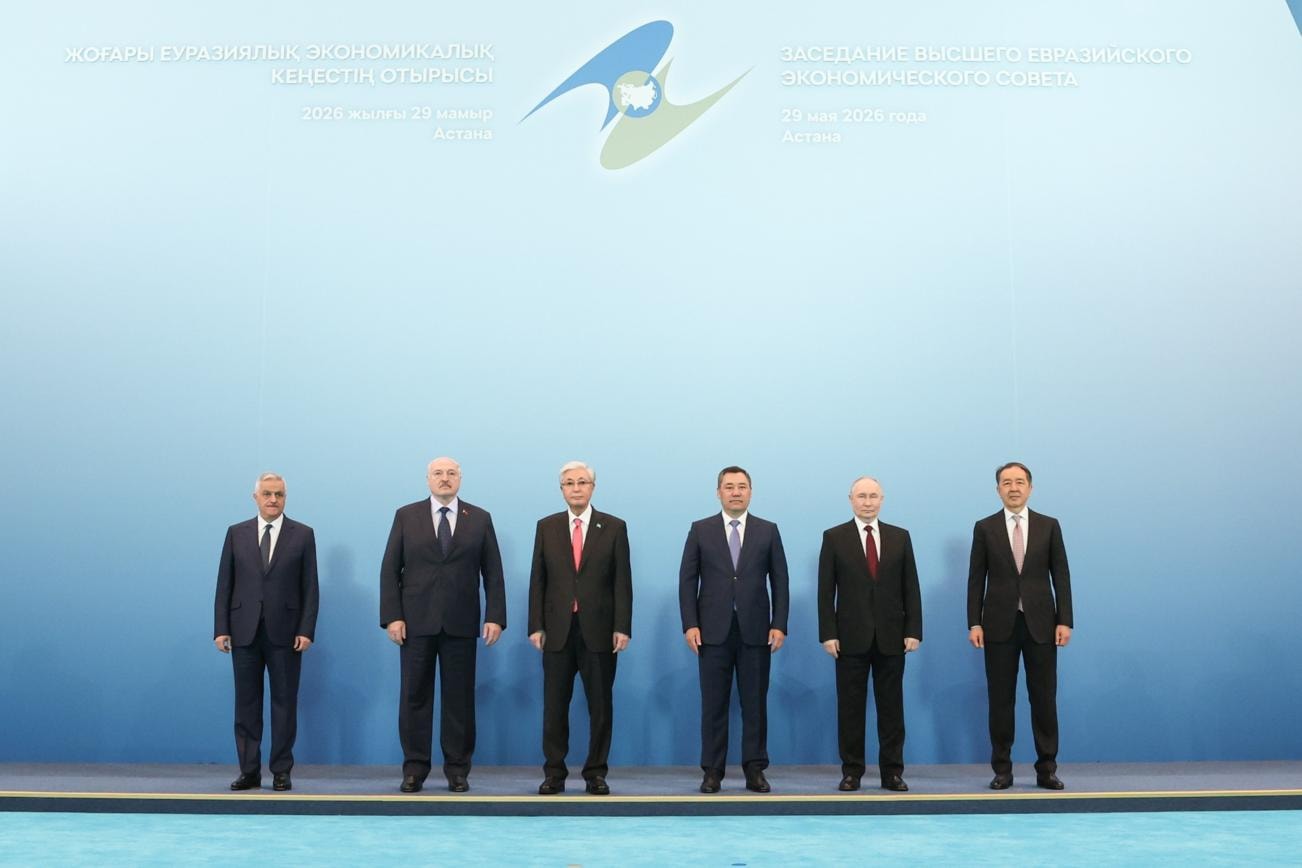
According to the TASS news agency on May 30, the Russian Foreign Ministry announced that the Russian ambassador to Armenia, Sergei Kopyrkin, was summoned to Moscow for consultations regarding steps taken by the Armenian leadership to move closer to the European Union (EU).
Previously, on May 29th, at the EAEU conference held in Astana (Kazakhstan), the leaders of the four countries, Russia, Belarus, Kazakhstan, and Kyrgyzstan, signed a joint declaration. According to Komsolmolskaya Pravda (the newspaper Komsolmolskaya Pravda), the document stated that Armenia should hold a referendum to choose: either to join the EU or to withdraw from the EAEU.
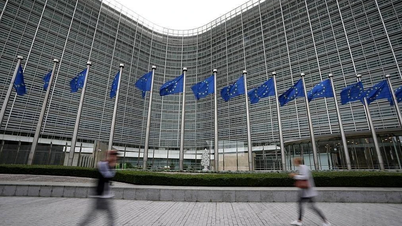
The joint statement by the leaders indicated that the four EAEU member states saw Armenia's aspirations for the European Union. On May 5th, the Armenia-EU summit held in Yerevan confirmed Armenia's intention to join the union. EAEU members argued that Yerevan's actions posed a risk to the economic security of member states.
The heads of the EAEU member states have decided that, at the Eurasian Economic Union summit in December 2026, "the possible consequences of suspending the Treaty on the Eurasian Economic Union for the Republic of Armenia will be reported."
And finally, the EAEU countries reached a consensus: The decision of which alliance to join should be left to the Armenian people to choose in a referendum.
Since May 30th, Russia has banned imports of certain vegetables, berries, and leafy greens from Armenia, and has also completely blocked the supply of "Jermuk" mineral water. According to Russian media, for Russian consumers, the consequences will be almost imperceptible, as the shortage can easily be compensated for by domestic and other producers. However, for Armenia, the loss of the Russian market could be a severe blow, as Russia is a major importer of Armenian products.
Source: https://baonghean.vn/nga-va-eaeu-gui-tin-hieu-cung-ran-den-armenia-10338863.html

![[Image] Nearly 125,000 Hanoi students completed the Literature exam for the 10th grade entrance exam.](https://vphoto.vietnam.vn/thumb/1200x675/vietnam/resource/IMAGE/2026/05/30/1780117233041_ndo_br_thiet-ke-chua-co-ten-2-png.webp)





































































Comment (0)