

Hon Yen is a small island belonging to An Hoa commune, Tuy An district, Phu Yen province. There are two ways to get to Hon Yen from Tuy Hoa city: From National Highway 1A, head north for 15km, then at Phu Diem intersection turn right onto the concrete road and ask for directions to Nhon Hoi village; or you can take the coastal route starting from Le Duan street in the city center, going straight through An Phu, An Chan, and An My communes to reach Cho Yen market, from there turn off to Hon Yen via the coastal inter-village roads.
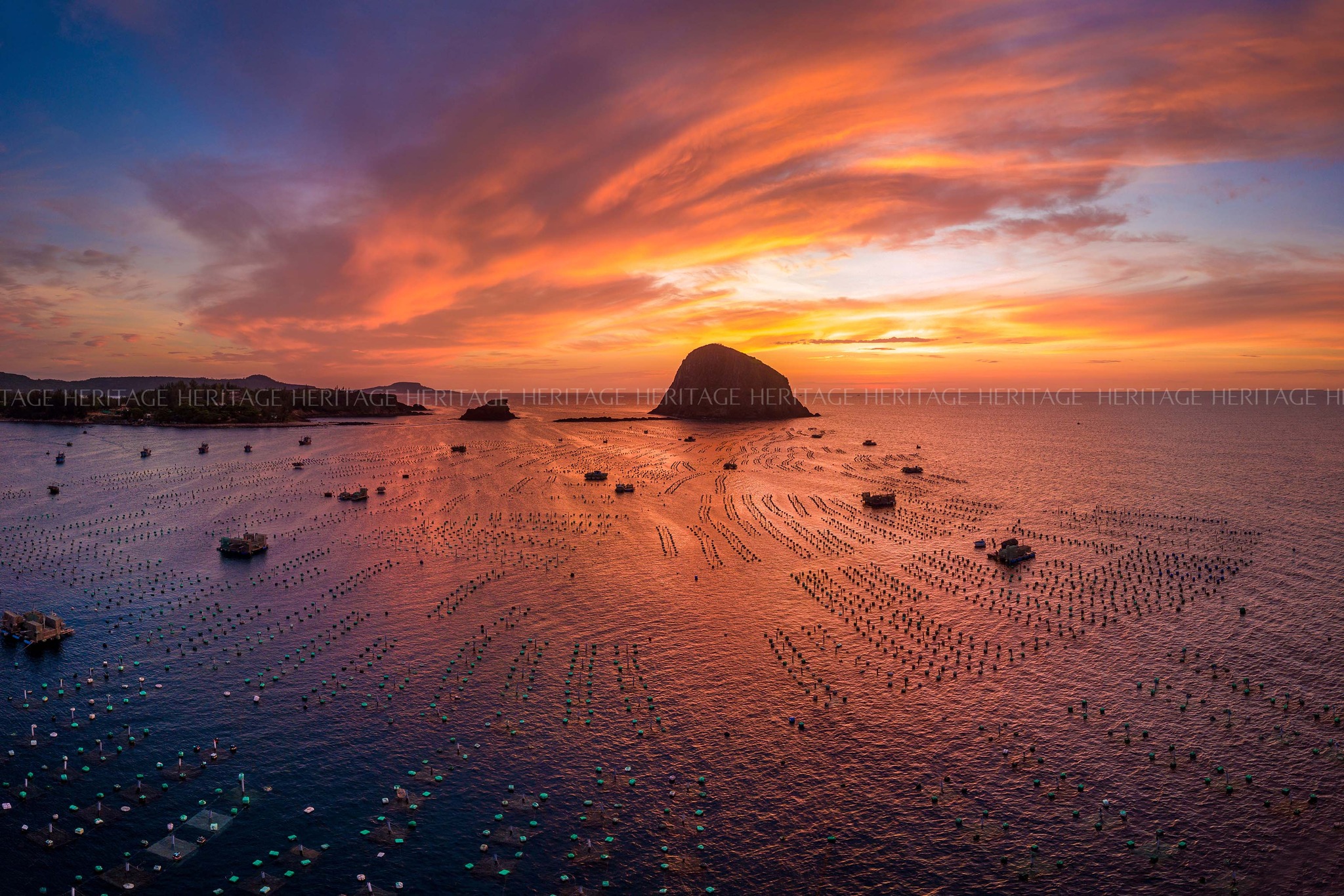
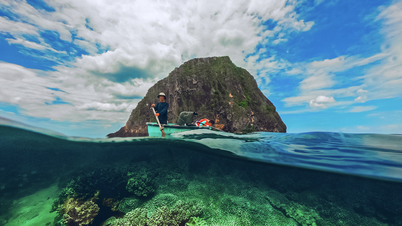
Hon Yen Island remains a vast, pristine expanse of sea and sky, with naturally growing sea almond trees, casuarina trees, and cacti nestled among the sand, thriving in the sun and wind. Especially at Hon Yen, visitors will be delighted to enjoy fresh seafood such as anchovies, fresh squid, and sea crabs at relatively affordable prices. They can also try their hand at catching scad and barramundi in the rocky areas, alongside lobster farms. Lobsters are a type of marine animal that thrives in warm, calm waters, in crevices or caves on the seabed, and are considered a valuable seafood.
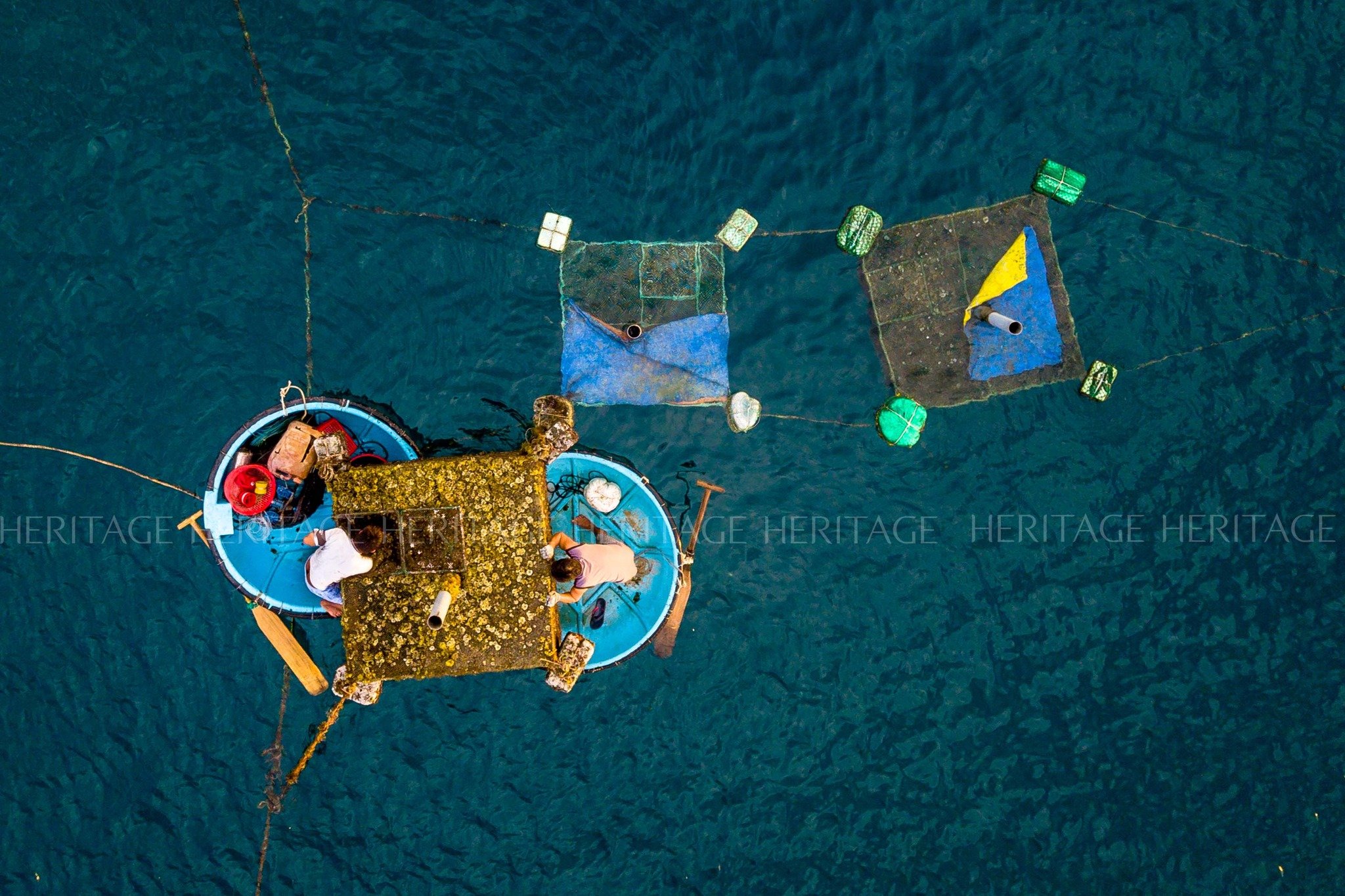
On Hon Yen Island, there are at least several hundred households from Phu Yen province that raise lobsters on rafts. Some households raise as few as a dozen cages per raft, while others have rafts with up to 100 cages. This profession was started by local fishermen in 2005 and has developed to this day.
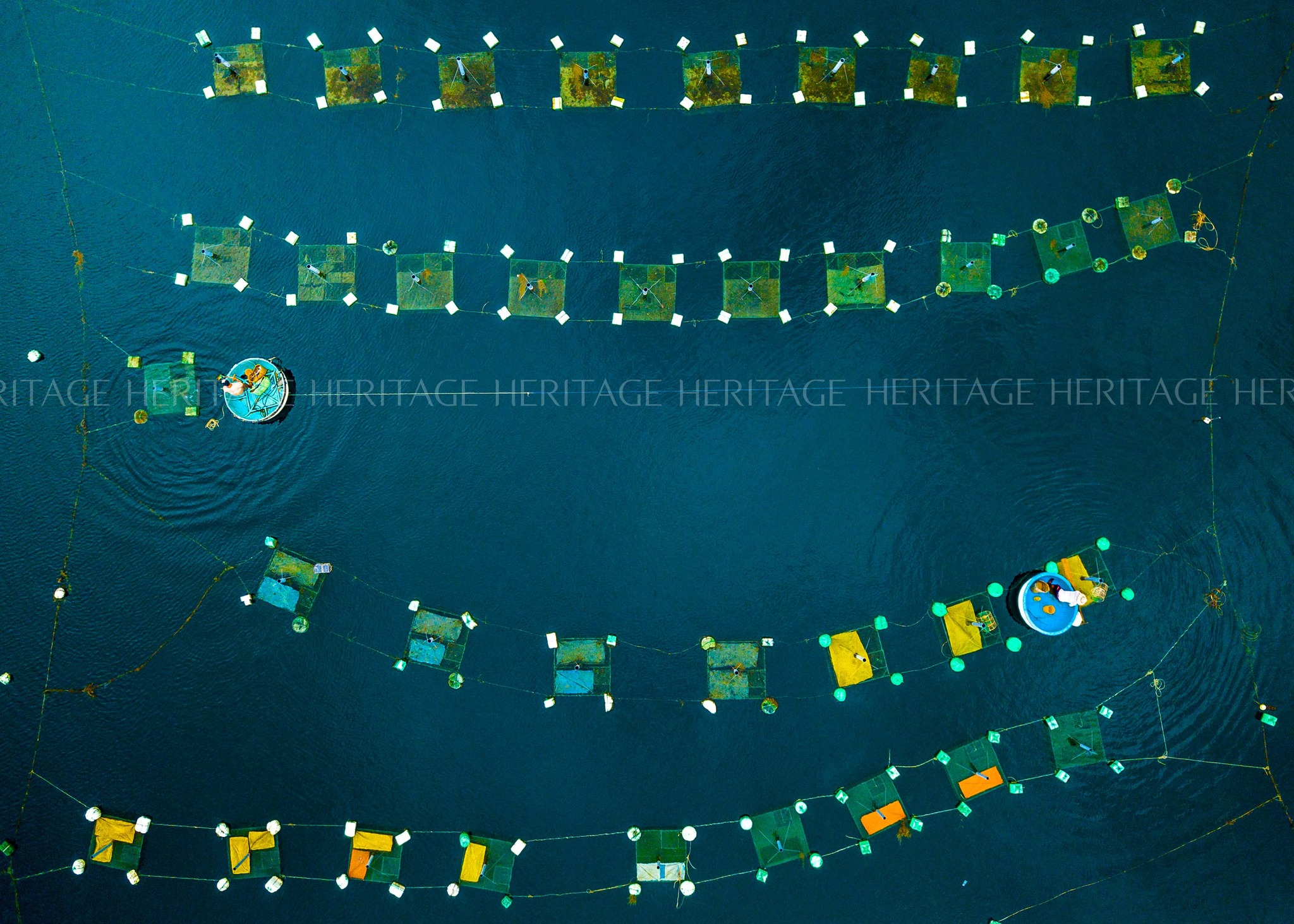
Lobster farming has brought economic benefits to fishermen, transforming the lives of individual families. Every morning, as the first rays of sunlight appear, fishermen on Hon Yen Island bustle about in their boats, paddling out to their lobster cages.
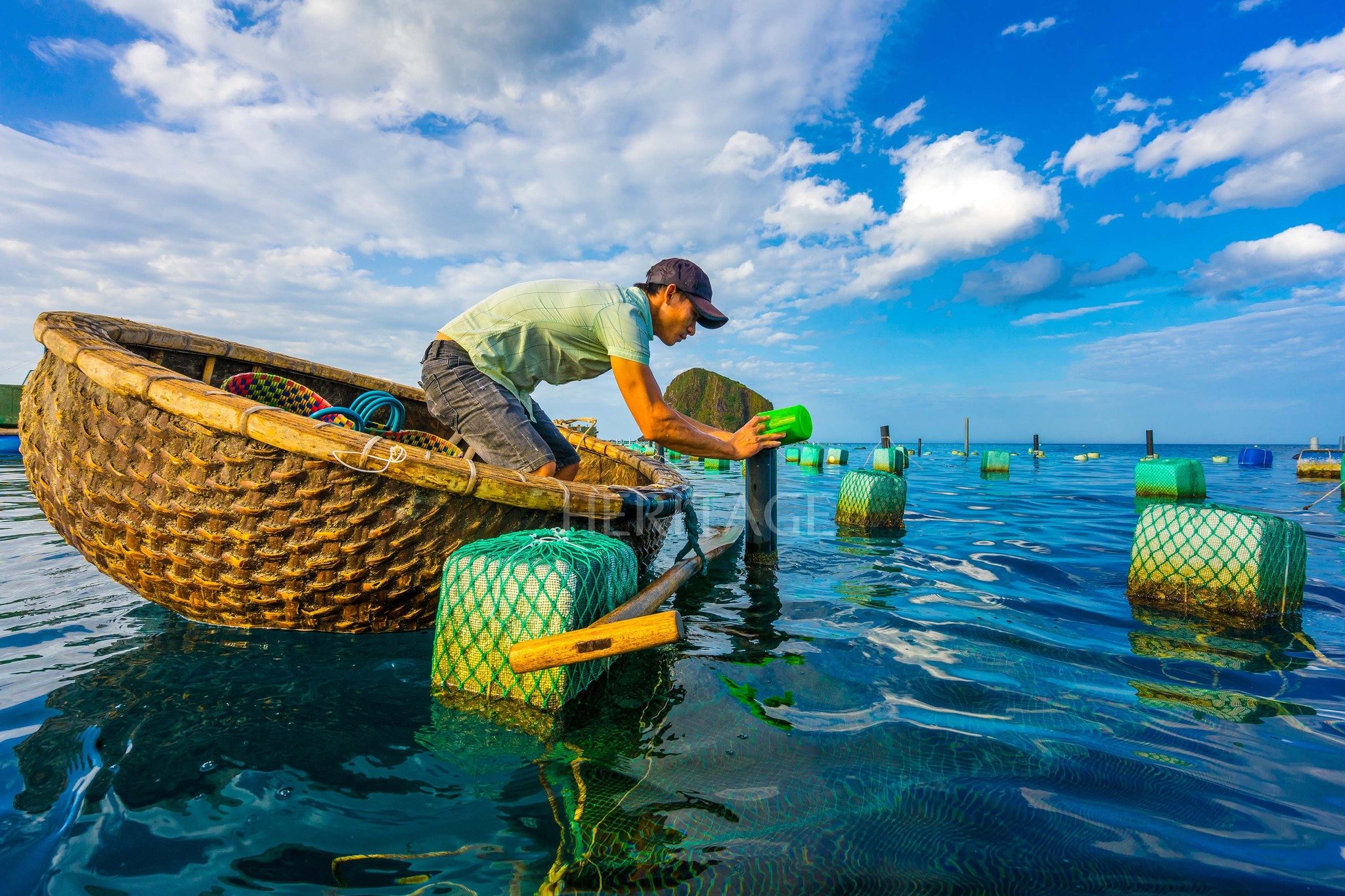
The lobsters raised here include spiny lobsters, green lobsters, and juvenile lobsters that are only the size of a finger. According to experienced fishermen, lobsters can be fed twice a day, but special attention must be paid to feeding them more in the early morning and late evening. Therefore, lobster farming is quite elaborate, and fishermen must always pay attention to the timing to adjust the amount of food accordingly.
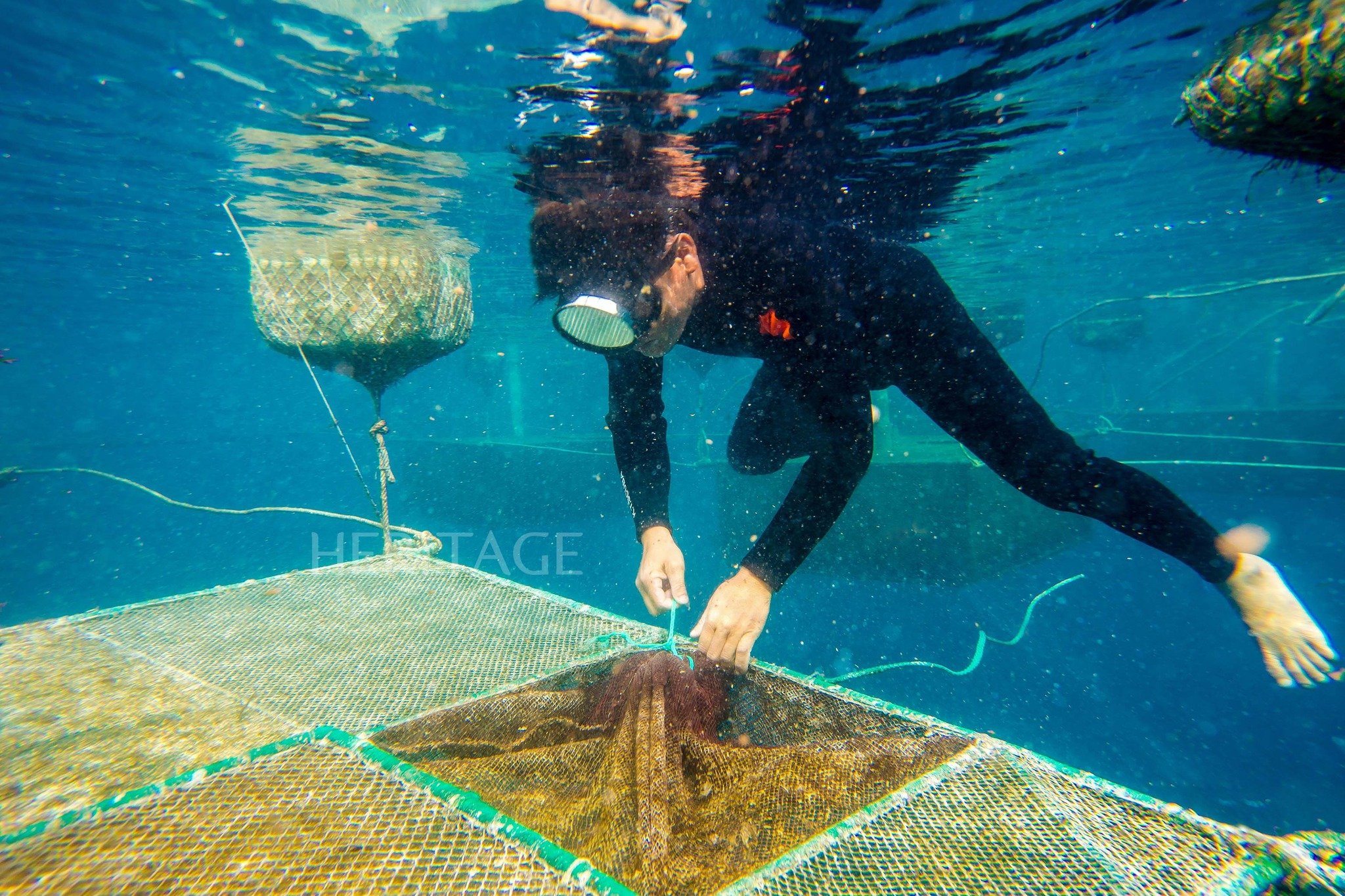
The molting process of lobsters depends on the tide cycle; lobsters usually molt most frequently at the end of the high tide. In Hon Yen, there are at least several hundred households from Phu Yen province that raise lobsters on rafts. Some households raise about a dozen cages per raft, while others have up to 100 cages. Lobster farming has brought economic value to fishermen, transforming the lives of many families.
Heritage Magazine
![[Photo] First session of the 14th Congress of the Vietnam Trade Union](https://vphoto.vietnam.vn/thumb/1200x675/vietnam/resource/IMAGE/2026/06/03/1780465947883_ndo_br_img-3852-jpg.webp)
![[Photo] Secretary of the National Assembly Party Committee, Chairman of the National Assembly presides over the meeting of the Standing Committee and Executive Committee of the National Assembly Party Committee.](https://vphoto.vietnam.vn/thumb/1200x675/vietnam/resource/IMAGE/2026/06/03/1780480353201_ndo_br_bnd-2585-jpg.webp)
![[Photo] General Secretary and President To Lam presides over a meeting with the Central Organizing Committee.](https://vphoto.vietnam.vn/thumb/1200x675/vietnam/resource/IMAGE/2026/06/03/1780482764658_a1-bnd-4741-3342-jpg.webp)













































![[Video] Sunset at Lap An Lagoon – Where the sun sets over the fishing nets](https://vphoto.vietnam.vn/thumb/1200x675/vietnam/resource/IMAGE/2026/05/31/1780192137701_beach-landscape-sea-water-nature-grass-745871-pxhere-com.jpeg)


































Comment (0)