

Although her health has stabilized, Mrs. Luong Thi Xa is still shaken when recalling the moment her whole family experienced symptoms of poisoning: "In previous years, my children used to go up the hill to pick that type of mushroom and eat it normally, and no one was affected. This time, about half an hour after eating, family members started having stomach aches, dizziness, nausea, and vomiting, and felt extremely weak. I've never been so scared."
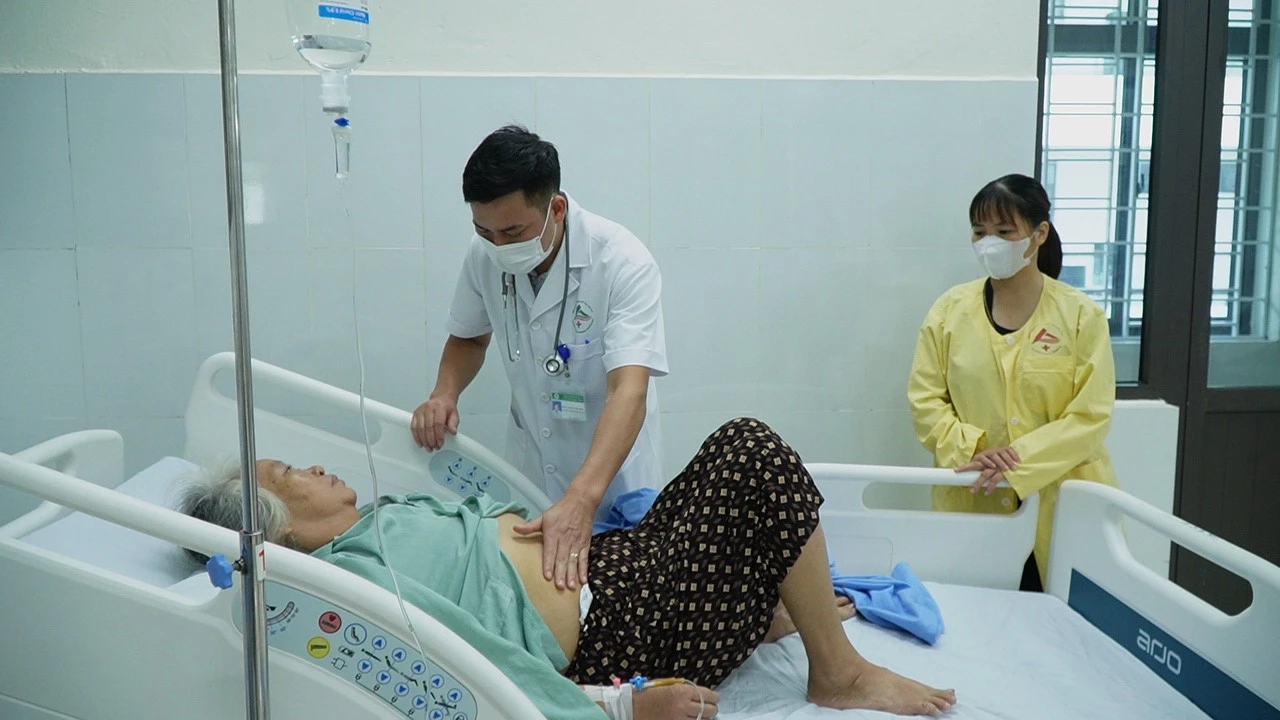
Mrs. Xã's family was quickly taken by relatives to the Bản Lầu Regional Polyclinic. Subsequently, the five members were transferred to the Intensive Care Unit at the Provincial General Hospital No. 2 for further treatment. There, doctors immediately administered intravenous fluids, electrolyte replacement, and symptomatic treatment.
According to Dr. Hoang Van Chau, Deputy Head of the Intensive Care Unit at Provincial General Hospital No. 2, patients were conscious upon admission but were all tired and anxious because the symptoms appeared so quickly.
After more than a day of intensive treatment, 4 patients recovered and were discharged, while Ms. Luong Thi Xa had to remain under observation due to multiple underlying conditions, such as diabetes, bile duct cancer, and kidney failure complications.
Ms. Vang Thi Sen (Ms. Xa's daughter-in-law) stayed to take care of her mother after being discharged from the hospital. Ms. Sen shared: "I hope everyone will be careful when picking mushrooms on the hills and in the forest for food, to avoid being poisoned like my family."
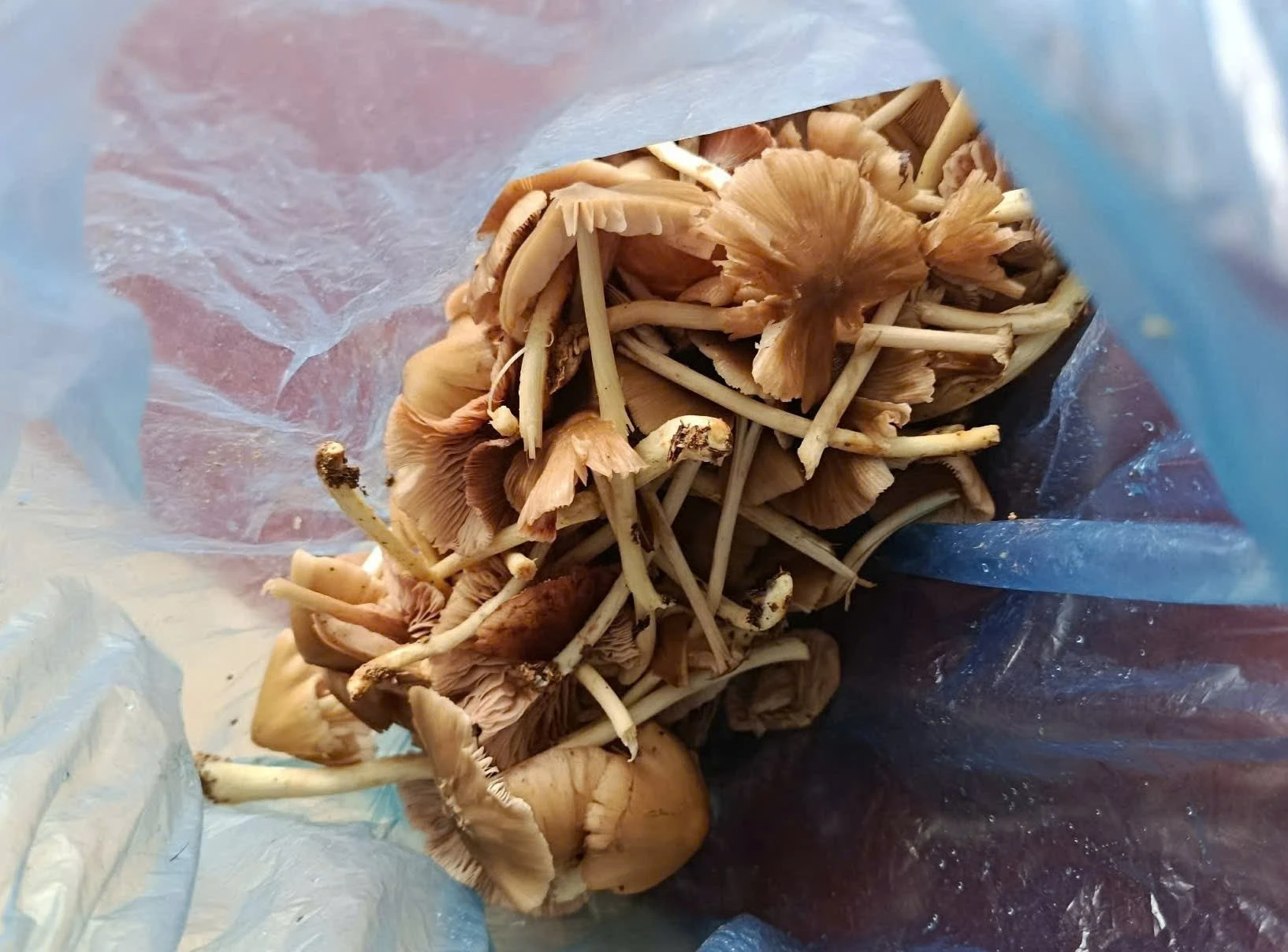
In mountainous areas, gathering wild mushrooms for cooking has long been a habit for many families. During the rainy season or periods of hot and humid weather, mushrooms grow abundantly on hillsides and along streams, so many people take advantage of this to gather them for food. The worrying thing is that in nature there are many types of poisonous mushrooms that look very similar to edible ones. Using only the naked eye or folk experience, it is very difficult for people to accurately distinguish them.
Dr. Hoang Van Chau, Deputy Head of the Intensive Care Unit at Provincial General Hospital No. 2, warned: It is impossible to identify poisonous mushrooms by ordinary sensory experience. Some poisonous mushrooms look very similar to edible ones; even a small amount can cause liver failure, kidney failure, multi-organ failure, and even death. Do not rely on anecdotal remedies such as mushrooms eaten by insects being harmless, as consuming them can still lead to poisoning.
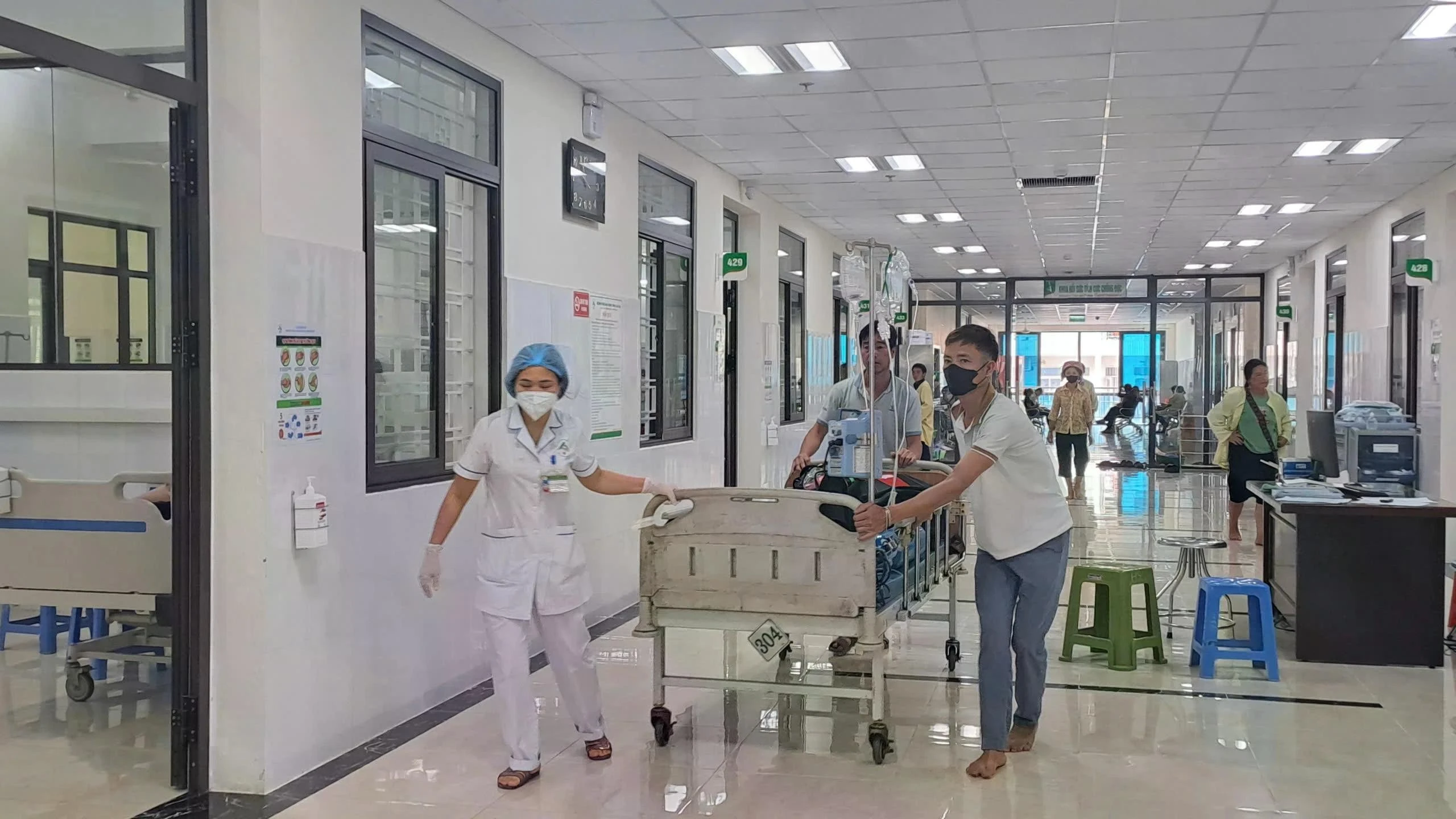
According to Doctor Hoang Van Chau, people should induce vomiting in those suspected of mushroom poisoning and immediately take the patient and those who ate the mushrooms with them to the nearest medical facility for timely treatment.
In particular, when experiencing food poisoning, people should not self-treat at home using folk remedies, because when symptoms worsen, such as convulsions, coma, or multi-organ failure, treatment becomes extremely difficult. At the same time, they should bring samples of leftover mushrooms, food prepared from mushrooms, or any harvested mushrooms to a medical facility for accurate identification.
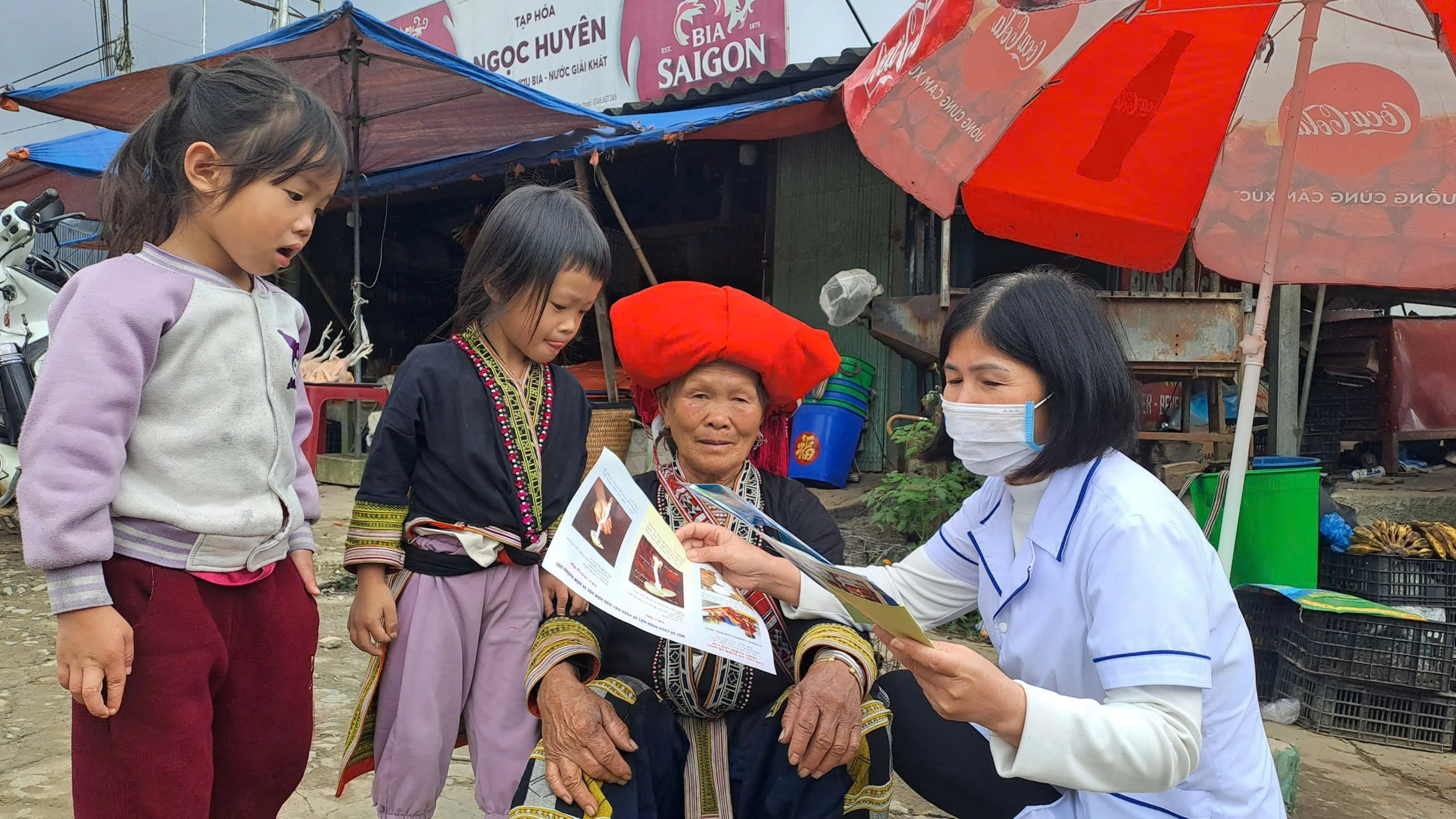
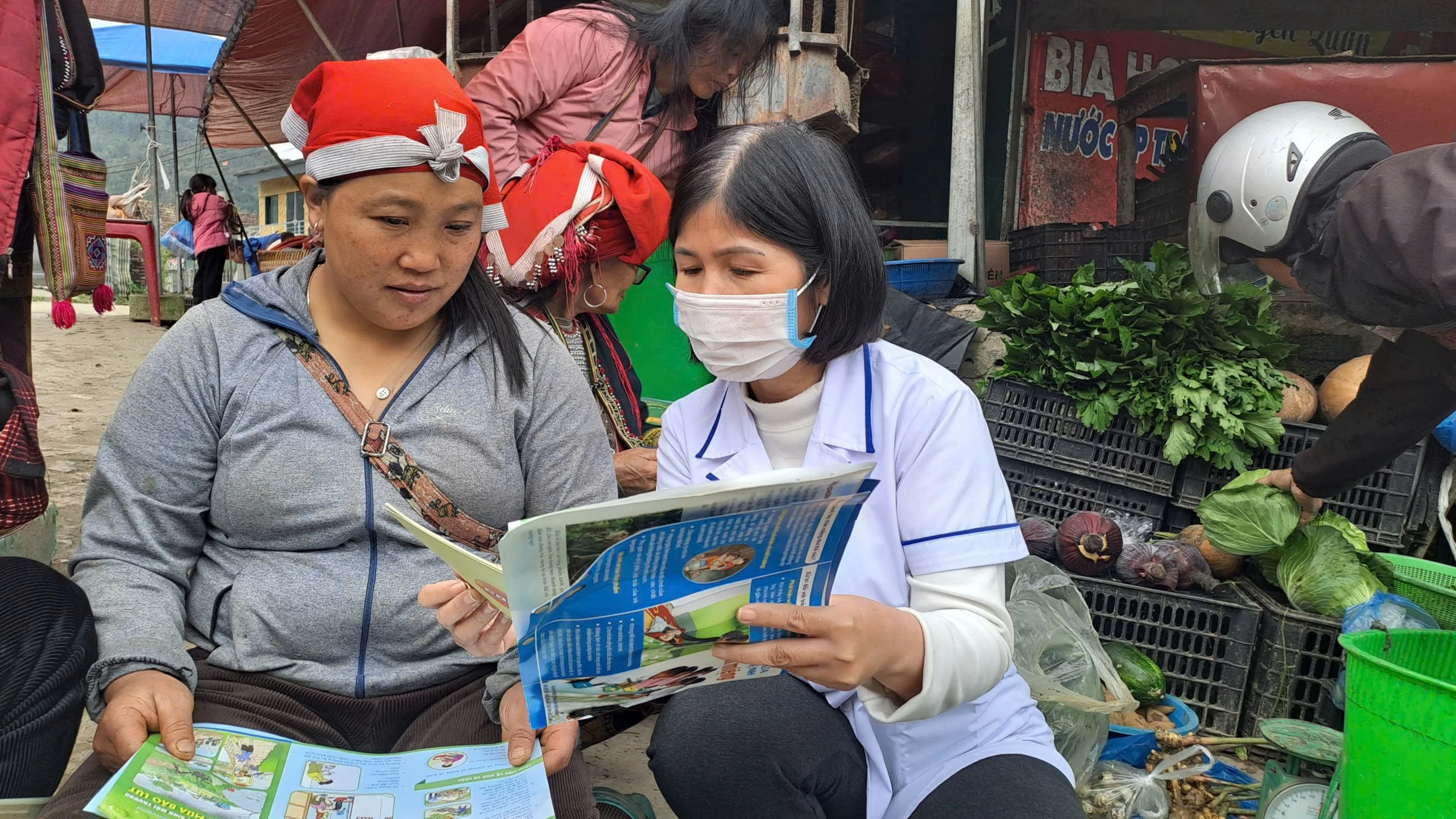
Currently, health centers and commune/ward health stations throughout the province are intensifying efforts to raise awareness among the public about the risks of mushroom poisoning, how to identify some common poisonous mushrooms, and how to prevent and treat cases of mushroom poisoning. Simultaneously, they are updating information on mushroom poisoning and strengthening surveillance in areas where such incidents frequently occur.
Poisonous mushrooms typically have a complete set of gills, cap, stem, ring, and volva; the inside of the poisonous mushroom is pale pink, the cap is multicolored, and the mycelium glows in the dark; the poisonous parts are located throughout the entire fruiting body; the toxins vary depending on the season, the mushroom's growth process, soil conditions, and climate.
"Poisoning from wild mushrooms can happen to anyone, and the consequences can sometimes be very serious if not treated promptly. Therefore, every citizen needs to be vigilant and absolutely avoid using mushrooms of unknown origin to protect their own health and that of their family," emphasized Dr. Hoang Van Chau.
Source: https://baolaocai.vn/ngo-doc-nam-rung-dau-hieu-va-cach-phong-tranh-post899843.html



























































































Comment (0)