

It's already mid-October in the lunar calendar, the time when fishermen in the province begin the northern fishing season (from September to March of the following year), one of the two main fishing seasons for local fishermen. However, this is the time when storms and tropical depressions often appear at sea due to the influence of the Northeast monsoon, so fishing will not be as favorable as the southern fishing season. To ensure efficient and safe fishing operations, boat owners need to proactively monitor weather information and ensure the safety of their vessels before going out to sea.
Hopeful for the harvest
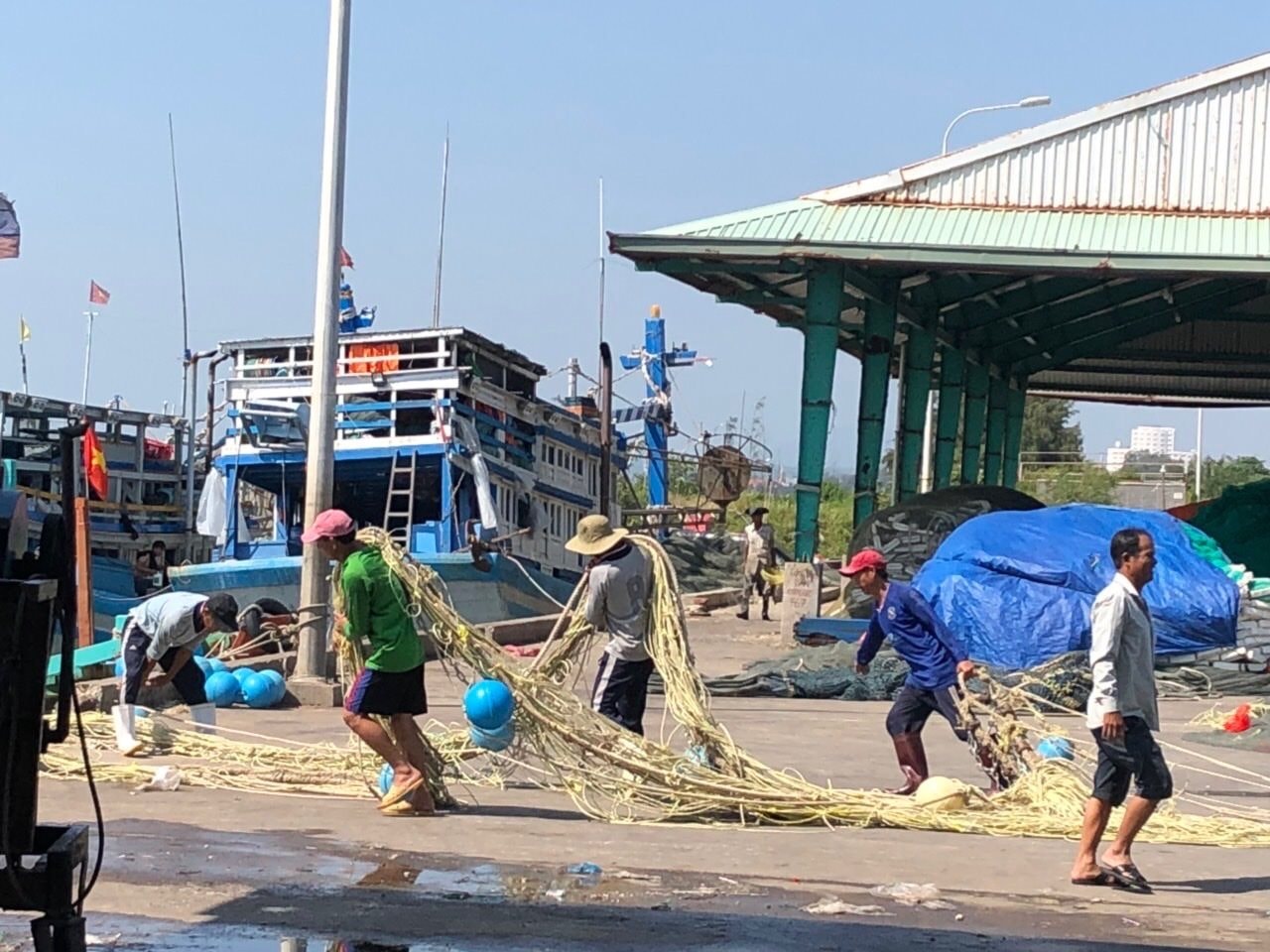
In mid-November 2024, at the boat mooring areas along the Ca Ty River and Phu Hai fishing port (Phan Thiet City), hundreds of fishing boats remained ashore, awaiting information about Typhoon No. 8. Although they were entering a new fishing season, many fishermen were not in a hurry to set sail because the weather was not yet suitable, and they wanted to use the time to repair their boats, service engines, and purchase necessary fishing gear for a safe trip during the monsoon season. Fisherman Nguyen Tam (Duc Thang ward), who owns a trawling boat, said: “After monitoring the weather forecast, which predicts northeast monsoon winds in the coming days, I decided to wait a few days before setting sail. The weather is not as favorable for the northern fishing season as for the southern fishing season, so it's crucial to ensure good safety conditions before the boat goes out to sea. I just had my boat overhauled for over 100 million VND, and I hope to earn a decent income this season. Although the northern fishing season's catch isn't as abundant as the southern season's, it offers many high - value seafood species with good market demand, especially with the upcoming Lunar New Year.”
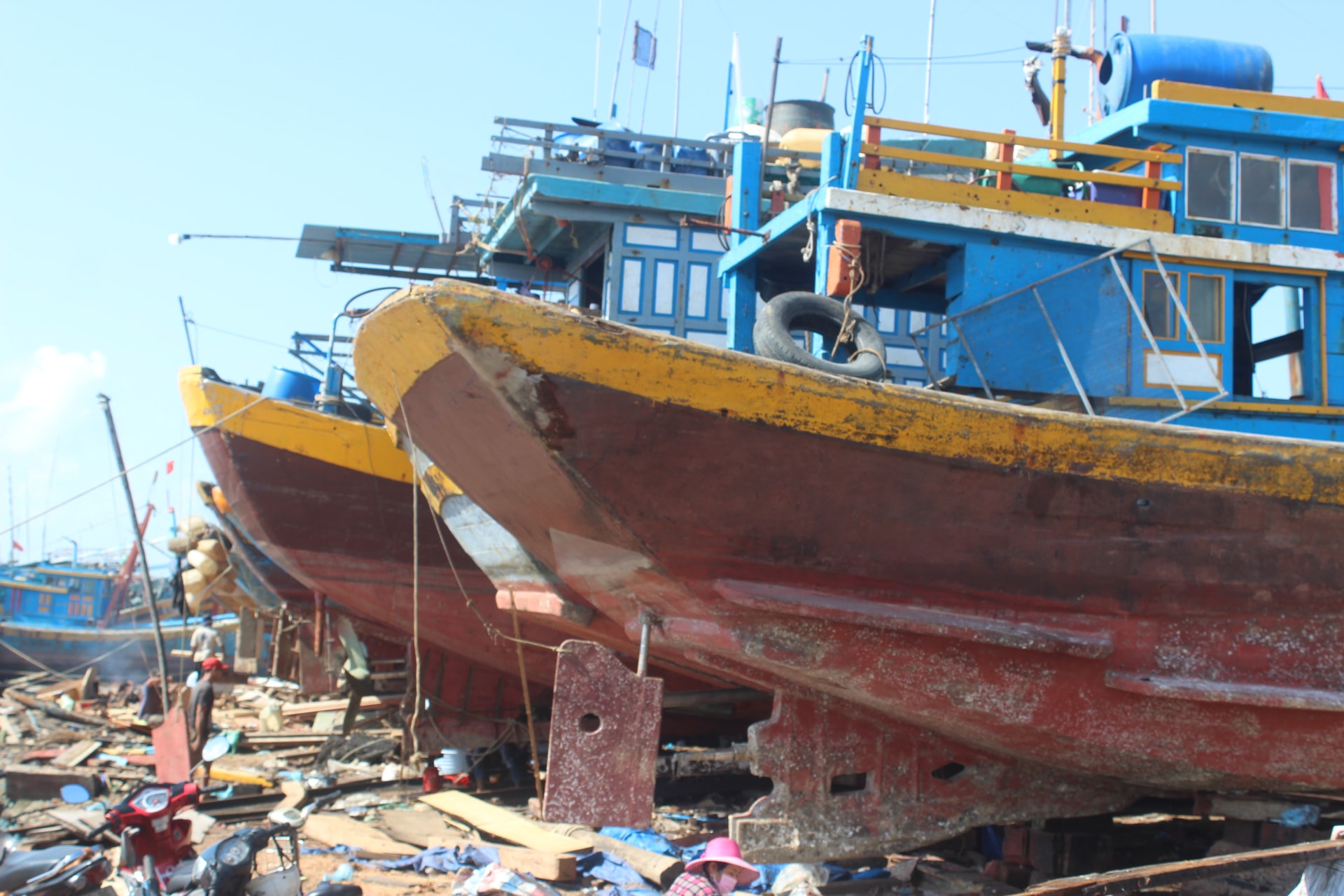
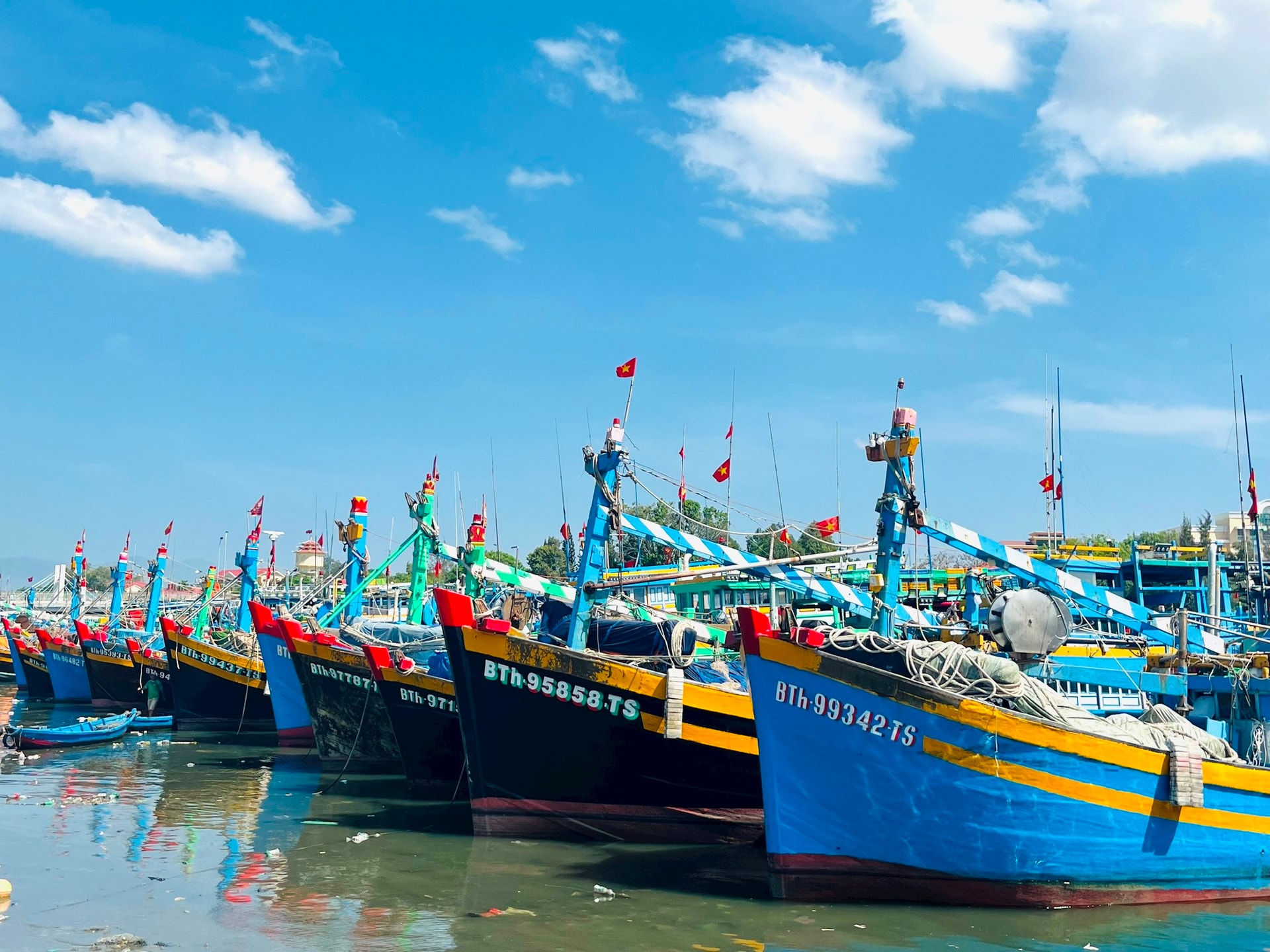
According to local fishermen, this year's southern fishing season was only favorable at the beginning. From the middle of the season onwards, both the yield and price of fish decreased, so after deducting all expenses, fishermen didn't make much profit from each trip. Therefore, they predict a more bountiful northern fishing season and are ready to venture out to sea when the weather is favorable. Especially with only a little over two months left until the Lunar New Year, fishermen are also taking advantage of longer fishing trips hoping for a full catch of fish and shrimp, ensuring their families have a warm and prosperous holiday.
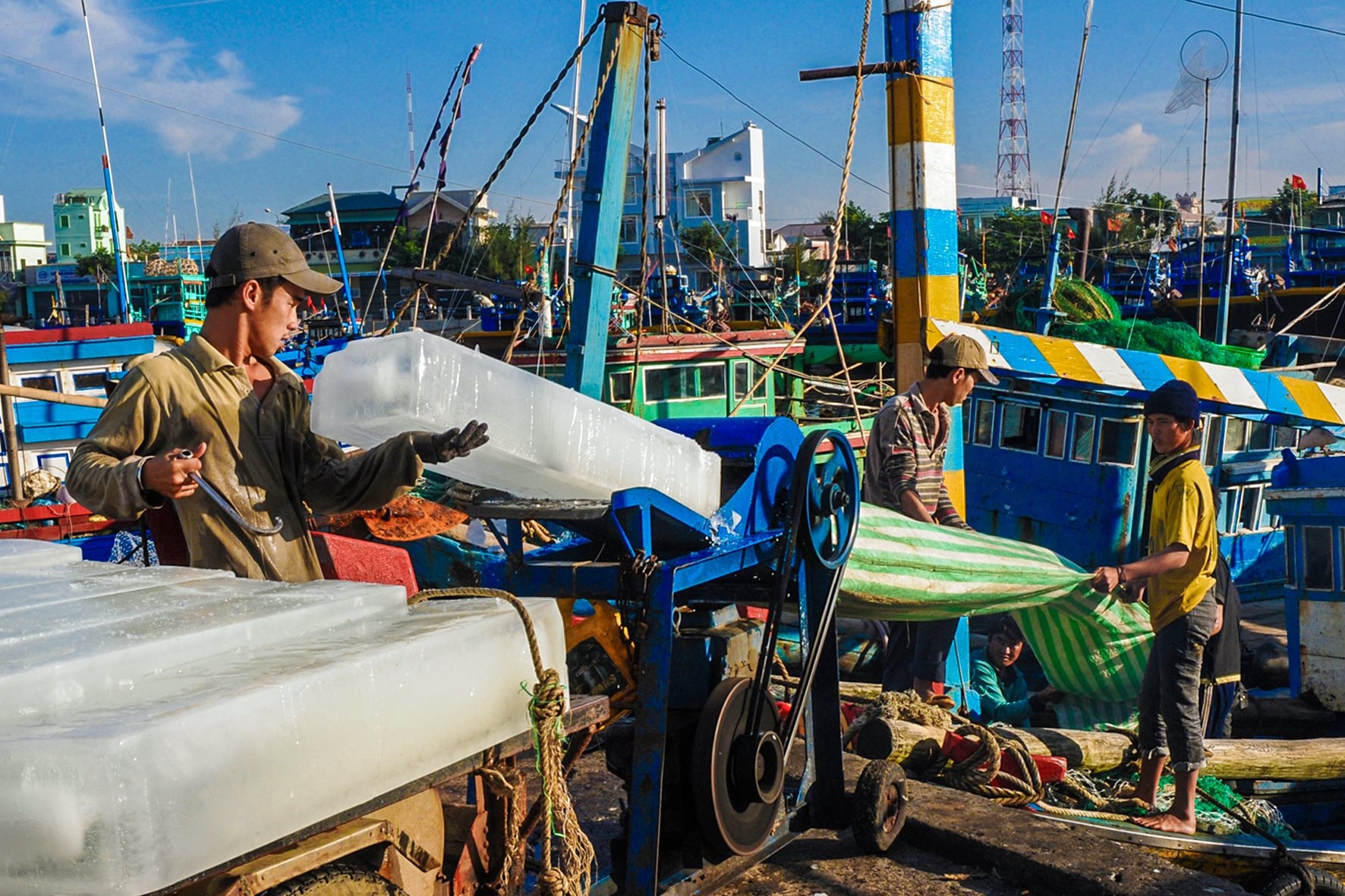
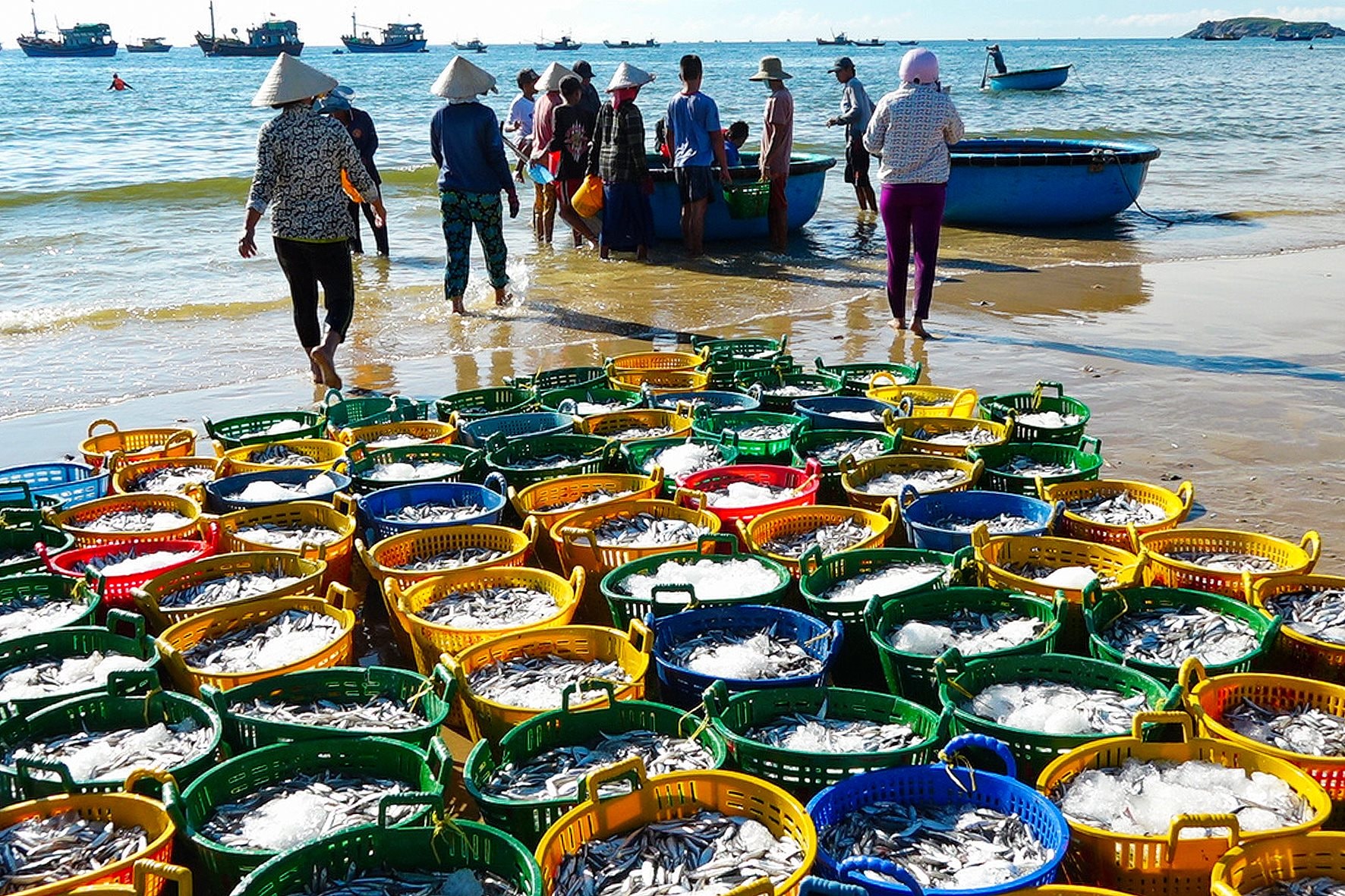
In this fishing season, fishing methods such as cage traps, bottom trawling, scoop nets, and drag nets are the main activities because they mostly catch bottom-dwelling fish with high economic value. At the same time, fishing vessels operating in offshore areas with schools of surface fish such as anchovies, scad, various mollusks, shrimp, and krill are also abundant. However, in recent years, resources have been depleted, fuel prices have increased, and weather patterns have become unpredictable, so fishermen have to plan carefully and are encouraged to fish in cooperative groups and associations. If they are lucky enough to encounter large schools of fish, they won't have to worry about losses.
Regularly update fishing ground information.
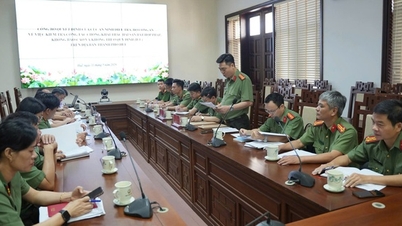
According to the Fisheries Sub-Department, this year, fuel prices are high, the number of fishermen is decreasing, and regulations on fishing licenses, registration, and inspection, as well as conditions for going out to sea, are stricter to combat IUU fishing. Therefore, some boat owners are also considering a "winter break" after the end of the southern fishing season. To support fishermen during the northern fishing season, the Fisheries Sub-Department and the Provincial Border Guard Command regularly provide information on weather conditions and fishing grounds to help fishermen organize efficient fishing operations. The Provincial Border Guard Command has directed border guard stations throughout the province to strictly implement the directives of the Provincial Steering Committee for Disaster Prevention and Search and Rescue; informing vessels operating at sea about storm warnings through the unit's monitoring system, and maintaining a 24/7 monitoring station to receive information, call upon and guide vessels and boat owners to take preventative measures. In addition, the Phan Thiet Coastal Information Station operates 24/7, broadcasting storm warnings on the regulated frequency of 7906KHz so that ships can receive and proactively monitor the situation, avoiding dangerous storm zones. Simultaneously, border guard stations and the management boards of fishing ports and wharves in the province are strengthening inspections of safety equipment on fishing vessels before they depart; encouraging fishermen to form production groups and teams at sea, linked with maximizing the effectiveness of offshore logistics service vessels.
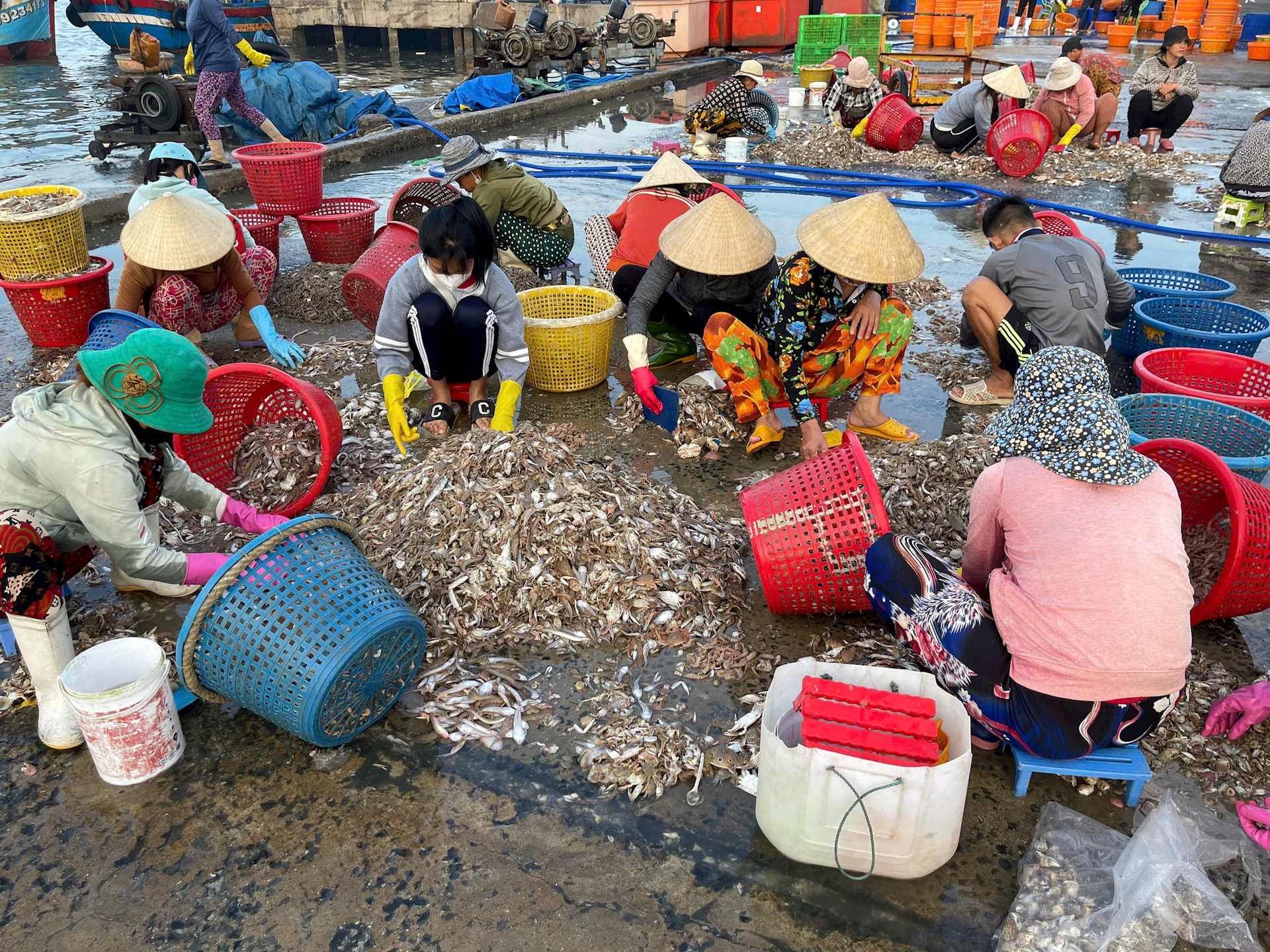
Currently, the province has approximately 8,000 fishing vessels, employing around 50,000 workers, with about 70-80% operating during the monsoon season, contributing significantly to the province's total catch. To support fishermen in overcoming unfavorable weather conditions and resource depletion, relevant agencies have regularly provided weather forecasts, resolutely preventing vessels from leaving port when tropical depressions or northeast monsoon winds appear at sea. Simultaneously, they provide timely information on fishing grounds and aquatic resources to help fishermen organize their fishing activities; encourage the application of economically efficient fishing models, and promote the purchase of modern equipment to focus on exploiting pelagic fish species and expanding fishing grounds. In particular, this is also an opportunity for relevant agencies to actively promote, educate, and guide fishermen to comply with the 2017 Fisheries Law and strictly enforce regulations against IUU (Illegal, Unreported, and Unregulated) fishing.
Source: https://baobinhthuan.com.vn/ngu-dan-binh-thuan-vao-vu-bac-125706.html

















































































Comment (0)