

According to observations by reporters in mid-March 2026, from dawn, hundreds of fishing rafts from coastal communes in Nghe An province busily set sail. A bustling atmosphere of work stretched across the beach. After just a few hours of fishing, each raft returned, carrying holds full of fresh jellyfish, creating a lively and vibrant scene.
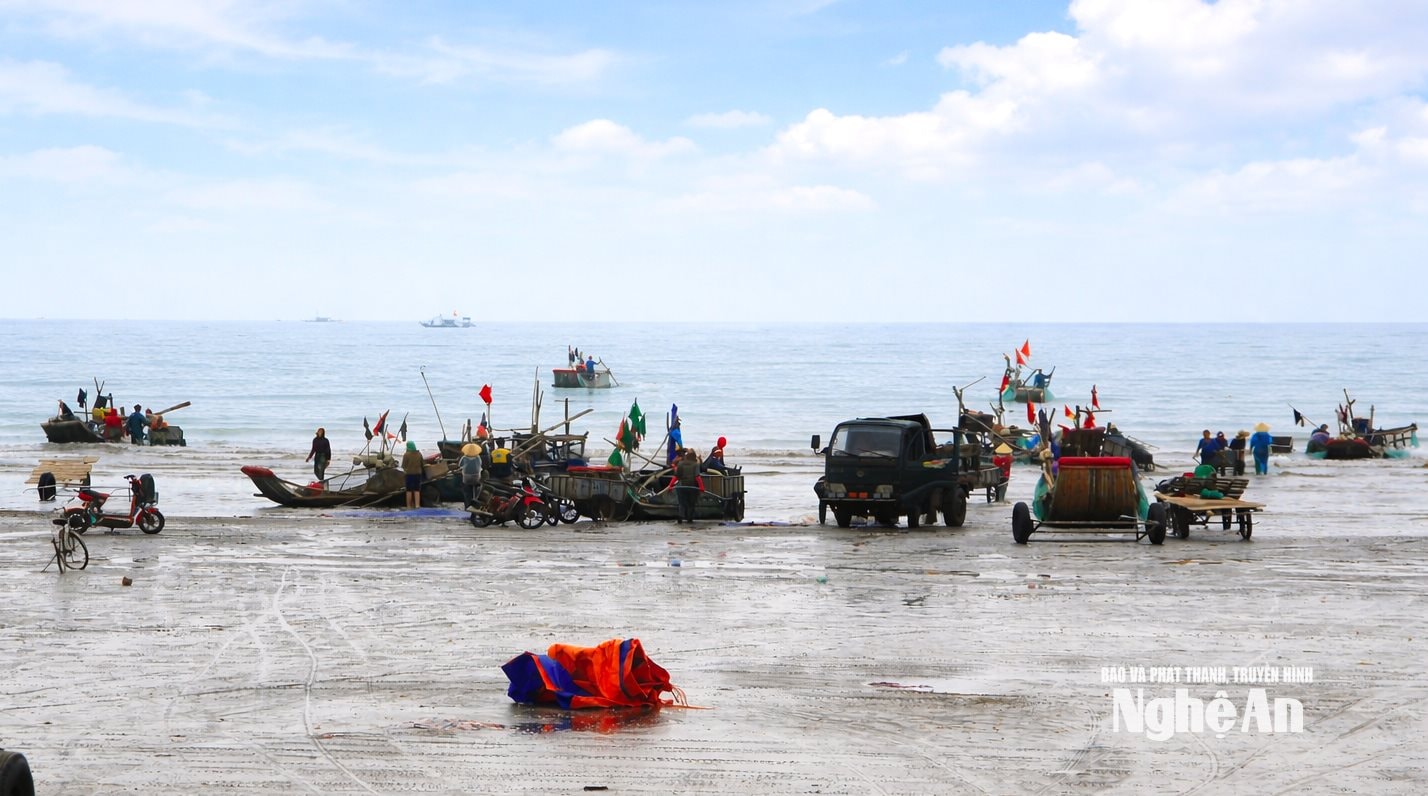
According to local fishermen, the jellyfish season usually lasts from March to May, with the peak in March. Each day, rafts can make two trips, either leaving in the morning and returning in the afternoon, or going out to sea at night and returning at dawn the next day. The main fishing area is located about 4 nautical miles from the shore – where jellyfish congregate in high densities.
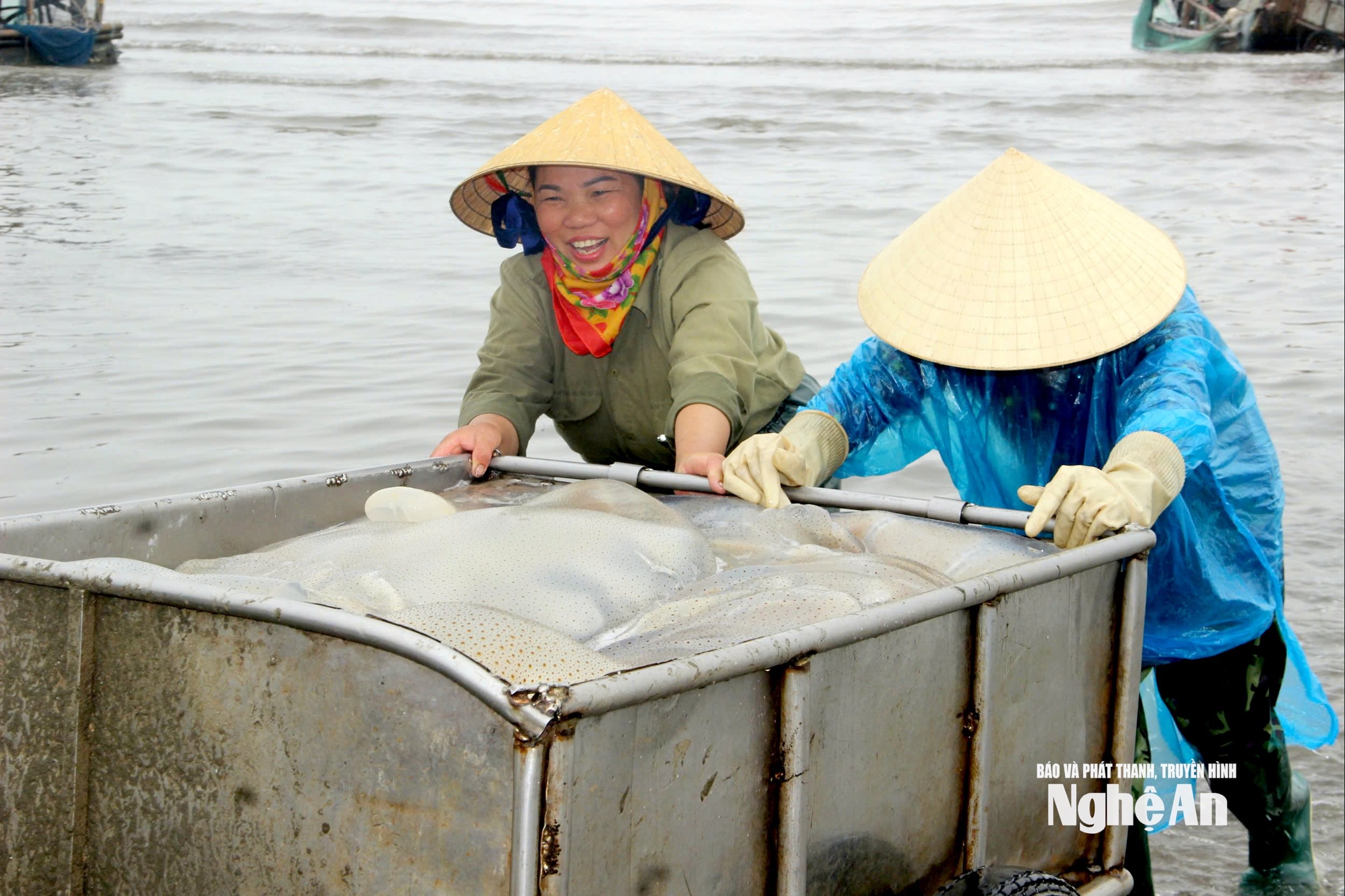
Mr. Nguyen Van Hung from Hai Chau commune, a fisherman with many years of experience in jellyfish fishing, said: “This year, jellyfish are abundant, larger, and have thicker, more translucent flesh than last year. When we pull up the nets, the hold is almost full, and everyone is excited. Jellyfish are easy to catch, not requiring many complicated techniques, but they depend quite heavily on the weather and currents.”
Sharing the same joy, Mr. Tran Van Loi, a fisherman from Hai Chau commune, added: "On average, my family's raft harvests about 2-3 tons of jellyfish per day, sometimes even over 5 tons. The jellyfish are fresh and beautiful, so traders buy them right on the beach, eliminating worries about sales. After deducting expenses, we can earn several million dong a day during the jellyfish season."
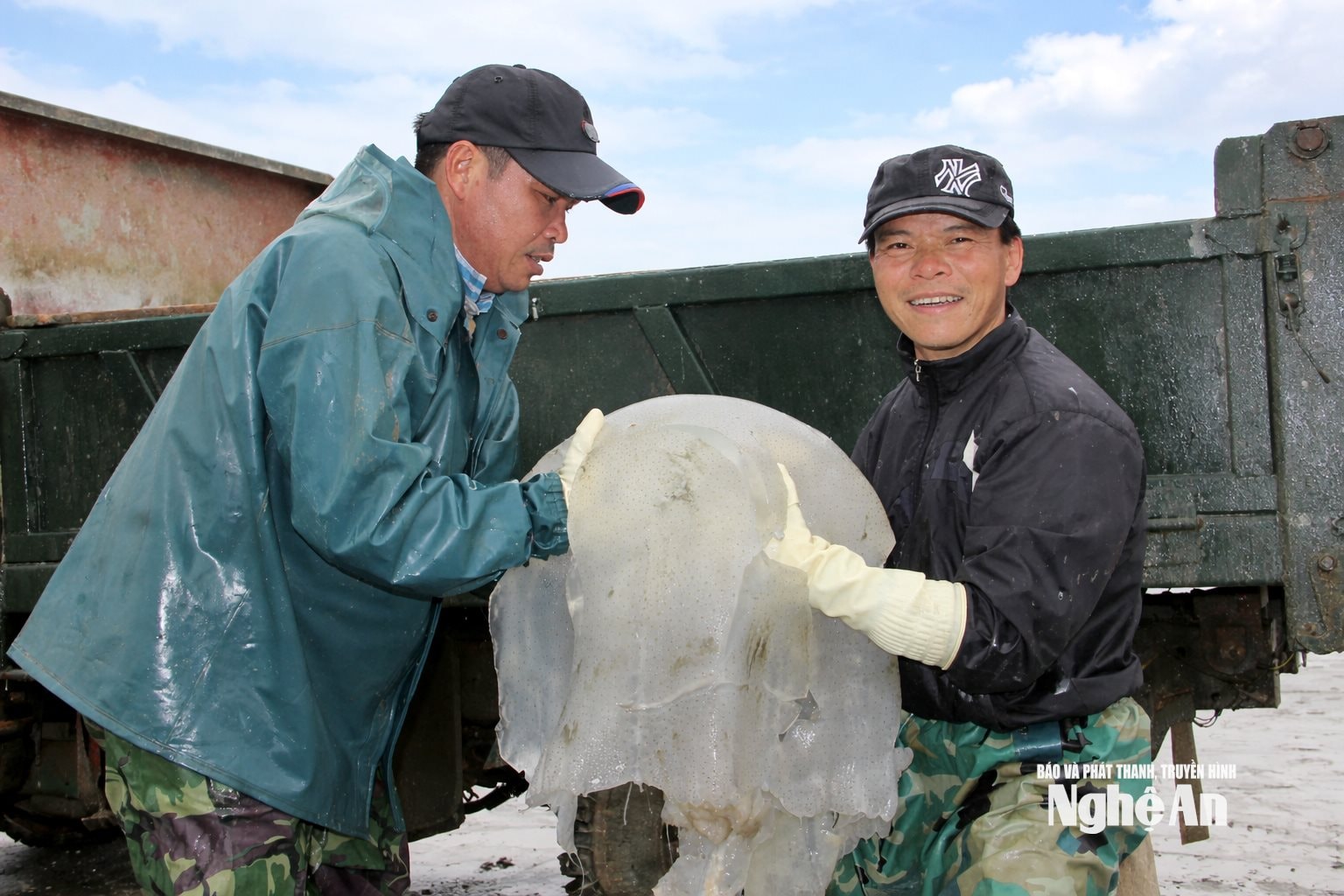
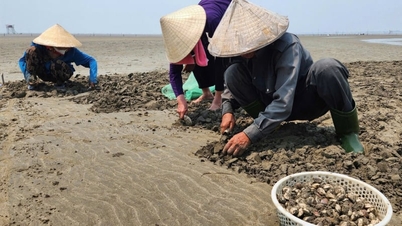
After being brought ashore, the jellyfish are gathered by fishermen right on the beach to wait for traders to come and buy them. Thanks to the system of on-site processing facilities, consumption is quick and convenient. The price of fresh jellyfish currently ranges from 1,500 to 2,000 VND/kg, while processed jellyfish fetch 20,000 to 30,000 VND/kg, bringing higher economic value.
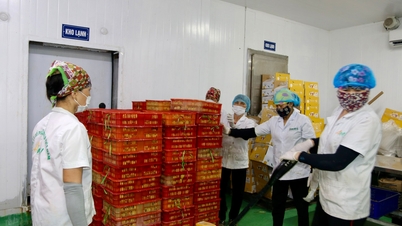
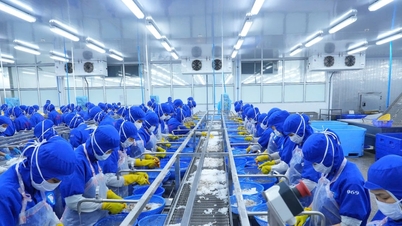
Mr. Khanh, the owner of a jellyfish processing facility in Hai Chau commune, said: “During peak season, our facility purchases over 200 tons of jellyfish from local farmers every day. Processing jellyfish into high-quality products requires many steps such as cleaning, soaking, and pressing out the juice… which is quite laborious. Therefore, the facility has to mobilize many additional workers to work continuously. The processed jellyfish products are not only consumed domestically but also exported to the Chinese market, and also serve the needs of beach tourism during the summer.”
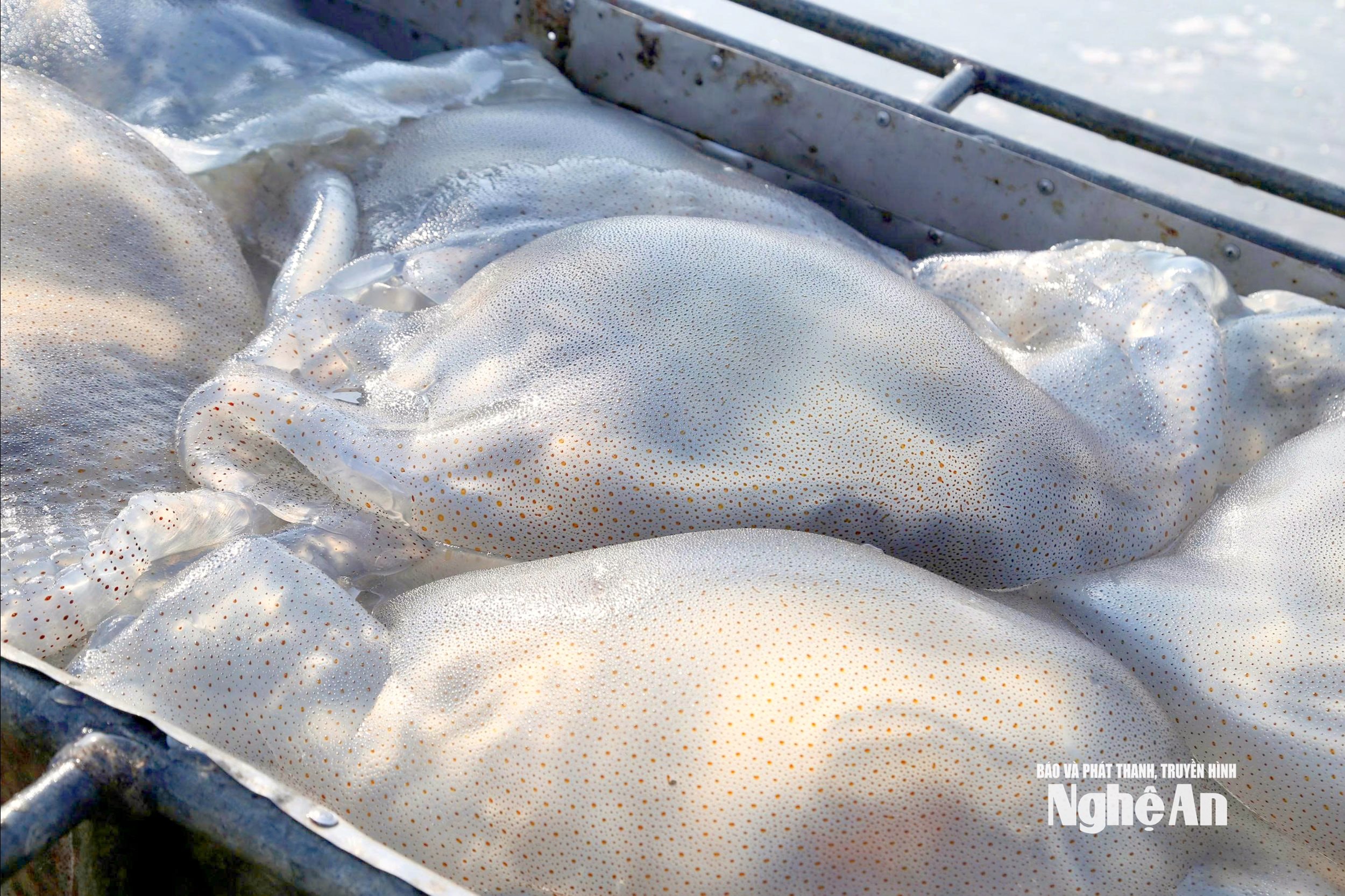
Hai Chau commune was formed by merging the communes of Dien Kim, Dien Hai, Dien Hung, Dien Hoang, and Dien My of the former Dien Chau district. The former Dien Kim and Dien Hai areas were specialized jellyfish fishing zones in Nghe An province, providing a stable income for fishermen.
Mr. Le Van Thong, Head of the Economic Department of Hai Chau commune, said: “This year's jellyfish season came early, so people have taken advantage of the favorable weather to go out to sea to harvest them. Currently, the entire commune has more than 300 rafts participating in jellyfish fishing, and since the beginning of the year, they have caught about 3,000 tons of jellyfish.”
According to Mr. Thong, there are currently four large facilities in the commune specializing in purchasing and processing jellyfish, buying tens of tons daily and creating a stable market for fishermen. Thanks to this, the fishermen don't have to worry about sales and can confidently continue their fishing activities.
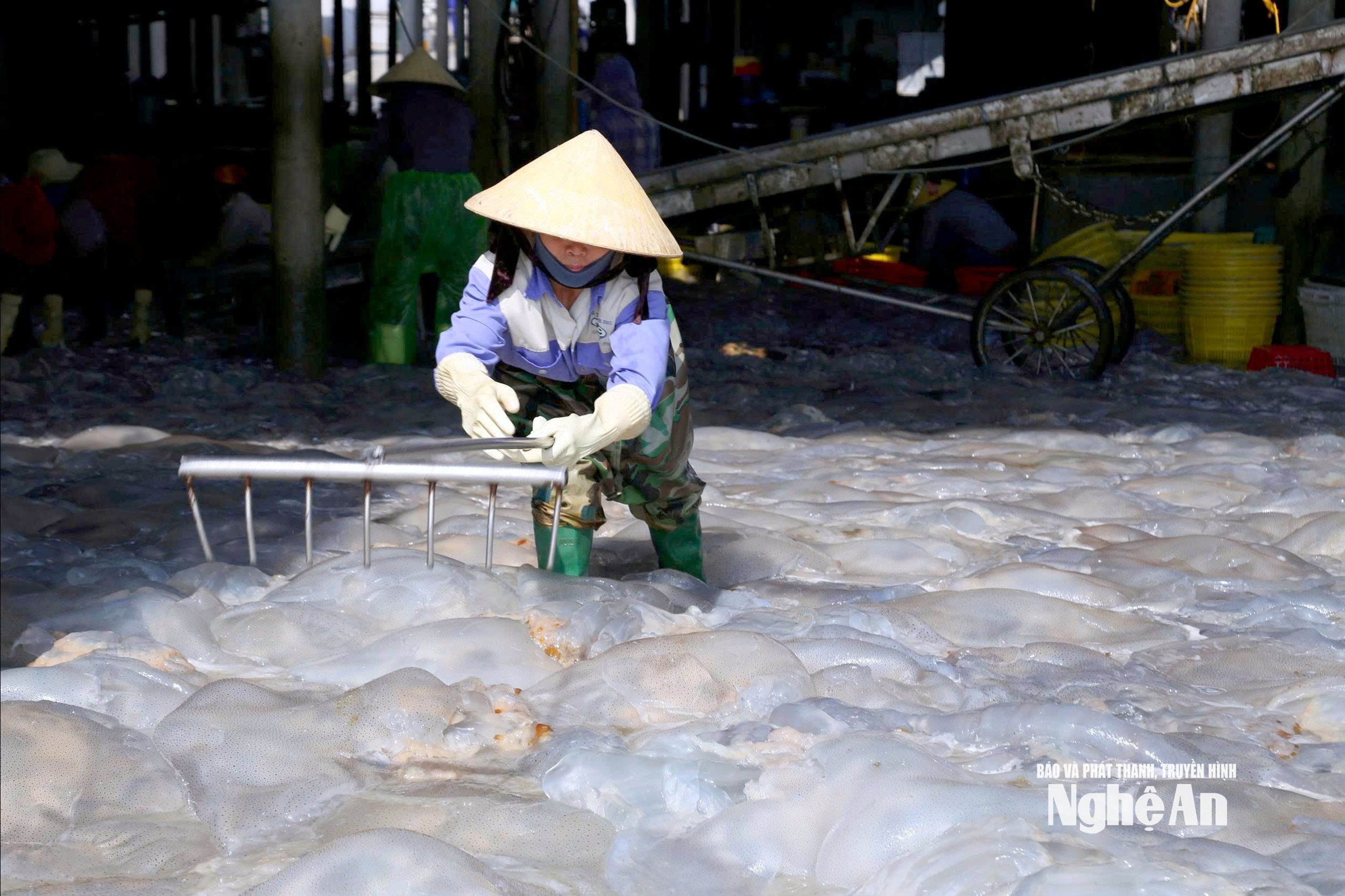
In terms of long-term strategy, jellyfish processing facilities in the area are gradually investing in improving quality, diversifying products, aiming for deep processing and brand building. The consumption market remains stable, serving not only exports but also meeting domestic demand, especially during the upcoming beach tourism season.
Source: https://baonghean.vn/ngu-dan-nghe-an-vui-mua-sua-bien-10329271.html












































































Comment (0)