

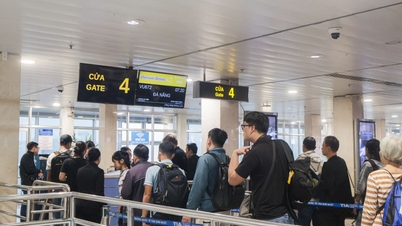
As a sacred and enduring tradition, every year when Tet (Vietnamese New Year) arrives, no matter where they are or what they are doing, Vietnamese people – including those living abroad – still long to return home to reunite with their families.
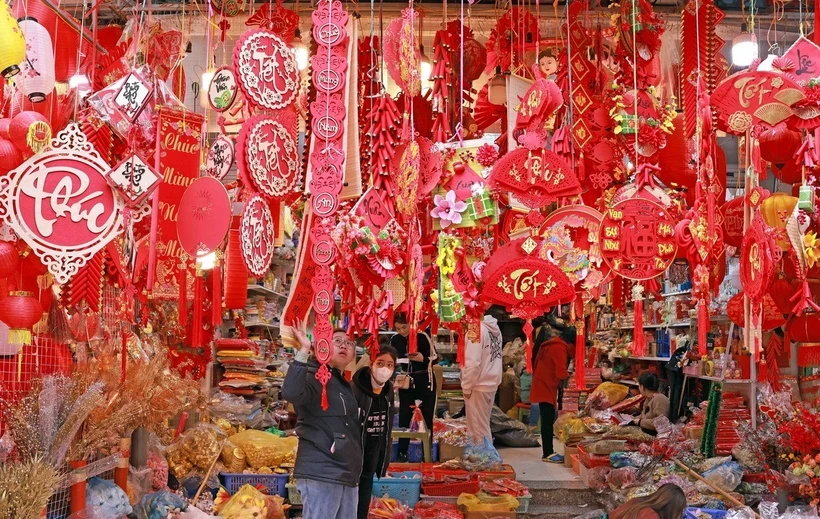
" No matter where people do business, they remember to come home for Tet. " As the lunar year draws to a close, Vietnamese people and families are busy and excited preparing for Tet Nguyen Dan - the biggest and most important traditional holiday.
So when did Lunar New Year originate, and what customs are indispensable during these days of family reunion?
The origin and meaning of Lunar New Year
Tet Nguyen Dan, also known as Tet Ca, Tet Ta, Lunar New Year, traditional New Year, or simply Tet. "Tet" literally means "festival" or "season."
The two words "Nguyên đán" originate from Chinese characters; "nguyên" means beginning or initial, and "đán" means early morning, so the correct pronunciation should be "Tiết Nguyên đán."
Vietnamese people affectionately call Tet Nguyen Dan "Tet Ta" to distinguish it from "Tet Tay" (Gregorian New Year).
According to historian Tran Van Giap's research, the Lunar New Year in Vietnam dates back to the beginning of the first century AD. The origin of the word "Tet" as well as the meaning of "Lunar New Year" were also widely known from that time.
According to the legend of " Banh Chung and Banh Day ," the Lunar New Year may have originated during the time of the Hung Kings, with the legend of Lang Liêu and the banh chung.
Tet, the Lunar New Year, marks the transition between the old year and the new, symbolizing the eternal nature of heaven and earth, and humanity's aspiration for harmony between Heaven, Earth, and Man. Above all, Tet is a time for family reunion.
Lunar New Year is the biggest, most widespread, and most festive traditional holiday of the entire nation.
Tet Nguyen Dan (Lunar New Year) is also the most sacred and solemn time for every Vietnamese person. It embodies both the philosophy of life and the customs and beliefs deeply rooted in the national culture, both profound and unique, reflecting the harmonious spirit between humanity and nature.
As a sacred and enduring tradition, every year when Tet (Vietnamese New Year) arrives, no matter where they are or what they do, Vietnamese people – including those living abroad – still long to return home to reunite with their families, to pray before the ancestral altar, and to revisit the house where they were born. The phrase "Returning home for Tet" is not just a concept of going home; behind it lies a whole process of pilgrimage back to their roots, back to the place where they were born and raised.
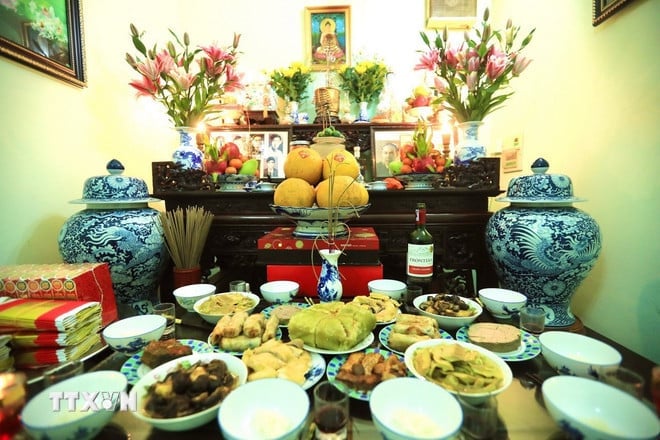
Tet is also a time for reunion with the deceased. From the evening meal on the 30th, before New Year's Eve, families light incense to invite the spirits of their ancestors, grandparents, and deceased relatives to come and share a meal and celebrate Tet with their descendants (ancestor worship). The incense smoke on the ancestral altar, mingled with the sacred atmosphere of cosmic harmony, makes people feel more connected to their families than ever before.
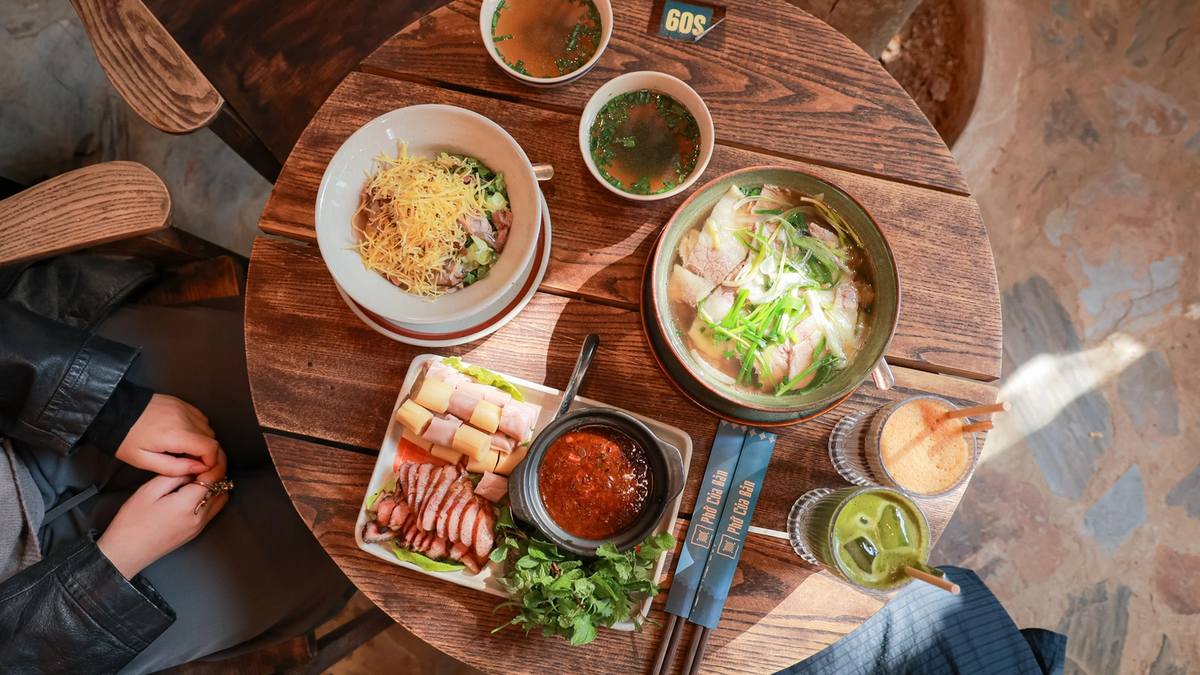
Tet is also an occasion for everyone to come together and strive for good and fulfilling values such as: eating delicious food, dressing beautifully, regardless of age, and speaking kind words, wishing each other "may all your wishes come true," "may you be prosperous and wealthy," etc.
Furthermore, Vietnamese people believe that a joyful Tet holiday at the beginning of the year will bring a good and lucky year ahead. Therefore, during Tet, everyone is cheerful, relaxed, and more considerate of each other. This is also an opportunity to reconcile conflicts and disagreements between family members and neighbors, as the old saying goes, "Even the greatest anger will subside by Tet." With this meaning, Tet is also a day of optimism and hope.
Traditional customs during the Lunar New Year.
Before and after the Lunar New Year, Vietnamese people have many different customs, depending on the locality. Below are some of the main customs.
Offering sacrifices to the Kitchen God and the Stove God
Ông Công is the Earth God, the deity who governs the land. Ông Táo, or Kitchen God, consists of two male and one female deities, responsible for monitoring everything that happens in the family and reporting it to Heaven.
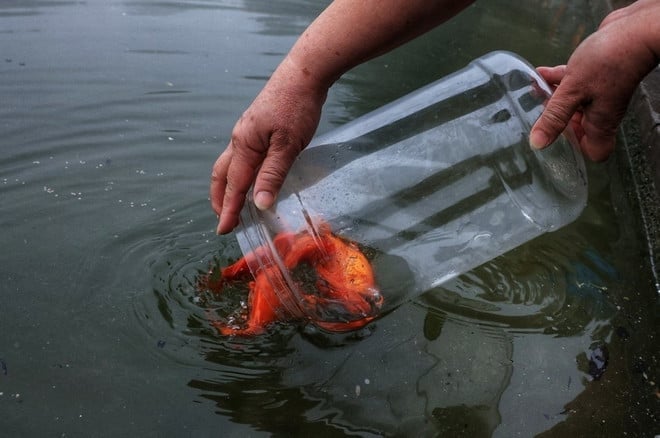
Every year, on the 23rd day of the 12th lunar month, every household cleans their house and kitchen thoroughly before performing a ritual to send the Kitchen God to heaven, asking him to report good things so that the new year will be peaceful and lucky.
Visiting ancestral graves
From the 23rd to the 30th of the twelfth lunar month, family members gather together to visit and clean the ancestral graves, bringing incense, candles, flowers, and fruits to offer as sacrifices, inviting the spirits of their ancestors to celebrate Tet (Lunar New Year) with their descendants.
Cleaning and decorating the house
To welcome Tet (Lunar New Year), every family cleans, renovates, and decorates their homes beautifully. All household items are thoroughly cleaned, reflecting the spirit of "everything must be new" for the new year. Adding kumquat trees, peach (or apricot) branches, couplets, etc., makes the space more colorful and cozy.
Organizing a year-end party.
The year-end celebration signifies the completion of the work of the old year. According to custom, at the time of the year-end celebration, everyone settles all debts and resolves conflicts from the past year to look forward to a more harmonious new year.
On the afternoon of the 30th day of the Lunar New Year, after completing all household chores, families prepare a feast to offer to their ancestors. Along with green sticky rice cakes and red couplets, the five-fruit offering is an indispensable item on the altar of every family during Tet. Not only does it make the worship space warmer, more harmonious, and more vibrant, but the five-fruit offering also vividly expresses philosophical, religious, and aesthetic ideas, and serves as a place to convey the wishes of each family.
Celebrating New Year's Eve
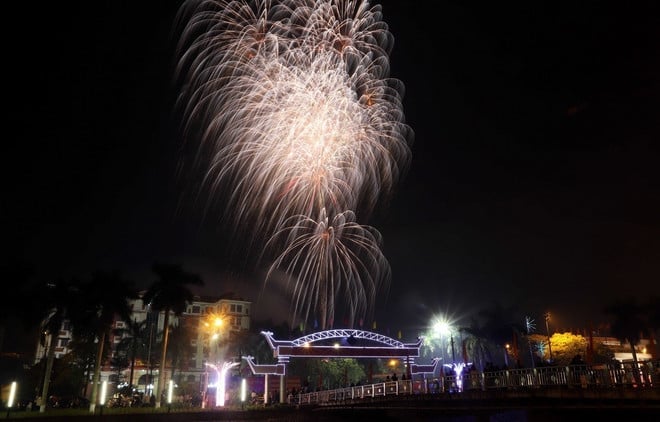
New Year's Eve is the most sacred moment of the year. At this time, families perform the "Trừ Tịch" ceremony to cast away the misfortunes of the old year and welcome the good fortune of the new year. Precisely at midnight, on the ancestral altar, fragrant incense smoke rises, candles flicker, and family members respectfully clasp their hands in prayer before their ancestors, wishing for a prosperous and fortunate new year.
The custom of house blessing
According to tradition, the first person to enter a house after midnight on New Year's Eve is believed to influence the homeowner's fortune for the entire year. The age of the first visitor is also considered quite important. Therefore, even before Tet (Lunar New Year), homeowners often arrange for an acquaintance, someone with a good appearance and character, and whose age is compatible, to be the first visitor to their house.
Customs of wishing Happy New Year and giving New Year's greetings.
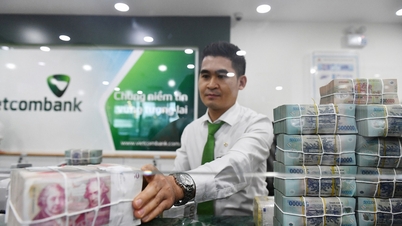
Wishing someone a Happy New Year or giving them New Year's greetings are long-standing customs to wish them the best. Traditionally, on the first day of the Lunar New Year, children wish their grandparents and parents a Happy New Year. Grandparents and parents reciprocate by giving their children and grandchildren a red envelope containing money. The money in the red envelope is usually new banknotes, as people believe that everything should be new in the new year to bring good fortune.
In the early days of the new year, usually from the 1st to the 3rd, people visit relatives, teachers, and friends to wish them the best for the coming year.
Source



















































Comment (0)