

'One of the dangers is that a heart patient can collapse inside the bathroom without anyone noticing.' Start your day with health news to read more in this article!
Start your day with health news ; you can also check out these other articles: Doctors point out the best times of day to drink water for kidney health; Discovering more unexpected benefits of a few cups of coffee a day ; Unexpected effects of chia seeds when eaten at breakfast? ...
Why should you be wary of the risk of heart attack in the bathroom?
Heart attacks can happen in the bathroom. One of the dangers is that the person could collapse inside the bathroom without anyone noticing. There are many reasons for this.

Certain activities in the bathroom can increase the risk of heart attack.
Heart attacks can occur in the bathroom for the following reasons:
Pressure from sitting on the toilet. In fact, sitting on the toilet and defecating creates a certain amount of pressure on the heart. This activity puts stress on the vagus nerve, thereby slowing the heart rate. For people with heart disease, this pressure contributes to an increased risk of heart attack.
When showering, showering in water that is too cold or too hot can affect your heart rate. Experts say that body temperature changes while showering. If the water temperature differs too much from body temperature, it can put significant pressure on arteries and capillaries. This increases the risk of heart attack.
Overdosing on medication. In rare cases, an overdose can cause sudden heart attack or cardiac arrest. Many people have a habit of taking medication and then showering. Both of these actions can stimulate heart activity and increase the risk of heart attack. Further details will be available on the health page on December 21st.
What are the surprising benefits of eating chia seeds for breakfast?
A nutritious breakfast rich in fiber not only keeps you feeling full longer and balances your body's energy levels, but also regulates bowel movements. Just a small amount of chia seeds at breakfast is enough to improve gut health.
To help the digestive system function healthily, an adult needs to consume 25 to 30 grams of fiber. At breakfast, about 10 grams of fiber is sufficient. Just two tablespoons of chia seeds can provide 10 grams of fiber.
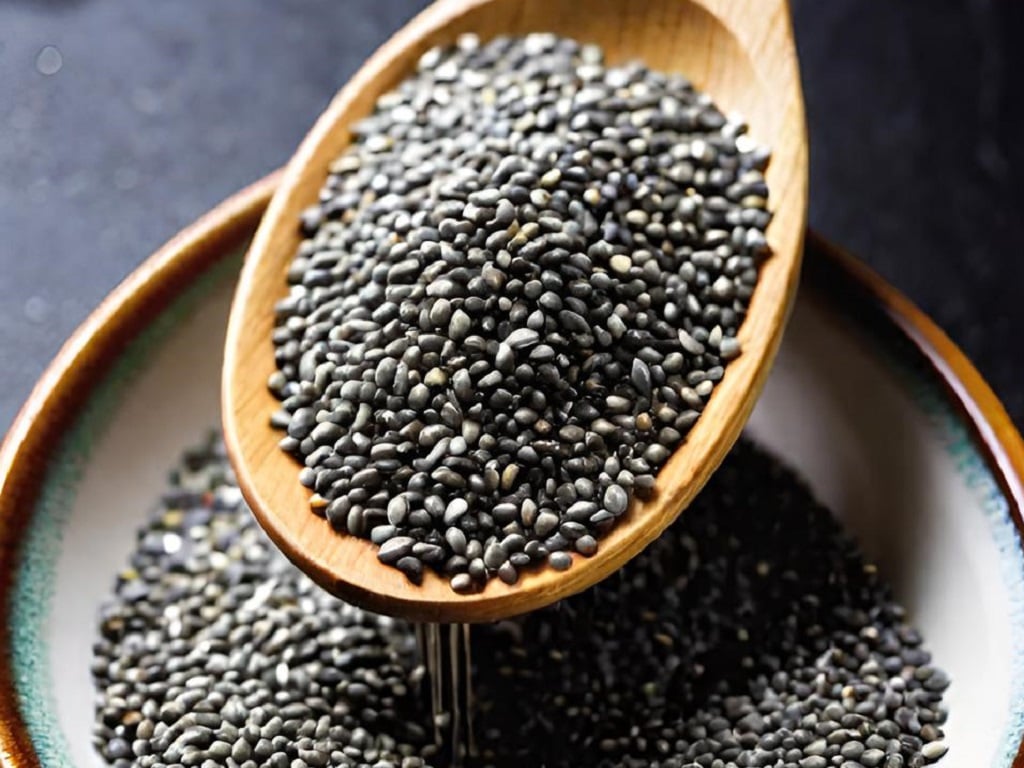
Adding chia seeds to your breakfast may help improve digestion and control blood sugar.
What's special about chia seeds is that they contain both soluble and insoluble fiber. This fiber increases stool bulk and helps stool retain water, thereby preventing constipation. The nutrients in chia seeds also help lower cholesterol, control blood sugar levels, and reduce the risk of certain types of cancer.
Chia seeds are a good source of calcium, iron, magnesium, selenium, thiamin, and niacin. In particular, the alpha-linolenic acid in chia seeds is an omega-3 fatty acid that supports cardiovascular health. Additionally, chia seeds contain 17 grams of plant-based protein per 100 grams.
A study published in the journal Food Science and Nutrition found that omega-3s, fiber, and protein in chia seeds can help lower triglycerides and increase "good" HDL cholesterol. Meanwhile, the fiber, unsaturated fats, and phenolic compounds in chia seeds slow the absorption of starch into the bloodstream in the intestines, thereby helping to control blood sugar. Further details of this article will be available on the health page on December 21st.
Discover more unexpected benefits of a few cups of coffee a day.
Many people with atrial fibrillation—a heart rhythm disorder—often avoid coffee. However, a new study may change their minds.
However, in a new study recently published in the American Heart Association Journal (AHA Journal) , lead author Professor Jürg H. Beer, PhD, of the University of Zurich (Switzerland), encouraged people with atrial fibrillation to "Enjoy your coffee; it might even be good for you," according to the American Heart Association's website , Heart.org.

Drinking coffee regularly is beneficial for cognitive performance.
Co-author Dr. Massimo Barbagallo, a resident in the neurointensive care unit at the University Hospital of Zurich, said: "Regular coffee consumption is beneficial for cognitive performance in healthy individuals. Meanwhile, atrial fibrillation increases the risk of dementia. Therefore, the question arises whether coffee can help reduce the risk of cognitive decline in people with atrial fibrillation."
The study included 2,413 Swiss participants – all patients with atrial fibrillation, with an average age of 73 years.
Participants reported their coffee consumption levels, categorized as: Less than 1 cup a day, 1 cup a day, 2-3 cups a day, 4-5 cups a day, and more than 5 cups a day.
The results revealed that people with atrial fibrillation who drank more coffee experienced improved cognitive performance compared to those who drank less than one cup or no coffee at all. In general, drinking more coffee increased cognitive test scores. Start your day with health news to read more about this article!
Source: https://thanhnien.vn/ngay-moi-voi-tin-tuc-suc-khoe-nguyen-nhan-dan-den-dau-tim-trong-phong-tam-185241220235655212.htm




































































































Comment (0)