The demand for rentals is very high.
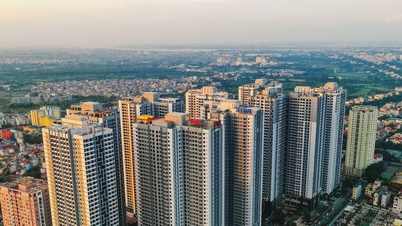
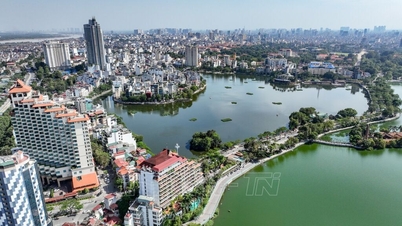
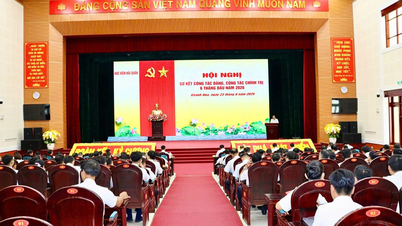
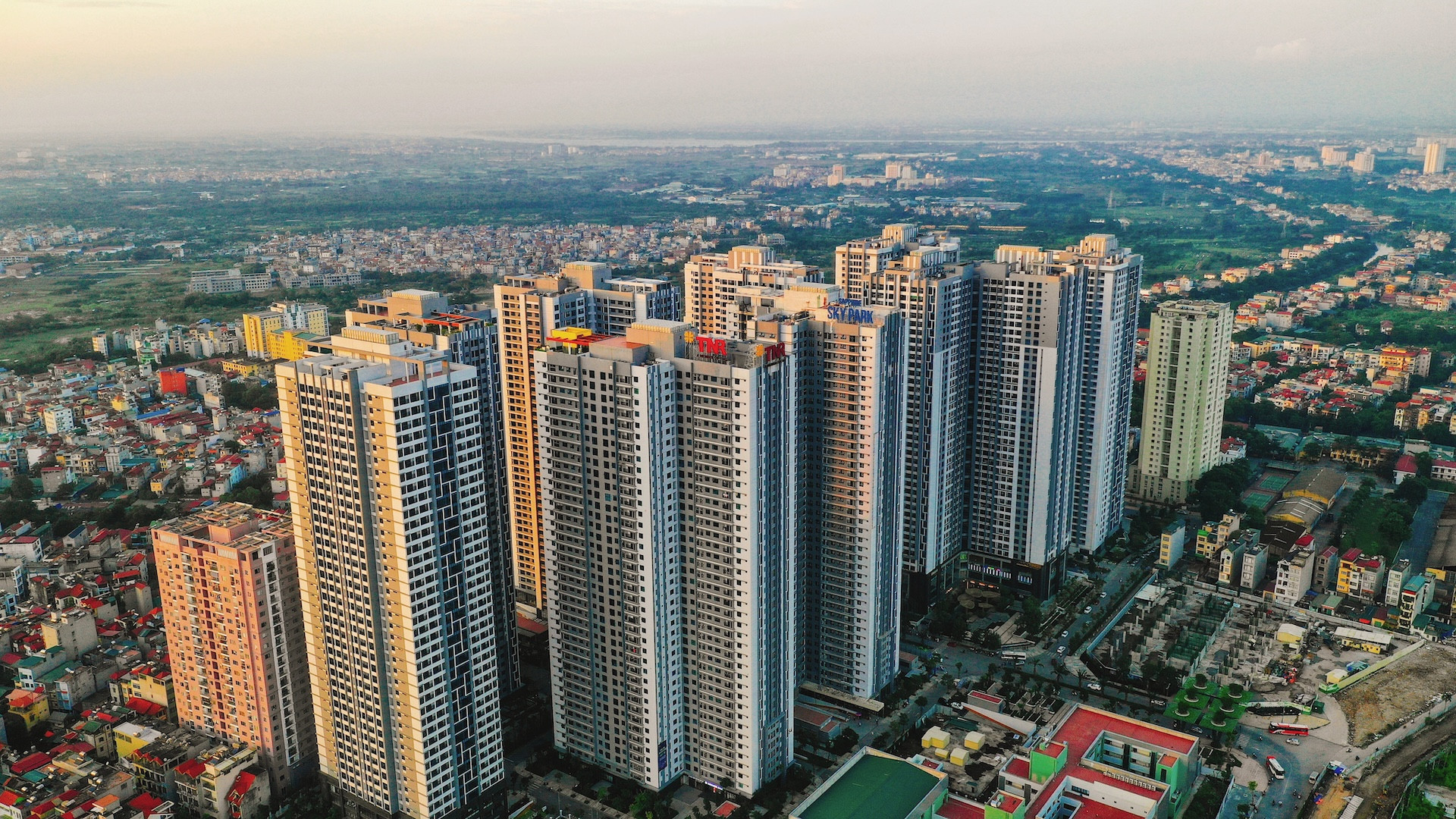
In Hanoi, nearly 2 million people are currently living in boarding houses, mini-apartments, and other types of housing built by residents for rent. This information was revealed during a recent meeting between the Chairman of Hanoi City and workers and laborers in the capital.
Thus, with Hanoi's population of nearly 9 million people, this group of residents accounts for more than 20%. In other words, for every four to five people living in Hanoi, one person is living in rented rooms, mini-apartments, or other rented accommodation.
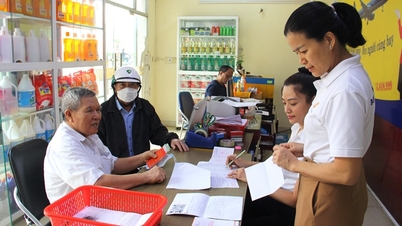
The tenants could be a young teacher, a supermarket employee, a security guard, a driver, a construction worker, or a service worker who doesn't yet have stable and decent housing.
Of course, these people, and many others in the middle class, are still a long way from being able to buy a house, especially when the House Price-to-Income Index (PIR) in Vietnam currently ranges from 23.7 to 30 times, a figure presented at the Vietnam Real Estate Forum in early June 2026.
This means that house prices have risen much faster than workers' incomes. The dream of owning a stable home, once considered the foundation of a secure and prosperous life, is becoming increasingly difficult to achieve for many young families.
Paradoxically, Vietnam currently has one of the highest home ownership rates in the world , around 90%. But this is largely the achievement of previous generations.
With today's young workforce and immigrants, the story is different, as house prices in Vietnam have increased by approximately 59% in just the last five years, according to calculations by real estate consulting firms.
Looking at major industrial centers like Hai Phong , which has over 370,000 workers, the demand for rental housing reaches approximately 33,000 units, but the existing supply only meets about 12%, according to Hai Phong authorities.
A shortage of rental housing is also occurring in Bac Ninh, Hung Yen, and many other industrial areas.
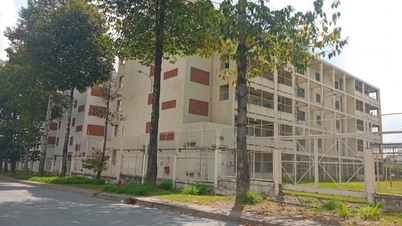
The majority of workers still live in informal housing built by households, posing numerous risks regarding fire safety, living environment, and service quality.
The roles of the parties
For many years, the most sensible option for real estate businesses was to build to sell. Once the project was completed, the products were sold, capital was recovered quickly, and the business didn't have to manage the asset for many years afterward.


Conversely, rental housing requires a large capital outlay, a long payback period, and the ability to manage and operate it for decades.
The cause doesn't lie entirely with the company.
The current mechanism still requires businesses to pay substantial land use fees upfront. Meanwhile, the market lacks long-term funding sources such as real estate investment trusts (REITs) to support projects with long payback periods.
The problem is further complicated by the fact that rental yields in Vietnam are currently only around 2-4% per year, much lower than many markets in the region and even less attractive than bank savings deposits. This makes many businesses reluctant to invest in this segment.
A rental housing market can only thrive when all four parties see benefits: tenants need reasonable prices, businesses need sufficiently attractive profits, banks need stable cash flow, and the government needs to address social welfare and employment issues.
To change businesses' choices, the government cannot simply rely on administrative orders. More importantly, it must create mechanisms that are attractive enough for businesses to participate.
Many countries don't view rental housing simply as a real estate product. They see it as part of urban infrastructure, similar to transportation, schools, or hospitals.
From that approach, a new policy framework is gradually taking shape, clearly defining four groups: commercial housing, rental housing, public housing, and subsidized housing.
This clear distinction helps the State determine which areas should be left to the market to operate independently, which areas require support, and which groups need to be guaranteed by public policies.
To achieve this, the Government has requested localities to urgently review housing needs by June 2026, as a basis for amending the Housing Law and the Real Estate Business Law in the near future.
What could be the solution?
Instead of simply clearing land and building new structures, authorities are considering a mechanism that would allow businesses to acquire existing commercial or social housing projects and convert them into rental models.
Simultaneously, a portion of state-owned housing funds will be utilized in commercial projects to expand the supply.
To compensate for the low rental yields, businesses may be given opportunities to develop accompanying commercial and service activities to generate additional revenue. Preferential credit and tax policies are also being studied to attract long-term investment capital.



Not only businesses, but tenants also need better legal protection. The biggest worry for many renters is not just the rent, but also the risk of sudden price increases, unexpected contract termination, or difficulties accessing basic public services such as schools for their children.
If we want people to accept long-term rentals instead of trying to own a home at all costs, the rights of tenants need to be guaranteed through stable contracts and an equal living environment.
During this process, the State needs to invest initial capital to build confidence in the market, while simultaneously reviewing underutilized public assets and improving technical standards for small-scale rental housing.
Rental housing, therefore, is not just a story about the real estate market. It's also a story about the right of ordinary people to live in the city.
Next installment: Four key links to implementing rental housing.
Source: https://vietnamnet.vn/nha-o-cho-thue-tu-phan-khuc-ben-le-thanh-chien-luoc-quoc-gia-2528647.html

![[Photo] Prime Minister Le Minh Hung presides over the thematic session on promoting science and technology development and innovation.](https://vphoto.vietnam.vn/thumb/1200x675/vietnam/resource/IMAGE/2026/06/23/1782207872934_ndo_br_dsc-1724-jpg.webp)