


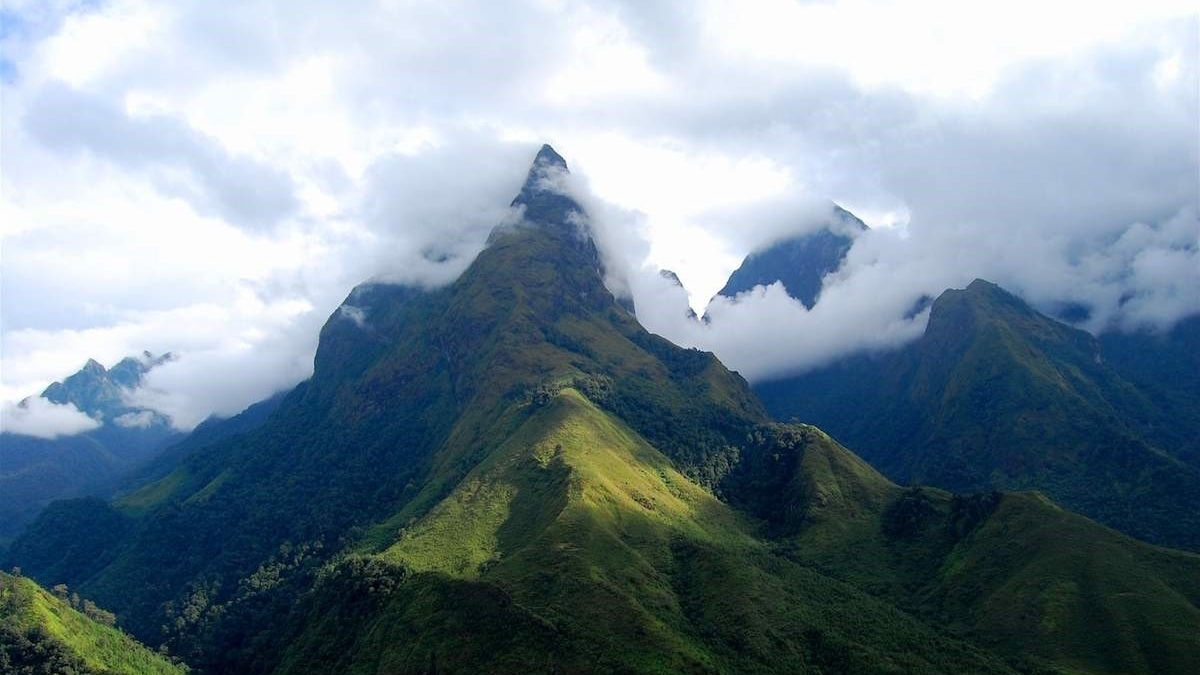
From July 1st, 2025, Lao Cai province was established by merging the entire administrative boundaries of Yen Bai and Lao Cai provinces. With a total natural area of 13,256.92 km² and a population of 1,778,785 people, comprising 99 commune-level administrative units, Lao Cai today possesses the full characteristics of highlands, lowlands, urban and rural areas, along with many sub-regions with unique advantages for development.
The strategic objective is to develop Lao Cai into a dynamic border economic region with a multi-centered structure, synchronous development, and close linkages between agriculture, industry, tourism, and logistics, thereby forming inter-regional and cross-border value chains. Furthermore, Lao Cai will become a modern, highly competitive international economic trade hub, playing a crucial role as a gateway for Vietnam in trade with southwestern provinces, China, and the ASEAN region.
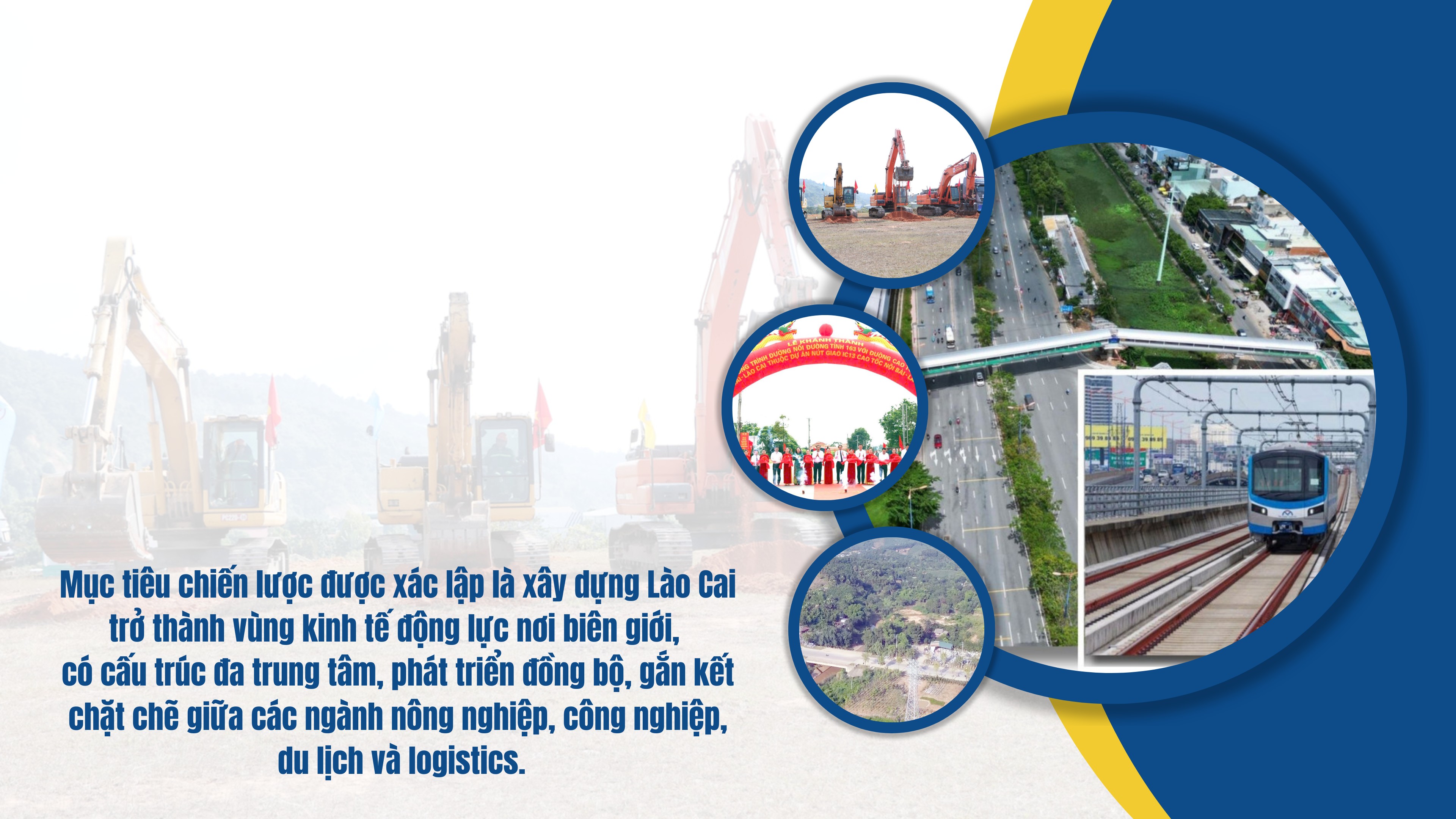
To realize that vision, the province has shaped its socio-economic development space according to a strategic orientation: one driving axis, two development poles, three economic regions, and four development pillars – creating a continuous, mutually supportive structure that generates overall strength. In this, the development of a connected, synchronized, and modern transportation system is considered a decisive factor.
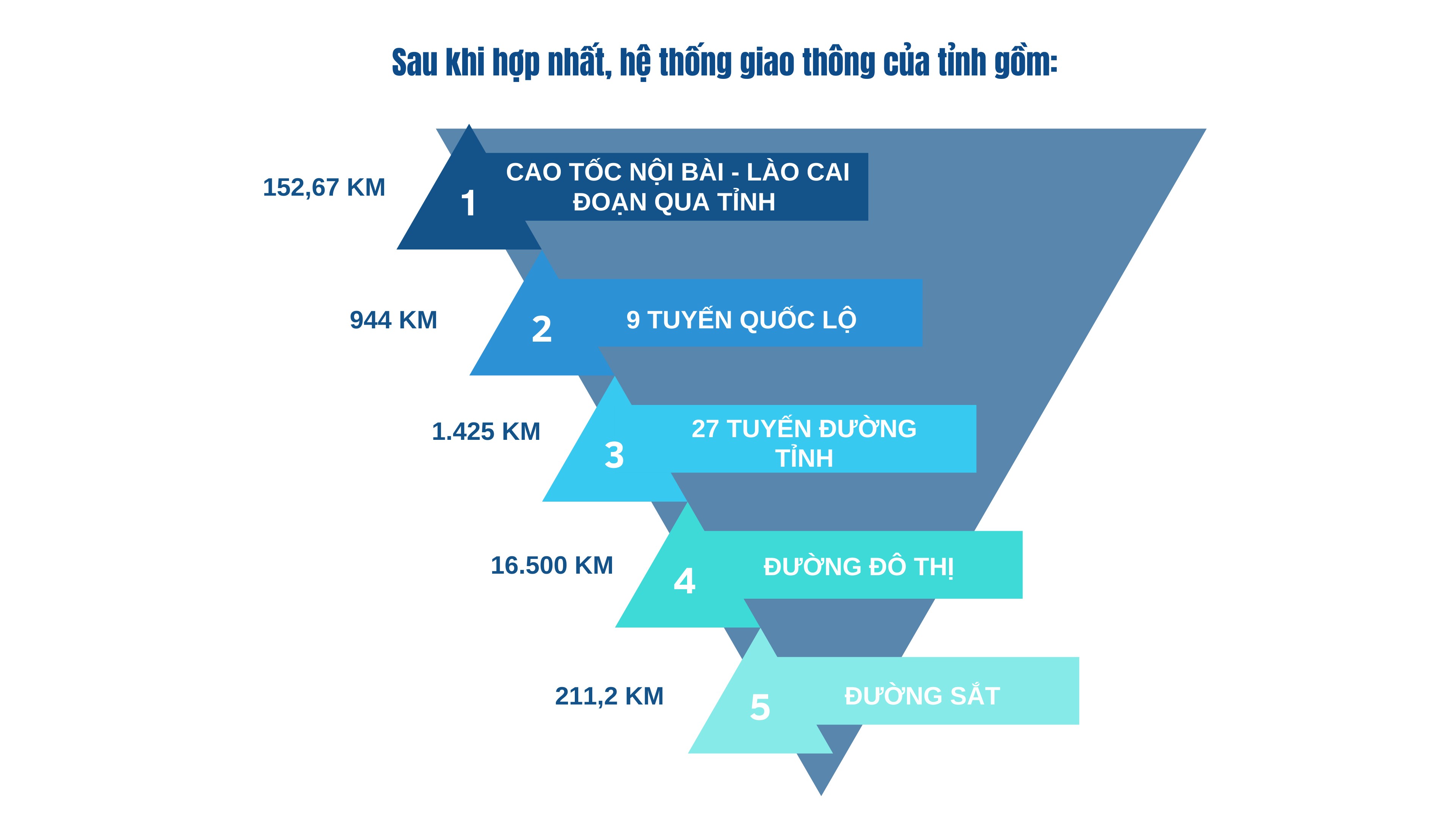
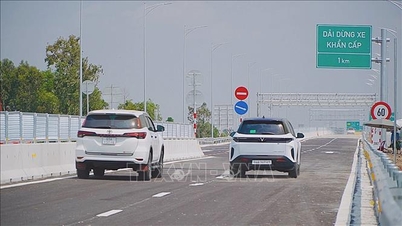
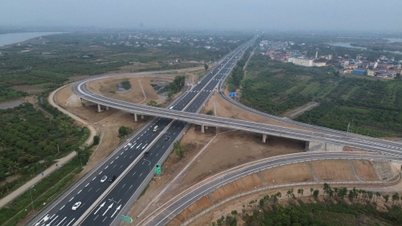
After the merger, the province's transportation system includes the Noi Bai - Lao Cai expressway section passing through the area, 152.67 km long; 9 national highways with a total length of 944 km; 27 provincial roads totaling 1,425 km, along with more than 16,500 km of urban roads, rural roads, village roads, specialized roads, border patrol roads, etc., of which nearly 90% have been paved.
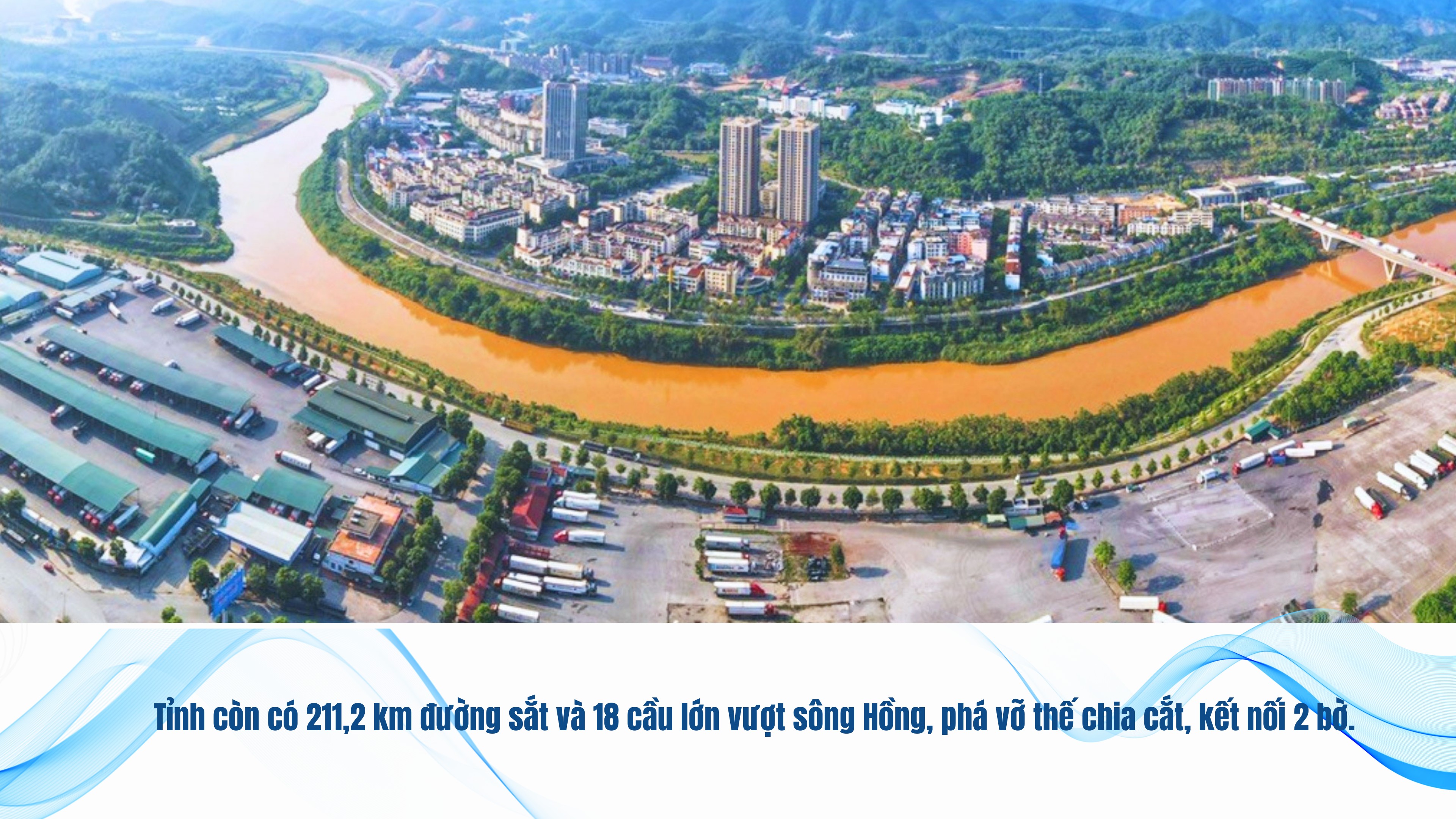
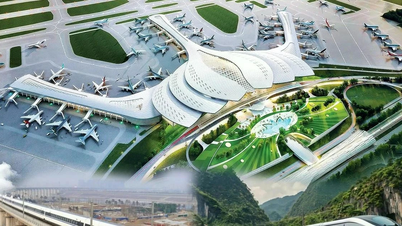
In addition, the province has 211.2 km of railway and 18 large bridges crossing the Red River, breaking the isolation and connecting the two banks. In particular, the Sa Pa Airport Project is expected to open up a completely new mode of transportation for Lao Cai. Upon completion, the airport will not only boost high-end tourism but also create a competitive advantage in transporting high-value goods, attracting investment and international experts.
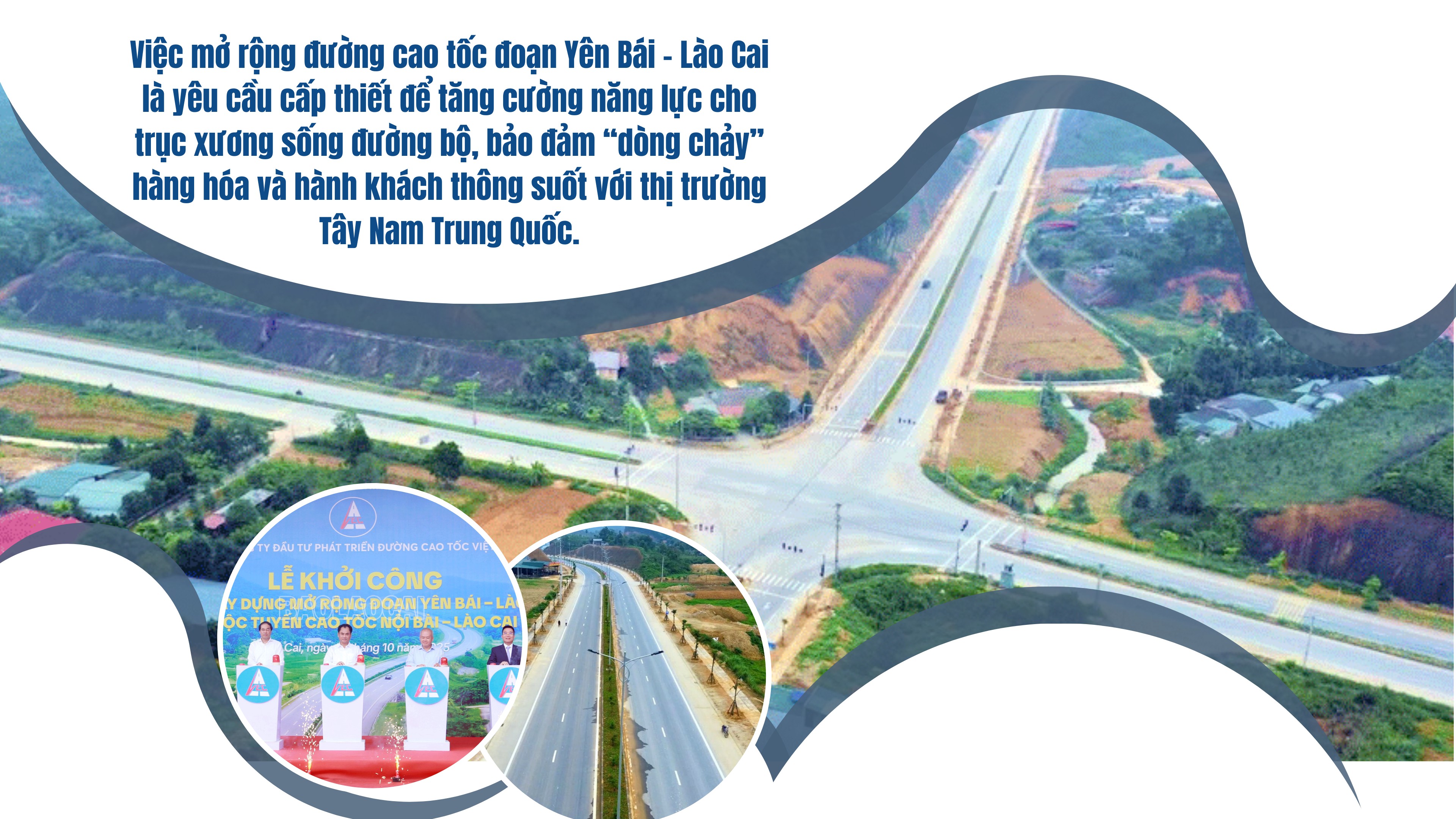
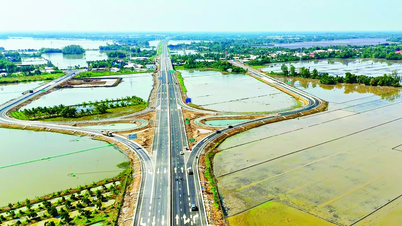
Continuing its breakthrough and strong development, creating a new face for the land at the northern border gateway, on October 1, 2025, the Yen Bai - Lao Cai section expansion project of the Noi Bai - Lao Cai expressway officially commenced. The 121 km long project will expand from 2 to 4 lanes, with a total investment of over 7,668 billion VND, and is expected to be completed in 2026. Expanding the Yen Bai - Lao Cai section of the expressway is an urgent requirement to strengthen the capacity of the road backbone, ensuring a smooth flow of goods and passengers to the Southwest market of China.
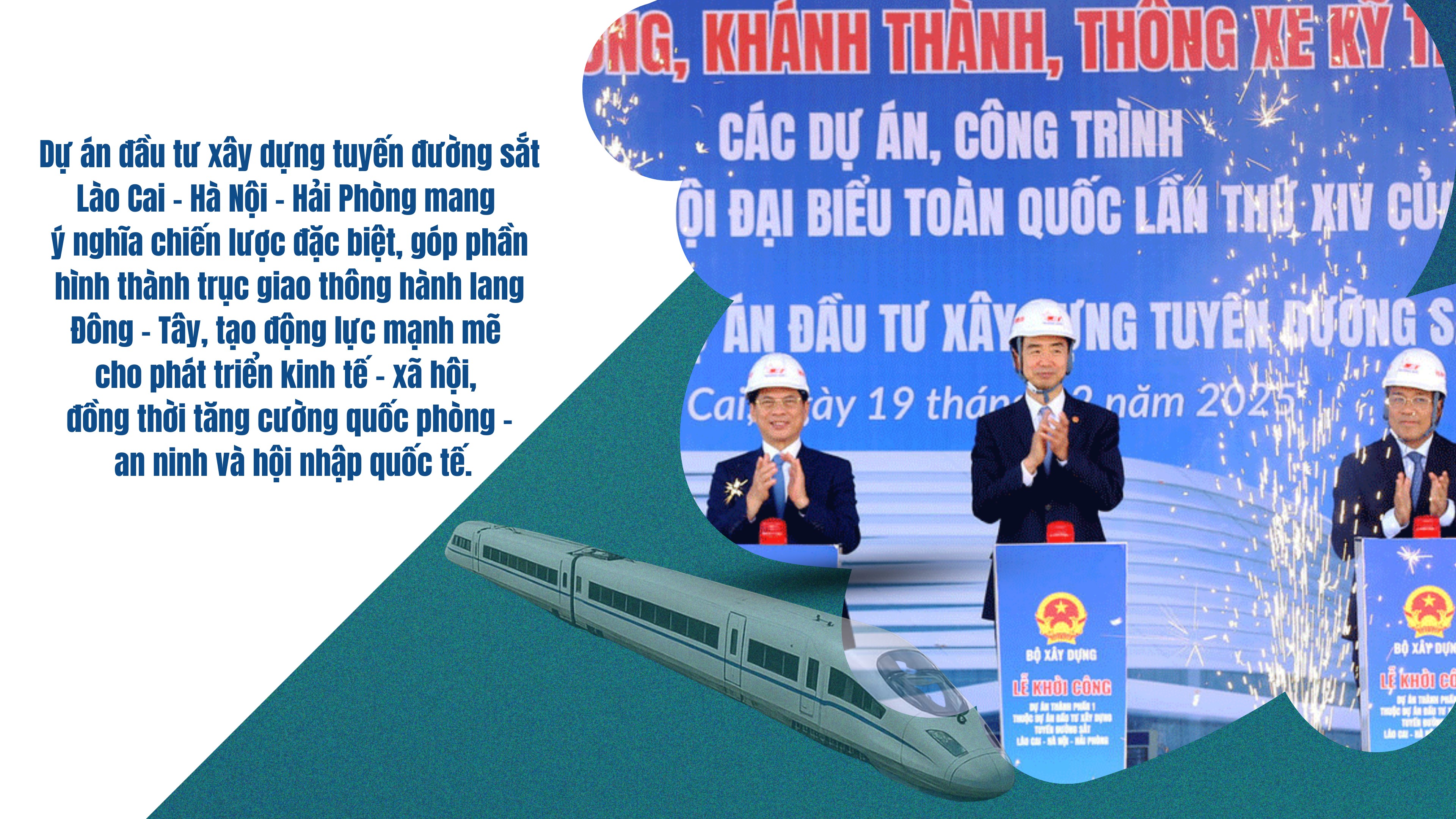
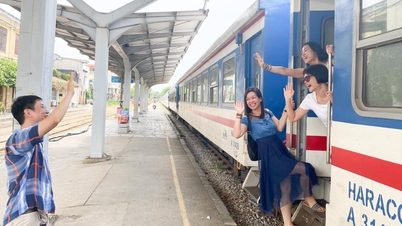
Simultaneously, the investment project to build the Lao Cai - Hanoi - Hai Phong railway line, with a total length of nearly 391 km, has been approved by the National Assembly and the first component project commenced on December 19, 2025. The section through Lao Cai alone is over 143 km long, including 5 stations and 4 technical depots. Component project 1 – investing in infrastructure connecting the stations along the line and station plazas – with a total investment of over 3,200 billion VND, has been launched. This is a project of special strategic significance, contributing to the formation of the East-West transport corridor, creating a strong impetus for socio-economic development, while strengthening national defense and security and international integration.
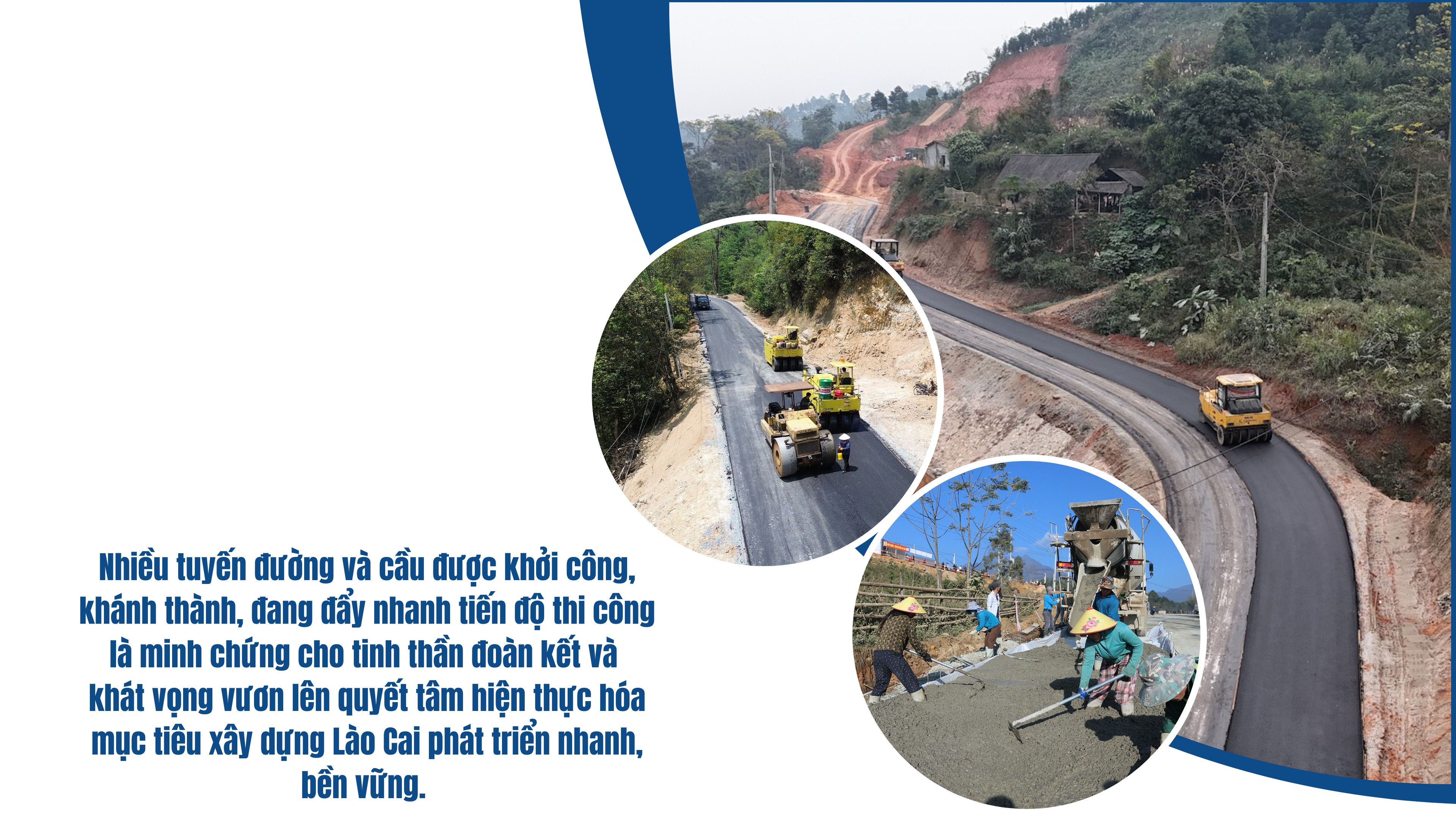
Along with the two key projects mentioned above, many roads and bridges have been started, inaugurated, or are being constructed at an accelerated pace, demonstrating the spirit of solidarity and the aspiration to realize the goal of building a rapidly and sustainably developing Lao Cai. These include the road connecting Muong La (Son La); Than Uyen, Tan Uyen (Lai Chau); Mu Cang Chai, Van Chan, Van Yen (formerly Yen Bai) with the Noi Bai - Lao Cai expressway, with a total investment of over 2,000 billion VND and a length of approximately 69 km. This project creates a strategic transportation axis, shortening travel time and promoting socio-economic development, tourism, and national defense in the provinces of the Northwest region. Other projects include the renovation and upgrading of National Highway 32, the IC13 interchange connecting Provincial Road 163 with the Noi Bai - Lao Cai expressway; and the road connecting National Highway 37 and National Highway 32C with the Noi Bai - Lao Cai expressway. The border bridge across the Red River in Ban Vuoc commune, connecting with Ha Khau (China), holds special significance in creating a foundation for attracting investment, developing urban areas, commercial services, and industries, and strengthening cross-border economic and trade exchanges. Simultaneously, it serves the overall planning vision, focusing on strategic development: a dynamic axis along the Red River, two development poles in the North and South, three economic zones including the East, West, and Central regions, and four pillars of development: industry, commercial agriculture, tourism and services, and border gate economy. With smooth transportation, these four economic pillars can simultaneously thrive, creating momentum for the entire region.
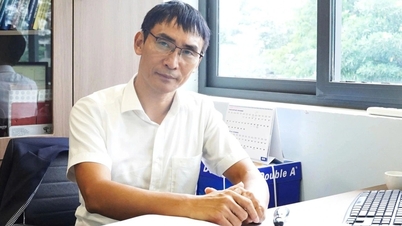
Mr. Nguyen Huy Long, Chairman of the Provincial Business Association, believes that developing transportation infrastructure facilitates traffic and trade for both citizens and businesses, creating more opportunities for cooperation in the future.
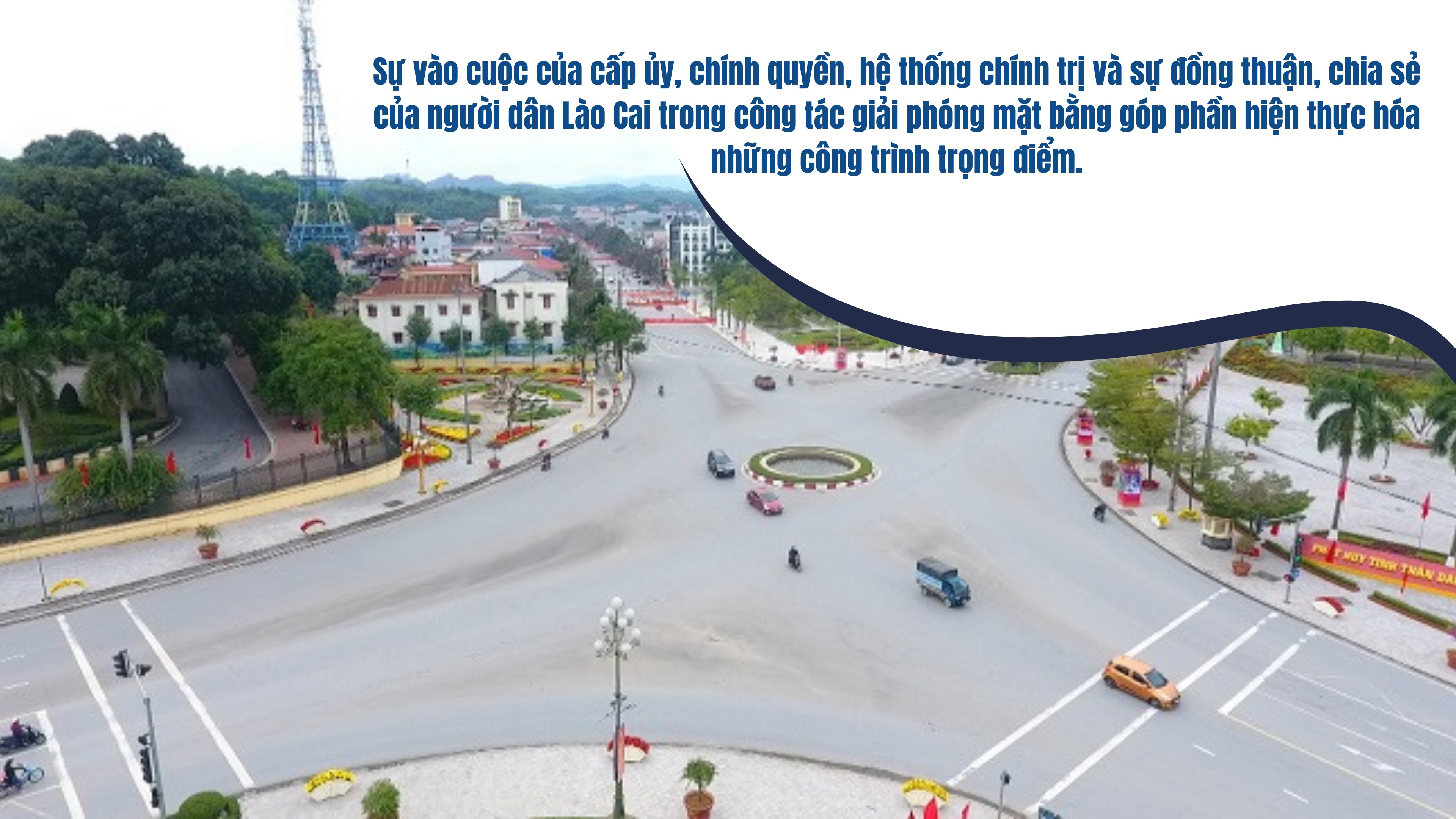
To realize key projects with large mobilized capital, it would be remiss to discuss the importance of these projects without mentioning the role and involvement of the Party committees, government, political system, and the consensus and cooperation of the people of Lao Cai in land clearance work.
Thanks to skillful and transparent public relations work and attention to resettlement, out of tens of thousands of affected individuals, the majority of households and organizations have agreed to the project. Mr. Nong Van Vang from Ban Vai village, Bat Xat commune, who was affected by the Lao Cai - Hanoi - Hai Phong railway project, shared: “Building the road serves socio-economic development. Although it requires moving from our old homes, we fully support it for the common good.”
This spring, the newly opened roads seem more vibrant than ever. Lao Cai enters the new year with pride in the transportation projects that have been and are being built, connecting villages with towns and cities, linking the mountains with the plains, and connecting the country with international friends. These are not just roads, bridges, and train stations, but also bridges of aspiration and belief in a prosperous future.
Presented by: Thuy Thanh
Source: https://baolaocai.vn/nhip-noi-khat-vong-vuon-len-post894088.html
![[Photo] General Secretary To Lam attends the opening session of the Peace Council on Gaza.](https://vphoto.vietnam.vn/thumb/1200x675/vietnam/resource/IMAGE/2026/02/19/1771516865192_tbttolam5-jpg.webp)




















































Comment (0)