

Teachers should not be stingy with praise for their students.
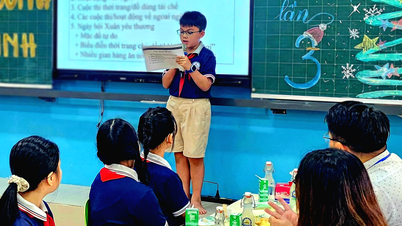
To earn the respect, love, and affection of their students, teachers must be responsible, dedicated, passionate about their profession, and caring towards their students. This is demonstrated first and foremost through each meticulously prepared and thoughtfully crafted lesson plan.
It's important to remember that in the era of Industry 4.0 and artificial intelligence, teachers are no longer the "only" figures in a student's development journey. Therefore, to teach effectively, teachers must dedicate significant effort to lesson planning, combining traditional methods with technological applications, to remain "top-tier teachers" who cannot be replaced by robots or AI applications. Recognizing their teachers' dedication and love for the profession, students will trust, enjoy learning, and cooperate diligently, thus strengthening their connections with teachers and peers.
When evaluating students, teachers must carefully consider each question and test to ensure fairness and honesty, recognizing each student's effort and aligning it with their individual abilities. Even with many classes and students, teachers should never overlook any student. Students always remember, sometimes even forever, their grades and comments. Therefore, teachers should not be stingy with praise; conversely, they must be cautious with their words when criticizing.
These are the initial "ingredients" that create civilized behavior in schools.
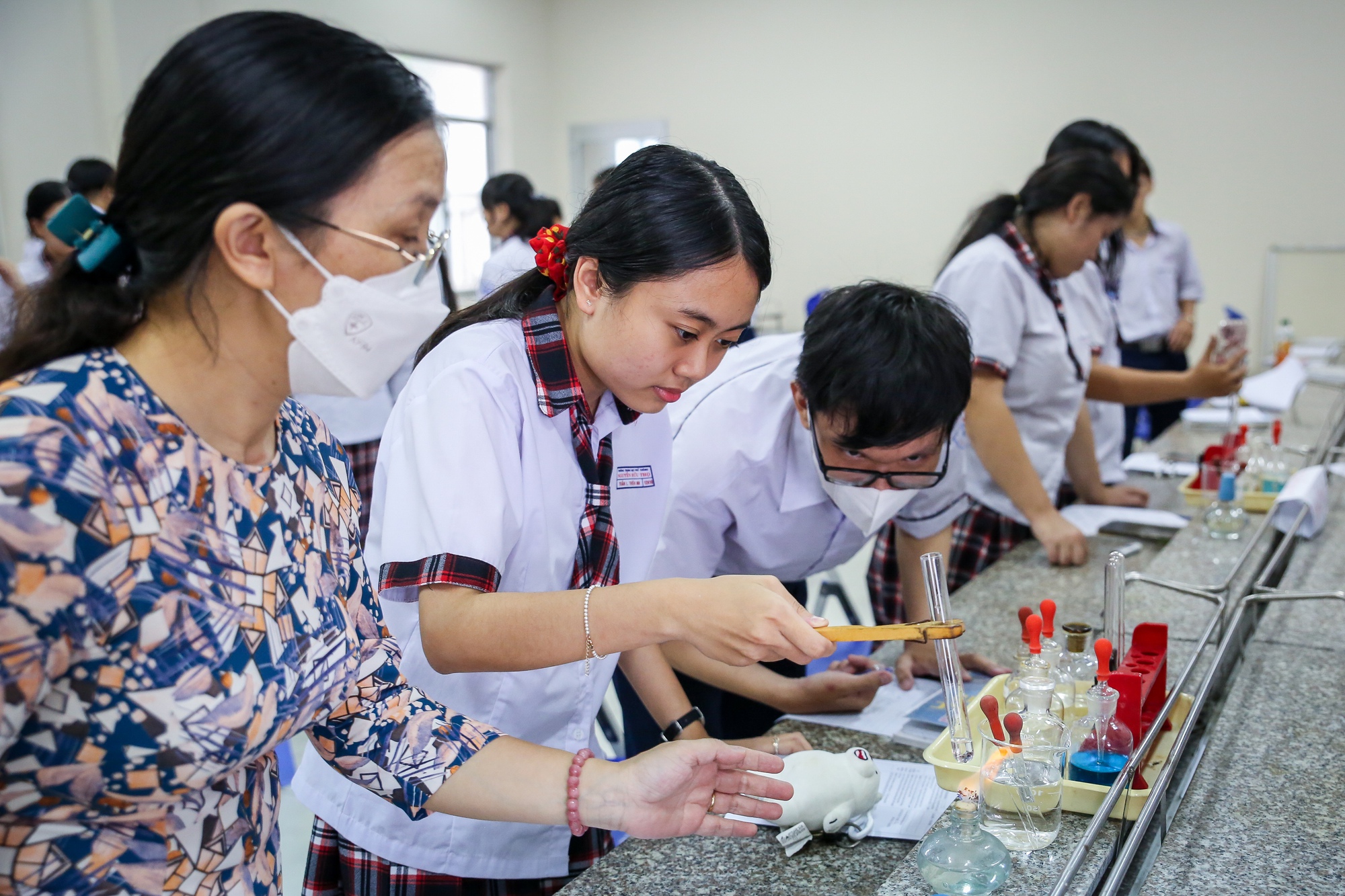
Seeing the dedication and love for their profession in their teachers, students will trust, enjoy learning, and cooperate diligently, thus strengthening their connections with teachers and friends.
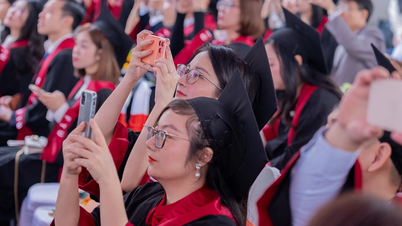
ILLUSTRATIVE PHOTO: DAO NGOC THACH
Principals shouldn't chase after achievements.
The principal should be an inspiring and supportive figure, helping teachers to behave appropriately towards students, parents, and colleagues.
The principal is the "chief architect" for cultivating civilized behavior in schools. To achieve this, the principal must be willing to read, study, be deeply involved with the school, consider the school as their home, their colleagues as friends, and their students as their children or younger siblings. The principal should not treat teachers, parents, and students as "commodities" to be pursued for so-called "commissions."
In the context of competition, principals should not chase after achievements at the expense of damaging relationships between teachers and students, and parents and teachers, as has happened in the past. Principals should base their approach on the principle of "genuine learning, genuine testing, genuine results." Genuine learning and testing, while challenging, will bring peace and harmony to the school once it becomes a habit. This is the foundation for civilized conduct in the school environment.
Adjustments are needed from all levels of education management.
While acknowledging the efforts of the education sector over the years, a review of the general education curriculum reveals that the more reforms are implemented, the greater the burden seems to increase; teachers have not been trained in time to suit the new curriculum; and teaching equipment is available in some places but not in others…
Teachers and students are still constantly busy with extra tutoring and supplementary classes. Teachers and students are stressed and pressured by studying, exams, and grades, leading to psychological instability and the potential for rebellion at any time.
Therefore, to ensure that teachers and students are happy to come to school every day, educational administrators at all levels need to make fundamental adjustments.
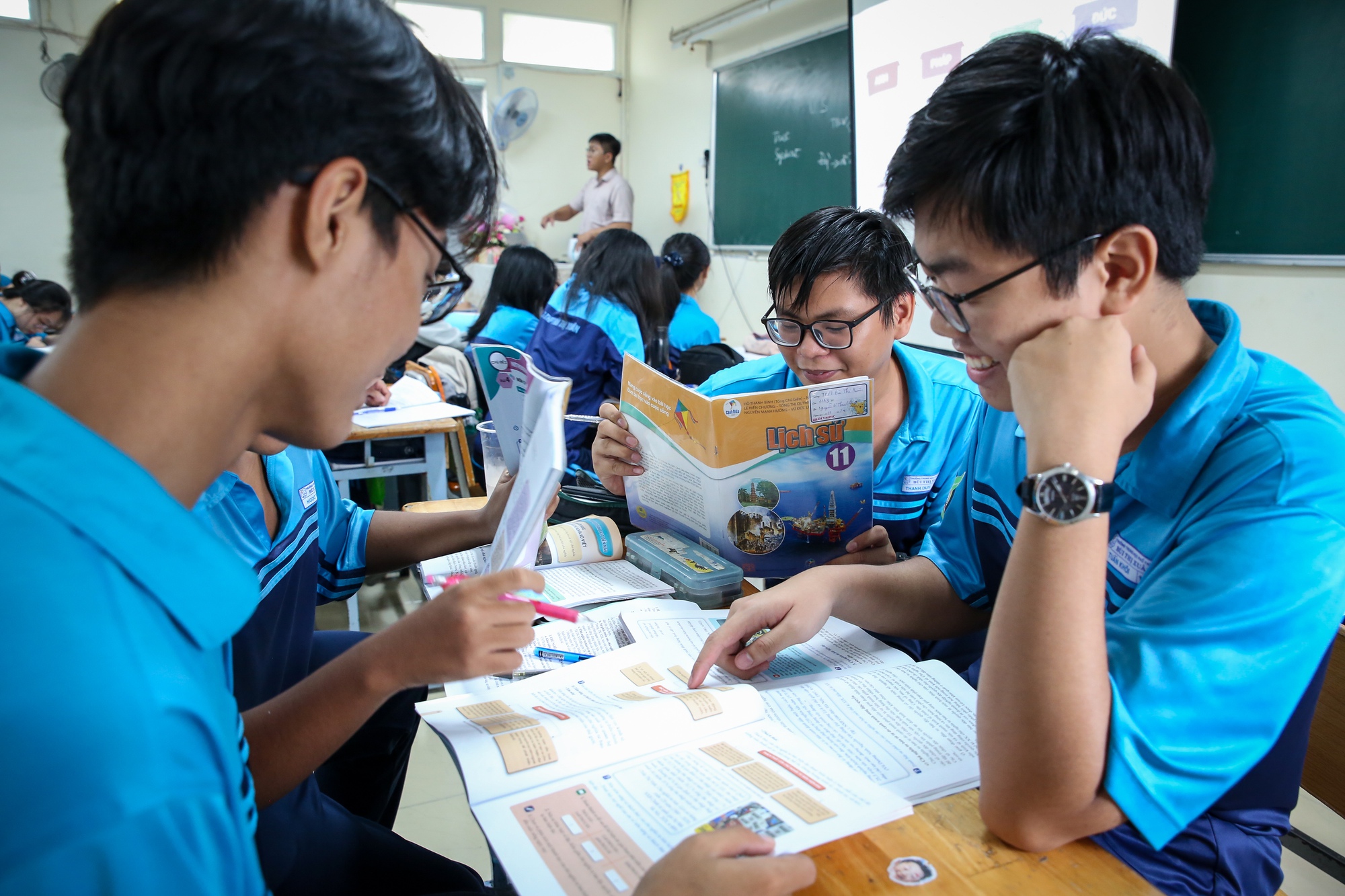
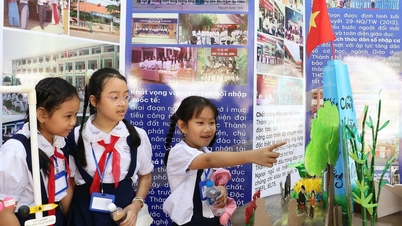
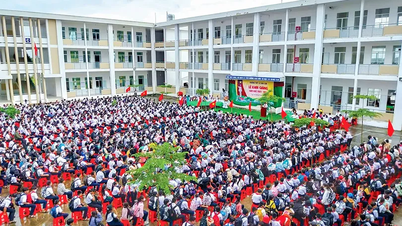
Schools need to strengthen education on politeness and proper conduct among students, between students and teachers, and between students and the community and family.
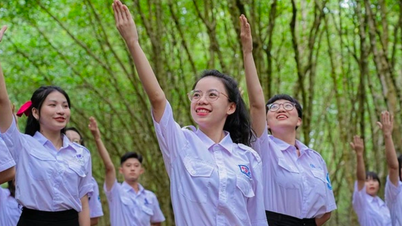
ILLUSTRATIVE PHOTO: DAO NGOC THACH
For example, design the curriculum with two minimum and maximum thresholds to allocate time for students to develop life skills, play sports , participate in volunteer activities, etc. Strengthen education on politeness and proper conduct among students, between students and teachers, and between students and the community and family.
It is necessary to reorganize secondary schools, increasing the proportion of private schools developing work-study programs to replace the current vocational and continuing education centers. Streamlining students after lower and upper secondary education is crucial for genuine learning and genuine testing. Re-evaluating specialized schools, not just focusing on quantity, is also essential… This aims to re-establish school discipline, a fundamental path to fostering civilized behavior within schools.
Eliminating excessive school fees; curbing widespread private tutoring; ensuring transparency in education management; and caring for the well-being of teachers… Only when these aspects are improved will the necessary and sufficient conditions for fostering civilized behavior in schools be met.
Source link


![[Photo] Prime Minister Pham Minh Chinh presides over a meeting on private sector economic development.](/_next/image?url=https%3A%2F%2Fvphoto.vietnam.vn%2Fthumb%2F1200x675%2Fvietnam%2Fresource%2FIMAGE%2F2025%2F12%2F20%2F1766237501876_thiet-ke-chua-co-ten-40-png.webp&w=3840&q=75)


























































Comment (0)