


International students in Australia, one of the countries experiencing significant changes in its study abroad policies in 2023.
Many measures to protect international students.
To attract international students during the pandemic, countries like Australia, Canada, and the UK relaxed and expanded many study abroad policies, such as visas, work rights, and immigration opportunities. However, the surge in the number of international students immediately after borders reopened created many negative issues, such as housing crises and exploitation of education , forcing these countries to tighten policies to protect students' rights.
Specifically, Australia increased financial proof requirements, eliminated dual study programs, and removed Covid-19 visas. Meanwhile, the UK government banned international students from switching to work visas before completing their studies, and Canada required universities to directly verify international students' offers of admission with immigration authorities instead of simply sending the letters as before.
In contrast to the trends seen in top study destinations, some Nordic countries have long viewed international students as a factor contributing to diversity and welcoming learners from other countries at a lower cost. However, a shift in political views has led Norway and Finland to decide to increase tuition fees for non-EU students in 2023, according to The PIE News .
Germany is considered a "paradise" for international students, welcoming record numbers of foreign students thanks to low tuition fees and attractive job options after graduation. The US, on the other hand, is relatively quiet on policy, and it may be the only country where education administrators want more government intervention, for example, in designing national strategies.
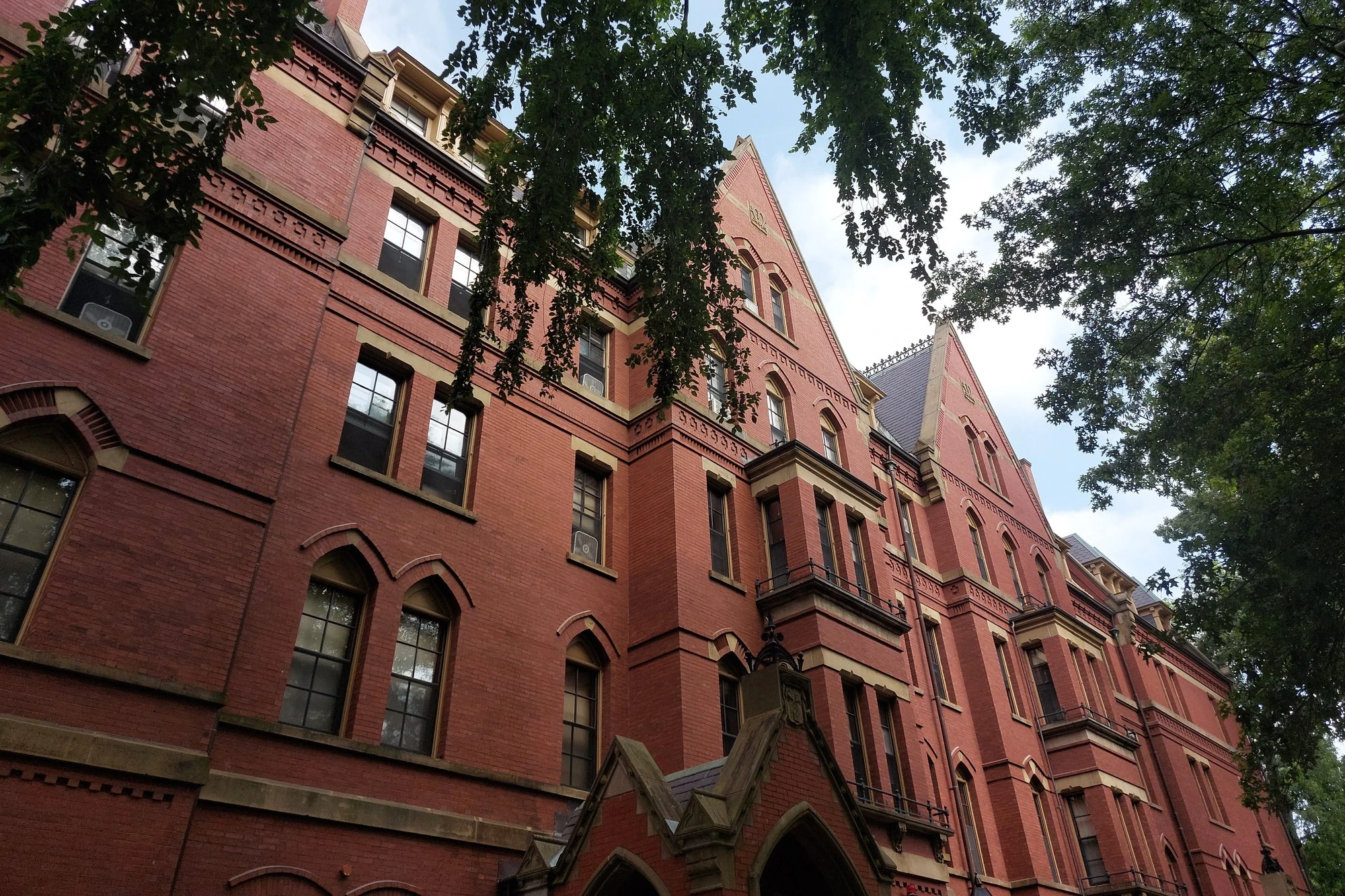
A building at Harvard University, USA
On the other side of the globe, due to the impact of prolonged border closures, New Zealand is still struggling to recover its international student numbers to pre-pandemic levels. This prospect could become a reality next year as the island nation's new government promises to expand work rights, expedite visa processing, and allow international students to settle after graduation.
The new regulations will take effect from 2024.
Another focus of Australia's policy is reducing immigration. A prominent measure is the increased English language requirements starting in 2024. Specifically, applicants must achieve an IELTS score of 6.0 (or equivalent) instead of 5.5 to apply for a student visa, and an IELTS score of 6.5 instead of 6.0 for a post-graduation work visa. For English language programs or university foundation courses, the required scores are IELTS 5.0 and 5.5 respectively.
Australia will also replace the study plan letter in student visa applications with a test for genuine learners, and is committed to simplifying post-graduation work visas, limiting visa "hopping" by more closely reviewing second visa applications from international students... The country is also shortening the post-graduation work period for applied master's degrees (to 2 years) and doctoral degrees (to 3 years).
In the UK, from January 2024, only international students pursuing master's and doctoral degrees will be allowed to bring family members with them. Additionally, the UK government has raised the skilled worker visa requirements and reviewed post-graduation work visas. Specifically, the minimum salary required for a skilled worker visa has increased to £38,700 per year (approximately 1.2 billion VND). Furthermore, the duration of post-graduation work visas may be reduced to six months instead of the previous three years.

International students in the UK
UNIVERSITY OF SOUTHAMPTON
If choosing Canada as their destination, in addition to tuition and travel expenses, international students must demonstrate they have CAD 20,635 (VND 376 million) available to apply for a study permit. This new requirement is double the previous CAD 10,000 and will take effect on January 1, 2024. Canada also warned schools that they would only send admission offers if they could arrange accommodation for international students, and allowed unlimited part-time work until April 30, 2024.
From 2024 onwards, universities have also announced many new admissions policies. For example, in South Korea, starting in the spring semester, universities will no longer require international students to submit essays, personal statements, or study plans, and will relax language requirements. Similarly, in China, many universities require applicants to demonstrate financial solvency and possess a Chinese language proficiency certificate at level 4 or higher, a requirement rarely met in the past.
Source link


































































![[Video] Sunset at Lap An Lagoon – Where the sun sets over the fishing nets](https://vphoto.vietnam.vn/thumb/1200x675/vietnam/resource/IMAGE/2026/05/31/1780192137701_beach-landscape-sea-water-nature-grass-745871-pxhere-com.jpeg)







































Comment (0)