

Infrastructure and amenities
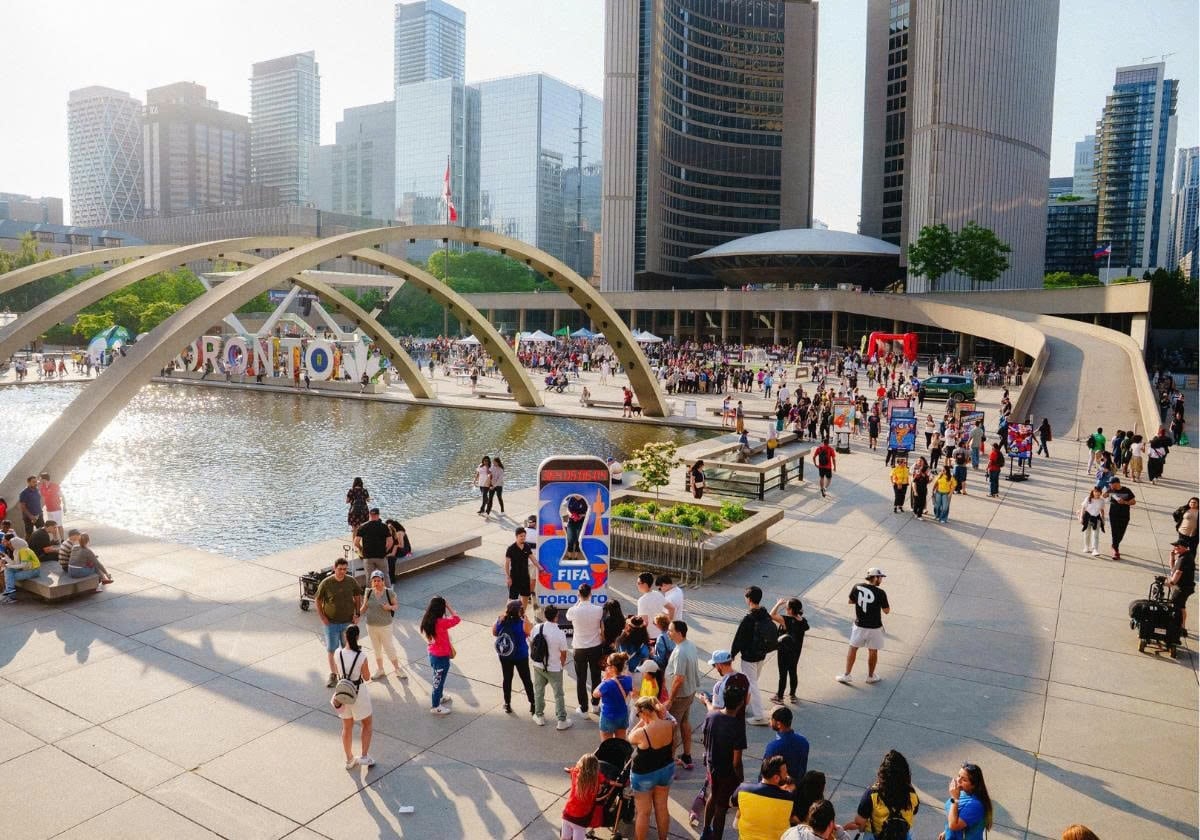
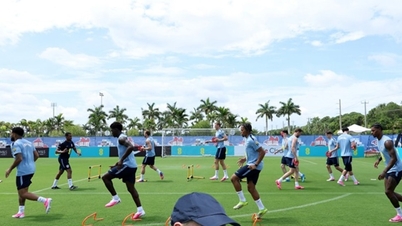
The 2026 World Cup – the biggest football tournament on the planet, featuring 48 national teams – will take place across the United States, Canada, and Mexico from June 11th to July 19th, expected to attract billions of viewers. For many fans, watching the matches live doesn't mean having to stop working. The combination of remote work and sporting experiences is fueling a strong wave of digital nomadism in the host cities.
According to Euronews , web hosting provider 20i analyzed 16 host cities based on key criteria for remote work. Factors evaluated included: internet speed, availability of workspace, technology support, travel, accommodation, and living costs, as well as local healthcare and national cybersecurity.
While each location possesses its own unique appeal, Toronto and Vancouver (Canada) still lead the list of ideal destinations for digital nomads at the 2026 World Cup thanks to their superior broadband speeds (over 200 Mbps). While Houston and Philadelphia (USA) score points for connectivity infrastructure and cybersecurity, cities in Mexico excel in terms of affordable living costs and diverse accommodation options.
A survey by 20i indicates that the New York-New Jersey region (USA) boasts the largest network of co-working spaces among the host cities, with a total of 266 locations...
Passport for nomads number
Conservation predicts that Toronto and Vancouver will attract millions of tourists, contributing $3.8 billion to the economy during the 2026 World Cup. In 2023, Canada implemented a roadmap for remote workers to attract technology talent. Under this roadmap, digital nomads working for foreign companies can stay for up to six months and have the opportunity to convert to work permits if they receive a formal offer. Toronto, Vancouver, and Montreal are multicultural technology hubs with strong links to the global market.
To maximize the benefits of the World Cup, Canada is implementing temporary accommodation solutions such as utilizing university dormitories and adjusting short-term rental regulations to curb rising prices. For Ottawa, the 2026 World Cup is not simply a sporting event, but a pivotal moment to shape its national brand and take the lead in the global mobility revolution.
In Mexico, the 2026 World Cup is also creating a surge in digital nomadism, particularly from Europe. This phenomenon is reshaping the tourism industry by extending stays, incorporating remote work, and creating far-reaching economic impacts for local communities.
Despite hosting only 13 out of 104 matches, Mexican cities like Mexico City, Guadalajara, and Monterrey have become hotspots for digital nomads, acting as catalysts for urban transformation. Digital nomads often arrive early to settle down, work remotely, and fully enjoy the World Cup atmosphere.
Similarly, Tourism Economics forecasts that the US will welcome 1.24 million international visitors during this year's World Cup.
The convergence of remote work trends and major sporting events marks a significant turning point. The World Cup now attracts not only pure fans but also a global community reshaping how we travel, consume, and live. Football is no longer confined to 90 minutes, but has expanded into weeks of connection, work, and cultural experiences.
Source: https://baodanang.vn/world-cup-2026-mua-hoi-ly-tuong-don-du-muc-so-3339119.html



![[Photo] Delegation attending the 14th Congress of the Vietnam Trade Union visits the Mausoleum of President Ho Chi Minh.](https://vphoto.vietnam.vn/thumb/1200x675/vietnam/resource/IMAGE/2026/06/03/1780451842301_ndo_br_img-3824-jpg.webp)









































































Comment (0)