

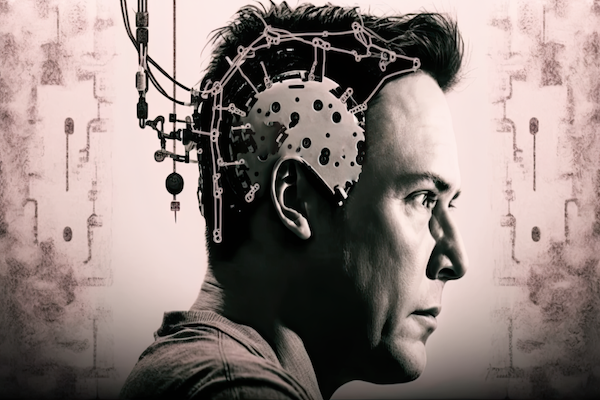
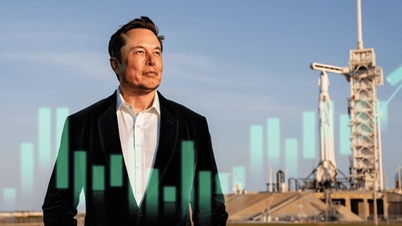
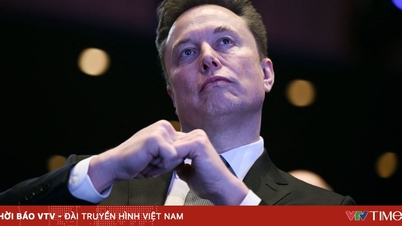
On January 29th, billionaire Elon Musk announced on X that Neuralink had implanted a chip in the human brain for the first time and that the patient was “recovering well,” with initial results “showing promising potential for detecting neuronal spikes.”
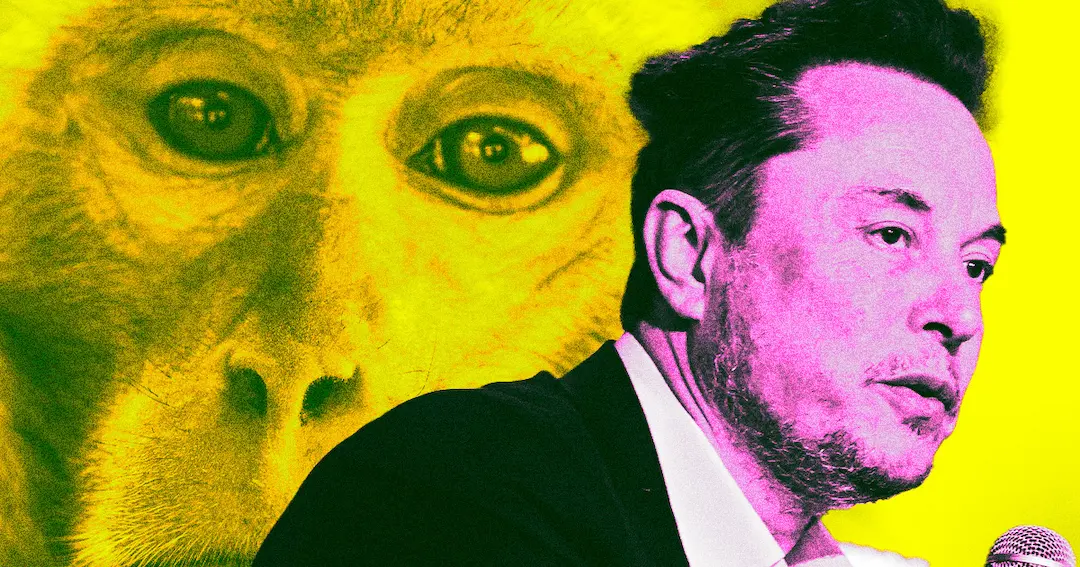
However, he made no mention of the intense controversies surrounding his brain-computer interface (BCI) company, including Neuralink's handling of laboratory monkeys.
In May 2023, Neuralink announced that it had received approval from the U.S. Food and Drug Administration (FDA) to conduct human trials. A few months later, the company began recruiting patients for the experiment.
Just one day later, Wired magazine reported that about a dozen Rhesus monkeys in Neuralink's experiment were experiencing all sorts of strange symptoms, including brain swelling, partial paralysis, and self-harming behavior. Eventually, many of the monkeys succumbed.
In an accident in 2019, the chip implanted in one of the monkeys suddenly malfunctioned. Waking up after the failed surgery, the monkey scratched the implant site, causing it to bleed. It turned out the wound was infected, but because of the implant, it couldn't receive any medical treatment. As a result, it eventually died.
Another test monkey in 2019 slammed its head against the ground and clawed at the surgical site until it bled, eventually losing control. This monkey also did not escape death.
According to Wired , approximately 21% of the monkeys in Neuralink's experiments reportedly died from problems with the brain chip implants. Most of the experiments in question took place in 2019 and 2020, the company's early stages.
However, it appears that details of those early experiments were not shared with Neuralink's investors. Consequently, the U.S. Securities and Exchange Commission (SEC) was pressured to investigate whether the company and its owner misled investors by concealing incidents.
It is unclear whether the SEC has opened an investigation into Neuralink, but in late 2022, Reuters reported that the U.S. Department of Agriculture had investigated the startup for possible violations of the Animal Welfare Act. By July 2023, the investigation concluded and found no evidence of violations of animal research rules, except for an incident in 2019 that Neuralink itself reported.
According to Futurism , during the research process for treatments, testing on animals unfortunately often leads to death. However, what drew criticism for Neuralink was its failure to disclose all of this to the public before raising funds and before recruiting participants for clinical trials and performing risky brain surgeries.
(According to Futurism)
Source
![[Photo] Prime Minister Pham Minh Chinh presides over a meeting on private sector economic development.](/_next/image?url=https%3A%2F%2Fvphoto.vietnam.vn%2Fthumb%2F1200x675%2Fvietnam%2Fresource%2FIMAGE%2F2025%2F12%2F20%2F1766237501876_thiet-ke-chua-co-ten-40-png.webp&w=3840&q=75)



























































































Comment (0)