

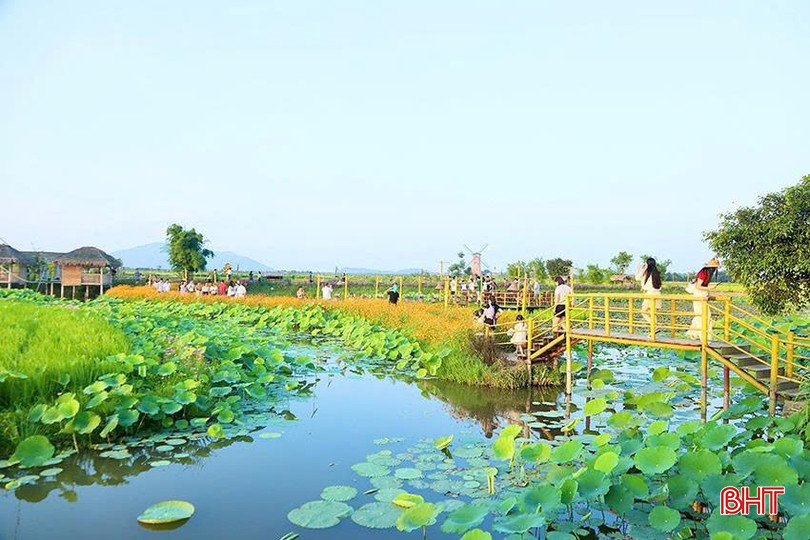
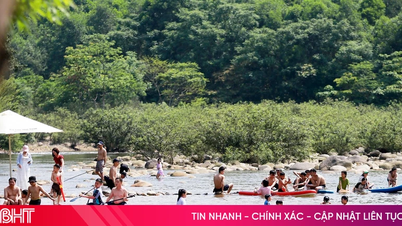
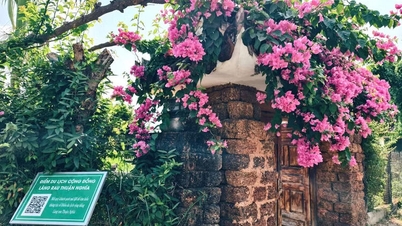
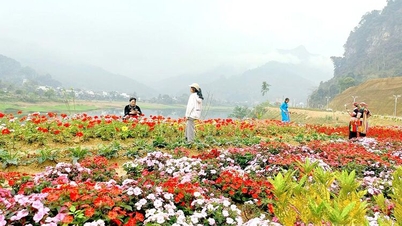
Lien Nhat Village (Tran Phu Ward) is becoming an attractive destination, drawing many tourists seeking unique experiences. With investment from the Lien Nhat Agricultural and General Services Cooperative, the ecotourism model here impresses with its peaceful rural beauty, featuring small paths winding through rice paddies and ponds, seasonal flower gardens, and rustic bamboo huts, offering a relaxing and close-to-nature experience.
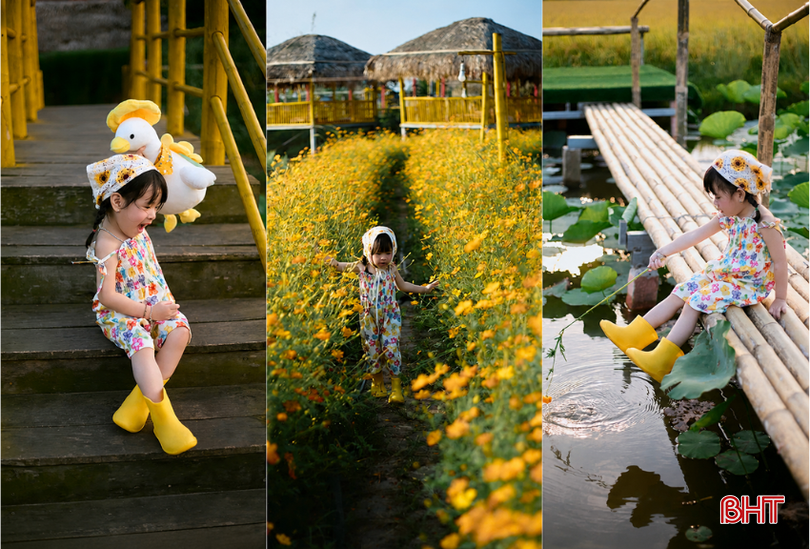
From an agricultural production area, the Lien Nhat Agricultural and General Services Cooperative has renovated the landscape, invested in experiential activities and culinary services, creating a destination close to nature.
The cooperative currently has nearly 20 members, linking together to develop agricultural production, aquaculture, and related services. Not only does it create jobs and increase income for its members, but this model also opens up avenues for multi-value economic development right in this suburban area. During peak periods such as the April 30th and May 1st holidays, it welcomes over 1,500 visitors per day.
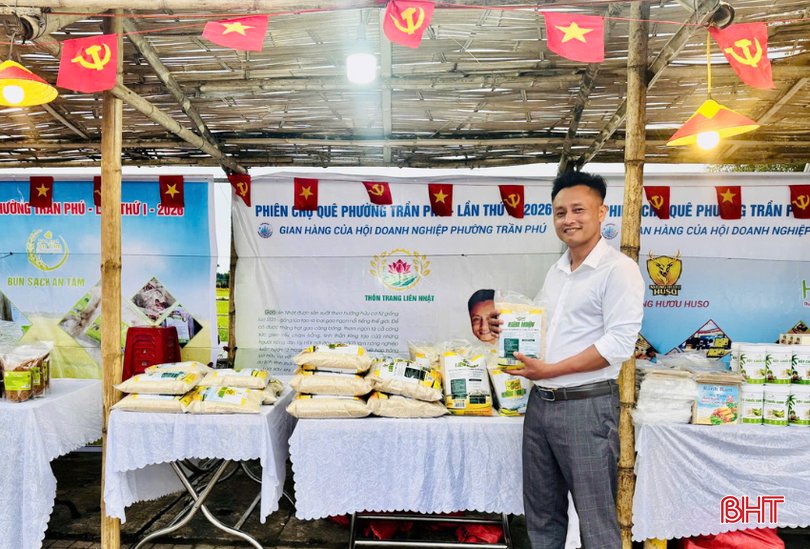
Mr. Nguyen Huu Quyen, Director of Lien Nhat Agricultural and General Services Cooperative, said: “Lien Nhat Village was formed through the collective efforts of many households. Each person contributed land and labor to build a community ecological space. By participating in the cooperative, the people not only have a stable source of income but also gain more confidence in a new direction in their homeland.”
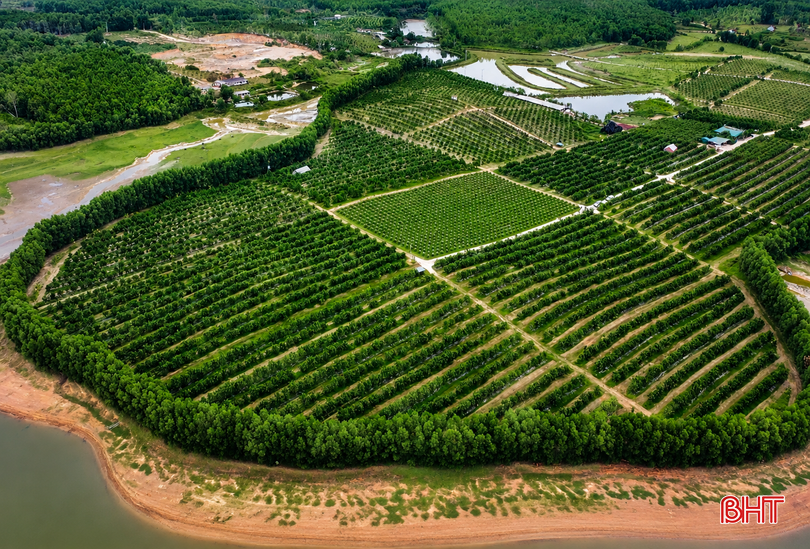
Although not yet organized into a tourism service model like the Thon Trang Lien Nhat Eco-tourism Area, the Gia Phuc Agricultural Cooperative in Truong Luu commune is also becoming a destination for many people who love green spaces and experiencing clean agriculture.
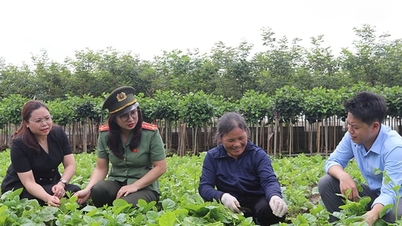
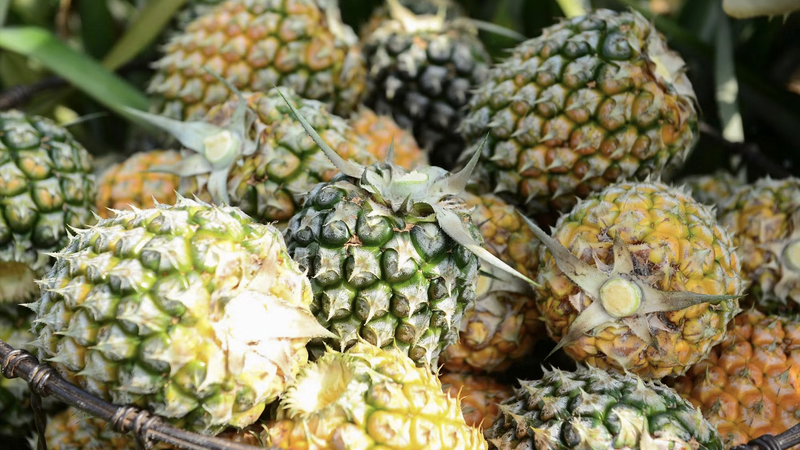
On the formerly rocky Khe Lang hills, the cooperative has built an organic agricultural production area spanning nearly 30 hectares. The sprawling orchards, lakes, gentle slopes, and fresh air create a space close to nature, offering a sense of tranquility to visitors.
What makes Gia Phuc Agricultural Cooperative unique is its sustainable organic production approach. From the Israeli-technology irrigation system and the closed-loop care process to the use of organic fertilizers and biological products, everything contributes to preserving a clean and green ecological environment. Therefore, many groups of students and people from other localities have come here to visit, experience, learn about the organic farming model, and pick their own clean fruits directly from the orchard.
“Developing organic farming practices not only creates safe agricultural products but also contributes to a healthy living environment, improving the soil, allowing plants to grow naturally, and making people feel closer and more relaxed when they come here. Although we haven't officially started tourism yet, many schools and organizations have proactively sought us out for visits and experiences. This is a very encouraging sign, opening up many expectations for the cooperative to gradually develop ecotourism in the future,” shared Mr. Le Van Hai, Director of Gia Phuc Agricultural Cooperative.
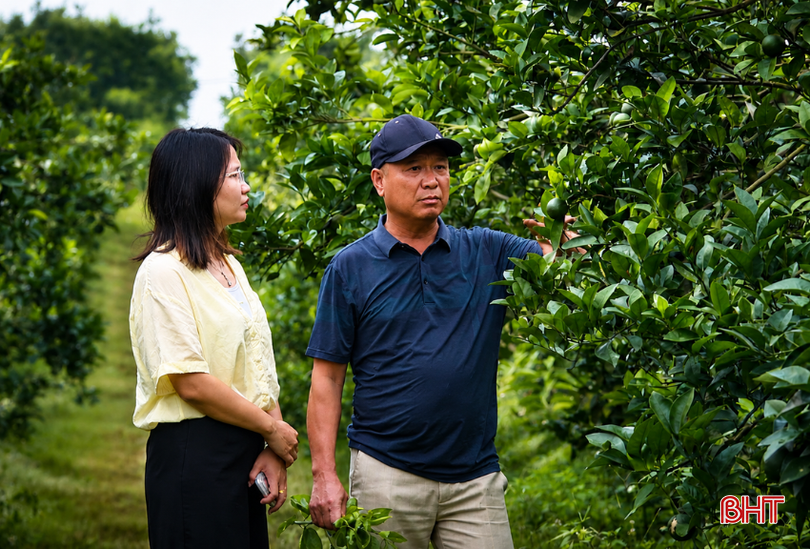
Not only Lien Nhat Agricultural and General Services Cooperative or Gia Phuc Agricultural Cooperative, but many cooperatives in Ha Tinh are gradually expanding into new directions, linking production with experiences, services, and promoting local products.
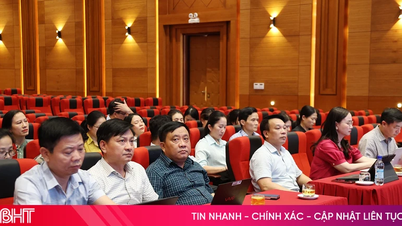
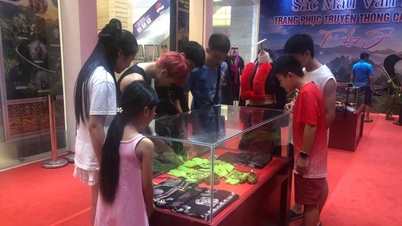
According to data from the Ha Tinh Cooperative Alliance, the province currently has 785 cooperatives operating in various fields such as agriculture, trade, services, environment, and handicrafts. Many of these cooperatives have developed large-scale production models, applied high technology, and developed OCOP products, creating a favorable foundation for the development of rural experiential tourism. From orchards, organic production areas, rural ecological zones to traditional craft villages and OCOP products, all can become tourism resources if properly invested in and connected.
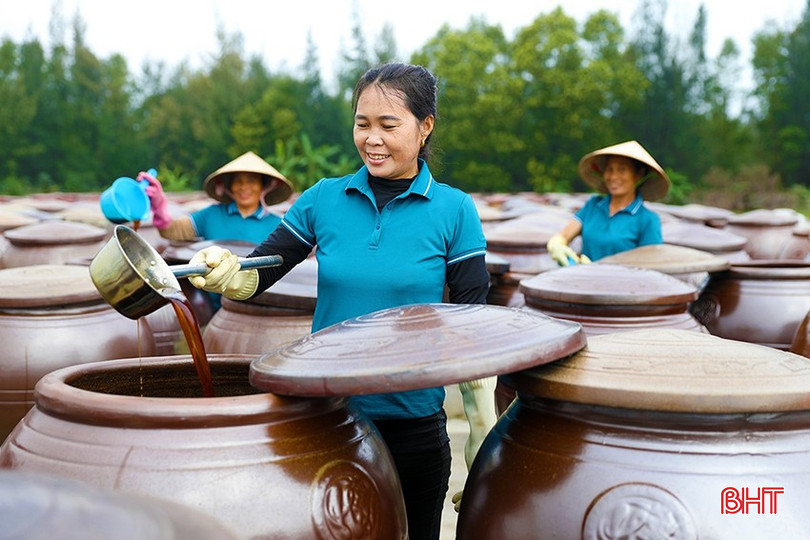
Beyond creating additional livelihoods and enhancing product value, the participation of cooperatives also contributes to renewing the image of rural Ha Tinh – making it more accessible, pristine, and vibrant. And from these still experimental models, a new direction for rural tourism is gradually taking shape.
Cooperative societies have many favorable conditions for developing experiential tourism. However, for long-term success, cooperatives need more systematic training in tourism skills, how to organize experiences, provide services, and promote their image. Along with that, they should focus on developing distinctive products with local characteristics and strengthen links with travel agencies to create suitable tours and routes.
Source: https://baohatinh.vn/nhung-hop-tac-xa-uom-mam-du-lich-nong-thon-post310679.html

![[Image] Hanoi's urban life under the challenge of a "scorching hot" environment](https://vphoto.vietnam.vn/thumb/1200x675/vietnam/resource/IMAGE/2026/05/25/1779706979265_nang-nong-t5-2026-minh-duy-7-4636-jpg.webp)

![[Image] Close-up view of the interchange connecting the two expressways and Long Thanh Airport.](https://vphoto.vietnam.vn/thumb/1200x675/vietnam/resource/IMAGE/2026/05/25/1779703378210_ndo_br_z7863716673926-224453a31600126cce10622af6290afd-4549-jpg.webp)































































Comment (0)