

Posing as a job seeker, a reporter from Tien Phong newspaper was hired at a printing factory in Tan Tao Industrial Park (Ho Chi Minh City) and experienced long, all-night shifts and lived in dilapidated lodgings to understand the lives and work of the factory workers.
After days of searching and applying, one day in early May, I found a job at a printing company in the Tan Tao Industrial Park. This was the first time I truly experienced the life of a factory worker and the hustle and bustle of the factory.
I only dare to eat cheap food.
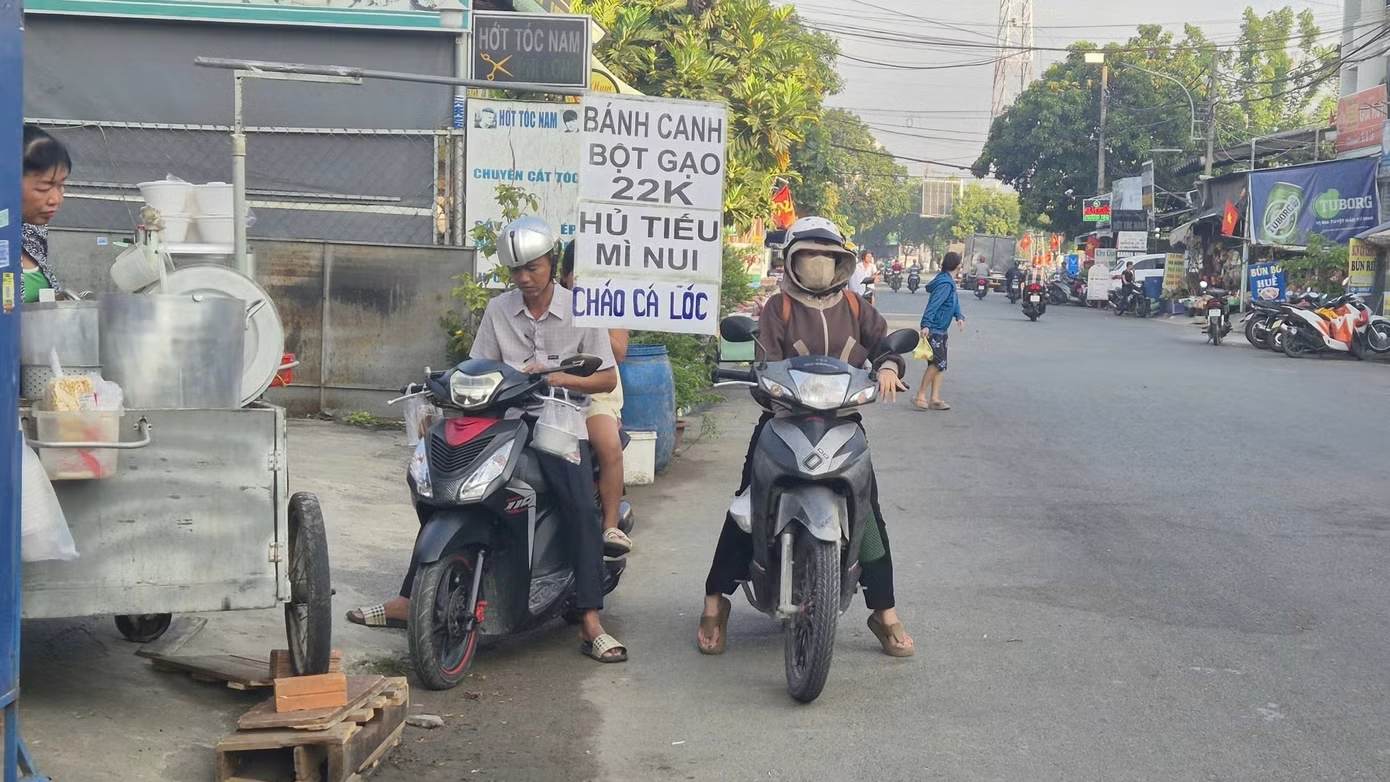
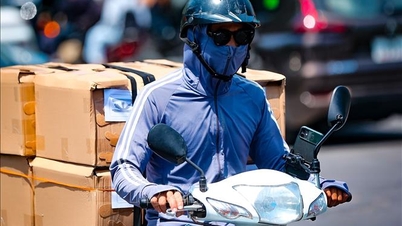
At 6:30 a.m., the industrial zone was already bustling. Thousands of workers hurried to their shifts. The crisp sound of motorbike engines, the shouts of people calling out to each other, and the calls of vendors selling breakfast blended together to create the distinctive sounds of this industrial hub.
Along the roads leading to the industrial park gates, mobile food stalls are crammed together on the sidewalks. Smoke rises from pots of pork offal porridge and noodle soup in the dim yellow light. A loaf of bread, a packet of sticky rice, or a bowl of pork offal porridge costs between 15,000 and 30,000 VND, serving as breakfast for hundreds of people preparing to start their work shifts.
At a pork offal porridge stall, I encountered sleepy faces. They ate so quickly that they barely had time to savor the taste before having to hurry up and get up. One female factory worker was eating while calling home to ask if her child had started school yet. Another man quietly counted out his small bills before buying the cheapest meal.
"Before, a bowl of porridge cost only about 15,000 dong and was enough to fill my stomach, but now the price has doubled. Prices are soaring, and my salary is meager, so I have to be more frugal. I only dare to buy what's cheap," the male worker confided.
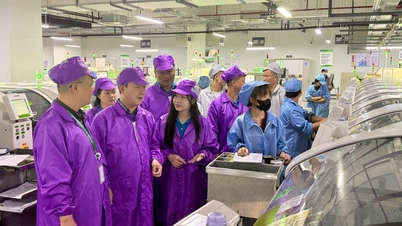
At exactly 7 o'clock, the factory bell rang loudly. After a uniform check, a presentation on work etiquette, and safety procedures, I followed the team leader into the printing workshop. The moment the door closed, all I could hear was the rumbling of the machinery, along with the smell of machine oil, paper, and ink… It took me a while to get used to it.
My job involves assisting with paper handling, preparing printing plates, mixing colors, and lubricating the printing press. These tasks may seem simple, but even a few moments of delay can affect the entire production line.
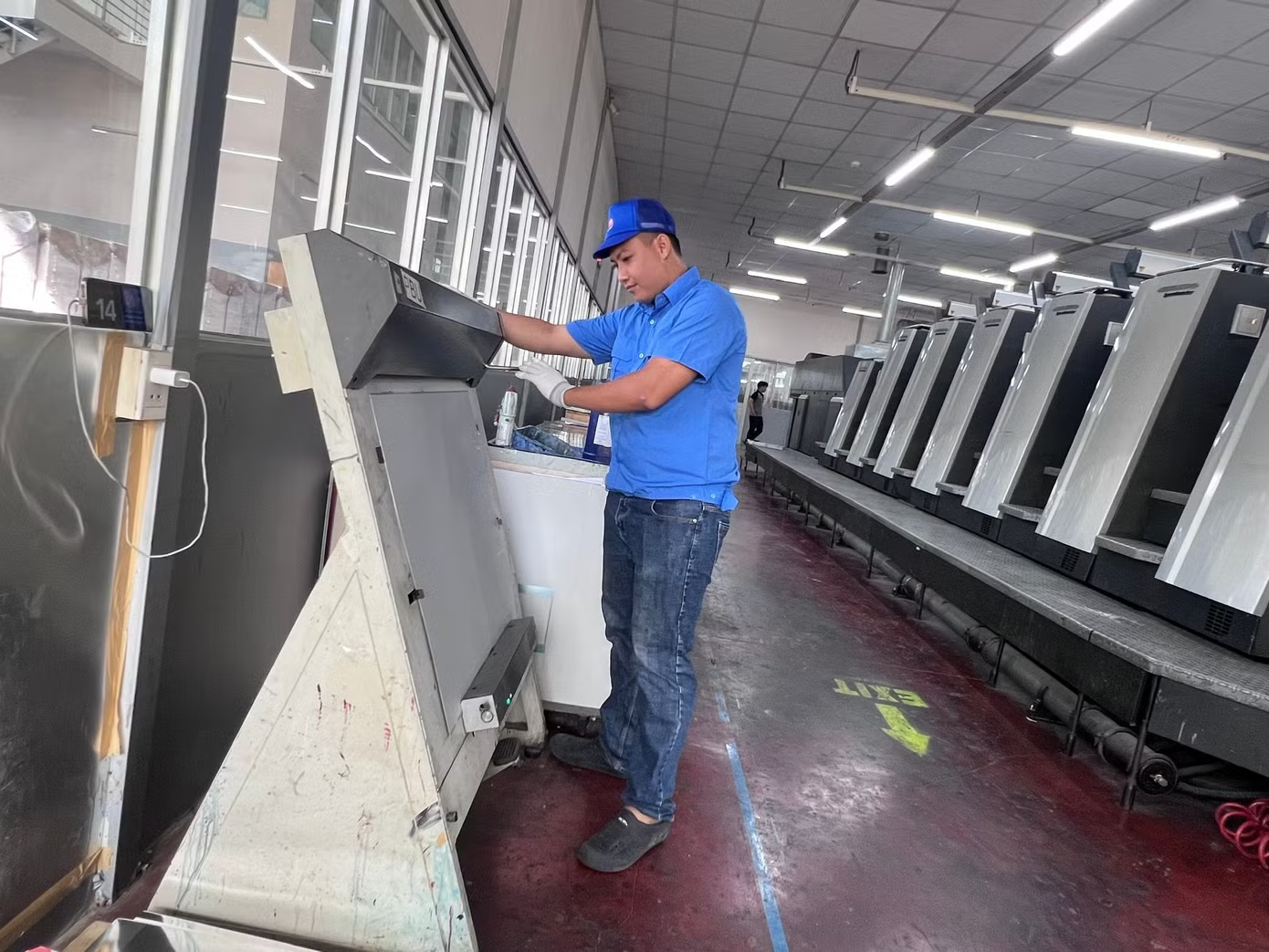
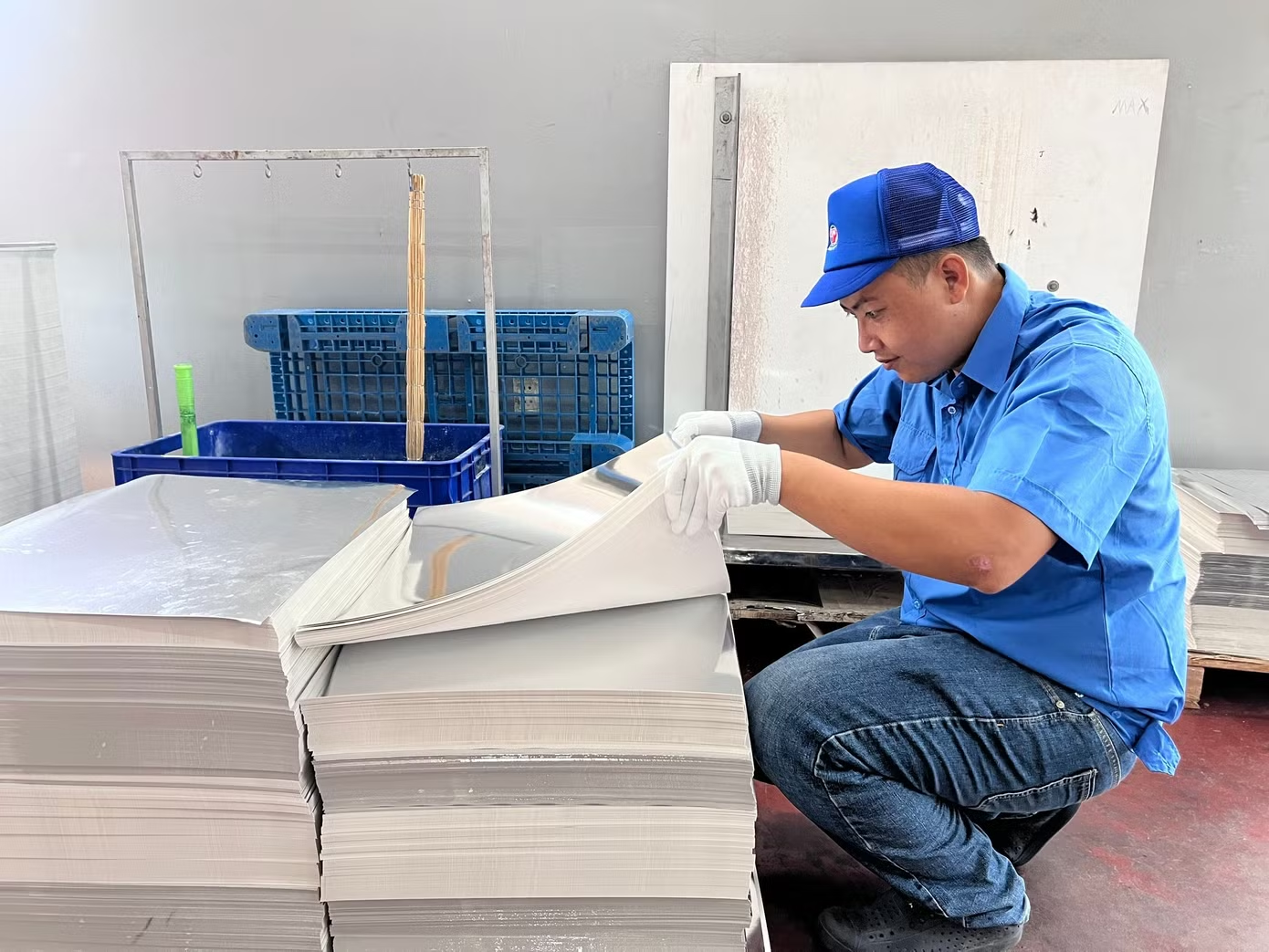
After standing continuously for over an hour, my back started to ache. The large stacks of paper left my arms numb. The incessant noise of the machines made my head feel heavy and constricted. At times, I glanced at the clock; it was only a little after 10 a.m., but it felt like the whole day had passed. My morning porridge seemed to have vanished, my stomach was rumbling, but I had to endure until lunchtime before I could rest.
Meanwhile, the workers standing next to me continued working swiftly, as if it were second nature. They hardly had any time to rest, didn't complain, and simply worked silently with their heads down.
I suddenly understood that behind that silence lay the worries about food, rent, children's school fees, and the debts back home that awaited them at the end of each month. A colleague patted me on the shoulder and encouraged me: "It's hard to get used to it in the first few days, I was like that before too. The job here is stable, the income is good, and the working environment is excellent, so you should try your best."
Eight hours in my shift, plus two hours of overtime, left me exhausted. My legs trembled from standing continuously. By the time I left the factory, it was already getting dark. Another group of workers had arrived right outside the factory gate. In the distance, the factories were still brightly lit. The production lines continued to operate non-stop, and the worker "warriors" silently began their new shift.
Unfulfilled dreams
During my time working as a laborer, I met Tuan, a 21-year-old from Ha Tinh province. Tuan was thin, and his eyes always seemed to hold a hint of sadness. His voice was so soft that sometimes I had to lean very close to hear him clearly.
That day, after work, the two brothers sat down to eat a bowl of cheap noodle soup by the roadside. Tuan told them he had worked as a shoe factory worker for four years. His parents divorced early, and because his family was poor, he dropped out of school and followed his friends to the South when he was only 18 years old.
"I still want to continue my studies, at least to get a high school diploma... But now I have a sick mother who needs money for medicine, so I have to stay in the city, earn whatever I can to take care of her for as long as I can," Tuan said, then bowed his head for a long time.
Another afternoon, Hanh (a fellow villager) came to ask if my workplace was hiring any more workers. Hanh used to work as a mechanic in Thu Duc with a fairly high salary.
But after nearly two years working in the hot environment, the constant noise of welding machines and hammers severely affected his hearing. “I just went for a check-up. The doctor said if I continue working, there’s a risk of going deaf…” Hanh said, his voice faltering.
The man, in his thirties, sat huddled in front of his rented room for a long time. He said he had endured it for the sake of his wife and children back home. But now that he was out of work, he didn't know how he would make ends meet. "What I fear most is unemployment..." Hanh said, then turned away. In that moment, I saw the reddened eyes of the man who had spent many years struggling in a mechanical workshop to support his family.
I remember Huu (25 years old, from Dak Lak province) also struggling to make ends meet. His family only owns a small coffee plantation, so Huu came to Ho Chi Minh City to work as a factory worker. His salary of over 10 million VND per month sounds high, but after deducting rent, water, food, and savings to help his parents back home, the remaining amount is negligible. "Without overtime, I can't make ends meet..." Huu said succinctly.
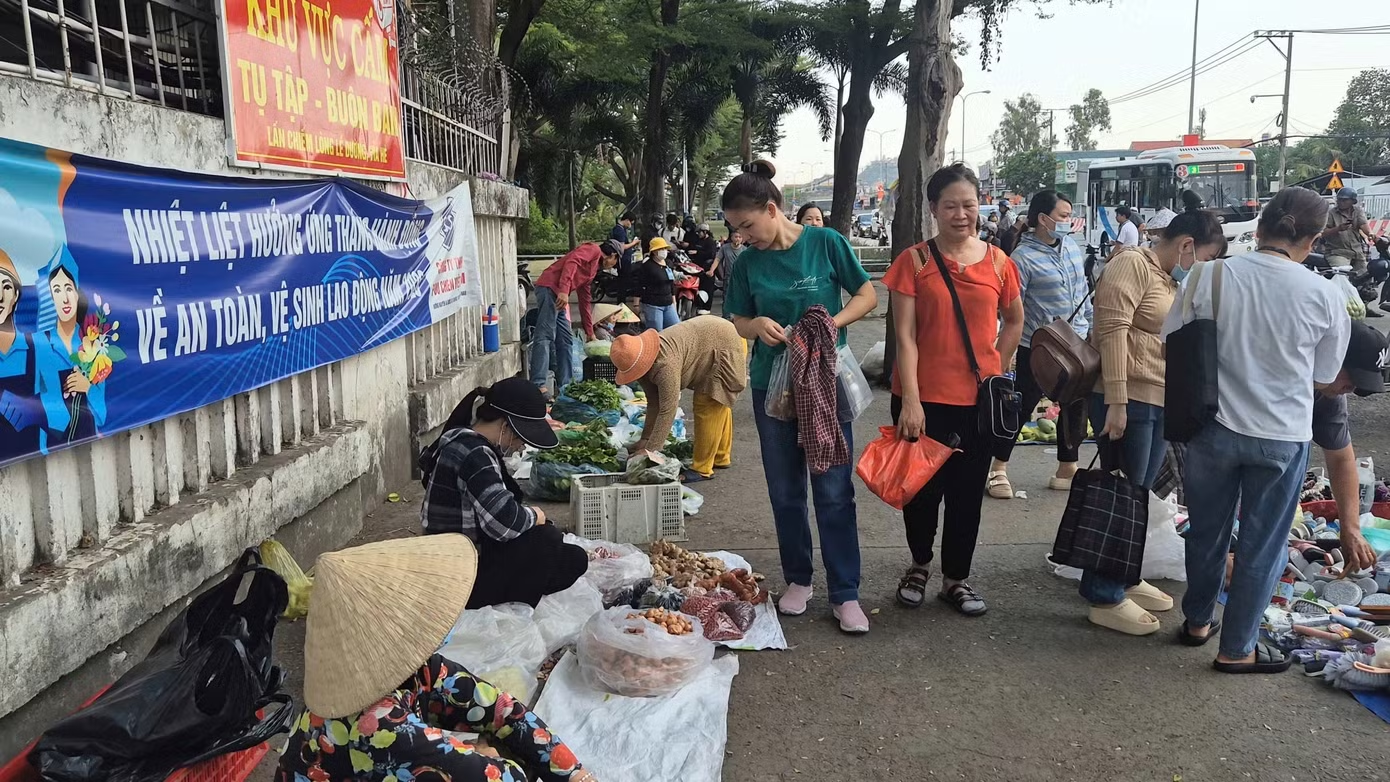
That statement haunted me for days. Because it seems to be the common reality for tens of thousands of workers today. They live off overtime, sacrificing their health for a few hundred thousand dong more each month. Some go to work even with a fever for fear of losing their attendance record. Some haven't dared to go home for Tet (Lunar New Year) for years because they can't afford the bus fare.
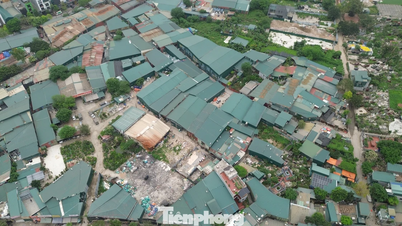
As night fell, I walked past rows of workers' dormitories crammed together in narrow alleys. Many rooms, less than 12 square meters, housed four or five people. The smell of leftover rice, the sound of crying children, and the clattering of old electric fans mingled with the stifling heat of the city.
Source: https://tienphong.vn/nhung-phan-doi-cong-nhan-khong-tang-ca-thi-khong-du-song-post1844380.tpo






























































































Comment (0)