TPO – Authorities have discovered and seized a large number of artifacts, including 4,807 specimens, mainly architectural materials, architectural decorations, stelae fragments, stone reliefs, glazed pottery, earthenware, terracotta, and metal coins, during archaeological exploration and excavation of the Lieu Coc twin towers – a Cham tower complex dating back approximately 1,000 years in Huong Tra town, Thua Thien- Hue province.
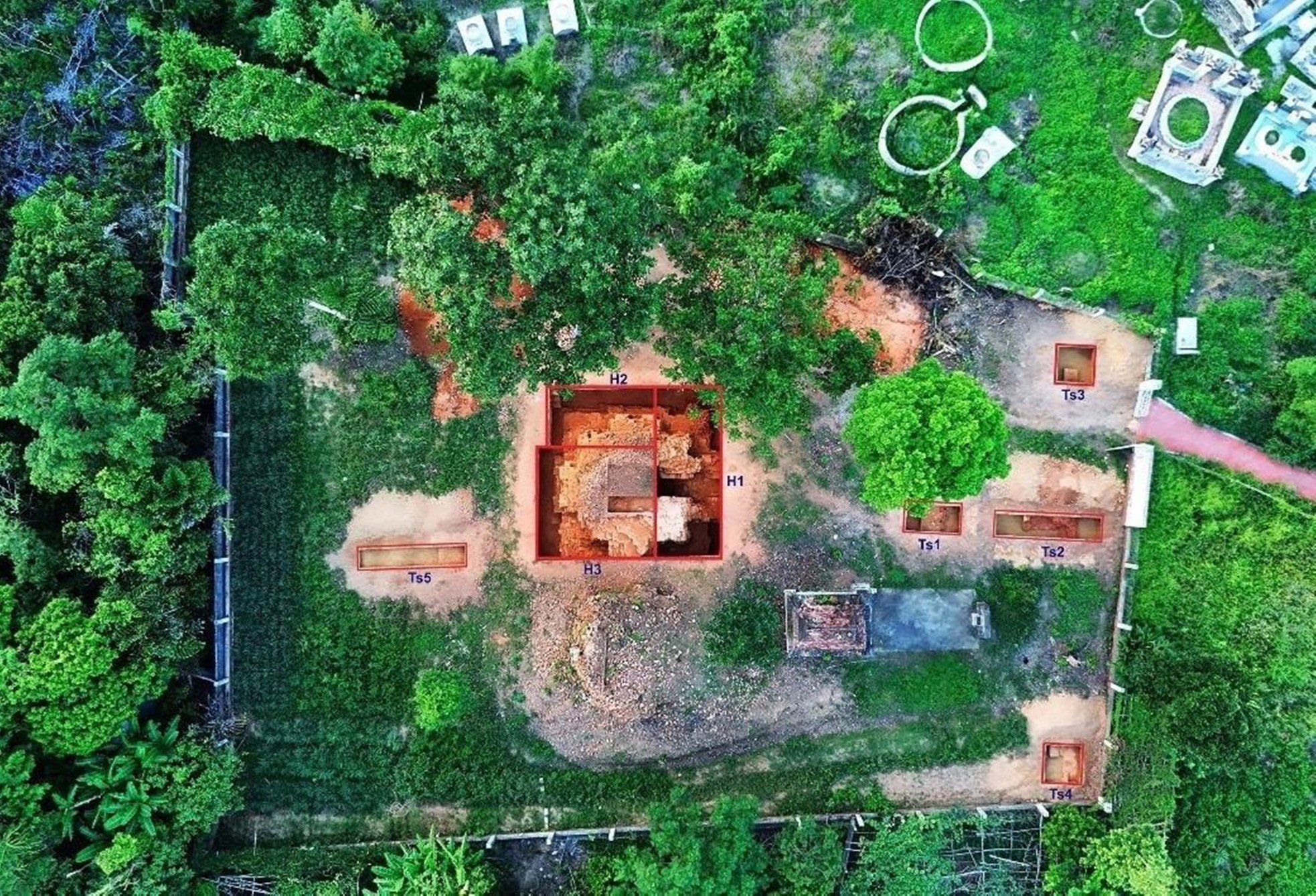 |
In late April, the Department of Culture and Sports of Thua Thien Hue province, in coordination with the National Museum of History, conducted archaeological exploration and excavation of the Lieu Coc twin towers, covering an area of approximately 80 square meters. After three months of exploration and excavation of the Lieu Coc twin towers in the Bau Thap area, Huong Xuan ward (Huong Tra town), the Department of Culture and Sports of Thua Thien Hue province and the National Museum of History have obtained surprising results, with much valuable information and artifacts. |
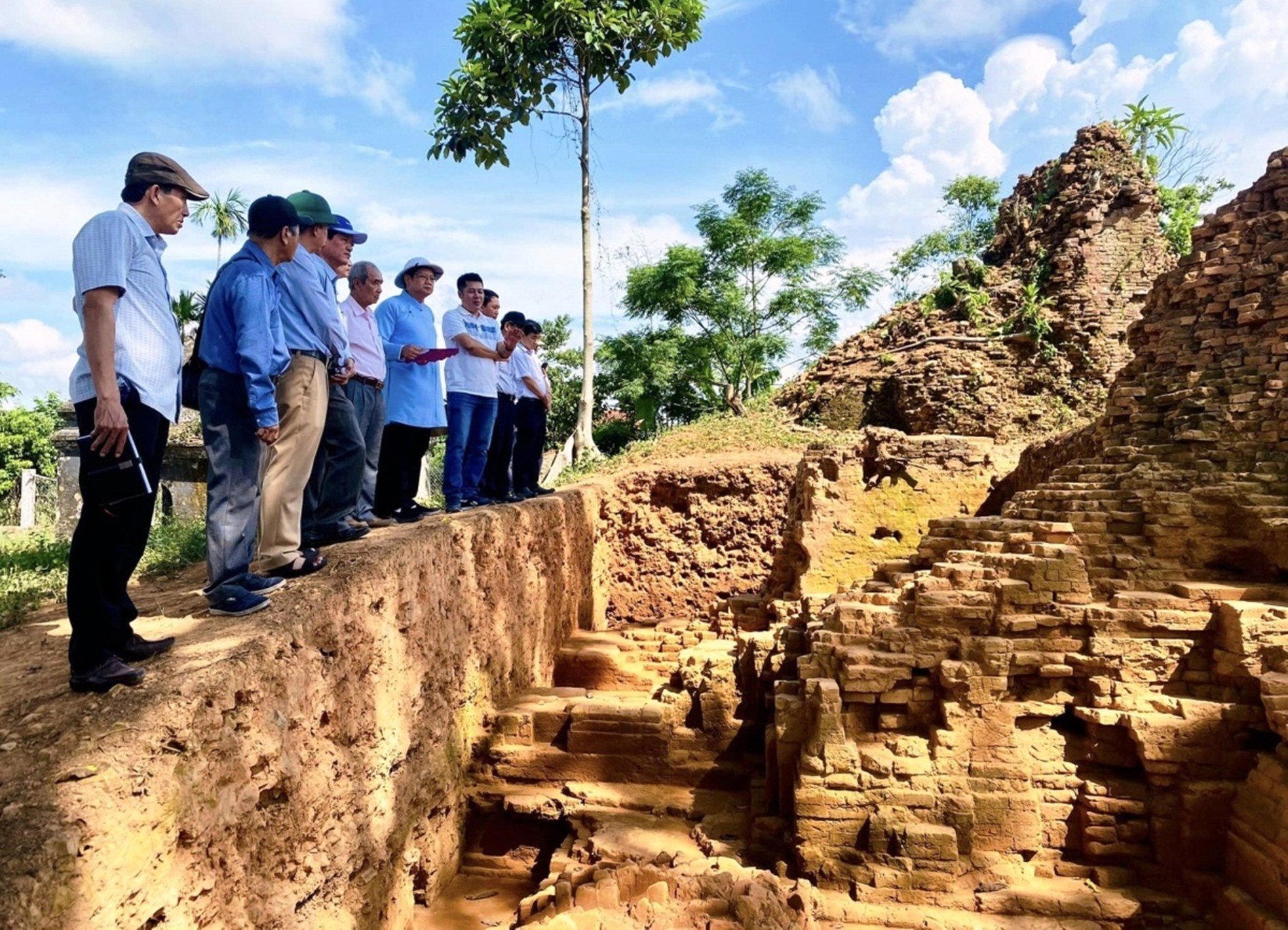 |
The results of archaeological exploration and excavation have completely revealed the foundation of the North Tower and identified the location of the Gate Tower, the surrounding wall system, and the internal pathways within the site. Simultaneously, the excavation has unearthed many typical artifacts, making a significant contribution to the research and understanding of the site, as well as suggesting further issues that require further study and expansion of the excavation area to clarify the entire scale, structure, and nature of the site. |
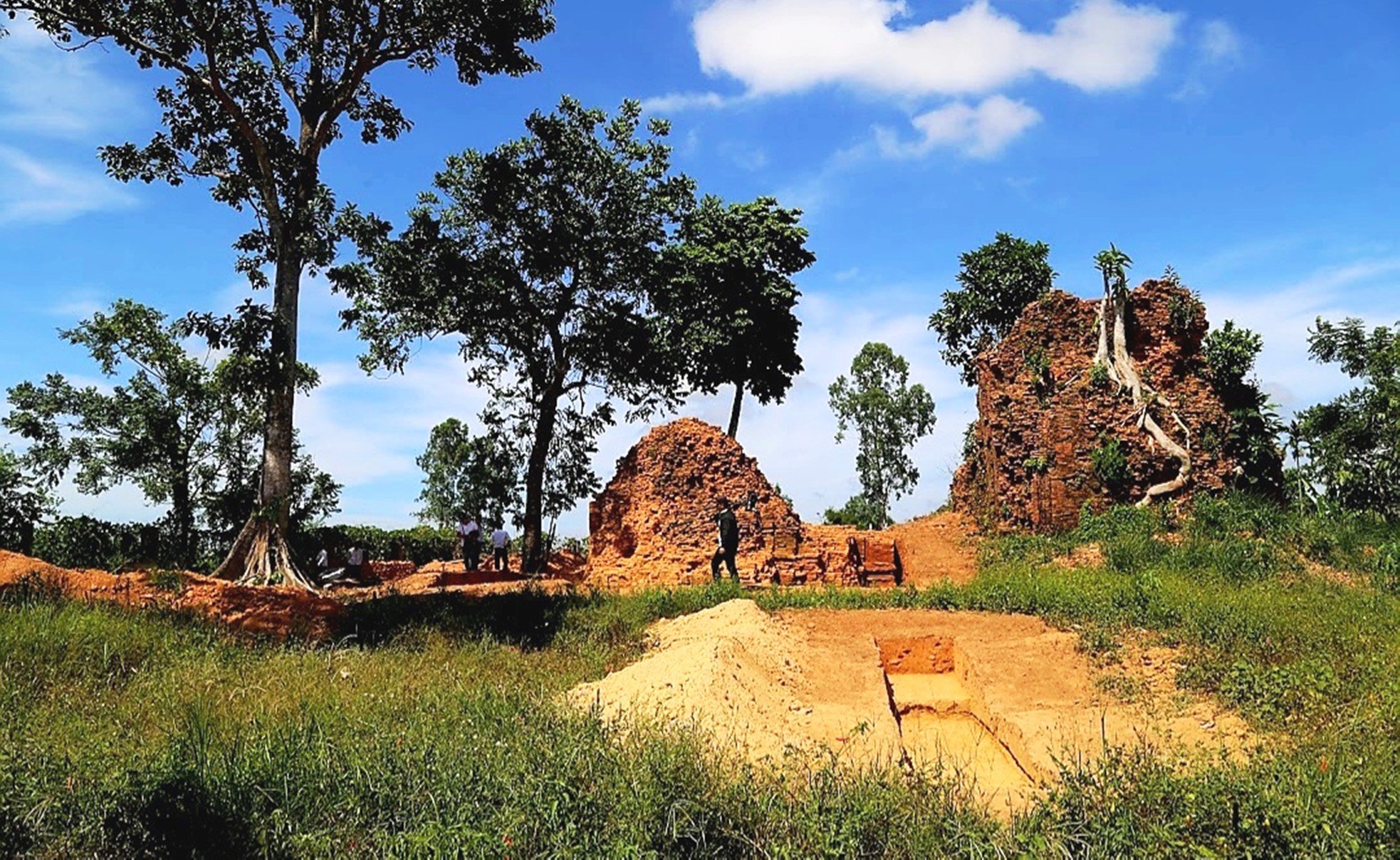 |
The specialized unit has identified two main temple towers within the site. If this assessment is correct, it can be confirmed that the Lieu Coc twin towers are a unique and special relic within the Champa relic system, possessing two main worship towers. To obtain more information and accurately determine the age of the site, the archaeological team recommends continuing excavation (phase 2). Photo: HD |
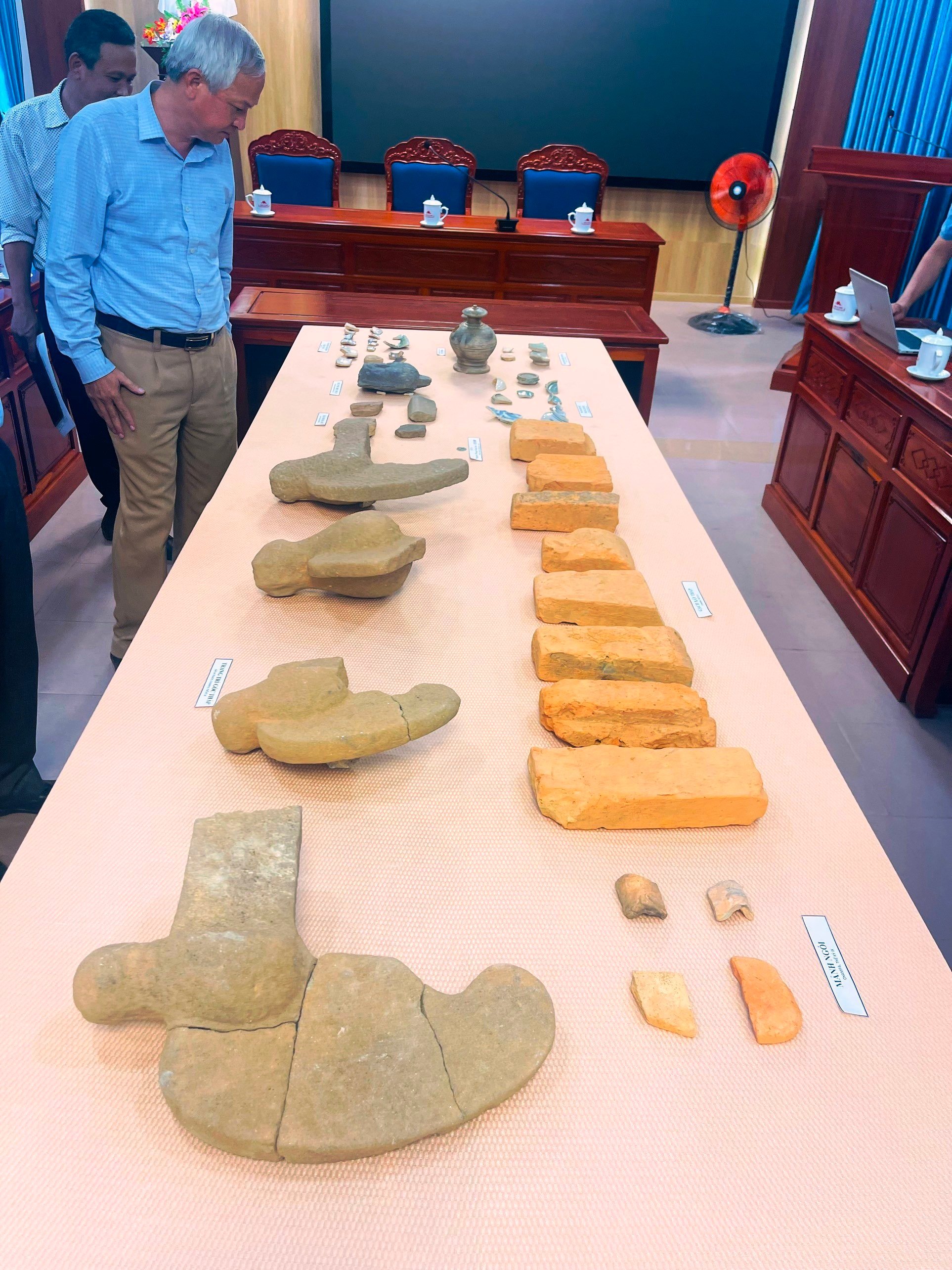 |
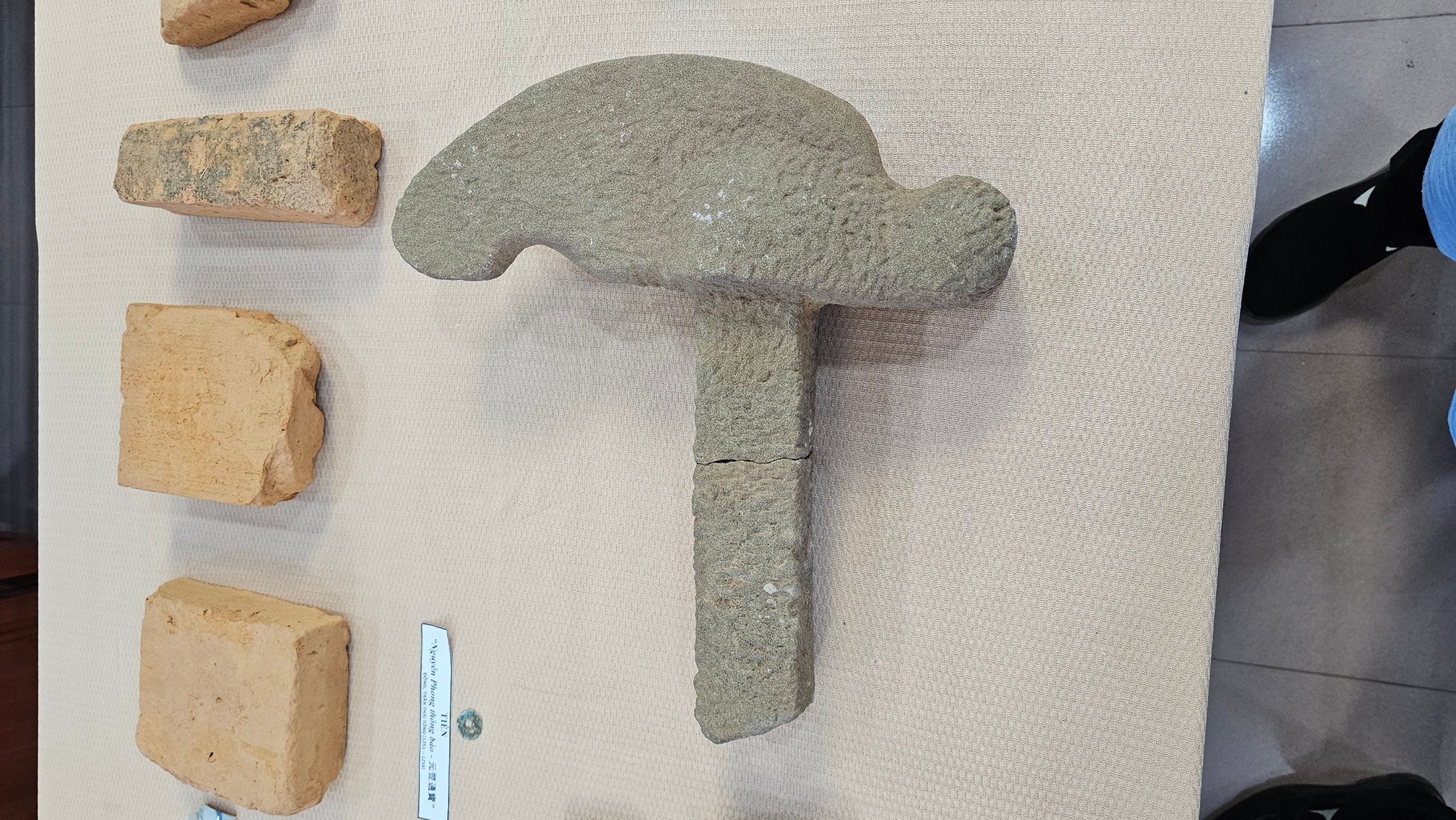
Authorities have recovered a large quantity of artifacts, including 4,807 specimens, primarily consisting of architectural materials, architectural decorations, fragments of steles and stone reliefs, glazed pottery, stoneware, earthenware, and metal coins. |
 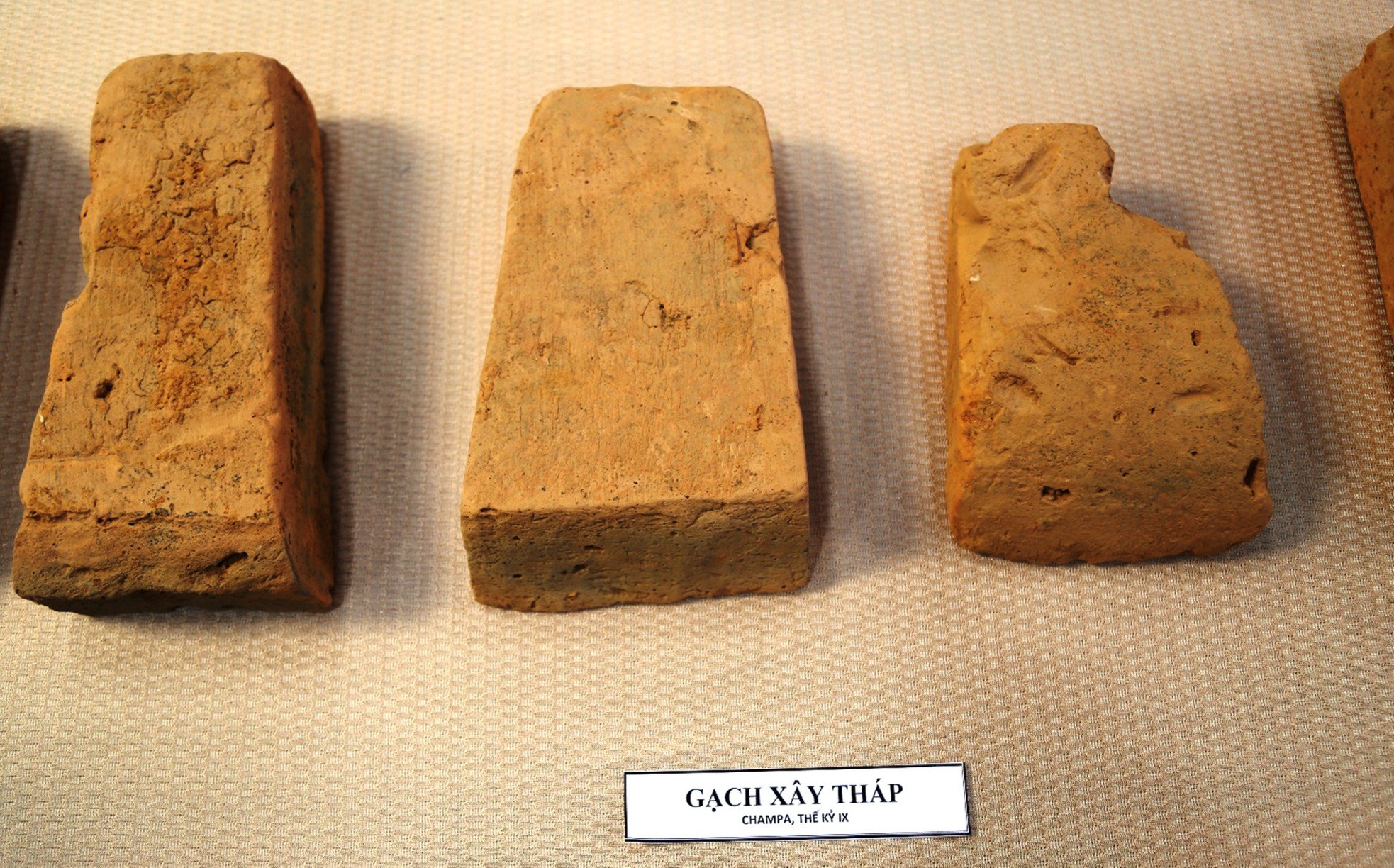 |
Regarding architectural materials, there are 3,936 specimens, including bricks and tiles, with bricks making up the majority with 3,920 specimens, while tiles only account for 16 pieces. Photo: TH |
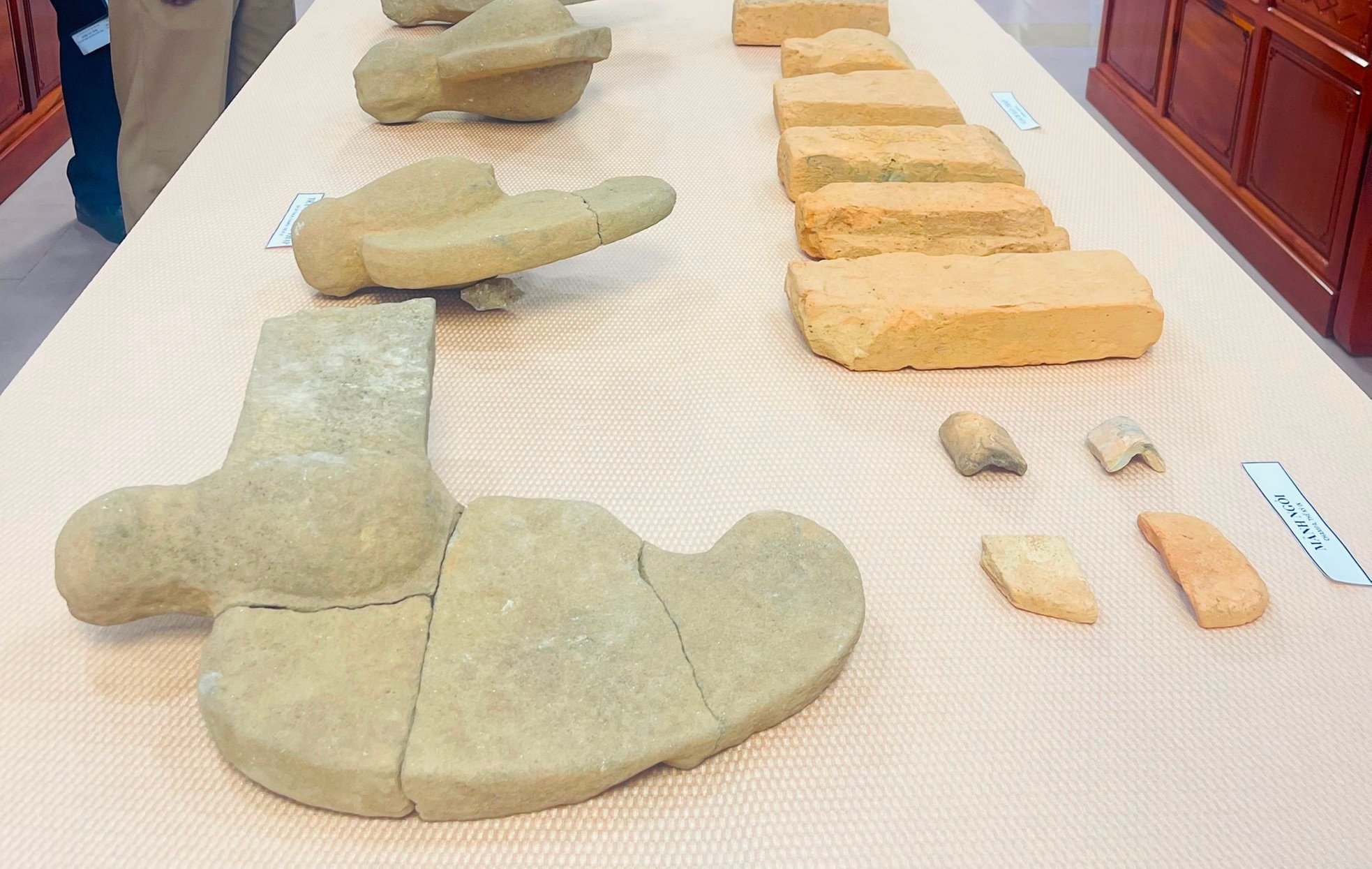 |
The architectural decorations found at the site mainly consist of decorative accents on the tower corners. A total of 50 identified fragments depicting bull heads were found, including 2 intact artifacts, 11 bull head fragments, 2 bull mouth/nose fragments, 22 mane fragments, and 13 pin fragments. You may also like  The man was taken to the hospital with a crowbar impaled in his thigh.GĐXH - During work, the patient was impaled in the thigh by a crowbar approximately 1.5 meters long, leading to critical traumatic shock.  Cham towers in Hue were flooded for several days; city leaders criticized local authorities.The Phu Dien Cham Tower (also known as My Khanh Tower) in Hue City has been flooded for several days. Hue City leaders have criticized the local authorities and demanded prompt action to protect this cultural heritage site.  Reviving the value of the Xom Trai Cave National Special Monument.Located on the eastern slope of Khu Trai mountain, Xom Trai Cave in Trai Sao hamlet, Muong Vang commune, is the site of the first and most extensive discovery of archaeological relics belonging to the Hoa Binh Culture - a famous archaeological culture that exists not only in Vietnam but also in other countries in Southeast Asia. |
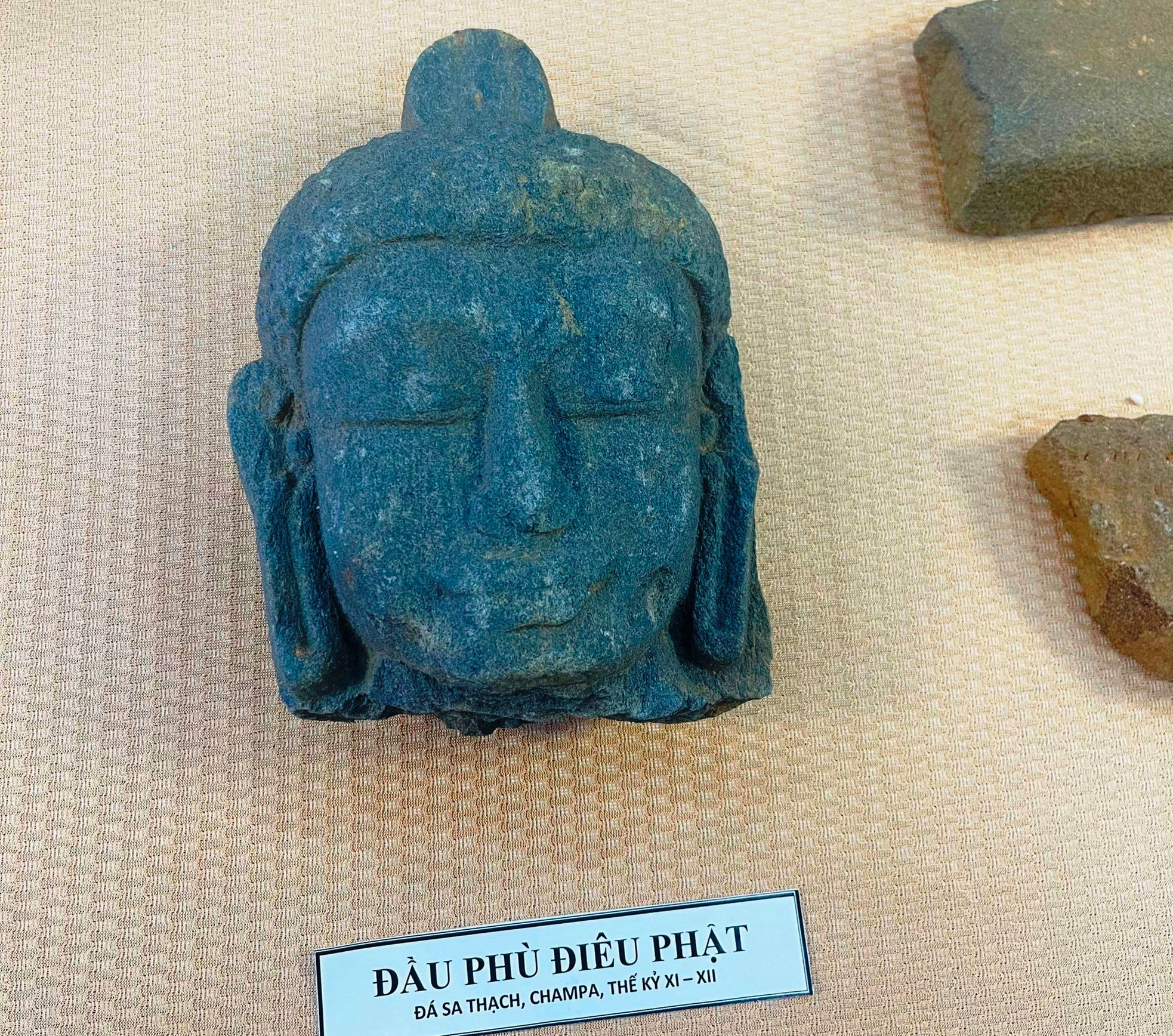 |
The discovered stone artifacts consist of four specimens: one Buddha head and three fragments of inscribed steles. The steles are made of yellowish-gray sandstone with a smooth surface; two fragments are the front face, engraved with ancient Sanskrit characters, and one fragment is the side edge. The head is a relief sculpture, carved from a grayish-purple slate, depicting a Buddha head with remaining dimensions of 20cm high, 15cm wide, and 10cm thick. |
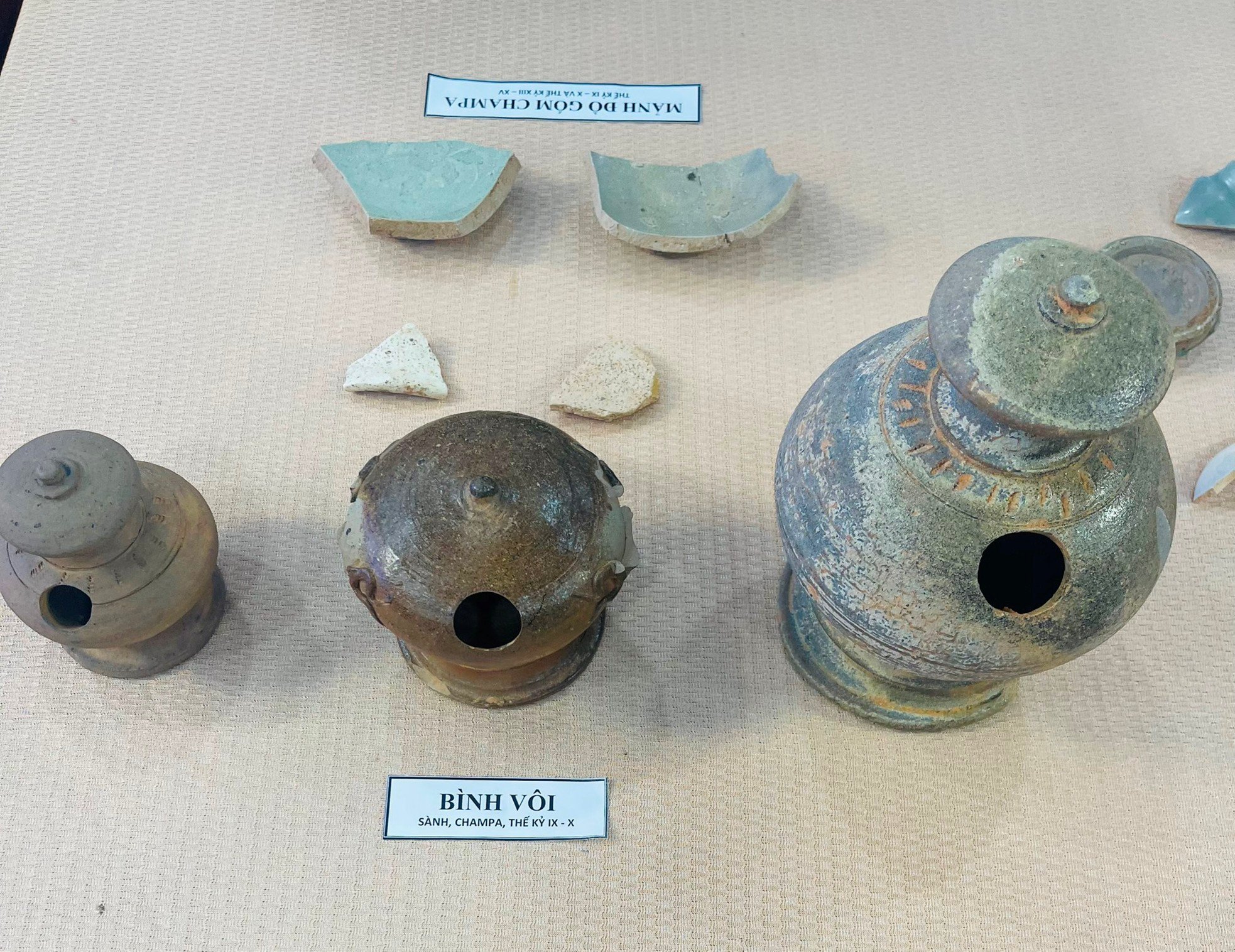 |
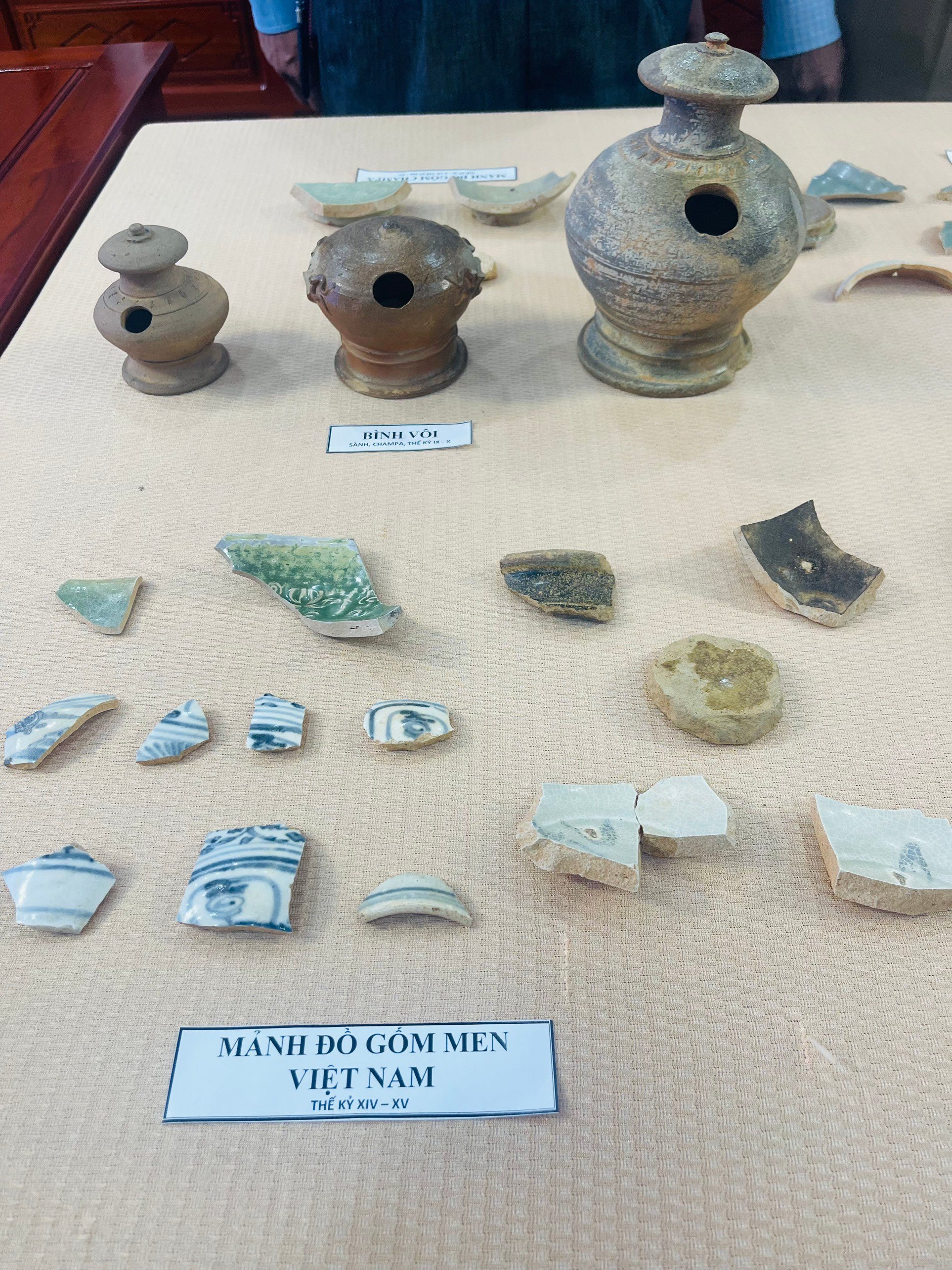
Pottery was found in various forms and materials, such as coarse pottery, earthenware, stoneware (including three relatively intact Champa lime containers from the 9th-11th centuries), Vietnamese glazed pottery (dating from the 14th to 19th centuries), and Chinese porcelain (17th-19th centuries). |
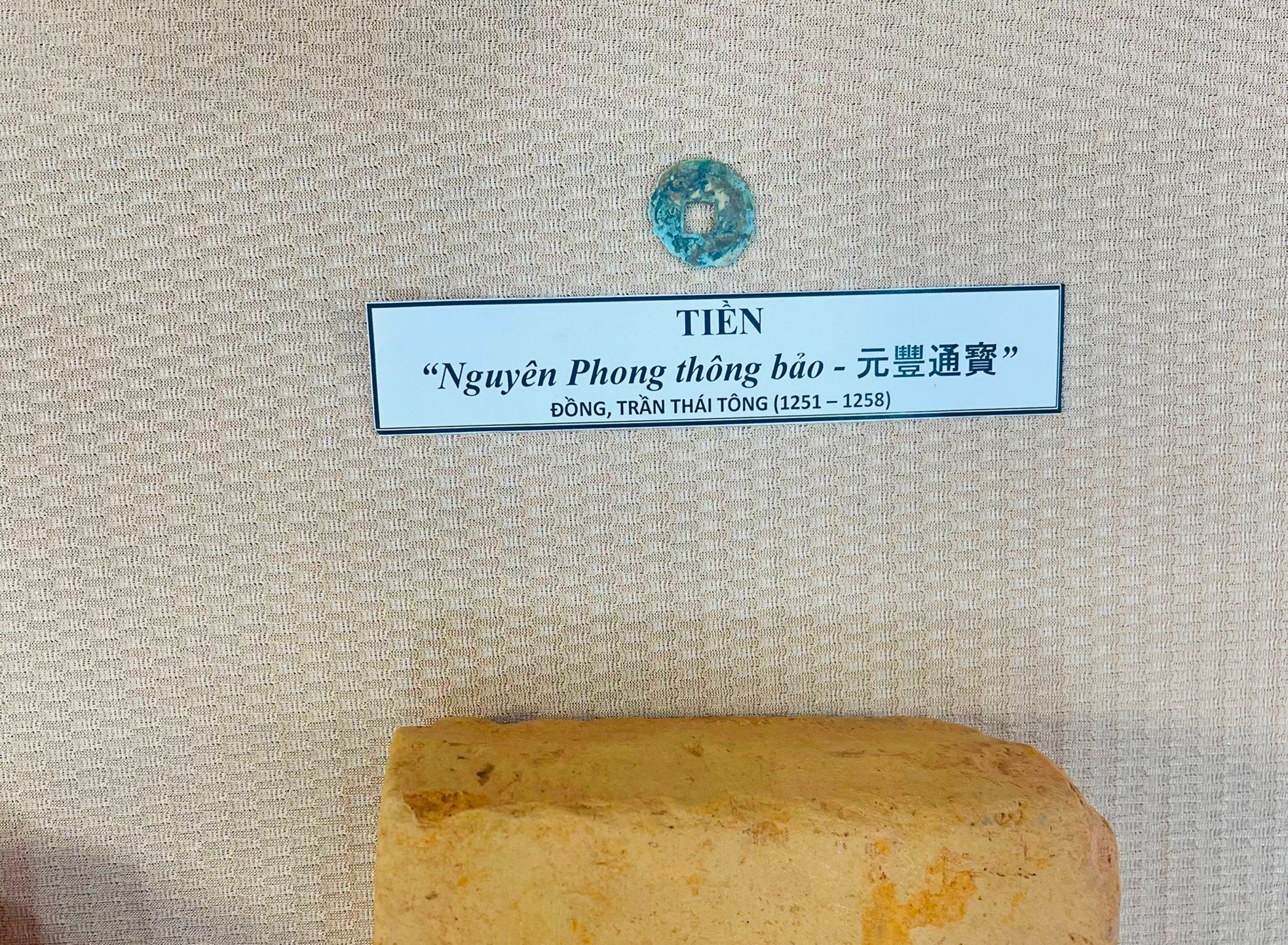 |
One coin was discovered, round (2.5 cm in diameter), with a square hole and chipped edges. One side has four embossed characters "Nguyên Phong thông bảo" written in cursive script, read clockwise, dating to the 13th century. |
 |
According to the Department of Culture and Sports of Hue province, this is a valuable collection of artifacts. After being researched, organized, authenticated, and scientifically documented, it will provide important information, aiding research and exhibition efforts to enhance its value. |
According to research, the Lieu Coc twin towers are a characteristic structure of Champa culture, estimated to be about 1,000 years old. They were once classified by the French School of Far Eastern Studies as one of the most valuable relics in Vietnam and Indochina. In 1994, the site was classified as a national-level architectural and artistic relic. Authorities recommend that, in the long term, a plan is needed to preserve and promote the value of the relic, turning the Lieu Coc twin towers into an attractive tourist destination in Hue.

Excavation of a 1,000-year-old Cham tower site in Hue.



Mysterious Cham towers hidden deep beneath coastal sand dunes in Hue.

![[Photo] Prime Minister Le Minh Hung presides over the thematic session on promoting science and technology development and innovation.](https://vphoto.vietnam.vn/thumb/1200x675/vietnam/resource/IMAGE/2026/06/23/1782207872934_ndo_br_dsc-1724-jpg.webp)