

Jane Muncke, director of the Food Packaging Forum in Zurich, Switzerland, emphasized that there is evidence that 76 breast cancer-causing substances in food packaging materials and food utensils are found in the human body. Muncke stated that eliminating these dangerous chemicals is crucial for cancer prevention.
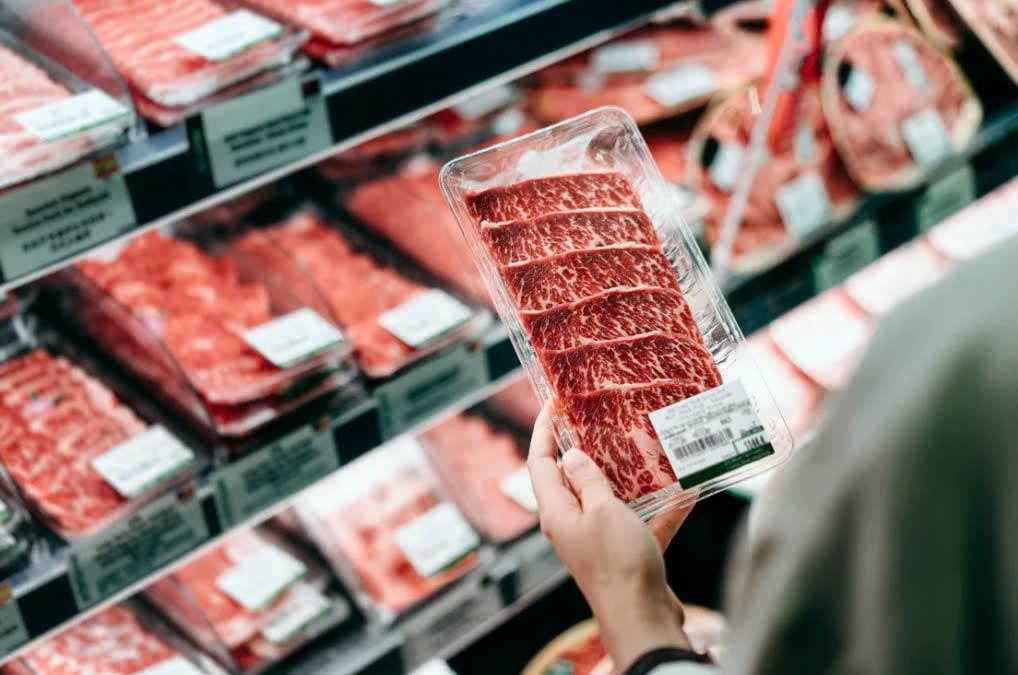
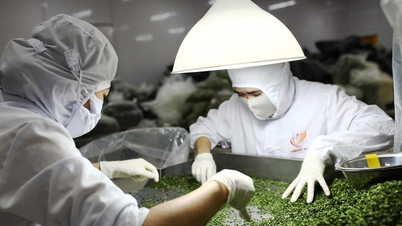
Illustration photo: Getty Images
According to the study, 40 of the chemicals discovered have been classified as hazardous by global regulatory agencies, yet they are still permitted for use in packaging that comes into direct contact with food. Jenny Kay from the Silent Spring Institute also emphasized that these chemicals, despite being identified as harmful to health, continue to enter the market, endangering the community.
The findings call for strong action to protect consumers from the potential dangers in food packaging.
The rate of early-onset breast cancer in women under 50 is increasing, and experts believe this is not solely due to genetics. Dr. Len Lichtenfeld, former vice medical director of the American Cancer Society, notes that this is not just a breast cancer issue; we are also seeing an increase in colon cancer rates among young people.
In 2007, the Silent Spring organization published a list of 216 chemicals that could potentially cause breast tumors in rodents. By January 2024, this list had been updated to 921 chemicals, including 642 that could stimulate the production of estrogen or progesterone – two hormones identified as causing breast cancer.
Jenny Kay, co-author of the research update published in the journal Environmental Health Perspectives, said the discovery of more carcinogens in food packaging is clear evidence that consumers are unknowingly exposed to harmful chemicals on a daily basis.
According to Silent Spring, while regulatory agencies are responsible for protecting the food supply, consumers can also reduce their own risk of exposure to toxic chemicals and carcinogens by taking certain precautions.
These include safe cooking practices (avoiding grilling or burning food); removing fat and skin from food; choosing smaller seafood (which contains less mercury and other toxins); avoiding packaging containing BPA; prioritizing organic products; and using glass and stainless steel instead of plastic.
These measures can significantly reduce exposure to hazardous chemicals in daily life.
Ha Trang (according to CNN)
Source: https://www.congluan.vn/nghien-cuu-cho-thay-nguy-co-ve-chat-gay-ung-thu-trong-bao-bi-thuc-pham-post313789.html

![[Photo] General Secretary and President To Lam presides over a meeting on preparations for the review of one year of operation of the three-tiered government system.](https://vphoto.vietnam.vn/thumb/1200x675/vietnam/resource/IMAGE/2026/06/02/1780391821195_a1-bnd-4595-9717-jpg.webp)
















































































Comment (0)