

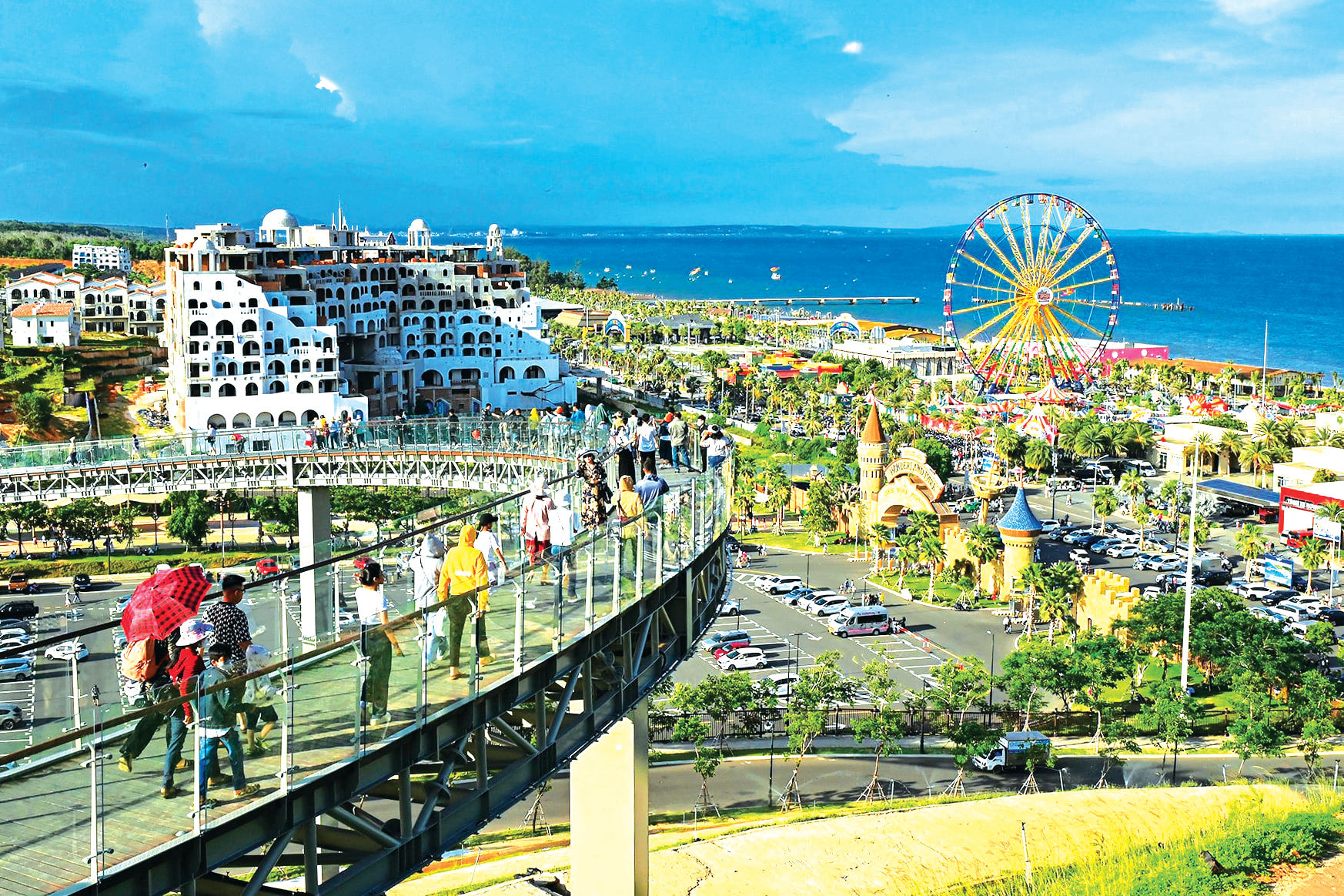
Promoting tourism on digital platforms.
The implementation of Model No. 22 under Project 06 on Tourism Development, linked with the development of regional specialties and supporting people in applying population data and electronic identification in the development of household and digital economies , is showing promising initial results.
According to the Department of Culture, Sports and Tourism, in recent times, the department has coordinated the editing of articles, images, and video clips introducing specialty products and characteristic tourism services of each locality to be posted on the VNeID application in the Culture - Tourism section. Simultaneously, a dedicated tourism promotion page on the Lam Dong Digital Citizen application is also gradually being developed.
To date, the province's smart tourism system has updated data on 1,636 accommodation establishments, 866 food and beverage establishments, 155 tourist destinations, 105 shopping locations, 598 entertainment venues, and 644 public utility locations. These figures show that local tourism data is gradually being digitized in a more synchronized manner, creating a foundation for the development of smart tourism in the future.
Mr. Tran Dinh Tung, Deputy Chief of the Office of the Department of Culture, Sports and Tourism, said that Model No. 22 is identified as one of the important contents to promote digital transformation in the tourism sector. Bringing tourism information and local specialties onto digital platforms not only helps expand promotional capabilities but also supports people and businesses in gradually accessing the digital economy.
Unlike traditional forms of promotion, which are limited by space and time, the digital environment allows information to spread faster, reach a wider audience, and save costs. This also forms the foundation for the local tourism industry to move towards building a digital tourism ecosystem in the future.
Businesses proactively adapt.
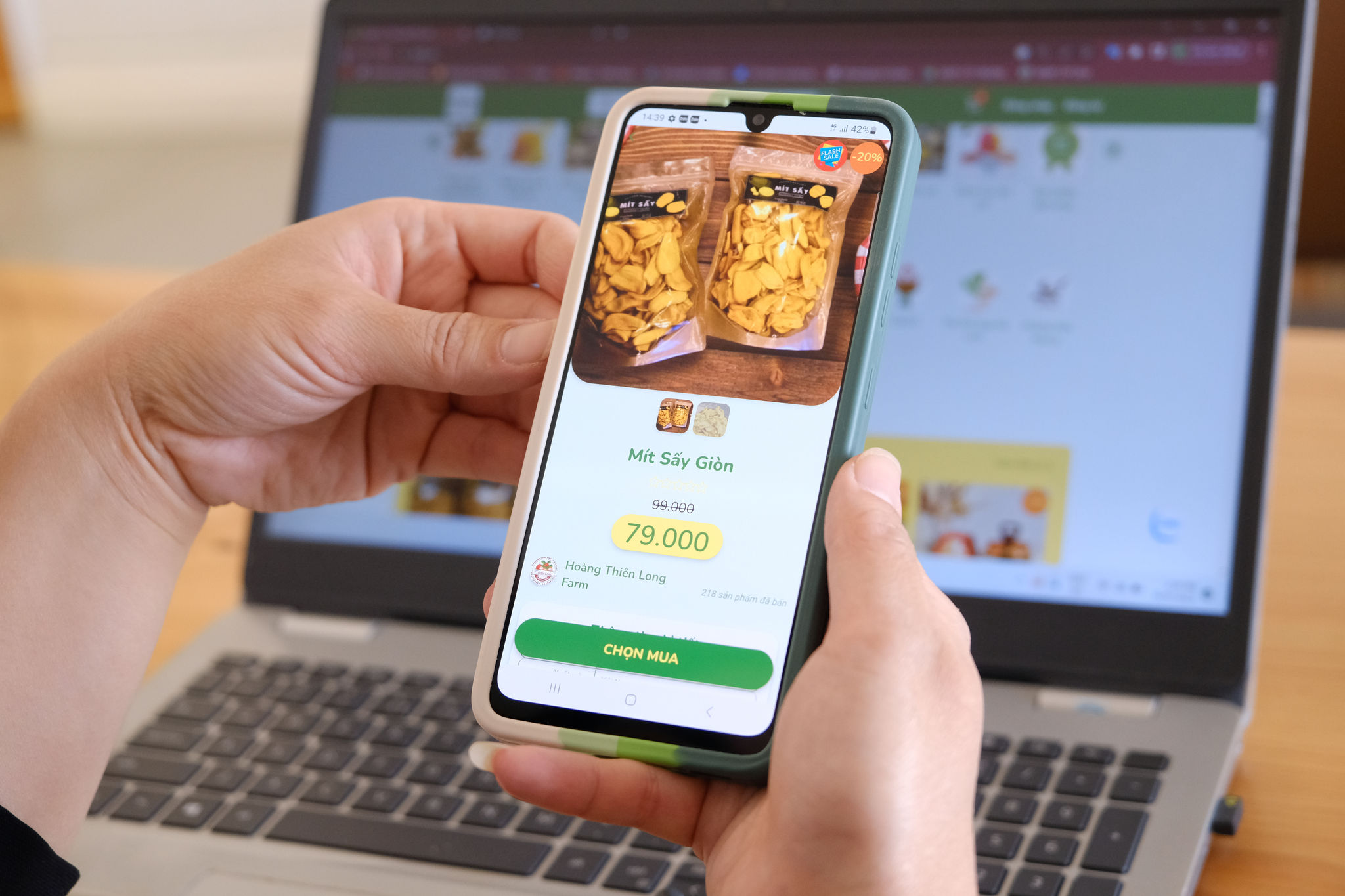
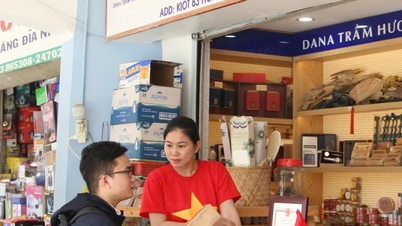
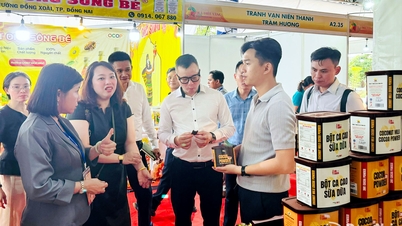
From its inception, Dalavi Co., Ltd. has identified the digital environment as one of the important channels for promoting products and developing the market. Ms. Nguyen Thi Men, Director of Dalavi Co., Ltd., believes that the current trend is not just about sightseeing, but tourists also want to learn about local culture, unique products, and local experiences.
Therefore, the gradual integration of tourism and local specialty information into the province's digital platforms and the VNeID application will provide businesses with an additional reputable channel to affirm quality to customers. At the same time, it helps businesses tell their brand story in the most visual and vivid way, while also affirming the quality and elevating the value of Da Lat's specialties on the digital tourism map.
Digital transformation is not only supporting promotion but also creating changes in how tourism operations are conducted. Many accommodation establishments and tourist destinations in Lam Dong have begun applying digital platforms in customer management, booking, online payments, and social media communication. Connecting tourism data also provides management agencies with additional tools to monitor, statistically analyze, and assess tourism activities.
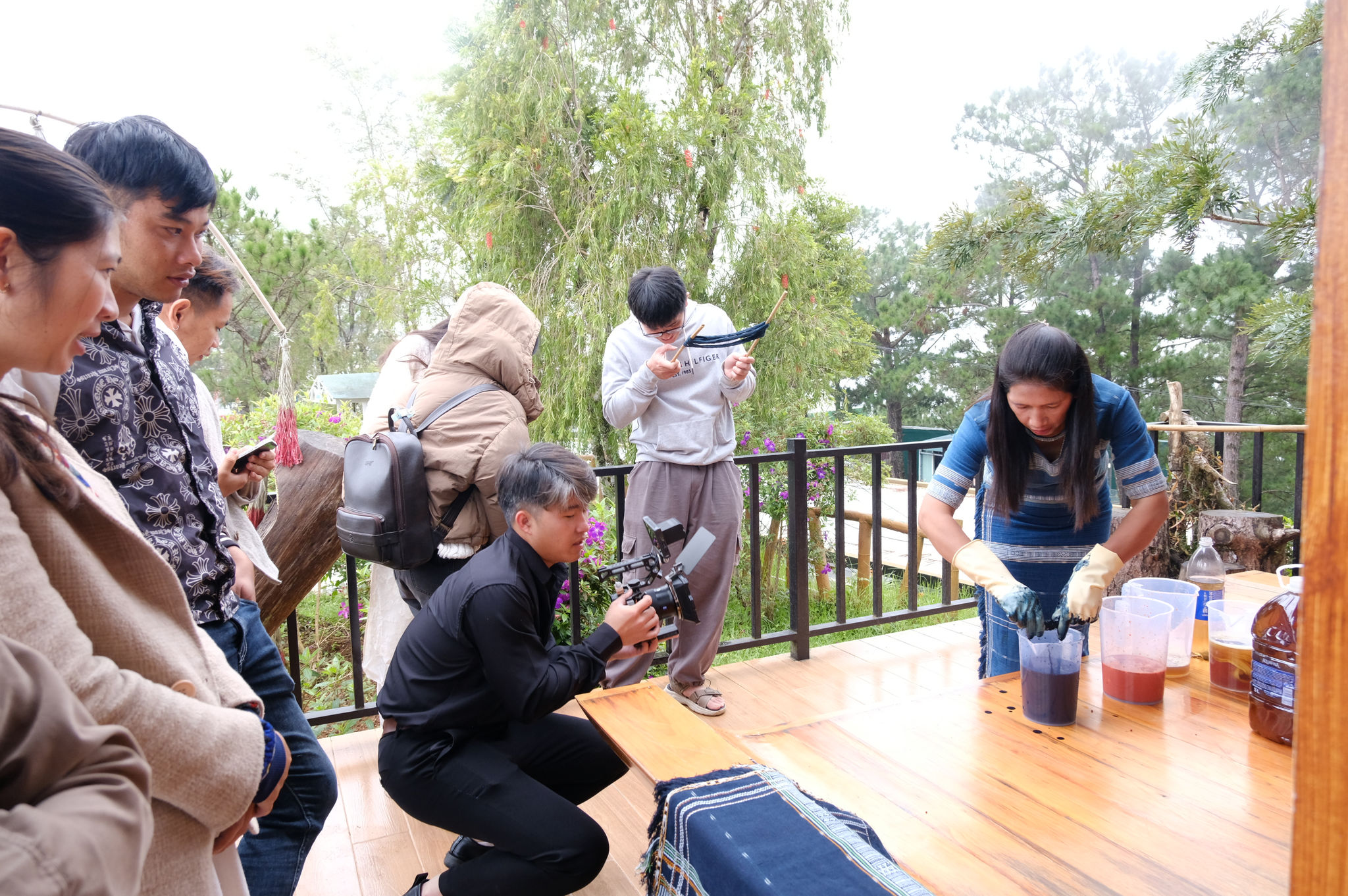
However, the implementation of Model 22 still faces some difficulties. Attracting people to access the VNeID application for tourism information remains limited due to the need for multiple verification steps. Furthermore, some platforms are not yet fully integrated, content updates are sometimes delayed; and the skills in applying technology, online promotion, and exploiting digital data are still limited in many localities, especially in rural areas and among small businesses.
Nevertheless, the model is considered a suitable direction for the digital transformation trend in the tourism sector. The Department of Culture, Sports and Tourism proposes continuing to maintain and expand the model in the period 2026-2030. Simultaneously, research should be conducted to expand promotional content, integrating more OCOP products and distinctive local tourism products on digital platforms. Strengthening coordination among agencies, units, and businesses is also considered a crucial solution to improve data utilization efficiency and gradually develop a digital tourism ecosystem in the province.
The province's smart tourism system has updated data on 1,636 accommodation establishments, 866 food and beverage establishments, 155 tourist attractions, 105 shopping locations, 598 entertainment venues, and 644 public utility locations.
Source: https://baolamdong.vn/phat-trien-du-lich-dich-vu-tren-moi-truong-so-445265.html


![[Photo] General Secretary and President To Lam and the President of the Philippines hold talks.](https://vphoto.vietnam.vn/thumb/1200x675/vietnam/resource/IMAGE/2026/06/01/1780283481955_vna-potal-tong-bi-thu-chu-tich-nuoc-to-lam-va-tong-thong-philippines-hoi-dam-8797519-1429-jpg.webp)



































































Comment (0)