

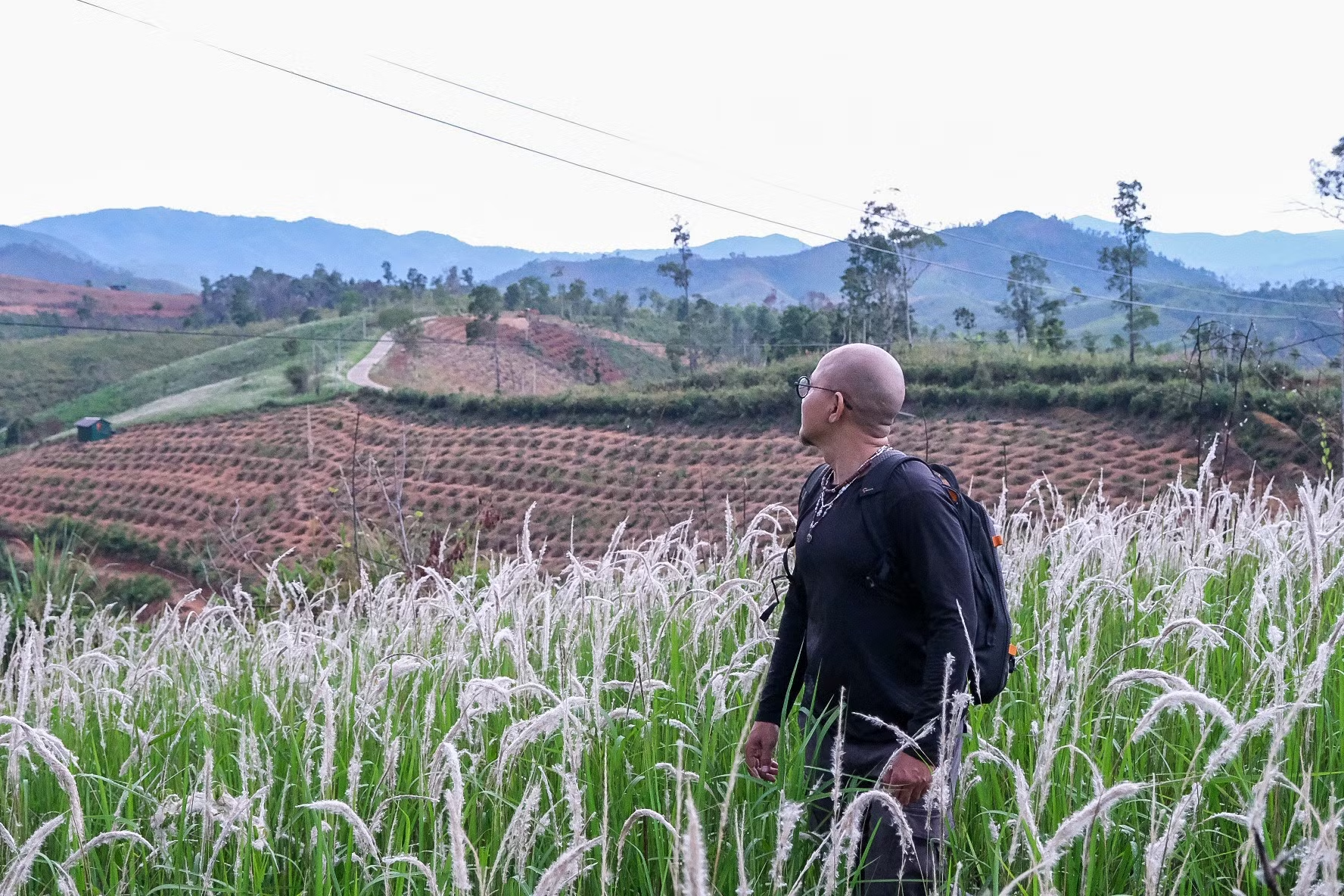
In the early morning sun, the cogon grass hills along the road leading to Ha Dong commune swayed in soft white blossoms.
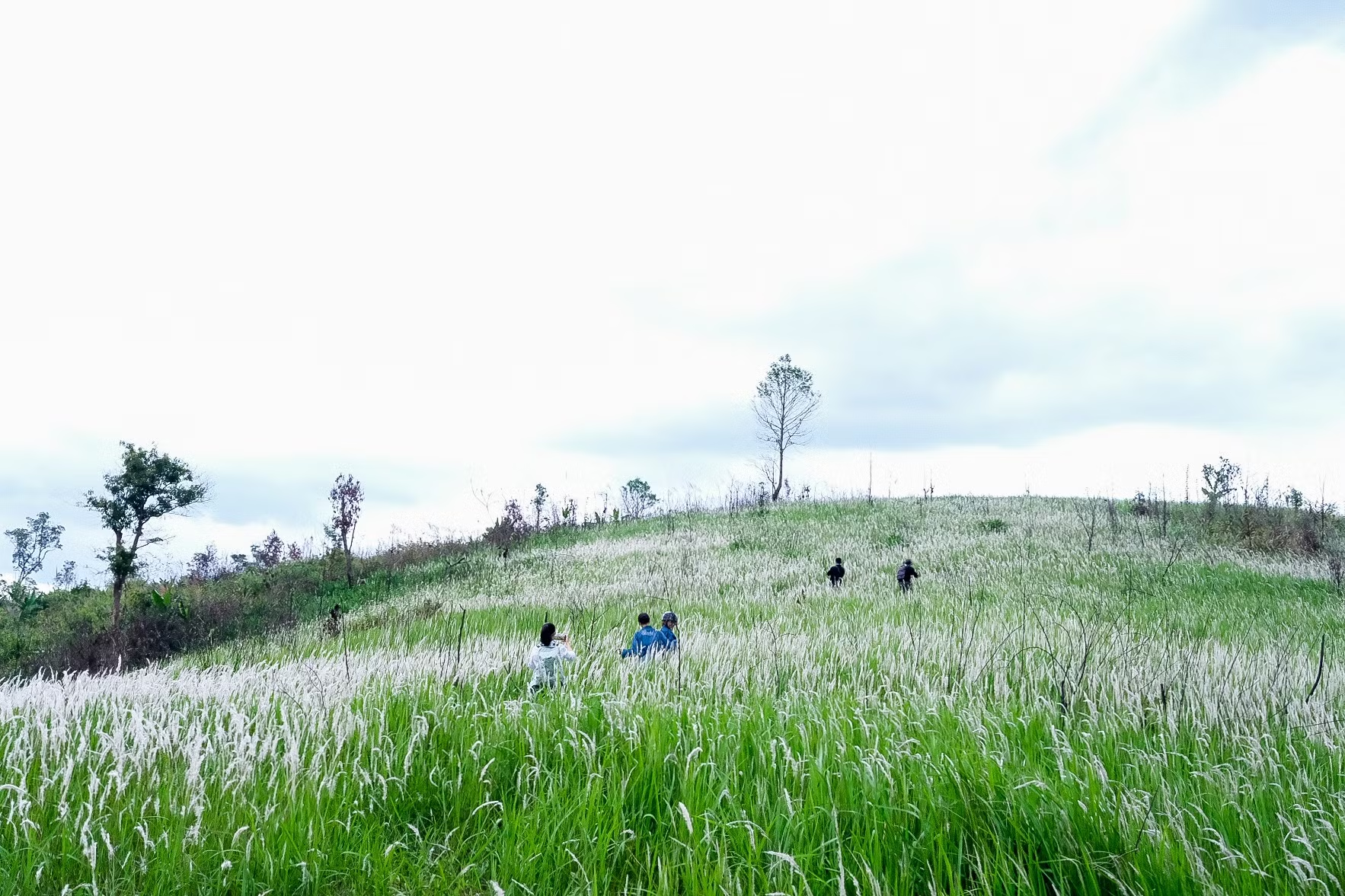
Amidst the vast mountains and hills, only occasionally does a small house perched precariously on the slope, surrounded by fields of white reeds that resemble clouds, beautiful as a fairytale land, even without dazzling displays.
Perhaps because it grows wild amidst the vast mountains and hills, cogon grass possesses a beauty of freedom.
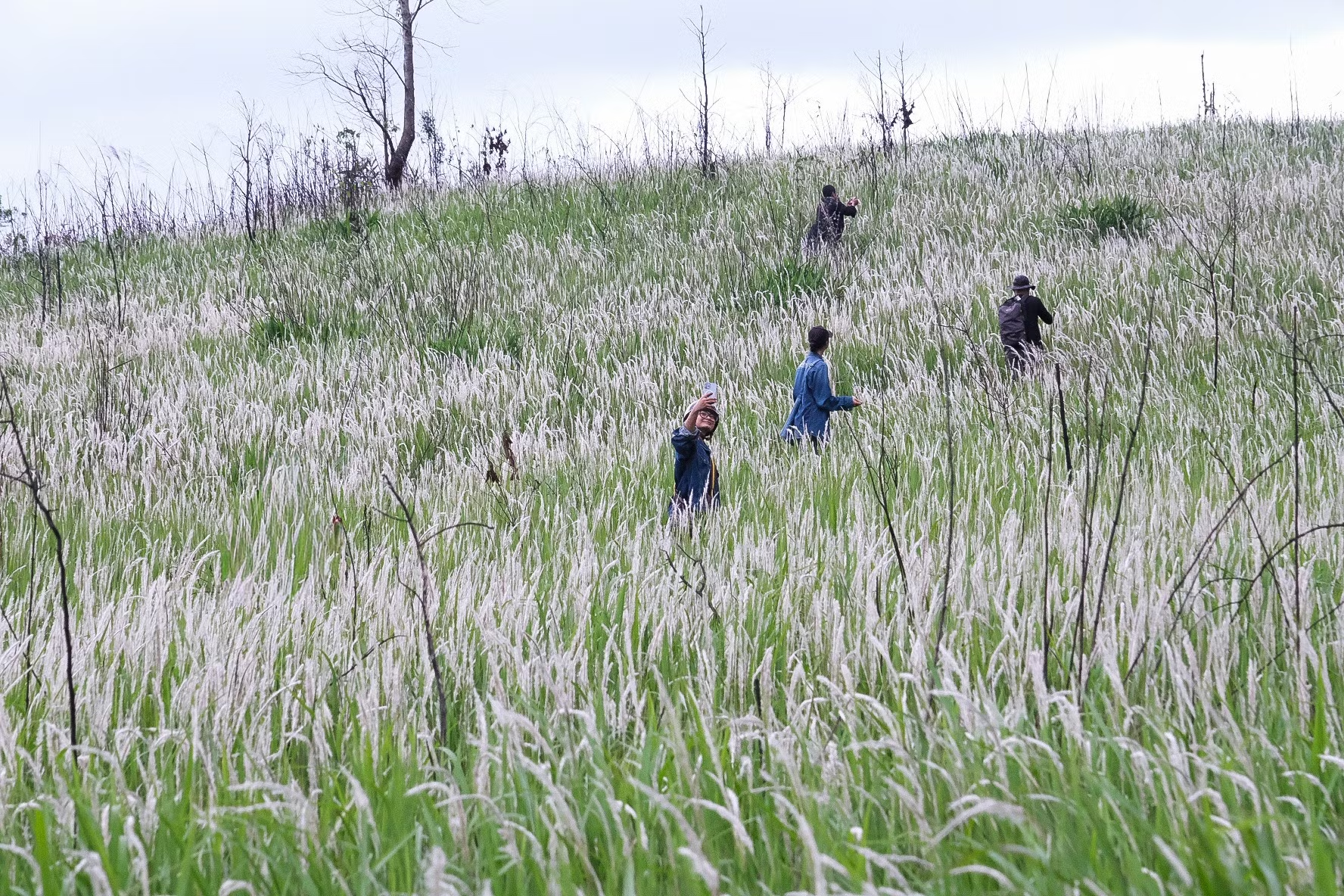
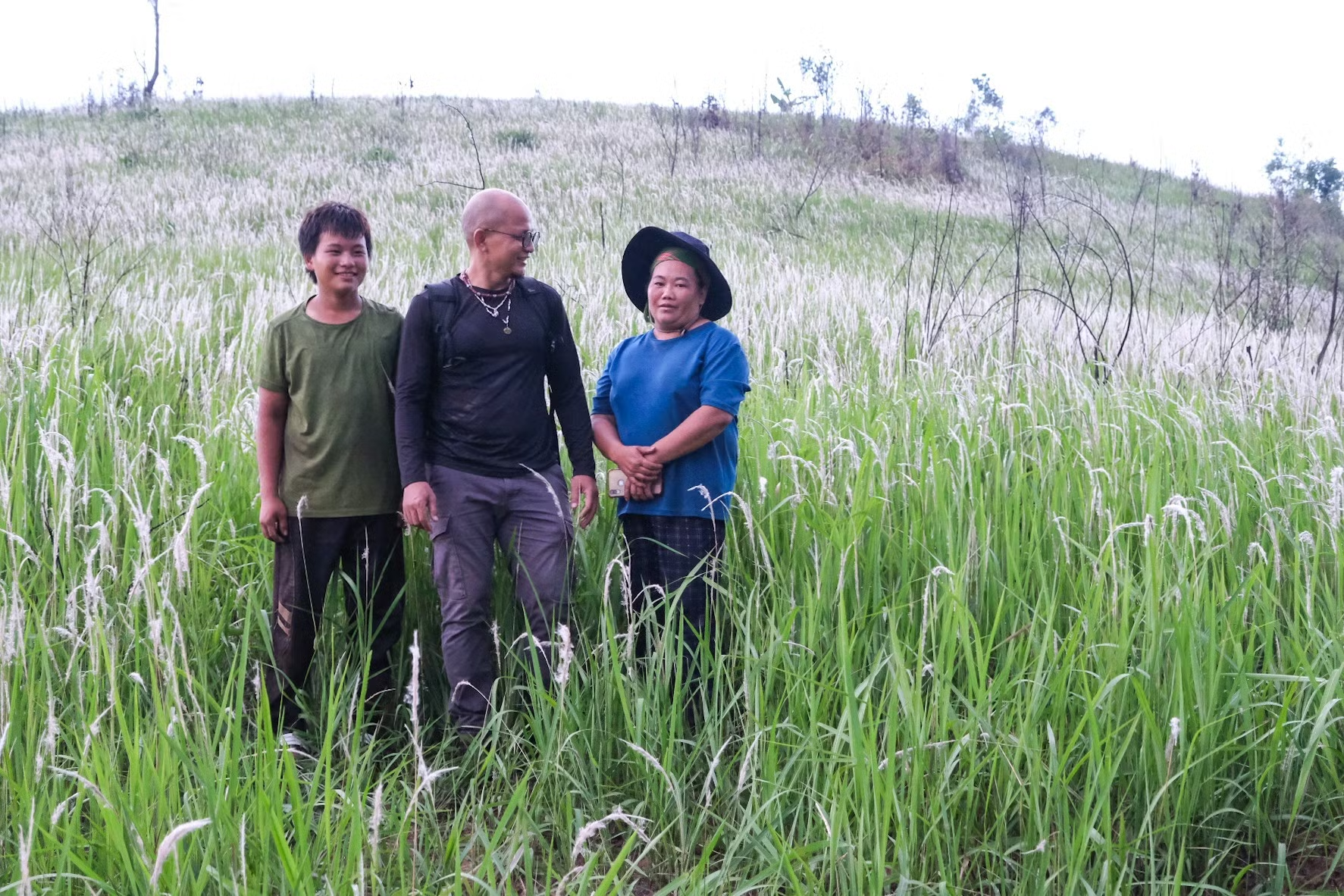
The grass, white as clouds, blankets the vast hills, enticing countless travelers. Climbing the grassy hills, amidst dense, lush green clumps, one hears the rustling of the leaves with every step. The grass blades are sharp and pointed, yet the flowers are soft as velvet, gently caressing the skin like tender touches.
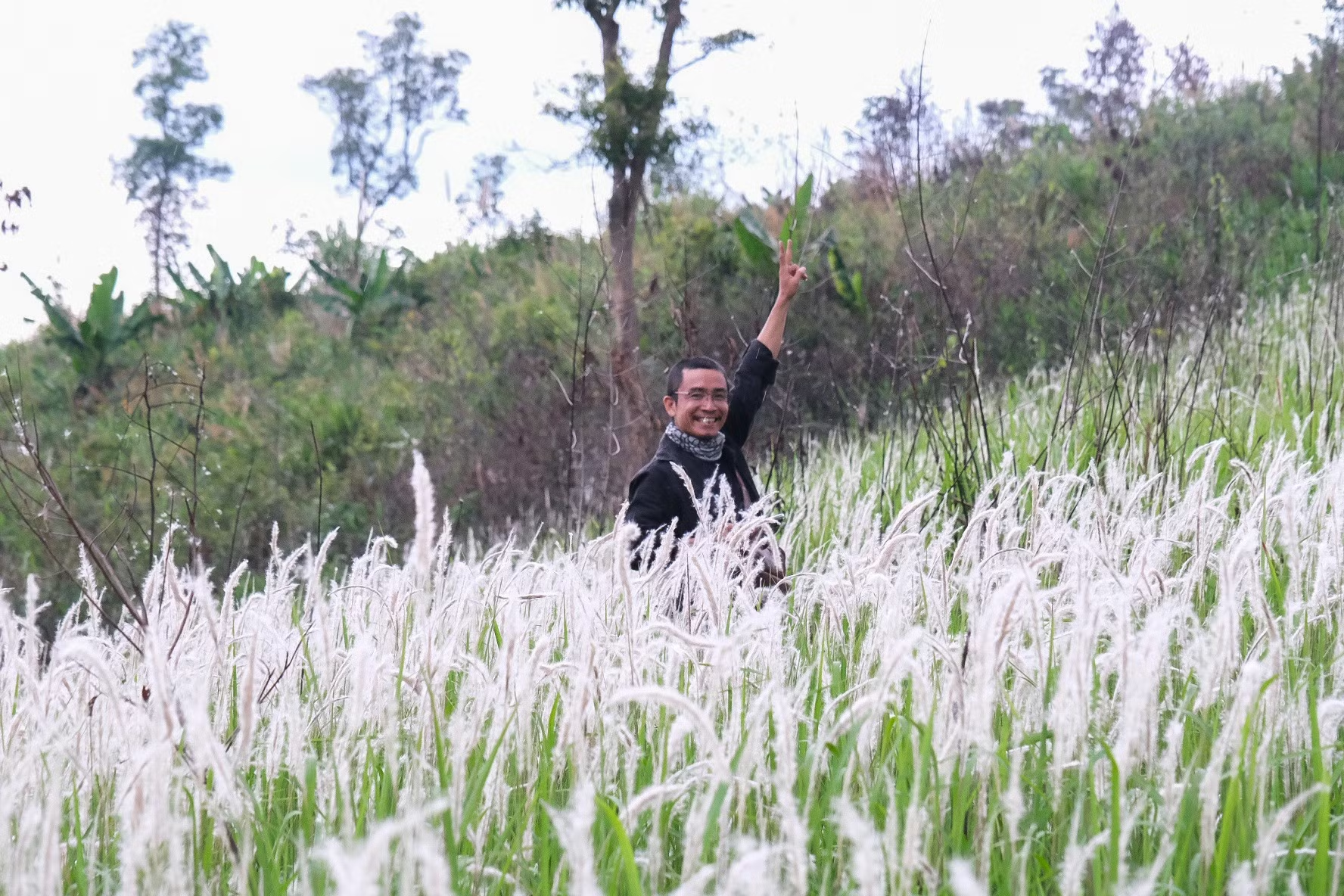
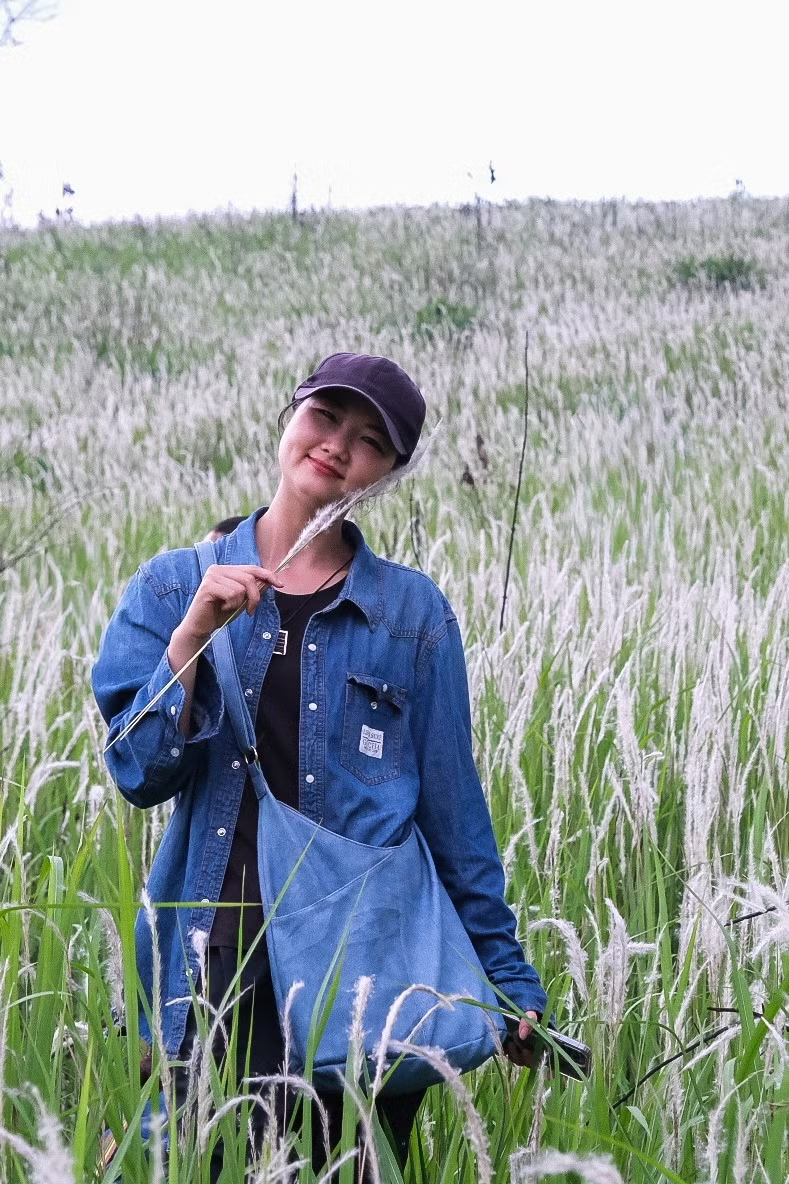
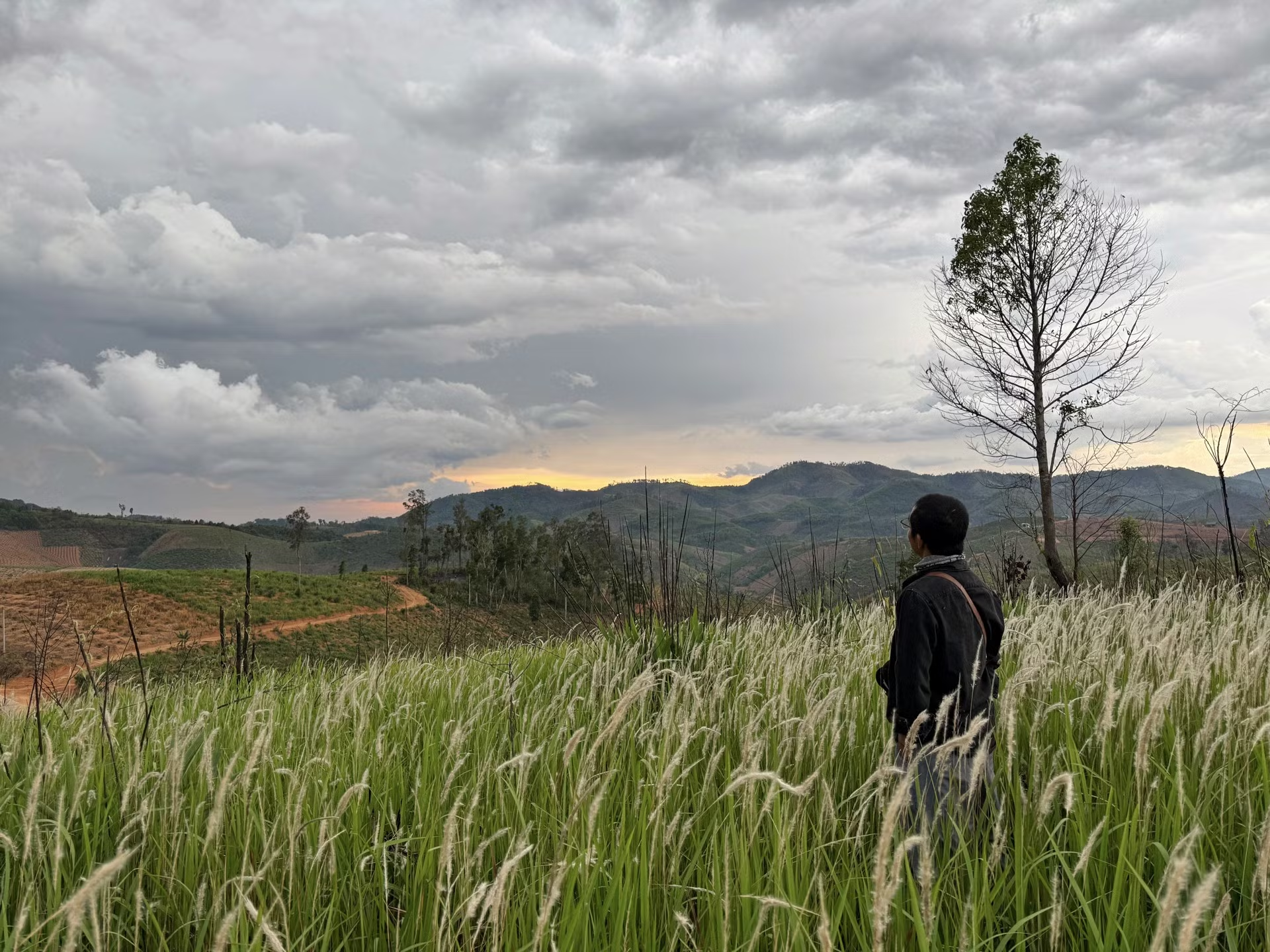
We passed through the grasslands while the early morning sun still lingered on the hillsides. By the time we returned, it was late afternoon. A sudden jungle rainstorm arrived. The dark, leaden sky further accentuated the pristine white grass hills stretching along the slopes.
Thunder rumbled from the horizon. Lightning flashed behind the distant mountain range. Yet, standing amidst the vast expanse of white reeds in the afternoon rain, surrounded by hills and mountains, there was a strange sense of peace.
In the Central Highlands, few weeds possess such remarkable vitality and are as deeply intertwined with people's lives and memories as cogon grass. This weed is present throughout the lives of the mountain people, as if it were an integral part of their being.
The faded thatched roofs amidst the deep green forest, or the smell of wood smoke seeping through the layers of thatch, carry with them a unique flavor of memories.
In many places on the Gia Lai plateau, the Bahnar people still often cut reeds and weave them into panels to roof their communal houses and stilt houses, cover the walls of their rice storage sheds, or build huts in their fields.
The thatched roofs, several inches thick, help keep the house cool in the dry season, warm in the rainy season, and protect it from the cold winds that sweep in from the mountains.
The Bahnar people in the Ha Tay region (Ia Khuol commune) still preserve many traditional communal houses with thatched roofs towering high in the middle of the village.
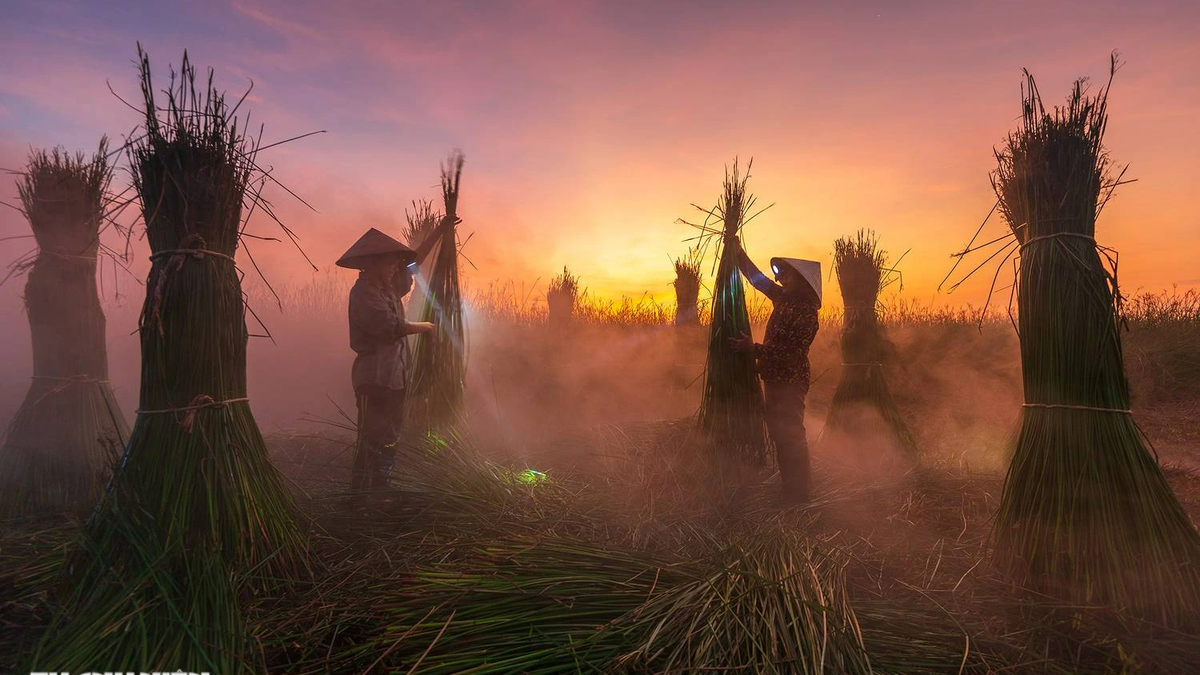
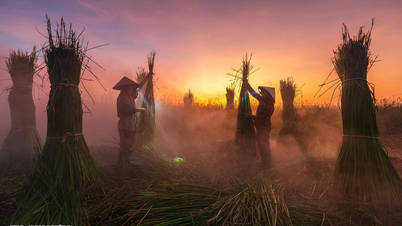
Every rainy season, when the thatch grass is at its greenest, the women climb the mountains to cut it and bring it back, storing it under the floorboards to use for patching roofs or repairing communal houses. Whenever the village repairs the communal house, women of working age contribute dozens of bundles of thatch as a way of fulfilling their responsibility to the community.
Thatch grass is not only a building material but also a memory of difficult times. In the stories told by the village elders around the fireplace, the memory of "salting thatch grass" remains vivid.
It's the ash from burning thatch grass, used as a dipping sauce for cassava roots instead of salt during the war years when food was scarce and salt was scarce. A seemingly simple dish, yet it evokes memories of a time of fighting invaders and defending villages with all the endurance of the mountain people.
Source: https://baogialai.com.vn/qua-mien-co-tranh-post588508.html






























![[Photo] Reception to welcome General Secretary and President To Lam and his wife on their State visit to the Philippines](https://vphoto.vietnam.vn/thumb/1200x675/vietnam/resource/IMAGE/2026/06/01/1780295488620_vna-potal-chieu-dai-chao-mung-tong-bi-thu-chu-tich-nuoc-to-lam-va-phu-nhan-tham-cap-nha-nuoc-toi-philippines-8798060-7855-jpg.webp)



































































Comment (0)