

As the early morning mist lingered on the mountain peaks, we made our way uphill towards Long village (Quai To commune). Nestled at an altitude of over 1,000 meters above sea level, Long village resembled a small valley, welcoming visitors with the rich aroma of rice paddies preparing for the new planting season.
Nestled amidst majestic mountains, the 114 villages with over 500 Hmong inhabitants have lived peacefully and discreetly for generations, like a "rough gem," boasting unique cultural features and pristine natural beauty. Recently, life has become more vibrant as the small village has proactively transformed itself into a community-based tourism destination , welcoming visitors from near and far.

The rice paddies are planned to be used for organizing snail-catching activities for tourists visiting Long Village.
Leading us along the clean concrete road, flanked by vibrant flowers and newly planted trees, Mr. Mua A Sinh, Head of the Tourism Development Committee of Long Village, couldn't hide his joy. He recounted that for over a year, the villagers had voluntarily joined hands to clean their houses and beautify the landscape. Young people, women, and commune officials spent many days diligently rebuilding houses, constructing traditional welcome gates, and improving the scenery. Officials from the province and tourism organizations also came to the village to provide hands-on guidance, instructing the women on how to cook dishes to suit the tastes of visitors from the lowlands, how to keep homestays clean, and how to communicate politely and hospitably.
The beauty of Long Village lies in its tourism development without commercialization. The villagers maintain their traditional Mong way of life and work. And one of the "secret weapons" that nature has bestowed upon this land, expected to become a highlight that will attract visitors from afar, is a product found deep beneath the soft mud: the freshwater snail.
According to many elderly people in the village, the snails here are not industrially farmed but are a centuries-old natural product of this highland region. Since ancient times, when generations of Hmong ancestors came here to clear land and establish terraced rice fields, the snails were already present. No one bought breeding stock, nor did they need to feed them. Every season, the villagers plowed the fields and channeled water from the source, and the snails multiplied and flourished.
Strangely, this type of snail is extremely picky about soil. Mr. Sinh said that many people from other regions, seeing how delicious, plump, and valuable the snails from Bản Lồng are, have come to ask for breeding stock to bring back and release into their own fields. But when taken elsewhere, the snails either die or become stunted, their meat tough, and they absolutely lack the sweet, fragrant, and rich flavor they have in Bản Lồng. "The snails here are delicious probably because of the cool, pure water flowing from the underground springs of the deep forest," Mr. Sinh shared.
The life cycle of the Lồng village snail is closely linked to the rice planting season. These snails are available year-round, but are fattest and most meaty from the end of April to the end of June in the lunar calendar. This is when the rice fields are flooded, and the fertile mud stimulates the snails' vigorous growth. When the rice crop begins to grow and the water recedes, the snails automatically burrow deep into the mud, "hibernating" for many months until the next planting season. This completely natural growth method is what gives Lồng village snails their unique and unparalleled reputation.
...to creating unique tourism products

The people of Lồng village are harvesting snails.
Following Mr. Sinh to the terraced rice fields at the foot of the mountain, during the rainy season, we encountered Hmong women in traditional attire diligently guiding tourists in catching snails. Under the crystal-clear water reflecting the clouds and sky, groups of tourists, including adults and children, enthusiastically waded through the mud, following the instructions of the amateur guides. Each "catch" found was accompanied by laughter and chatter echoing throughout the valley.
Many first-time visitors are initially hesitant when stepping into the muddy, soft rice paddies. To help these newcomers get started, Ms. Vu Thi Dua meticulously guides them in her distinctive local accent. According to her, catching rice paddies doesn't require sight; it's all about using your sense of touch. When the paddies are full of water, the snails don't hide deep but crawl directly on the soft mud. The catcher simply needs to spread their hand, gently rub it back and forth across the mud, and they'll immediately feel the sturdy shells. They pick them up, harvesting the larger ones and releasing the smaller ones for the next season.

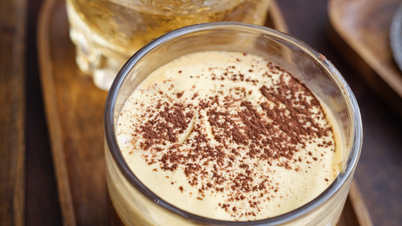
This dish is made from snails from Lồng village.
After a snail-gathering trip, tourists will bring their "catch" back to the wood-fired kitchen of the homestay. The snails are soaked in rice water with a few slices of chili to remove the mud, then stir-fried with lemongrass, cooked in sour bamboo shoot soup, or stir-fried with wild betel leaves. The snail meat is crunchy, sweet, and flavorful, and when eaten with a spicy dipping sauce with the taste of the mountains, all the fatigue from the long journey over the mountain passes suddenly disappears.
According to Mr. Sinh, guiding tourists in searching for snails in the rice paddies is a new experience that the local government is encouraging and supporting the villagers to organize in order to create a highlight for community tourism. However, currently, the snail harvest in Long village is still facing the problem of insufficient supply to meet demand. Because it relies entirely on nature, the amount of snails caught depends heavily on the weather and season.
“Currently, the commune has guided households with large rice paddies to re-plan into specialized farming areas, combined with experiential activities. A crucial factor in ensuring the quality of the snails from Lồng village is the preservation of the water source, preventing pollution. Therefore, the commune is promoting awareness and encouraging people not to use pesticides when planting, ensuring clean water for the snails and other aquatic species to thrive. In the near future, the locality will invite agricultural experts to guide people on commercial snail farming techniques, extending the harvesting period year-round to ensure a supply chain for tourists,” emphasized Mr. Giàng A Dế, Secretary of the Party Committee of Quài Tở commune.
Leaving Bản Lồng village as the fiery red sunset bathed the fertile rice paddies, we will forever remember the special taste of its unique local delicacy and the radiant smiles of the local Hmong people. From a simple dish to improve meals during harvest season, field-raised snails are becoming one of the tourist attractions drawing visitors to this mountainous region…
Source: https://baoangiang.com.vn/mua-oc-tha-dong-o-ban-long-a487488.html
















![[Photo] Reception to welcome General Secretary and President To Lam and his wife on their State visit to the Philippines](https://vphoto.vietnam.vn/thumb/1200x675/vietnam/resource/IMAGE/2026/06/01/1780295488620_vna-potal-chieu-dai-chao-mung-tong-bi-thu-chu-tich-nuoc-to-lam-va-phu-nhan-tham-cap-nha-nuoc-toi-philippines-8798060-7855-jpg.webp)



















































Comment (0)