

Vitamin C is an important nutrient that helps the immune system function effectively and participates in the creation of collagen for the skin and blood vessels. At the same time, this vitamin acts as an antioxidant, helping to protect cells, according to the health website Healthline (USA).
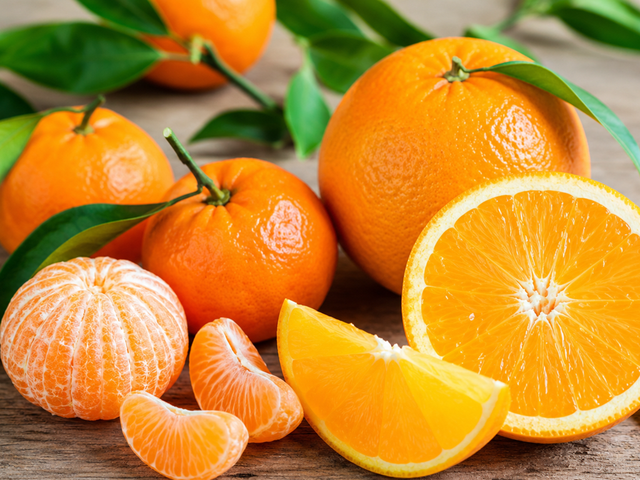
Tangerines and oranges are fruits rich in vitamin C.
PHOTO: N. Quy created using AI
Oranges are often considered a superior source of vitamin C, while tangerines have the advantage of being milder, easier to eat, and more convenient. However, the difference isn't significant when considered as part of a daily diet.
Oranges contain more vitamin C.
According to nutritional data from the U.S. Department of Agriculture (USDA), oranges generally contain more vitamin C than tangerines when compared by weight. On average, 100 grams of oranges can provide about 50-53 mg of vitamin C, while 100 grams of tangerines typically contain about 26-36 mg. Therefore, if the primary goal is to supplement vitamin C, oranges are a better choice.
Differences in vitamin C content are related to the natural characteristics of each type of fruit. Oranges typically have thicker, juicier flesh and contain a higher amount of organic acids, thus having a slightly higher vitamin C content.
Tangerines are sweeter and contain more plant compounds.
Meanwhile, tangerines are generally sweeter and less sour due to their higher proportion of natural sugars. This refreshing sweetness makes tangerines easy to eat, especially for children or those who don't like the sour taste of oranges.
However, tangerines still contain many beneficial plant compounds such as flavonoids and carotenoids. These antioxidants help protect cells from oxidative stress.
For the same weight, although oranges contain more vitamin C, many people actually eat tangerines in larger quantities. This is because tangerines are easier to eat. Meanwhile, oranges are usually consumed in the form of juice. This method of consumption alters the amount of nutrients the body receives.
Specifically, when eating whole tangerines, people usually retain the segments, membranes, and some of the soluble fiber. This provides a better source of fiber while preserving more flavonoids and carotenoids. These antioxidants are concentrated in the membranes of the segments and the white fibrous part.
Meanwhile, freshly squeezed orange juice often significantly reduces fiber content because the pulp is removed. A glass of orange juice may contain a fairly high amount of vitamin C, but it's less filling than eating a whole orange. Additionally, the juicing process and exposure to air and light can cause some vitamin C and antioxidants to be lost over time.
Drinking fruit juice is generally not considered the optimal way to incorporate fruit into your daily diet, says Dr. Wendy White, a nutritionist at Iowa State University.
If people still prefer drinking orange juice, they should drink it immediately after squeezing. At this time, the amount of vitamin C is still abundant, and the antioxidants have not yet been depleted, according to Healthline (USA).
Source: https://thanhnien.vn/quyt-va-cam-loai-nao-chua-nhieu-vitamin-c-hon-185260522184359646.htm








































































































Comment (0)