

1. The effects of noni root
According to traditional Chinese medicine texts, the root of the noni plant, also known as Hai Ba Kich Can or Hich Thu Can, has an astringent and slightly bitter taste, is neutral in nature, and acts on the kidney and large intestine meridians.
Noni root has many uses such as dispelling wind and dampness, promoting blood circulation and regulating menstruation, calming the liver and lowering blood pressure, and acting as a laxative and diuretic. It is often used in the treatment of bone and joint pain, rheumatic paralysis, to improve blood circulation, regulate menstruation, soothe nerves, calm the mind, stabilize blood pressure, and support digestion and excretion.
Modern science has also discovered many valuable groups of active compounds in the roots of the noni plant, notably anthraquinones, the most important group of components that give the roots their characteristic yellow color; iridoids, which have strong anti-inflammatory and antioxidant effects; sterols, which help regulate cholesterol levels; scopoletin, a compound capable of dilating blood vessels; and polysaccharides, which help support the immune system.
Noni roots also contain a high amount of potassium along with many essential minerals for the body such as calcium, magnesium, sodium, iron, zinc, copper... Although the vitamin content in noni roots is lower than in the fruit, the roots still contain important vitamin groups such as vitamin C, vitamin A, vitamin E, and B vitamins (B1, B3)...
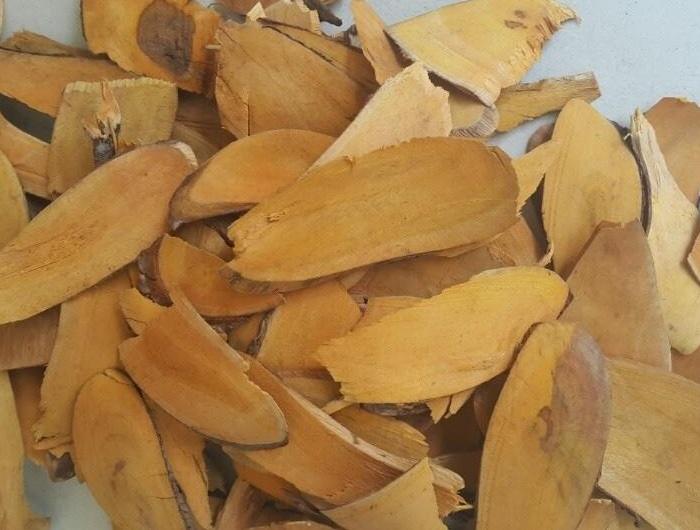
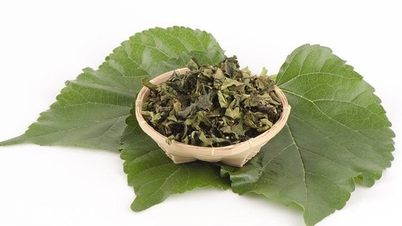
Dried noni root is a medicinal herb.
Thanks to these components, noni root has been proven to have many beneficial effects on health:
- It has a blood pressure-lowering effect and protects the cardiovascular system.
- Anti-inflammatory and pain relief.
- Boosts immunity and provides antioxidant benefits.
- Supports digestion and acts as a laxative.
In particular, the active compound damnacanthal in the roots of the noni plant has been studied by Japanese and American scientists and shown to have the ability to inhibit the growth of precancerous cells and activate the self-destruction process of malignant cells, giving noni root its potential in the prevention and treatment of cancer.
2. How to use noni root
2.1 Noni root soaked in alcohol
This method helps to extract the maximum amount of anthraquinone and damnacanthal compounds, which have the effect of dispelling wind and dampness, clearing meridians and promoting blood circulation, making tendons and bones more flexible, and is very suitable for people with bone and joint pain, and numbness in the limbs.
Making:
- Dried noni root is sliced, roasted until golden brown, and then buried in the ground.
- Soak 1kg of dried noni root in 5 liters of white wine.
- Soak in a glass jar or earthenware pot, tightly sealed. It can be used after at least 30 days.
- Drink 1-2 small glasses (about 20-30ml) each day during meals.
2.2 Noni root extract combined with other herbs to treat bone and joint pain.
This remedy helps nourish the liver and kidneys, reduces inflammation, and relieves nerve compression, making it particularly suitable for people with joint pain and sciatica.
Instructions: Use 20g of dried noni root, 20g of dried Cynodon dactylon root, 10g of Eucommia ulmoides bark, and 20g of Smilax glabra root. Boil these ingredients together and drink one dose per day.
2.3 Noni root decoction
This is the most common and effective use of noni root to dilate blood vessels and lower blood pressure, aiding in the treatment of insomnia and headaches.
Making:
- Use 30-40g of dried noni root, rinse to remove dirt.
- Boil the herbs with 1 liter of water, then simmer over low heat for about 20 minutes to allow the active ingredients to infuse into the water.
- Drink it instead of tea every day.
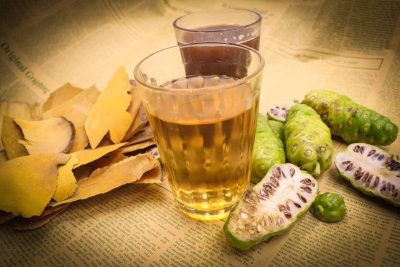
A decoction made from the roots of the noni plant helps dilate blood vessels and lower blood pressure.
3. Some notes on using noni root
Although it's often compared to "the ginseng of the Central Highlands," the root of the noni plant is not ginseng and cannot be used as a substitute for it. Additionally, the following should be noted:
- Noni root should not be used in excessively high doses; the maximum recommended dose is 30g per day, and it should not be consumed continuously for extended periods.
- Do not use noni root for pregnant women, people with low blood pressure, or people who are currently suffering from diarrhea.
- Use with caution in patients with kidney disease due to its very high potassium content; those with acute hepatitis or cirrhosis should consult a doctor before use.
- Use caution when combining noni root with antihypertensive drugs, anticoagulants, and potassium-sparing diuretics.
- If you experience any unusual symptoms while using candles, such as rash, itching, nausea, abdominal pain, fatigue, irregular heartbeat, etc., stop immediately and consult a doctor.
Source: https://suckhoedoisong.vn/re-nhau-co-tac-dung-gi-169260406115638373.htm

![[Photo] General Secretary and President To Lam and his wife begin their official visit to Thailand.](https://vphoto.vietnam.vn/thumb/1200x675/vietnam/resource/IMAGE/2026/05/27/1779881249412_anh-man-hinh-2026-05-27-luc-18-10-51.png)






















































































Comment (0)