

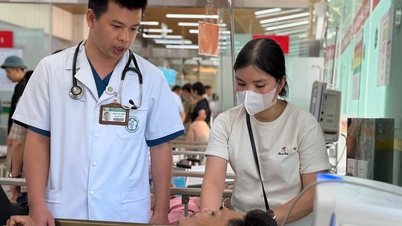
The average temperature in the North is 9-12 ° C, 6-9 ° C in mountainous areas, and below 5 ° C in high mountainous regions, with the possibility of frost and hoarfrost. On January 6th, several major hospitals in Hanoi, such as Bach Mai, Central Geriatric Hospital, Central Military Hospital 108, Central Pediatric Hospital, and Thanh Nhan Hospital, reported a significant increase in the number of patients admitted due to health problems related to the cold weather, particularly cardiovascular and respiratory illnesses.
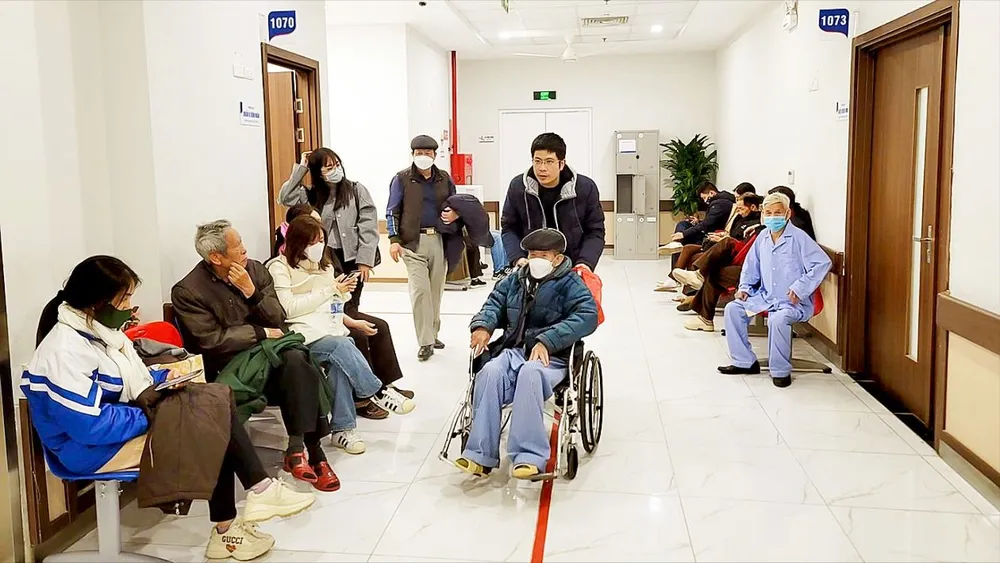
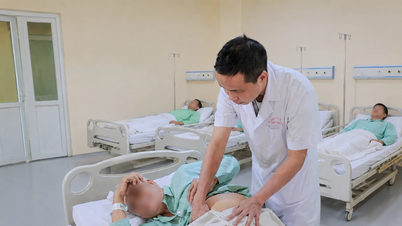
At E Hospital, the number of stroke cases has increased significantly during the recent cold spell. According to doctors, during the cold season, the number of hospitalized patients usually increases by about 15%, especially those with a history of stroke or cerebrovascular accident. Furthermore, when the temperature drops below 15 ° C or changes suddenly, the risk of stroke increases by up to 80%. Meanwhile, at the Stroke Center of Bach Mai Hospital, many stroke cases occurred in relatively young patients (under 45 years old), and among them, a significant number had a history of high blood pressure and abuse of tobacco, alcohol, and beer. When exposed to extremely cold weather, blood vessels can constrict, leading to increased blood pressure, blood clotting, and the formation of blood clots that cause stroke.
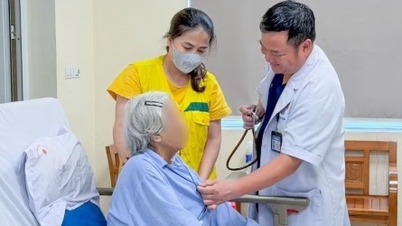
At the same time, the Central Geriatric Hospital received and treated many elderly people with respiratory illnesses due to weakened resistance and immune systems. Dr. Le Chung Thuy, Deputy Head of the Cardiovascular - Respiratory Department at the Central Geriatric Hospital, said that elderly people with chronic respiratory diseases, especially chronic obstructive pulmonary disease, are very sensitive to changes in weather and air quality. When the temperature changes suddenly or the environment is polluted, the respiratory tract is easily irritated. Just catching a cold, having a sore throat, a viral infection, or not adhering to medication treatment can cause the disease to progress rapidly and severely, requiring hospitalization.
For children, whose immune systems are still weak, severe cold weather is a major cause of respiratory illnesses such as sore throat, colds, fever, allergic rhinitis, and dry coughs. This is especially true for infants; if respiratory illnesses are not treated promptly, they can lead to more serious complications such as bronchitis and pneumonia.
To protect health during periods of severe cold weather, doctors advise people to keep their bodies warm, especially the chest and neck, and to eat a nutritious diet to boost their immune system. The elderly and those with underlying health conditions should avoid going outside when it is too cold. Children should be fully vaccinated and taken to the doctor immediately if they experience symptoms such as cough, fever, or difficulty breathing; parents should absolutely not give children medication without a doctor's guidance.
Source: https://www.sggp.org.vn/ret-dam-de-mac-benh-tim-mach-and-ho-hap-post832309.html
![[Image] A brilliant symphony and explosive power in the skies of Da Nang.](https://vphoto.vietnam.vn/thumb/1200x675/vietnam/resource/IMAGE/2026/05/31/1780196945787_anh-man-hinh-2026-05-31-luc-10-08-51.png)















![[Video] Sunset at Lap An Lagoon – Where the sun sets over the fishing nets](https://vphoto.vietnam.vn/thumb/340x192/vietnam/resource/IMAGE/2026/05/31/1780192137701_beach-landscape-sea-water-nature-grass-745871-pxhere-com.jpeg)






































































Comment (0)