


The vibrant diversity of Vietnamese Tet (Lunar New Year) stems primarily from our ancestors' choice of the time commonly known as celebrating Tet. This is the transitional period between winter and spring, and especially the transition between the old year and the new year according to the lunar calendar, based on the cycle and position of the Moon relative to the Earth.
That choice can be considered excellent because it fulfills the three elements of favorable timing, geographical advantage, and human harmony. Neighboring countries like Laos, Cambodia, and Thailand also celebrate the New Year, but it takes place in mid-April, at the end of spring, just before the beginning of summer.
Therefore, when we talk about Vietnamese Tet, we are talking about Spring. These two concepts have long been synonymous, two yet one: celebrating Tet/welcoming Spring, celebrating the New Year/celebrating the New Spring,...
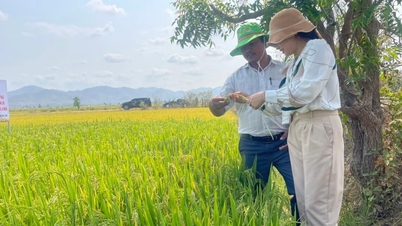
Vietnam is considered the cradle of rice civilization. Rice not only provides sustenance but is also the root of Vietnamese culture.
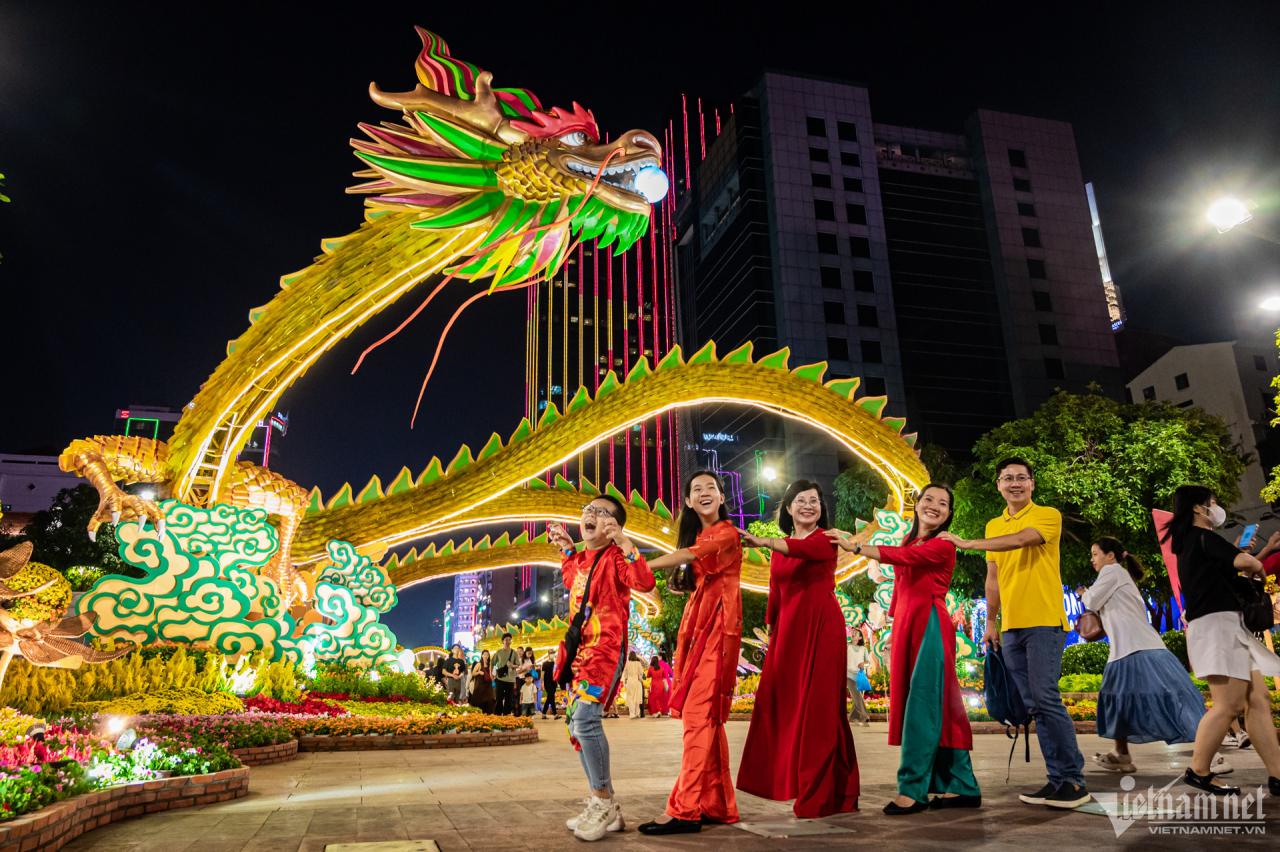
In the past, our ancestors' rice cultivation depended on natural conditions, and the season became an extremely important factor in farming. There were only two rice crops per year: the spring crop and the autumn crop. After harvesting the autumn crop, farmers would be busy preparing for the spring crop to ensure it was ready on time.
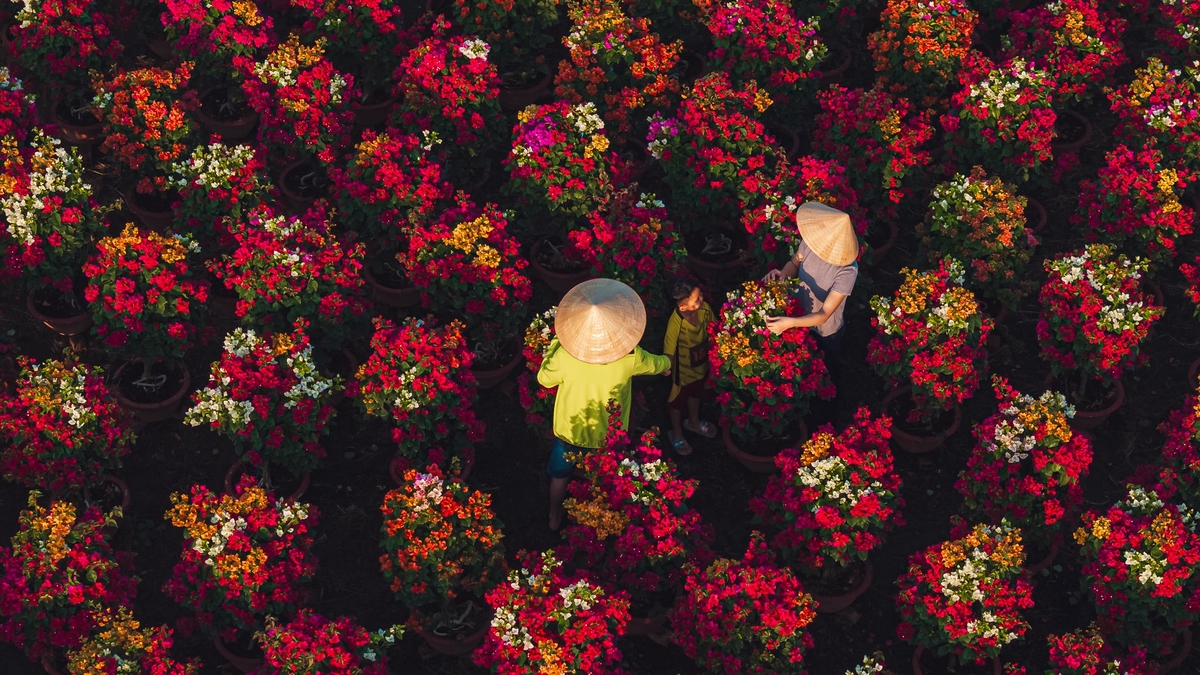
Typically, around the time leading up to the Lunar New Year, farming work is finished, and it's also the time when the seasons change, the time of year transitions. Winter ends, spring arrives, and the new year comes. People are busy preparing for Tet, dedicating the best things to celebrate the spring and the new year after a year of hard work.
Spring thus becomes a season of festivities filled with excitement and anticipation: "January is the month for feasting and revelry..." to make up for the hard work in the fields; a season of yearning for happiness and peace: "Green leaves, golden apricot blossoms, a happy spring / A joyful life, good health, a prosperous Tet" with the wish for a good new year.
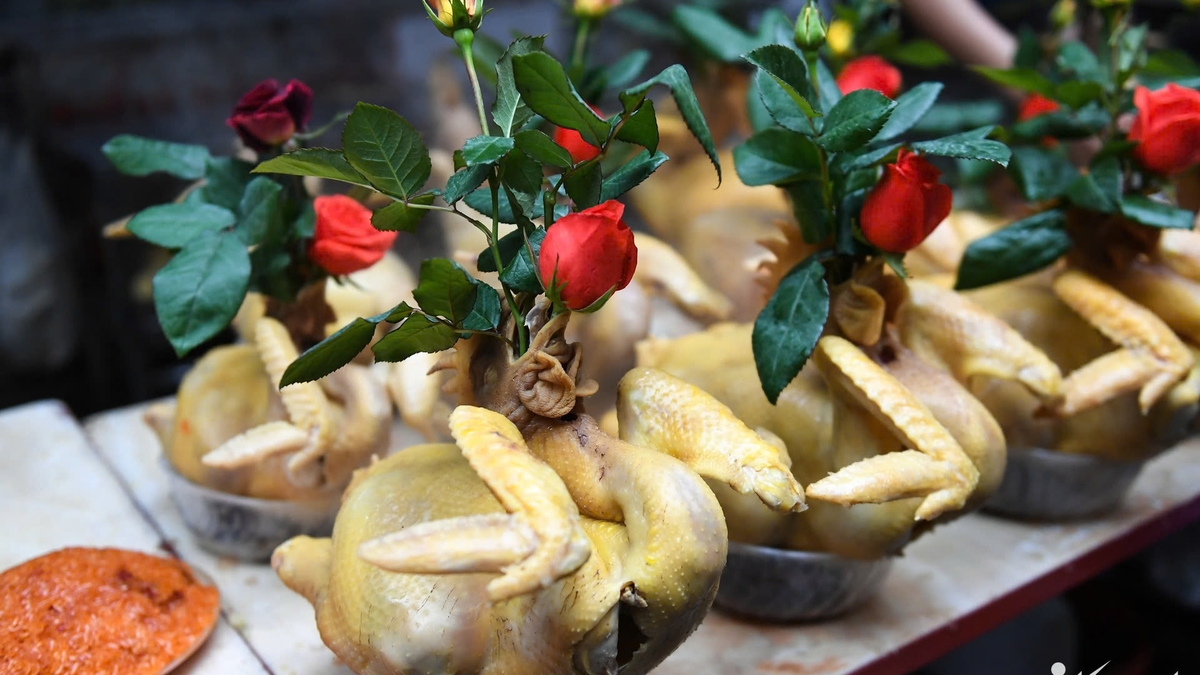
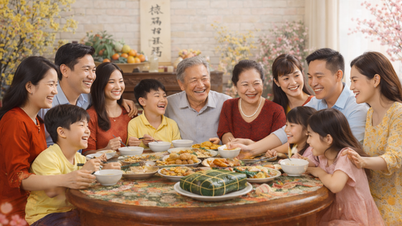
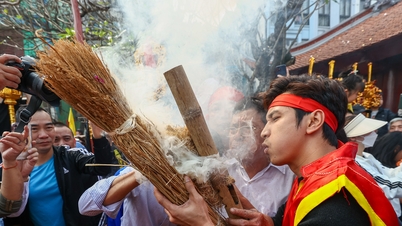
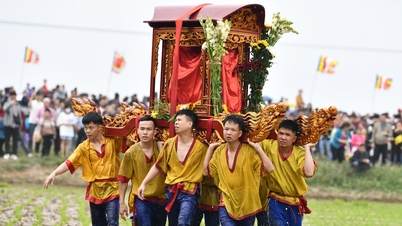
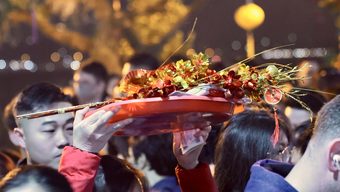
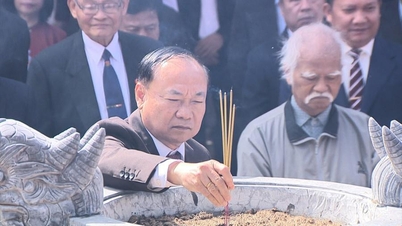
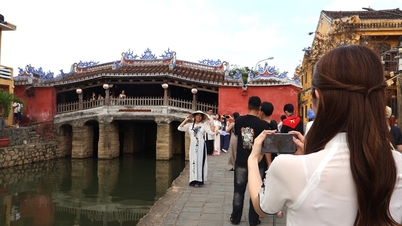
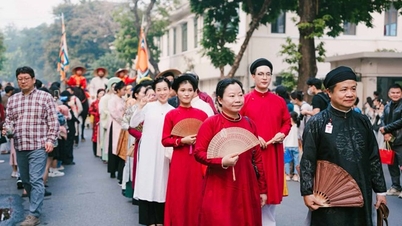
Tet is a special occasion for families to reunite, visit, encourage, and wish each other well, and enjoy traditional dishes together in the warm atmosphere of the changing seasons, with the gentle, sweet scent of incense wafting through the villages and hamlets.
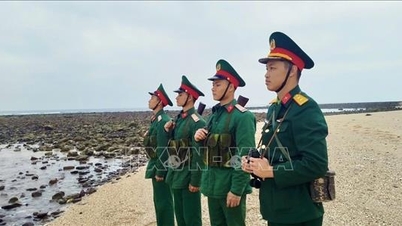
Looking back at the nation's history spanning thousands of years, important milestones and glorious victories often occurred – as if preordained – during the Lunar New Year and Spring. Therefore, there is a coincidence that is certainly not accidental: Tet and Spring are always associated with glorious victories in the struggle to defend the homeland by our ancestors.
This can be explained by the very unique characteristics of a nation with a rich cultural heritage spanning thousands of years, a special geopolitical position, and a constant need to confront challenges to maintain the integrity of its territory and country.
In the spring of the year 40 AD (the year of Canh Ty), the Trung Sisters raised the banner of rebellion against the rule of the Eastern Han invaders. In the spring of 542 AD (the year of Nhâm Tuất), Lý Bí raised the banner of rebellion against the rule of the Liang Dynasty. Notably, in the spring of 544 AD (the year of Giáp Tý), after defeating the Liang army, Lý Bí ascended the throne as Emperor, naming the country Vạn Xuân (Eternal Spring). Interpreted, "Vạn" (Eternal), in the way our ancestors thought, is a number signifying longevity, and "Xuân" (Spring) is the season of growth and renewal, and can also be understood as year. The name of the country carries a profound meaning: "May the nation endure for eternity," this country will have eternal spring.
Then, in the spring of 939 (Year of the Pig), Ngo Quyen proclaimed himself king, taking the title Ngo Vuong, beginning the period of independence and self-rule for the feudal dynasties of Vietnam; in the spring of 1077 (Year of the Snake), Ly Thuong Kiet defeated the invading Song army for the second time, the land resounding with heroic spirit: "The mountains and rivers of the Southern Kingdom belong to the Southern Emperor / Clearly defined in the heavenly book / How dare the rebellious invaders come to trespass / You shall surely witness your defeat and ruin."
The three springs of 1258, 1285, and 1288 are associated with the glorious victories of the Tran dynasty's army and people in defeating the invading Yuan-Mongol army, and the illustrious name of the national hero Tran Quoc Tuan, so that "The mountains and rivers will stand firm for a thousand years" (Tran Nhan Tong).
In the spring of 1418, Le Loi raised the banner of rebellion against the Ming dynasty's rule. Ten years later, in the spring of 1428, the last Ming invaders were swept from the land, and the mountains and rivers once again echoed the heroic spirit of the Proclamation of Victory over the Ming: "Using righteousness to overcome brutality / Using humanity to replace tyranny," ensuring "eternal peace and prosperity for the nation."
In the spring of 1789, during the five days and nights of the Lunar New Year, the swift advance of the Tay Son army, under the brilliant command of Quang Trung - Nguyen Hue, swept 200,000 Qing invaders out of the country. The nation forever echoes the stirring call of this humble hero: “Fight so that our hair may grow long / Fight so that our teeth may remain black / Fight so that not a single wheel can return / Fight so that not a single piece of armor can be returned / Fight so that history may know that the Southern nation has heroic leaders!”
In modern times, the traditional Lunar New Year of the nation is also associated with historical spring seasons.
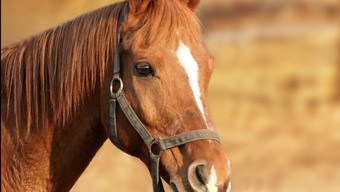
In the spring of 1930 (Year of the Horse), the Communist Party of Vietnam was founded. Since then, under the leadership of the Party, the revolutionary cause of our people has gone from one victory to another, writing glorious chapters in history, further brightening the spring of the nation and the vibrant colors of the Vietnamese Tet holiday.
The Tet Offensive of 1968 marked the simultaneous general offensive and uprising of the army and people of South Vietnam; the Spring of 1973 saw the victory of the "Dien Bien Phu in the Air," forcing the US to declare an end to its bombing campaign against North Vietnam; accept the Paris Agreement, restoring peace in Vietnam and withdrawing its troops; the Spring of 1975 began with the Central Highlands Campaign and ended with the historic Ho Chi Minh Campaign, creating the great Spring victory, liberating South Vietnam, and unifying the country.
Since our country gained independence, every year when Tet (Lunar New Year) arrives, the people and soldiers throughout the country have a new joy, eagerly awaiting the sacred moment of New Year's Eve: listening to Uncle Ho's New Year's greetings poem.
The New Year's poems by President Ho Chi Minh reflect a revolutionary spirit of optimism, simultaneously addressing current events and providing strategic direction: "Both North and South fight well against the Americans / Good news of victory blossoms like flowers," "For independence, for freedom / Fight to drive out the Americans, fight to overthrow the puppet regime"; and also serve as a prophecy, encouraging and inspiring the people and soldiers nationwide to overcome hardships and sacrifices, bravely shouting, "Forward! Complete victory will surely be ours," bringing the long march of national liberation to its final destination: "North and South reunited, what spring could be more joyful?"
Nguyen Duy Xuan
Source

![[Photo] General Secretary To Lam attends the opening session of the Peace Council on Gaza.](https://vphoto.vietnam.vn/thumb/1200x675/vietnam/resource/IMAGE/2026/02/19/1771516865192_tbttolam5-jpg.webp)











































Comment (0)