

Legend has it that during the reign of the 18th Hung King, when the country was invaded by foreign enemies, General Phan Tay Nhac was entrusted by the King to lead the army to fight the invaders. General Phan Tay Nhac obeyed the King's orders, received his full complement of troops, and diligently trained his soldiers day and night. The march was urgent, and if the soldiers didn't eat properly, they would lack the strength to pursue the enemy. He devised a plan to organize cooking competitions with prizes within the army to quickly establish a skilled culinary support force.
After defeating the enemy, General Phan Tay Nhac and his wife, Hoa Dung, returned to live in Thi Cam, teaching the villagers how to cultivate mulberry trees, raise silkworms, and weave cloth.
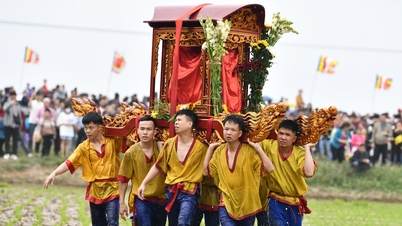
After his death, he was revered by the people as the village's tutelary deity. To commemorate his contributions, the people of Thi Cam village hold a festival on the 8th day of the first lunar month every year. The most unique feature is the rice-cooking competition, recreating the scene of the competition held by the talented general in the past.
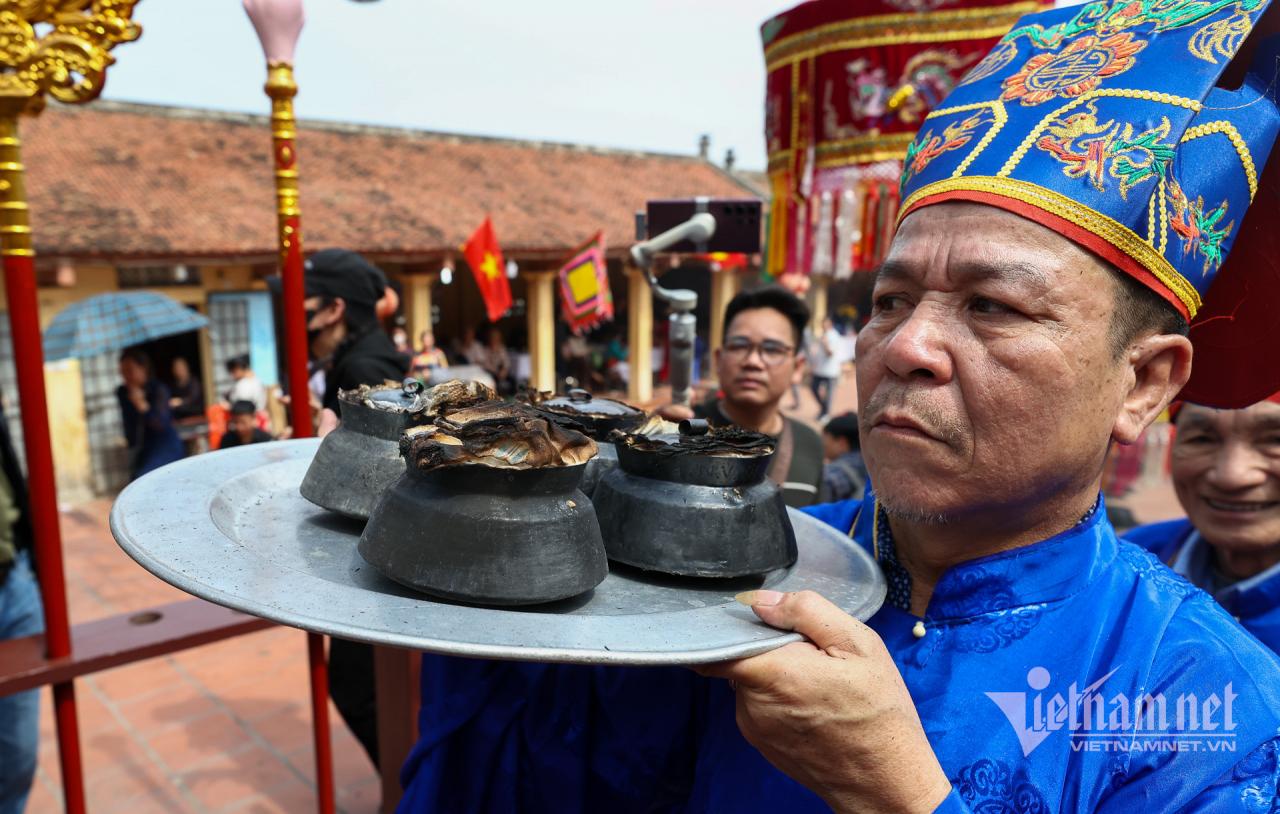
The ancient village of Thi Cam had four hamlets, each sending a team to compete in a rice-cooking contest. Before the competition, the teams prepared the necessary items such as pestles, mortars, straw, pots, etc. Each team was given 1kg of rice by the organizing committee to cook. On March 9, 2021, the Ministry of Culture, Sports and Tourism issued Decision No. 827/QD-BVHTTDL announcing the traditional festival - Thi Cam Rice Cooking Contest - as a national intangible cultural heritage.
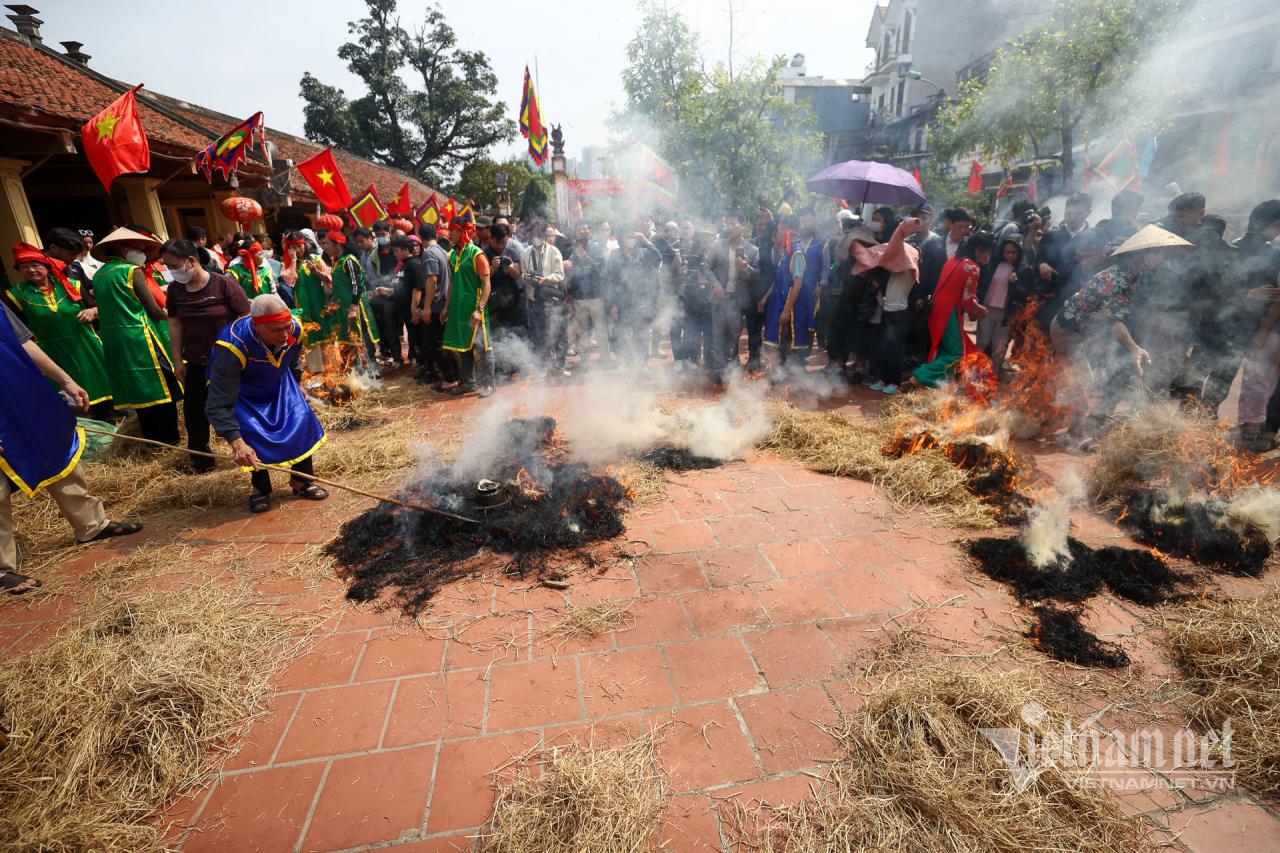
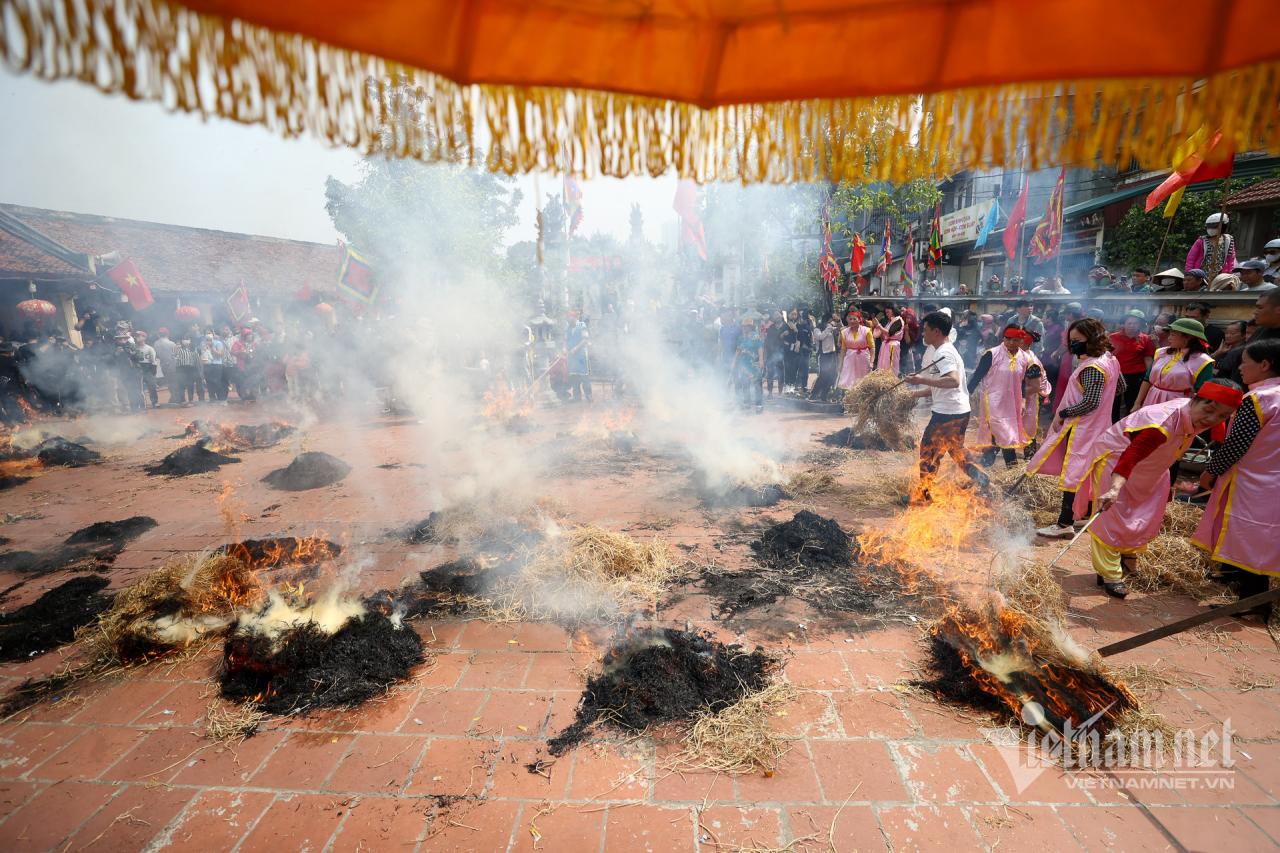
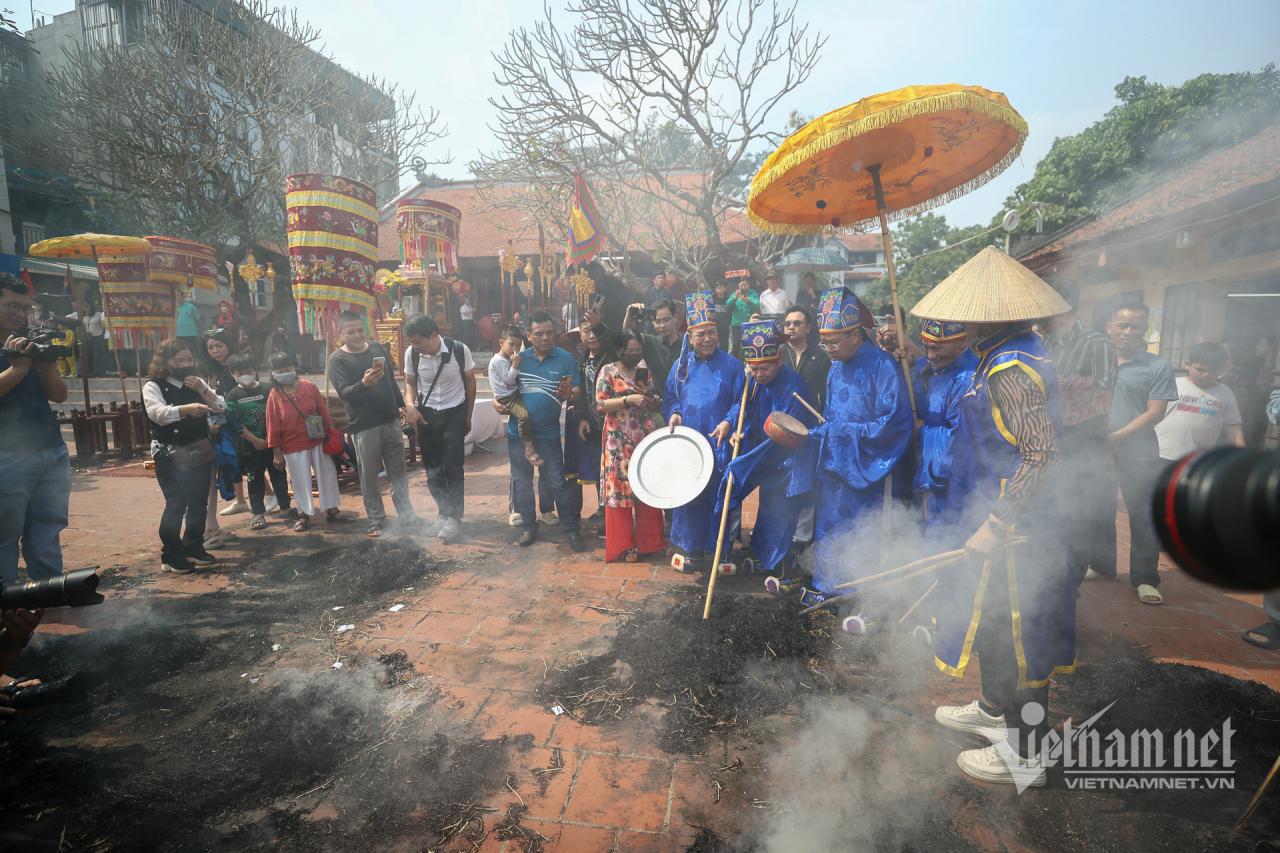
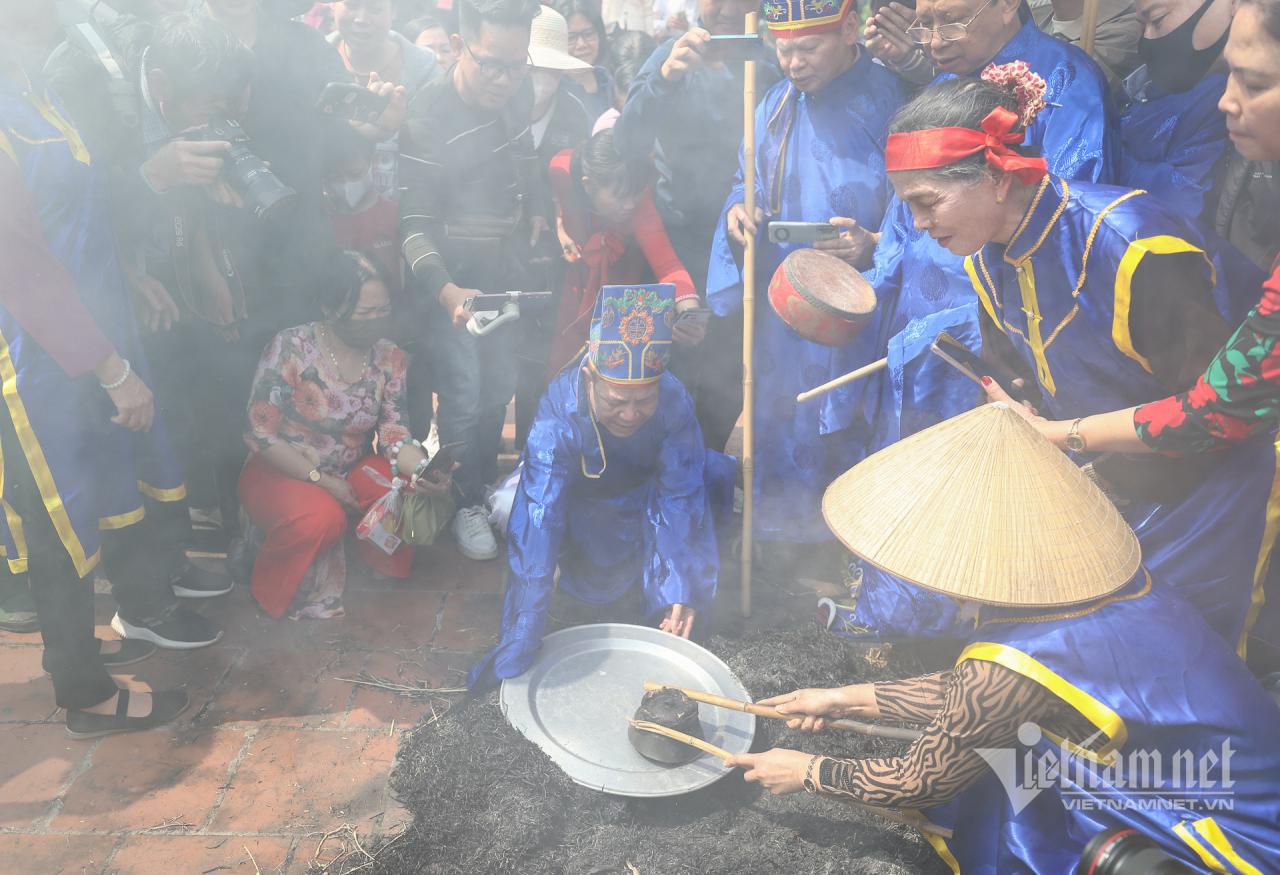
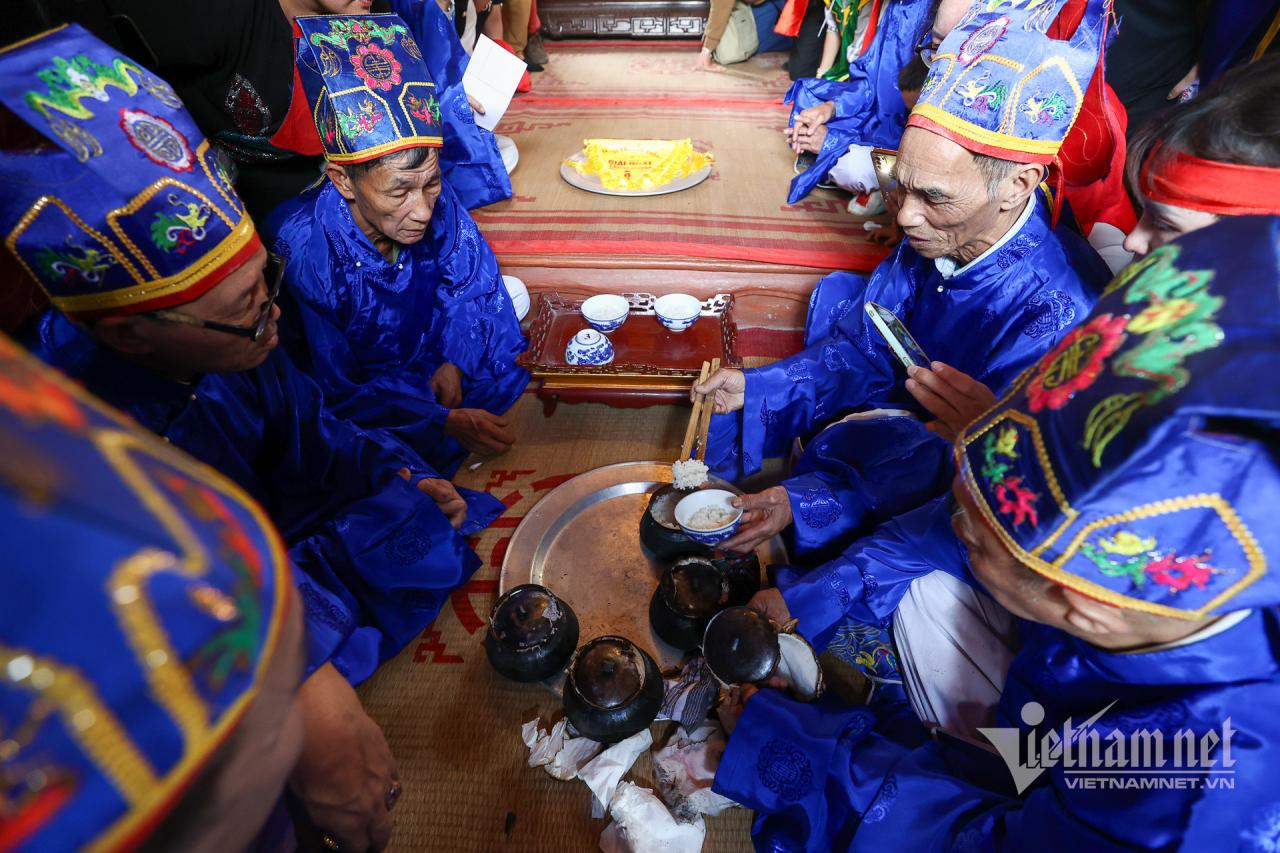
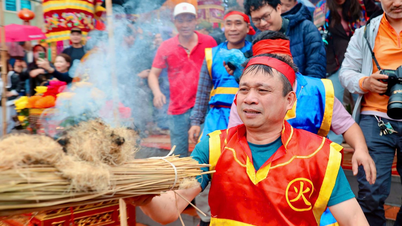
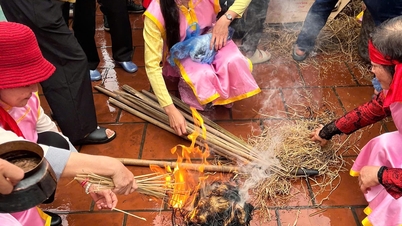
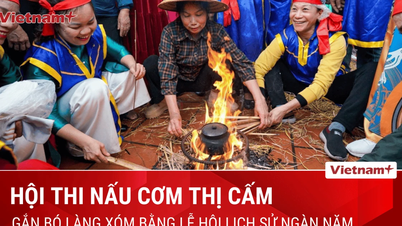
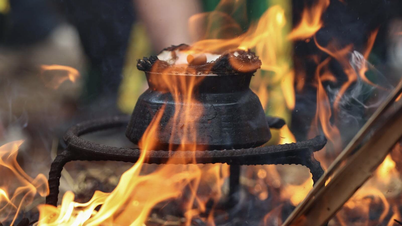
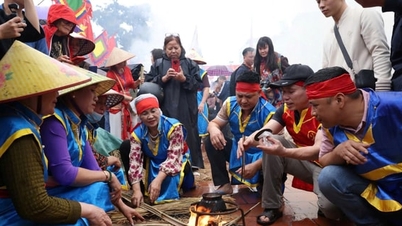
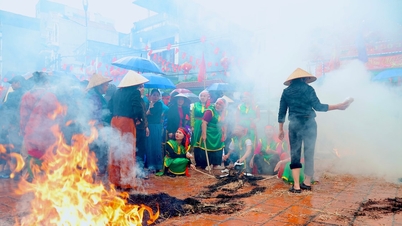
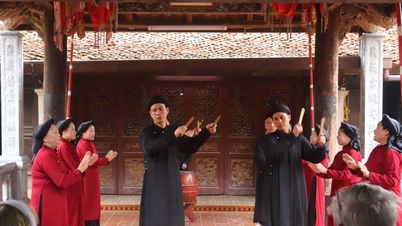
Images from the rice cooking competition in Thi Cam village on the morning of February 17th.
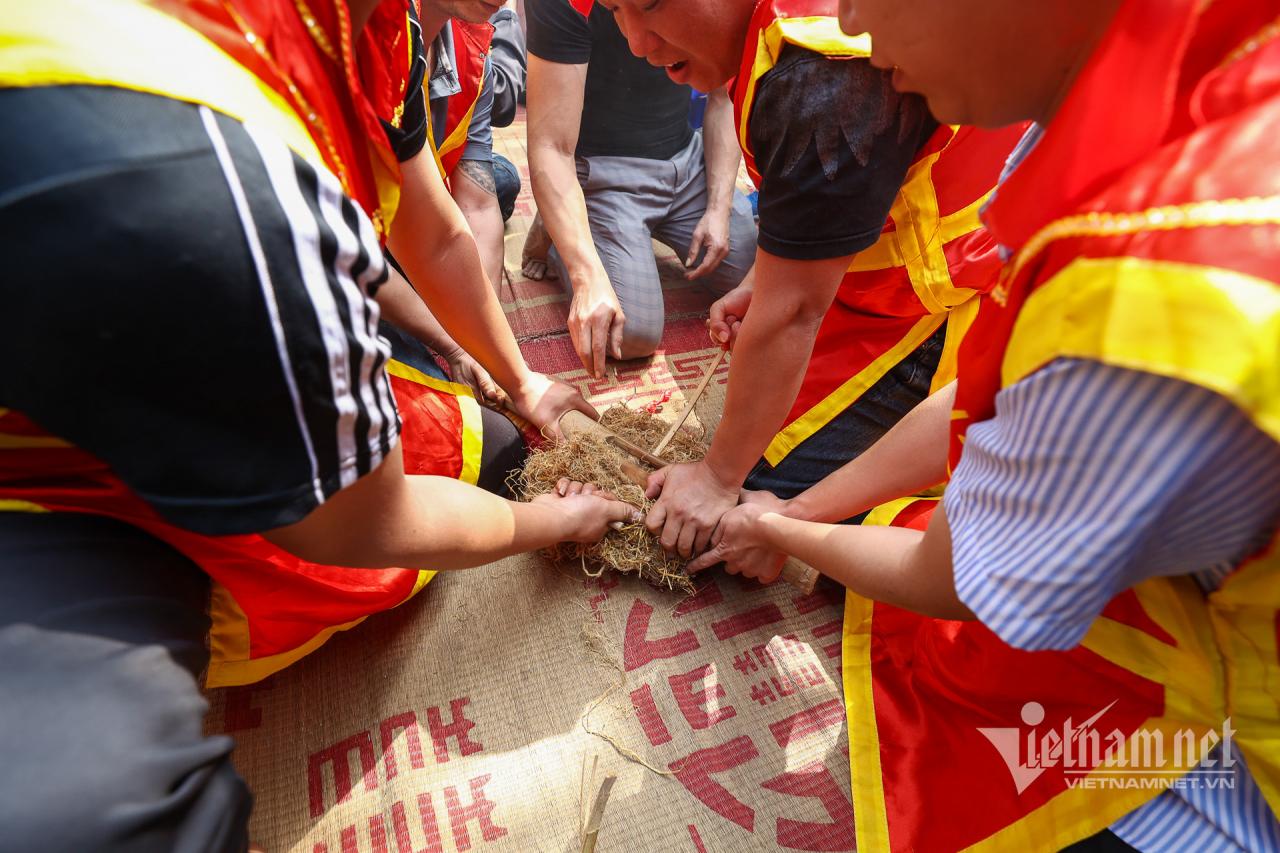
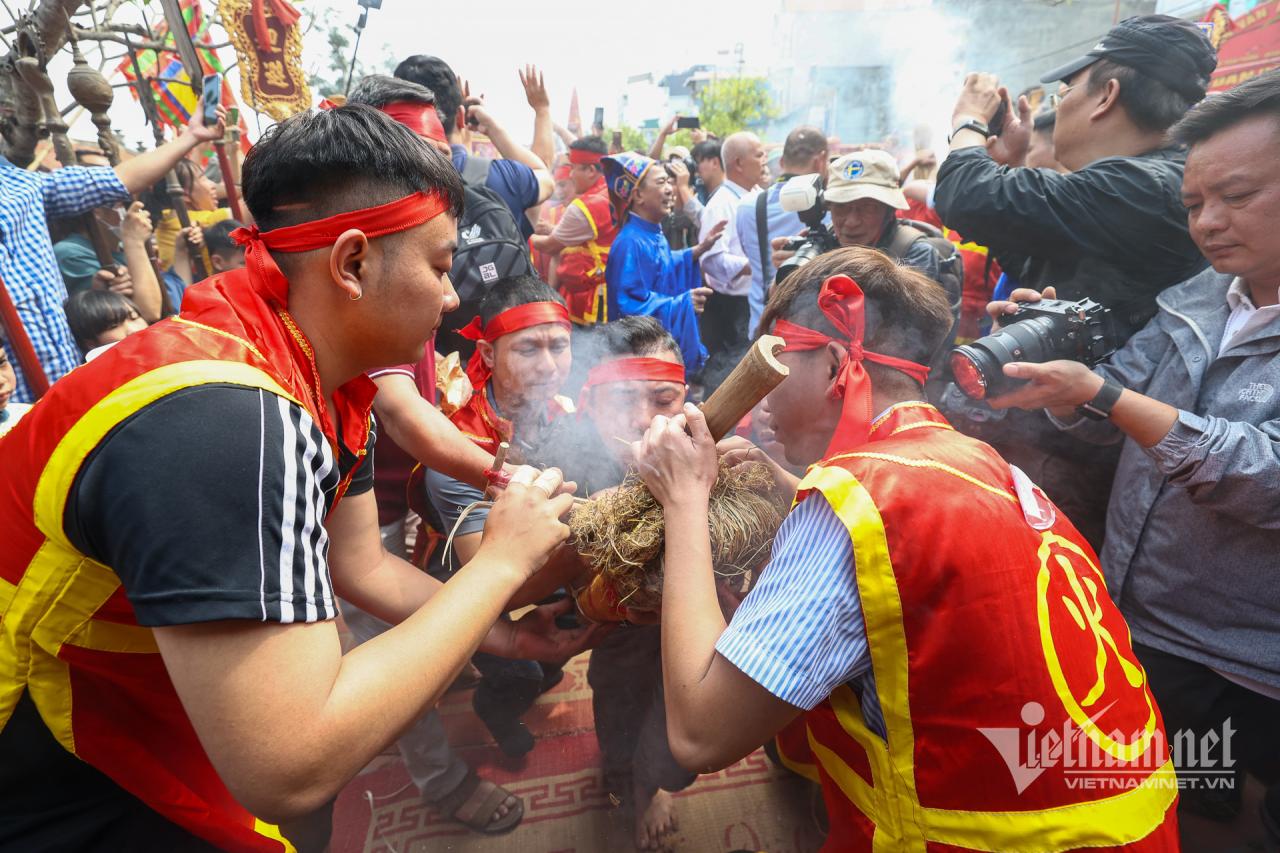
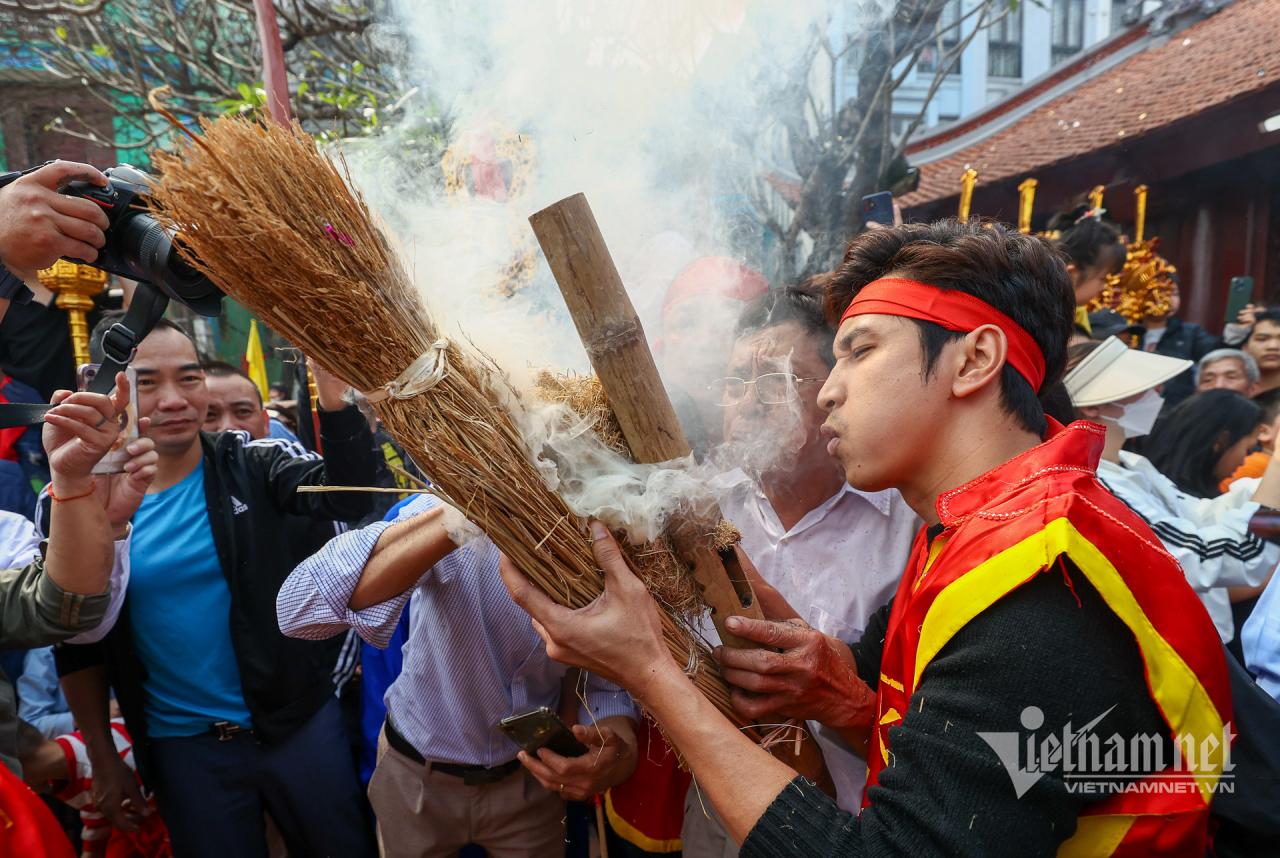
At exactly 11:00 AM, the competition began with a fire-making ritual involving pre-prepared tinder, straw, sections of old male bamboo with small grooves drilled into them, and a double-ended bamboo stick. Four team members would take turns holding and pulling the sticks, creating friction between the bamboo and the bamboo sections. When the friction reached a sufficient point of heat, it would create glowing embers that ignited the tinder, burning the dry straw.
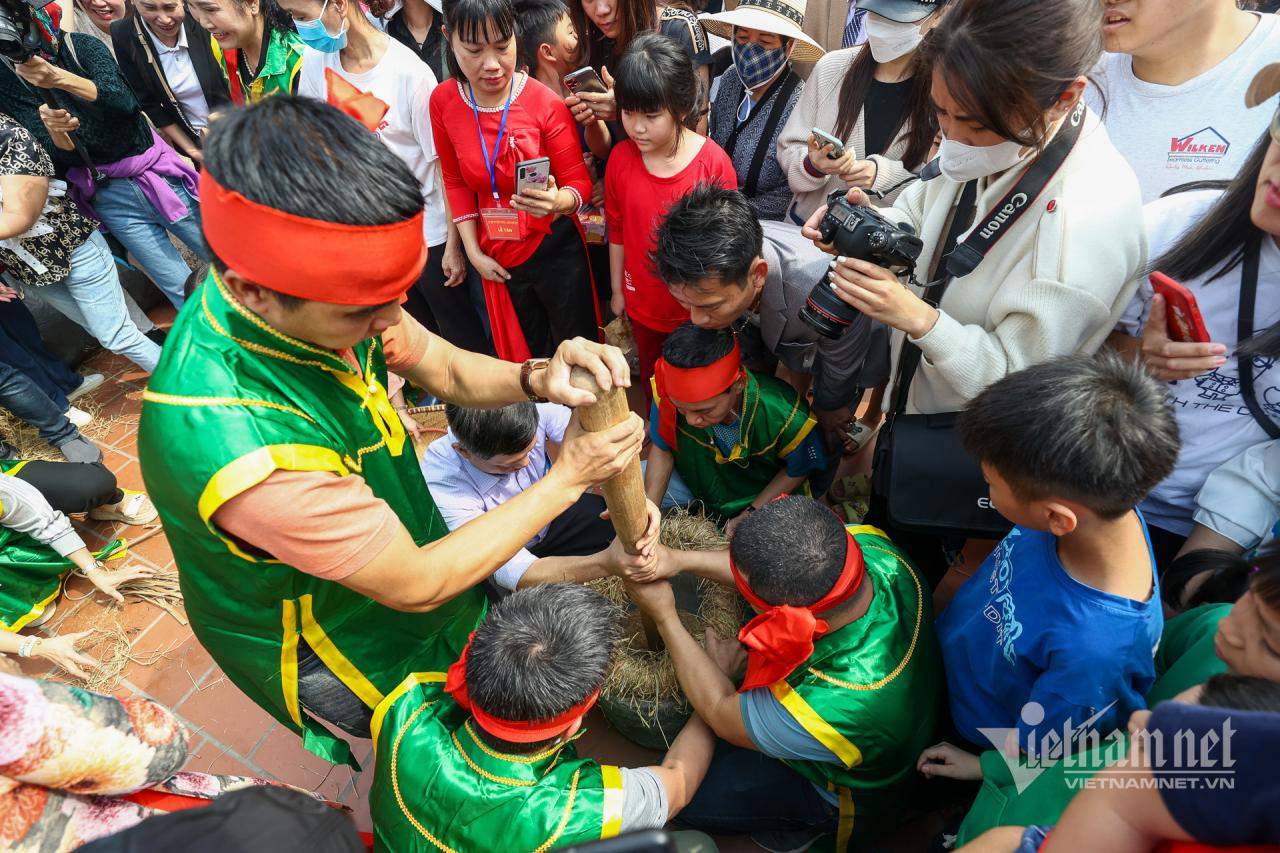
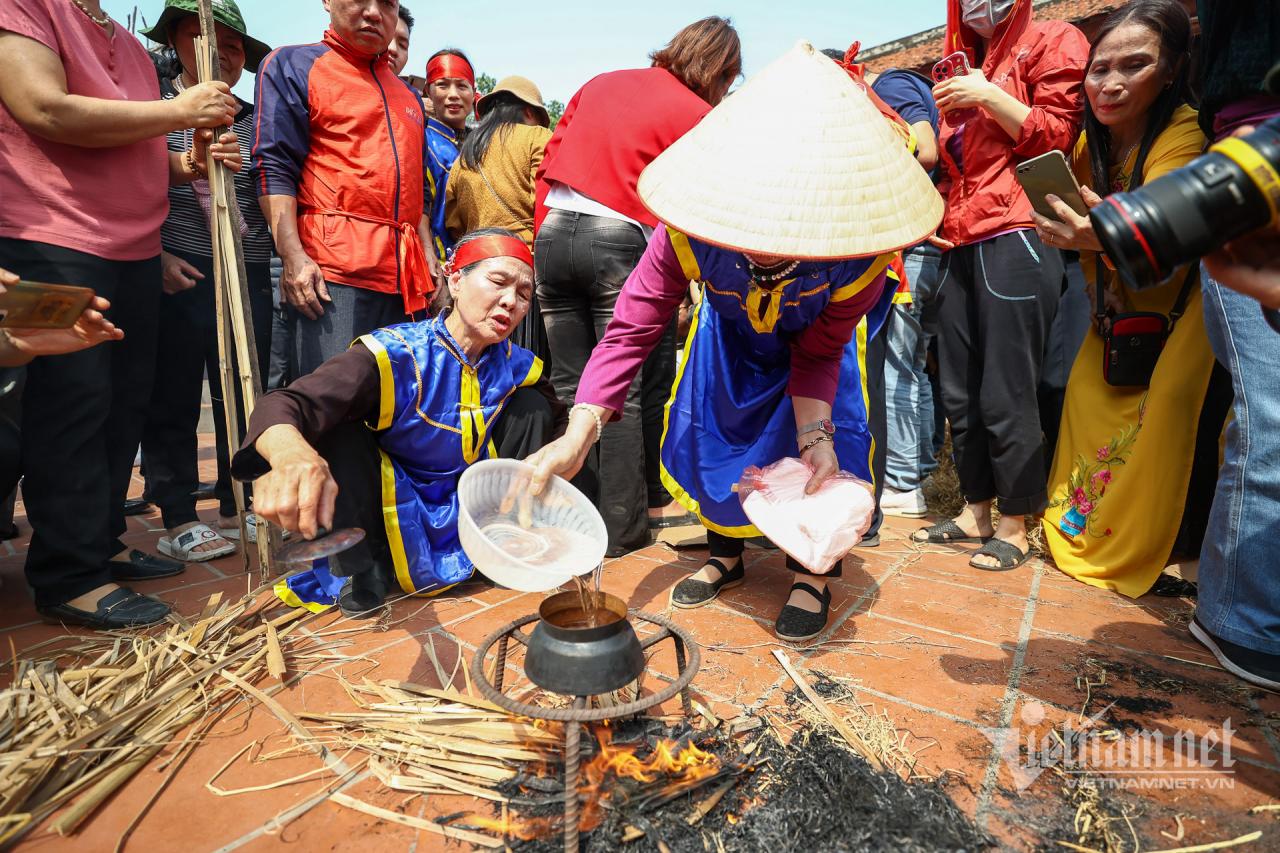
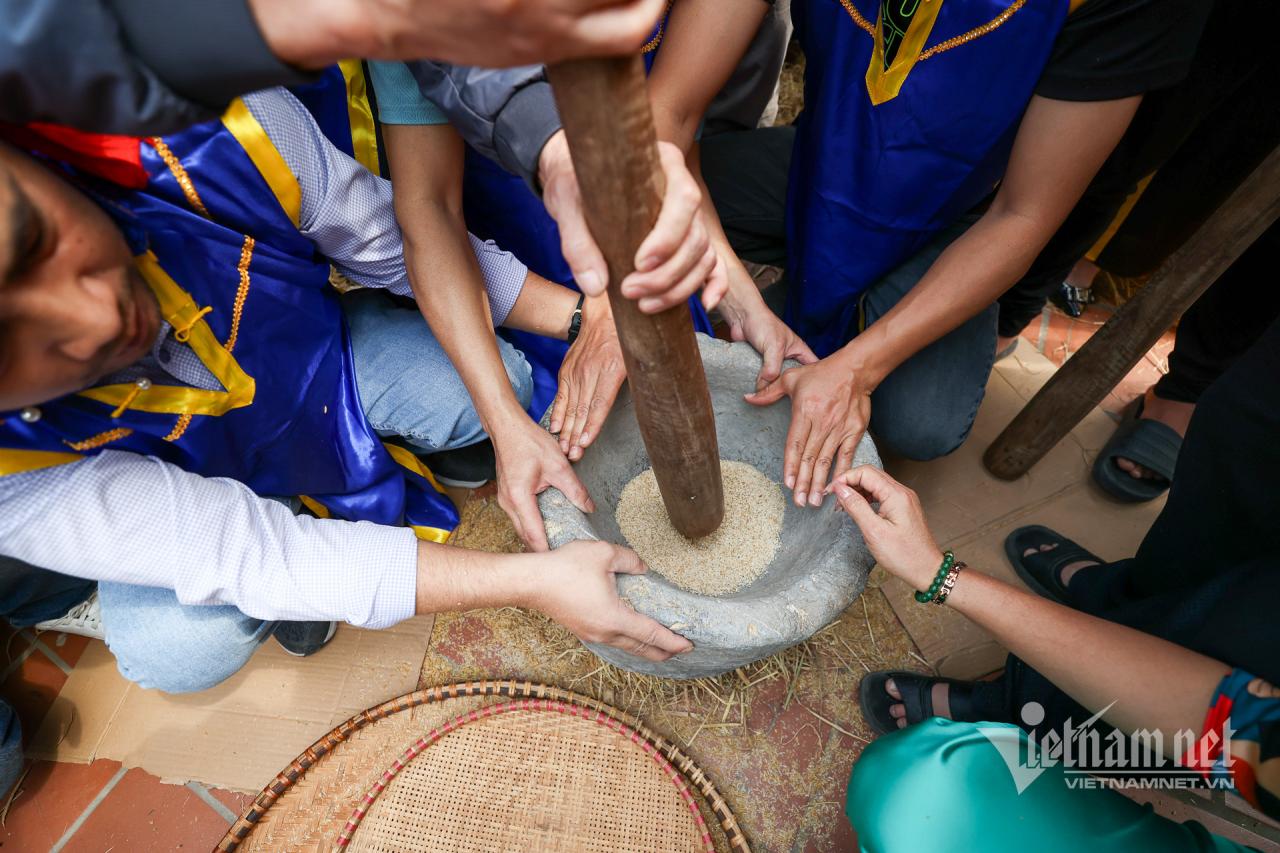
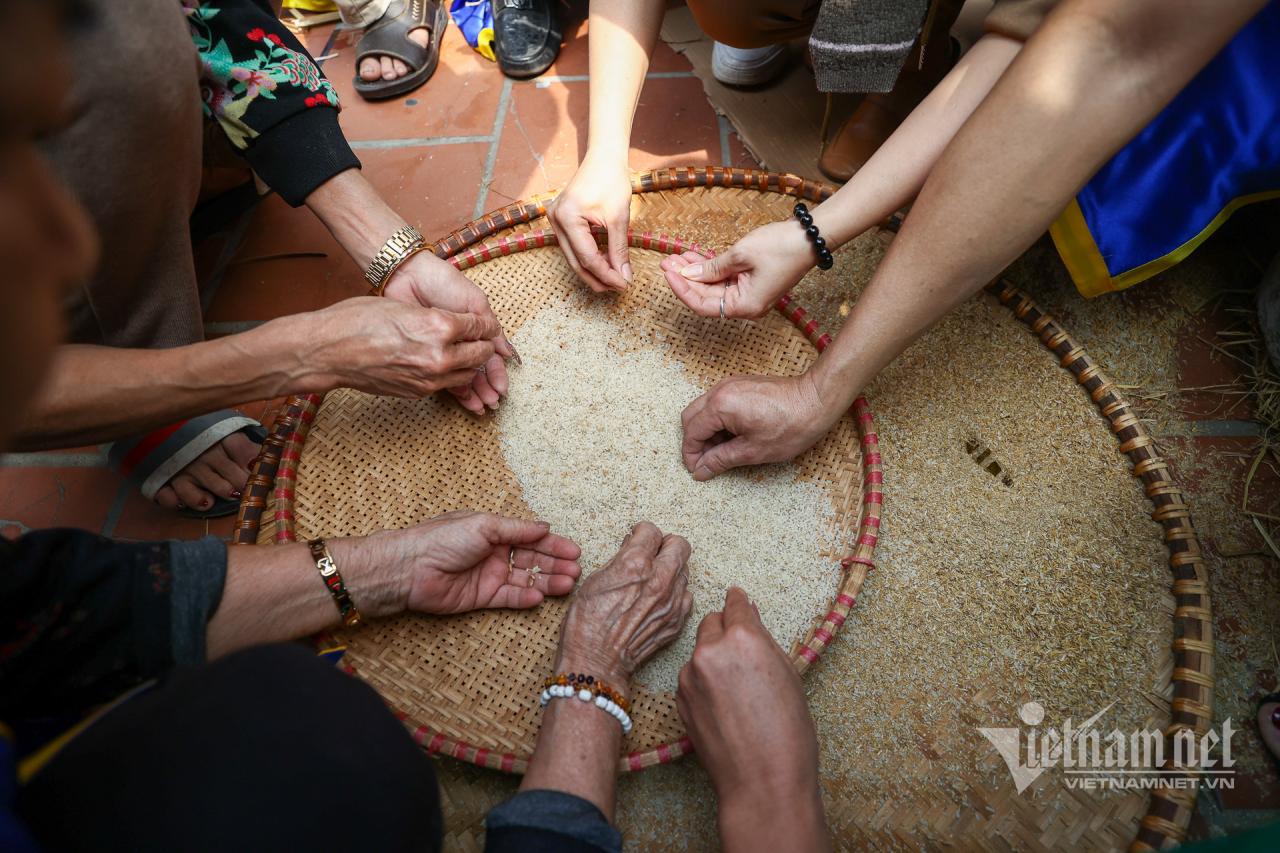
... will be handed over to the women who will sift, pick out stones, and wash the rice to remove the husks before cooking it over a fire freshly created by their comrades.
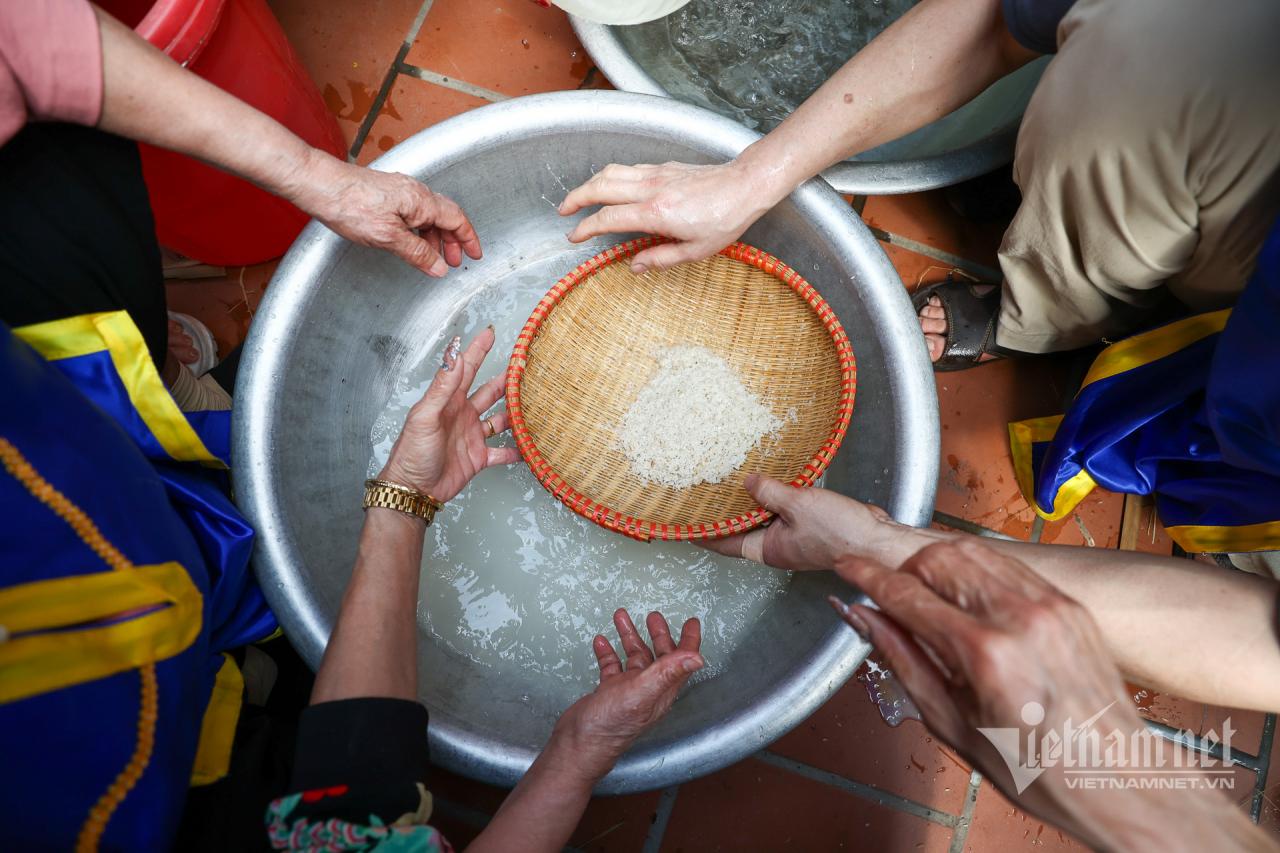
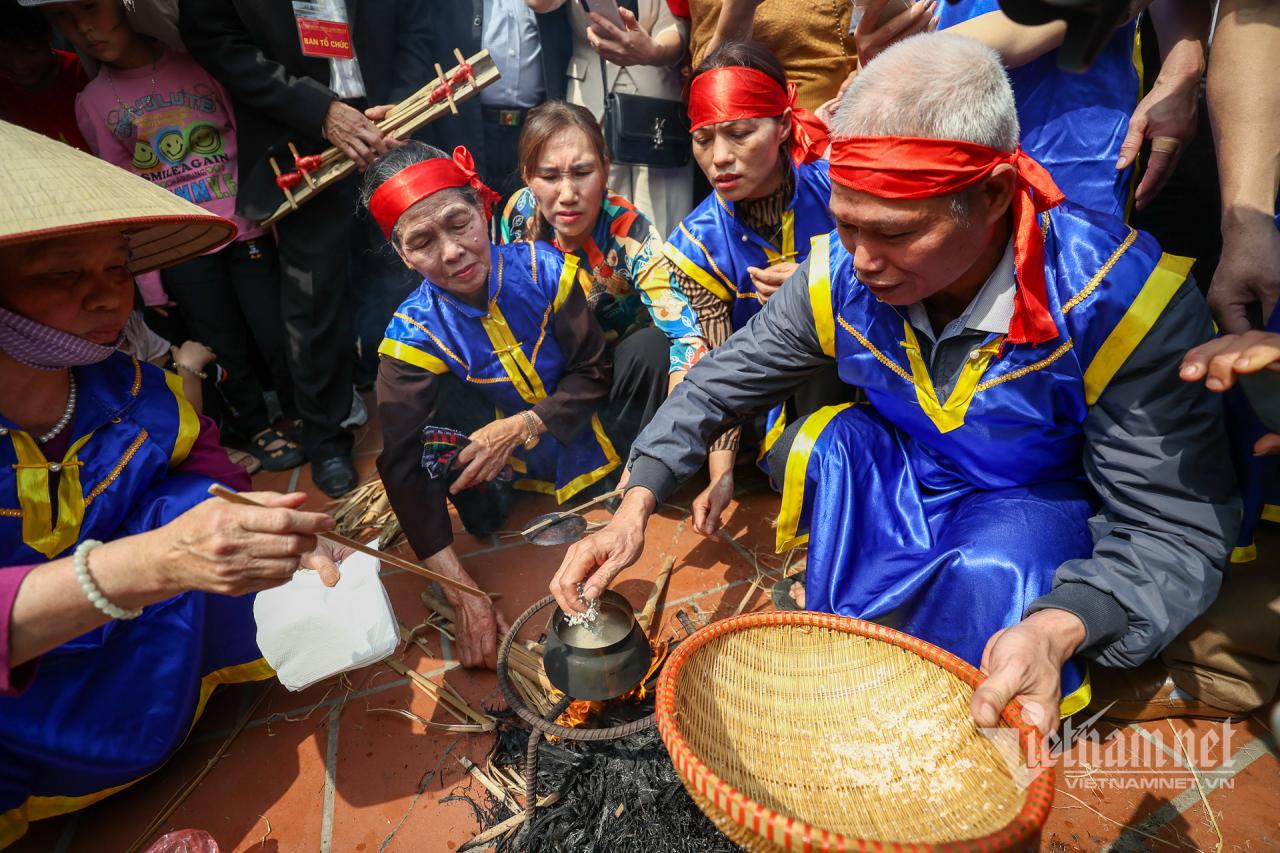
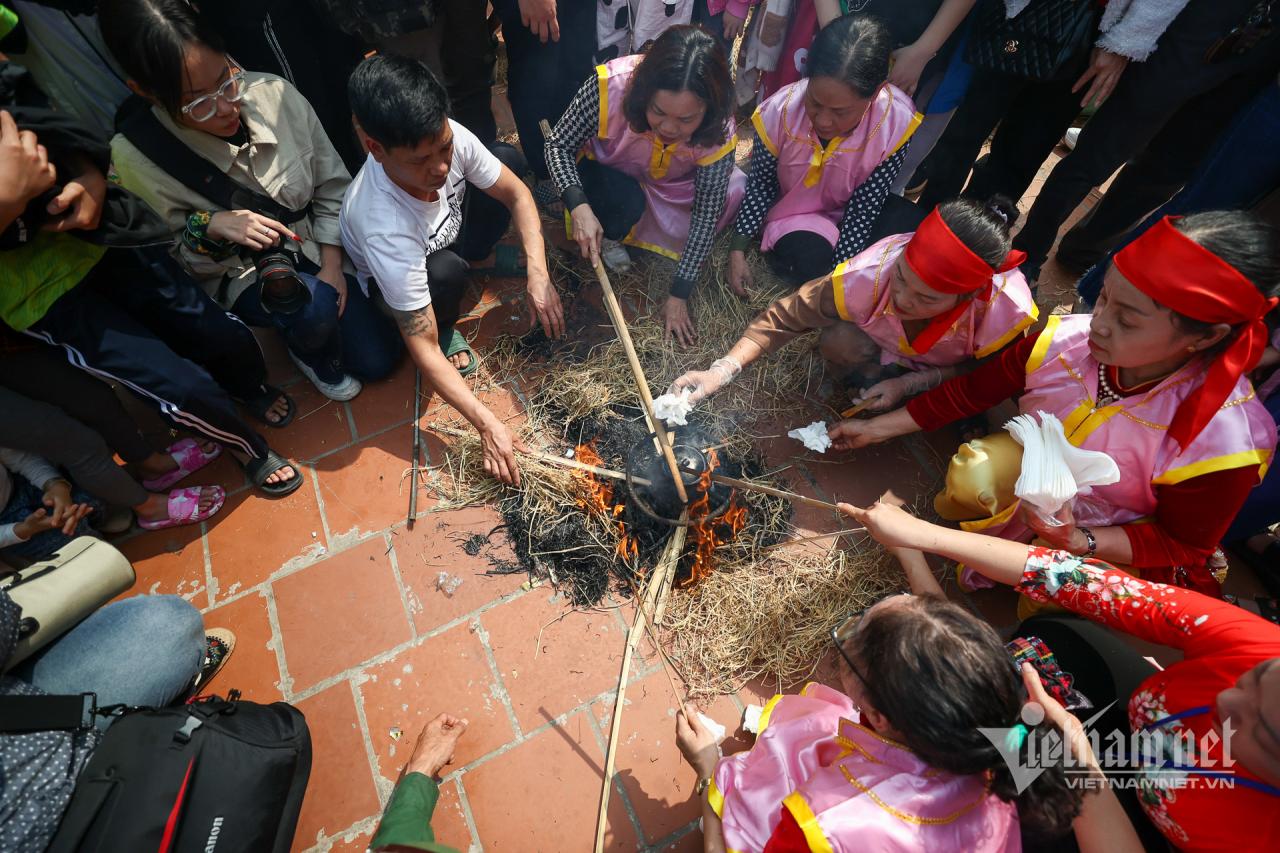
After the rice boils, the teams usually cover it with rice straw ash for about 20 minutes to ensure it cooks evenly.

Source


![[Photo] General Secretary and President To Lam presides over a working session with the Central Policy and Strategy Committee on the development of the materials industry.](https://vphoto.vietnam.vn/thumb/1200x675/vietnam/resource/IMAGE/2026/05/21/1779359935432_a3-bnd-3129-1412-jpg.webp)

![[Photo] National Assembly Chairman Tran Thanh Man working with the Standing Committee of the Law and Justice Committee](https://vphoto.vietnam.vn/thumb/1200x675/vietnam/resource/IMAGE/2026/05/21/1779378929214_ndo_br_1-4610-jpg.webp)































































Comment (0)