

Building multiple digital platforms
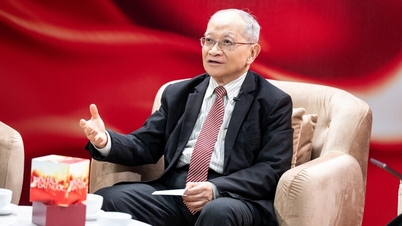
According to Mr. Ly Minh Tuan, Head of the Digital Transformation Department of the Ho Chi Minh City Department of Science and Technology, in its smart city development strategy, Ho Chi Minh City focuses on four main pillars: digital infrastructure and platforms; digital governance; digital economy ; and digital society.
In particular, with its digital infrastructure and platform, Ho Chi Minh City has established a shared data lake integrating data from departments, agencies, and localities; and published 91 open datasets on the Ho Chi Minh City Data Portal. The city also has 9 large data centers and is preparing to establish 4 mega-data centers.
In terms of digital governance, Ho Chi Minh City applies an interconnected document management and operational system, with smart operation centers, aiming to provide services to citizens regardless of administrative boundaries.
Regarding the digital economy, Ho Chi Minh City has established concentrated digital technology zones such as the High-Tech Park and Quang Trung Software Park, providing policy support for businesses investing in science and technology development to serve digital transformation, and supporting small and medium-sized enterprises…
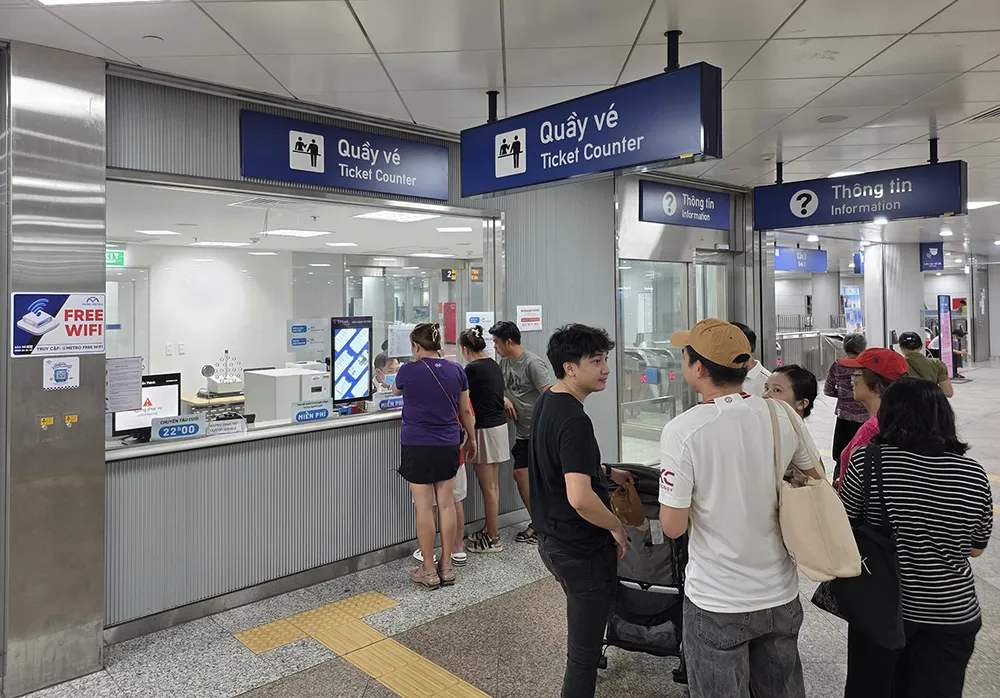
In addition, with the "One ID" system, Ho Chi Minh City applies the VNeID electronic identification system developed by the Ministry of Public Security so that citizens can request criminal record certificates, and undergo biometric verification at Tan Son Nhat Airport and Metro Line 1 (Ben Thanh - Suoi Tien)... The Ho Chi Minh City Digital Citizen application has also integrated electronic health records, student information lookup, planning information, land information, etc.
According to Ms. Vo Thi Trung Trinh, Director of the Ho Chi Minh City Digital Transformation Center (HCMC-DXCenter), by 2026, the city will complete the Smart City Operations Center, applying artificial intelligence (AI), machine learning, and chatbots to support decision-making, integrate data from various fields, and provide a comprehensive real-time picture. This is a crucial step in realizing the goal of building a smart city - digital government - digital economy - digital society, with citizens at the center.
Data plays a crucial role.
The Ho Chi Minh City Digital Transformation Center has identified 2026 as the year to focus on cleaning, standardizing, and effectively utilizing data to operate a smart city. Public services will shift from processing applications to serving needs. Citizens will no longer have to re-enter information that has already been verified.
Some procedures will be fully automated, reducing direct contact and waiting times. Businesses will proactively access open data on planning, land, and transportation, helping to reduce risks and accelerate investment.
Through centralized data exploitation, the Ho Chi Minh City Digital Transformation Center will become the "digital brain" of the city, helping to predict and warn of risks early, propose solutions, and provide timely information to relevant authorities. This is an important step towards realizing the goal of building a smart city - digital government - digital economy - digital society, with citizens at the center.
Ho Chi Minh City is also continuing to move towards building and operating a "data-driven decision-making" model. City leaders can monitor socio-economic indicators in real time, thereby making quick, accurate, and scientifically-based decisions.
In smart urban development, building a digital citizenry is always accompanied by the "Digital Literacy Movement," gradually integrating into daily life and yielding clear results. This not only enhances digital capabilities for various target groups but also contributes to building digital habits and culture within communities across different areas.
The city has established 6,590 community-based digital technology groups with over 27,500 members participating in supporting people at the grassroots level to implement digital transformation and spread digital skills to the community.
The city has approved programs on AI, smart transportation, digital healthcare, digital education, and open platforms serving businesses and citizens. In addition, the city promotes a green economy, develops clean energy, reduces emissions, and achieves sustainable growth in line with its Net Zero 2050 commitments… all aimed at improving the quality of life while building a modern, smart urban structure.
Mr. Lam Dinh Thang, Director of the Ho Chi Minh City Department of Science and Technology, stated that science and technology are the foundation for building smart cities, while innovation is the driving force behind the formation of a new growth model. The city has implemented many strategic programs to transform vision into practical action. The pillar of the dual transformation includes digital transformation and green transformation.
The digital economy's share of Ho Chi Minh City's GRDP reached approximately 18.7% in 2023 and is projected to reach 40% by 2030, comparable to rapidly developing cities worldwide.
Source: https://www.sggp.org.vn/san-sang-cho-do-thi-thong-minh-post850716.html



![[Photo] General Secretary and President To Lam presides over a working session with the Central Policy and Strategy Committee on the development of the materials industry.](https://vphoto.vietnam.vn/thumb/1200x675/vietnam/resource/IMAGE/2026/05/21/1779359935432_a3-bnd-3129-1412-jpg.webp)

![[Photo] National Assembly Chairman Tran Thanh Man working with the Standing Committee of the Law and Justice Committee](https://vphoto.vietnam.vn/thumb/1200x675/vietnam/resource/IMAGE/2026/05/21/1779378929214_ndo_br_1-4610-jpg.webp)












































































Comment (0)