

Blurring the lines
In the digital age, technology has become a "partner" that completely transforms the way art expresses itself. The combination of artificial intelligence (AI), virtual reality (VR), and augmented reality (AR) opens up a multidimensional creative space. There, artists can realize surreal ideas, blurring geographical and physical boundaries.
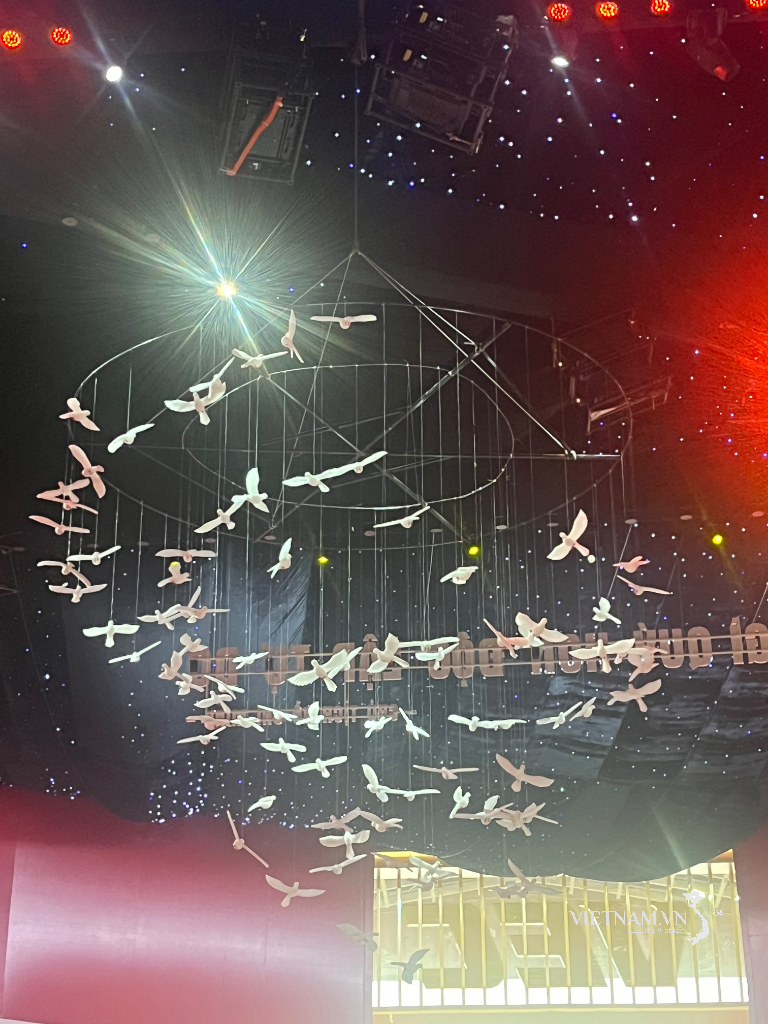
Multisensory exhibitions utilizing 3D mapping technology, such as the Van Gogh painting exhibition in Ho Chi Minh City or the digitized heritage spaces in Hanoi , are prime examples. Artists are no longer limited by the length of a film or the size of a canvas. They can create entire virtual universes. Audiences not only observe but also interact, role-play, and alter the structure of the artwork.
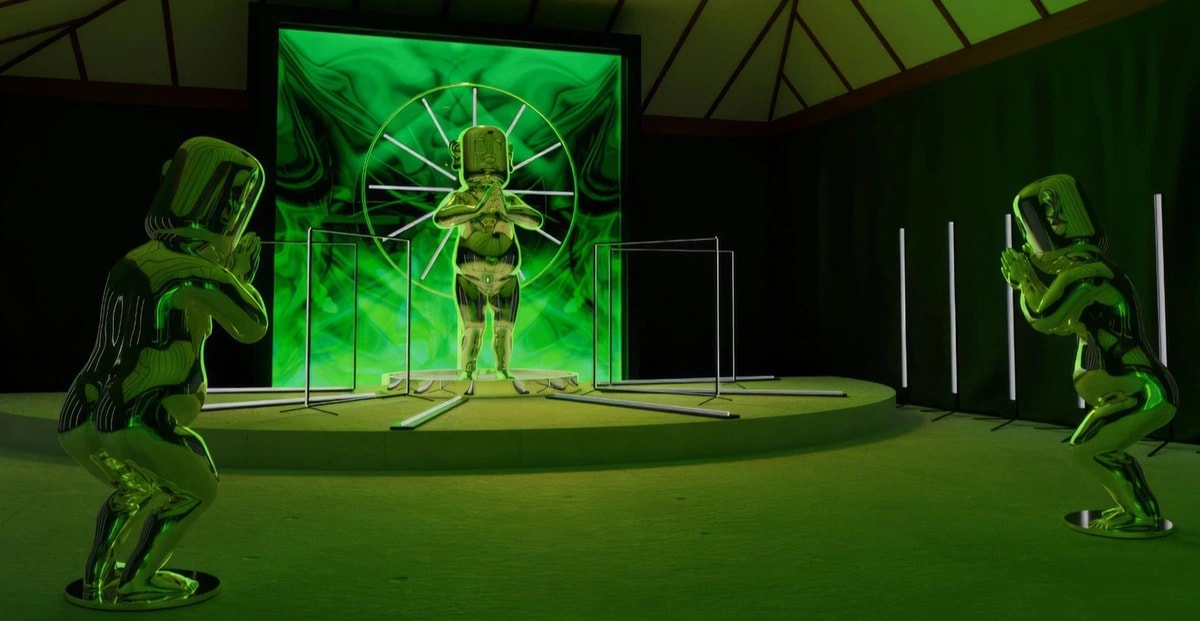
In fact, many Vietnamese artists have proactively incorporated technology into their artistic practices to create unique experiences. Contemporary visual artist Le Thanh Tung (Tung Khi) is one of the pioneers in the field of digital art in Vietnam.
His practices are not confined to any one art form, but approach them through an intersection with technology. For example, in the Neo Nirvana exhibition (2024), the artist combines light, sculpture, sound, graphic images, video art, scents, etc., to create a multi-sensory exhibition space for viewers.
“I really enjoy combining different creative materials. For me, anything that's mixed together will produce very interesting and unique results. The potential of technology is enormous, promising the development of artists and new creative spaces,” shared artist Le Thanh Tung.
Risk of aesthetic saturation
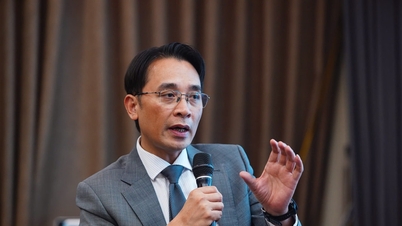
Regarding the pivotal shift in art, Associate Professor Dr. Nguyen Thi Thu Phuong, Director of the Vietnam National Institute of Culture and Arts (VICAS), stated that the digital space and AI tools are acting as powerful catalysts, freeing artists from conventional physical barriers. This presents a golden opportunity for Vietnam's cultural industries to break through, creating highly interactive art products that are easily accessible to the global public.
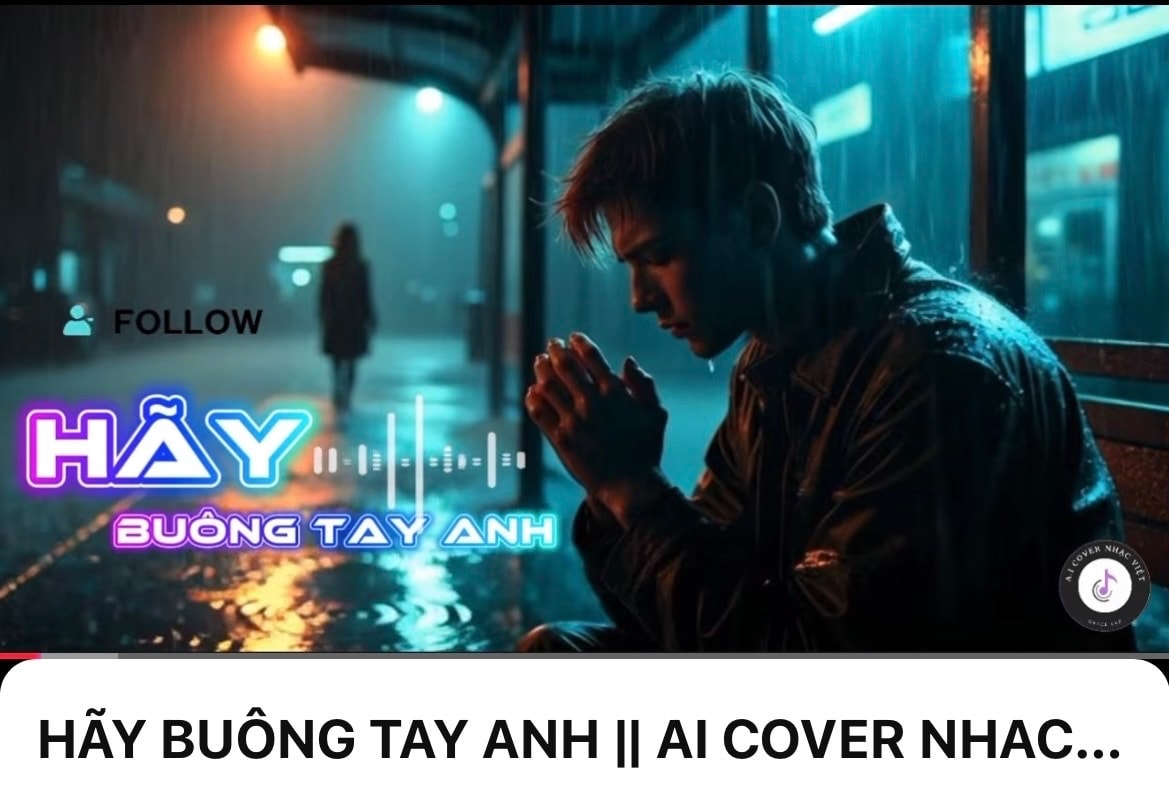
However, the deep intervention of technology and artificial intelligence in art has also met with skepticism and profound concern from researchers. This necessitates a strategy to avoid losing the core values of creativity and to prevent repercussions related to copyright and the rights of creative individuals.
Ultimately, art is a dialogue between hearts. To reach the deepest levels of empathy, artists still need genuine creative thinking. When creativity becomes too easy and too quick, artists risk skipping the stages of reflection, contemplation, and interaction with life – the very places where depth of thought and emotion is formed.
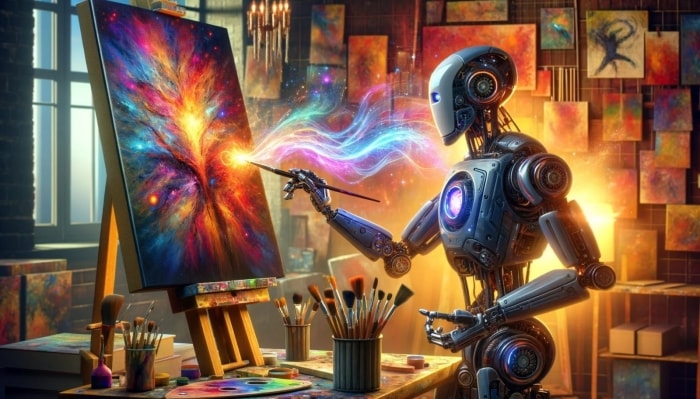
If a work of art becomes merely the result of technical manipulation, rather than the crystallization of lived experience, the greatest risk is that art will lose its soul.
According to experts, technology and artificial intelligence are essentially performing a natural selection process. Those who create art in a superficial, artisanal, and lazy way will be the first to be replaced. Conversely, those with cultural depth and unique identities will see this as an opportunity to elevate their thinking.
By knowing how to apply technology and utilize AI, professionals can unlock additional layers of ideas and reduce the pressure of constantly generating new content in the fiercely competitive digital content market.
Source: https://daibieunhandan.vn/sang-tao-nghe-thuat-trong-thoi-dai-so-10417981.html




![[Image] Close-up view of the interchange connecting the two expressways and Long Thanh Airport.](https://vphoto.vietnam.vn/thumb/1200x675/vietnam/resource/IMAGE/2026/05/25/1779703378210_ndo_br_z7863716673926-224453a31600126cce10622af6290afd-4549-jpg.webp)
![[Image] Hanoi's urban life under the challenge of a "scorching hot" environment](https://vphoto.vietnam.vn/thumb/1200x675/vietnam/resource/IMAGE/2026/05/25/1779706979265_nang-nong-t5-2026-minh-duy-7-4636-jpg.webp)










































































Comment (0)