

The Ministry of Agriculture and Rural Development hopes to soon transfer the Vietnam Rice brand to the relevant management agencies to promote its development and brand building, and to allow businesses to use it in the near future.
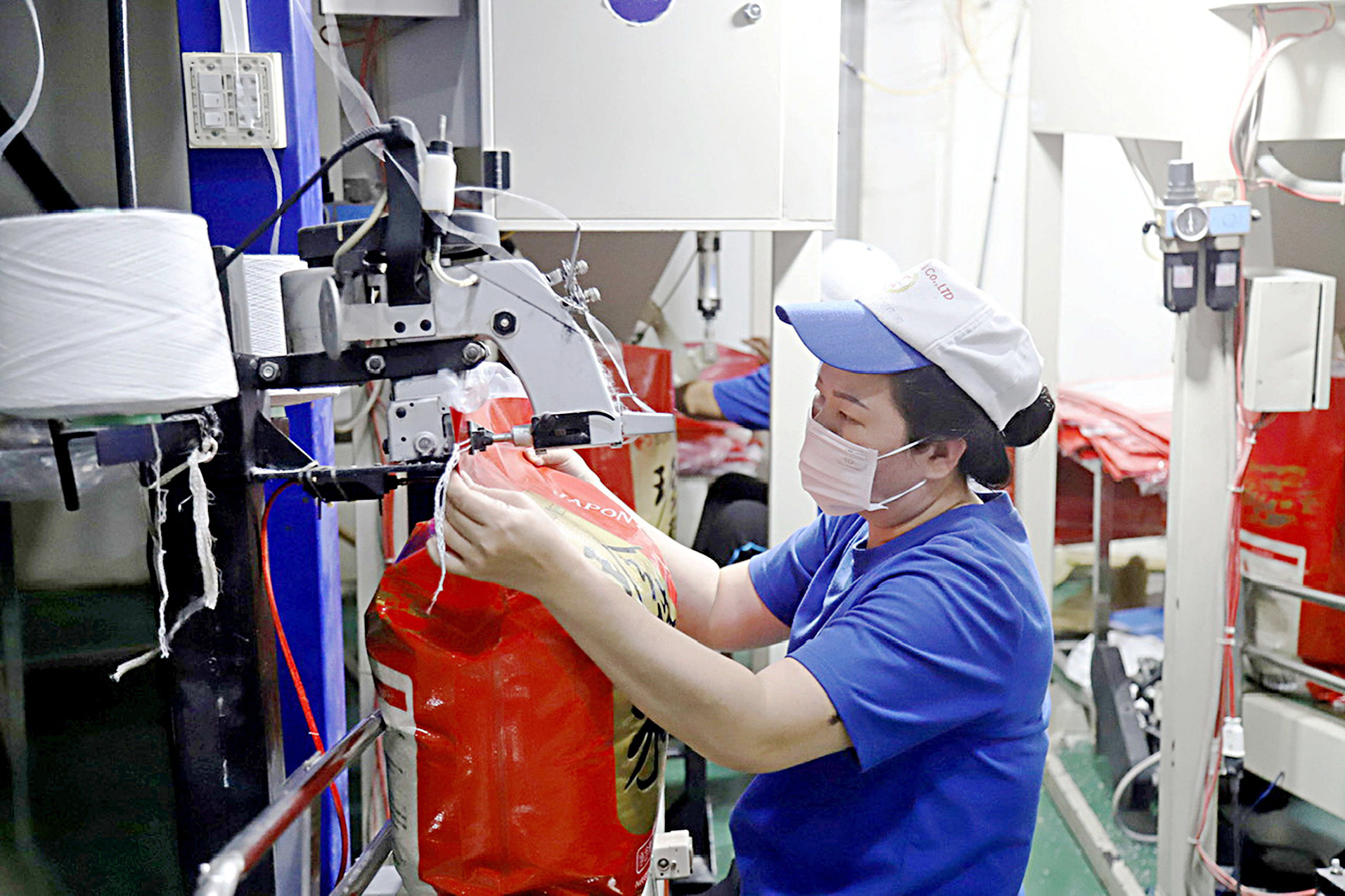
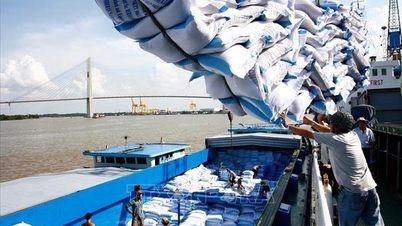
Packaging finished rice products for export by Trung An High-Tech Joint Stock Company, one of the successful units in brand building and product distribution - Photo: CHI QUOC
Mr. Le Thanh Hoa, Deputy Director of the Department of Quality, Processing and Market Development ( Ministry of Agriculture and Rural Development ), stated this when discussing Vietnamese rice brands with us.
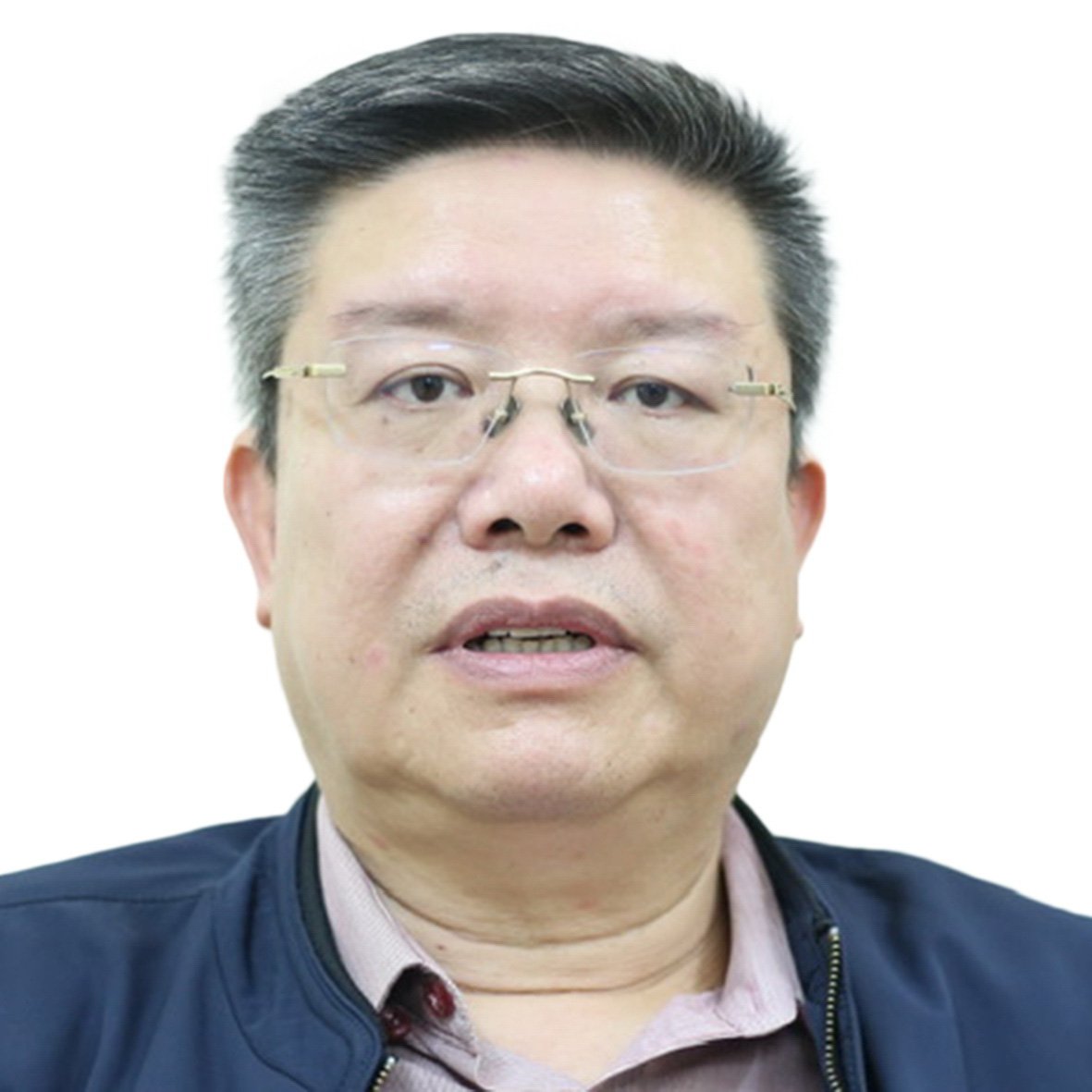
Mr. Hoa said: The Vietnamese rice brand has been under the direction of the Government since 2017, and the Ministry of Agriculture and Rural Development has completed the certification of the Vietnam Rice brand, registered for protection under the Madrid Agreement, as well as registered for protection in 20 countries around the world such as Russia, China, the Philippines...
However, the issuance of regulations on the use of Vietnamese rice trademarks is facing obstacles related to the registration of legal procedures...
Why has the Ministry of Agriculture and Rural Development been unable to transfer the "Vietnam Rice" brand to units and businesses for use?
- To use the Vietnamese Rice certification mark, we must establish regulations to ensure that businesses and cooperatives producing rice meet the required quality standards.
However, Vietnamese rice comes in many different varieties and cultivars, so basic legal and technical regulations require businesses and producers to meet certain requirements before they are allowed to use the "Vietnamese Rice" certification mark. Therefore, we still need to issue regulations so that the management agency can monitor the quality of the rice grains. Otherwise, we cannot successfully build a Vietnamese rice brand.
For example, we are building a Vietnamese Rice brand certification for ST25 rice – a rice variety that has been twice voted the best rice in the world. However, to be associated with the Vietnamese Rice brand, a monitoring process is needed throughout the cultivation, harvesting, processing, and storage stages.
Therefore, businesses wishing to build their own rice brand or use the "Vietnamese Rice" label must comply with good farming practices, processing procedures, and monitor all food safety risks associated with rice grains. Only then can they ensure the best quality rice and build a lasting brand.
* In your opinion, should we focus on one type of high-quality rice as our main product, or should we cultivate multiple types of rice to build a national brand?
- In fact, as a rice exporting country, Vietnam has committed to ensuring food supply and security for the region and the world. Therefore, rice exports to various markets will not depend on just one type of rice or one rice variety, but must take into account market demand.
For example, exports to Africa may not require high-quality rice, while exports to countries with which we have signed free trade agreements, such as the EU, require exports of high-quality, fragrant rice varieties. Japan and South Korea, on the other hand, require round-grain, high-quality rice.
Therefore, in building the brand of Vietnamese rice, we cannot focus solely on one rice variety or one particular type of rice, but must build a common brand for Vietnamese rice – meaning that when we talk about Vietnamese rice, we are talking about quality rice, but the quality will depend on each rice variety. The key issue is building a brand that ensures the quality of the rice.
* To build Vietnamese rice into a strong brand, one that immediately brings Vietnam to mind when people think of rice, what should we focus on?
- Since ST25 rice was voted the best rice in the world, many countries have come to know Vietnamese rice, and when talking about Vietnamese rice, it's not just ST25 rice but also many other varieties. However, for Vietnamese rice to become a strong brand, market demand is the primary issue.
Based on the needs and preferences of each market, we develop and build brands for each type of rice. For example, in the Philippines market, the Northern Food Corporation (Vinafood 1) and the Southern Food Corporation (Vinafood 2) are major exporters. Therefore, we must build a brand for DT8 rice to ensure consistent quality, increase value, and expand market share in that country.
In addition, it is necessary to build a good process in all stages, what we call logistics, for rice from the field to the consumer, and these processes must be implemented in the best possible way.
The three stakeholders must work together to build a brand.
Many Vietnamese businesses are exporting high-quality Vietnamese rice products such as A An rice, ST25 rice... to the US and EU; Japonica rice is exported to Japan and Korea; and especially, Vietnamese DT8 rice is the most favored by the Philippines, so much so that when people talk about Vietnamese rice, they talk about DT8.
These are branded rice varieties, but to associate them with the Vietnam Rice certification for entry into markets, the issue is not only the responsibility of state management agencies but also requires the cooperation of businesses, producers, and exporters to help Vietnamese rice establish its position in the markets of countries importing Vietnamese rice.
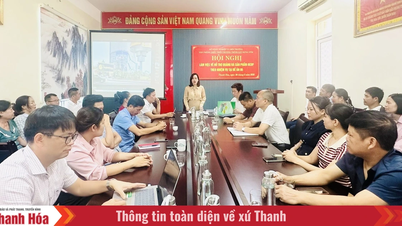
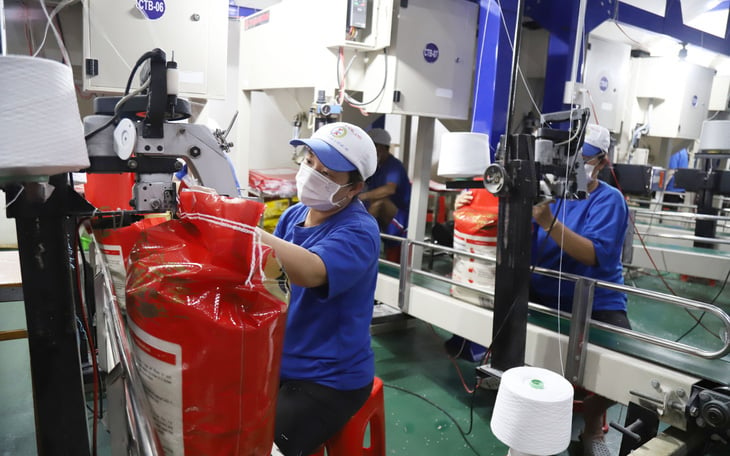 Workshop 'Building a National Brand for Vietnamese Rice'
Source: https://tuoitre.vn/se-som-co-nhan-hieu-gao-viet-20241210085734538.htm

![[Photo] The heat at the fireworks display site on the opening night of the Da Nang International Fireworks Festival 2026](https://vphoto.vietnam.vn/thumb/1200x675/vietnam/resource/IMAGE/2026/05/27/1779889741485_ndo_br_z7872039145157-fecaba5112f39e8352544099d7ef4738-5140-jpg.webp)
![[Photo] The courage of new recruits of Brigade 144 on the training ground.](https://vphoto.vietnam.vn/thumb/1200x675/vietnam/resource/IMAGE/2026/05/27/1779881651341_anh-man-hinh-2026-05-27-luc-18-32-52.png)





































![[Photo] The courage of new recruits of Brigade 144 on the training ground.](https://vphoto.vietnam.vn/thumb/402x226/vietnam/resource/IMAGE/2026/05/27/1779881651341_anh-man-hinh-2026-05-27-luc-18-32-52.png)














Comment (0)