

Every year, when the dry season arrives, it's also the time for harvesting yam, also known as Chinese yam or wild yam, a precious natural medicinal herb found in the Ta Kou Nature Reserve (Ta Cu Nature Reserve) in Ham Thuan Nam district, and sought after by local people. The difference this year is that wild yam is being successfully cultivated experimentally under the forest canopy, with hopes of expanding its cultivation to households contracted to protect the forest, thus increasing their income in the future.
Precious medicinal herbs
Wild yam grows abundantly in the mountainous provinces of Vietnam, from Lai Chau , Ha Giang, Hoa Binh, Quang Tri to Lam Dong, Binh Phuoc… Binh Thuan has a relatively high forest cover of 43%. Due to its ecological characteristics, many valuable medicinal plants such as three-parted yam, honey locust, dragon's blood, and wild yam grow naturally under the forest canopy of the province.
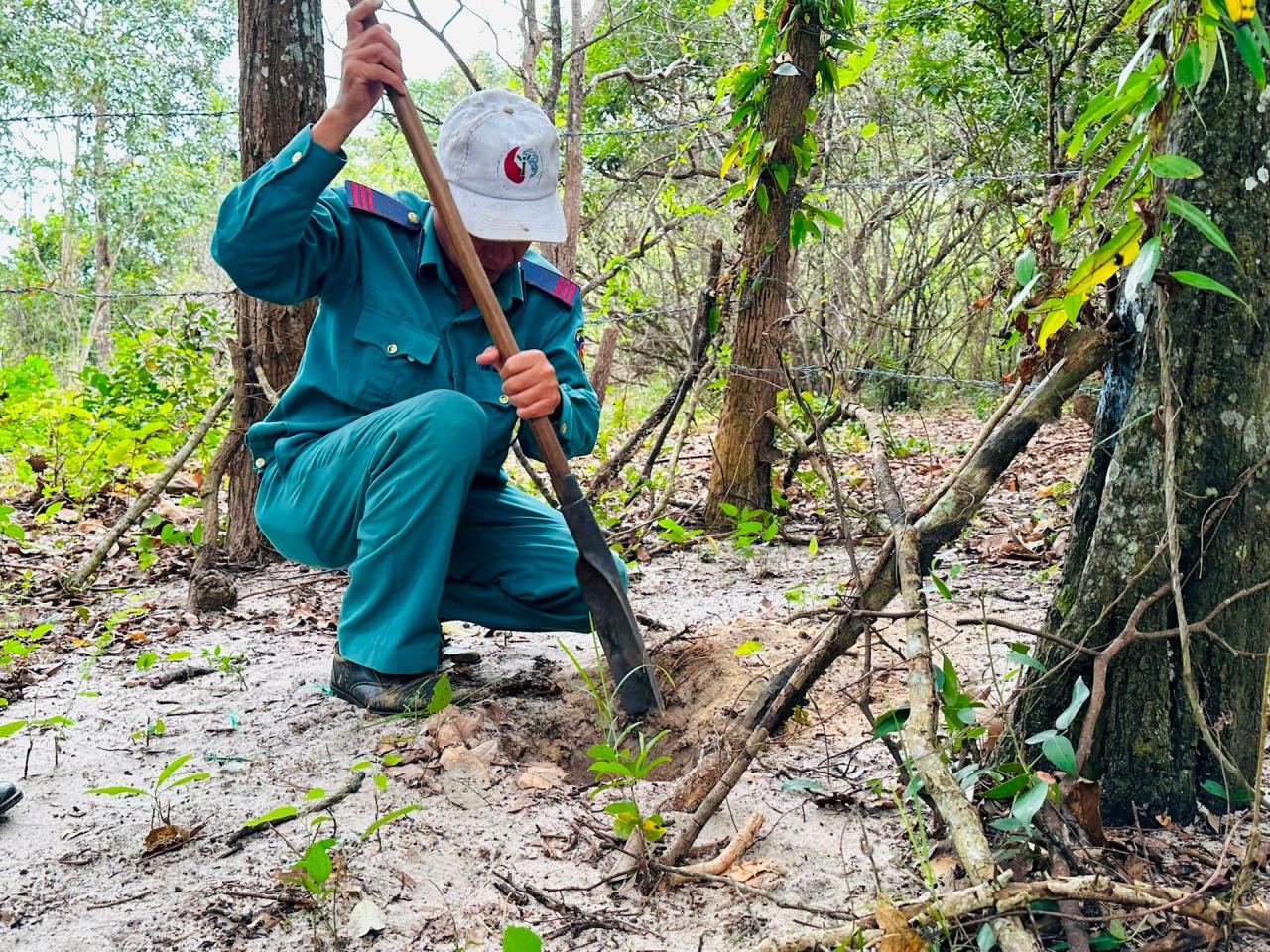
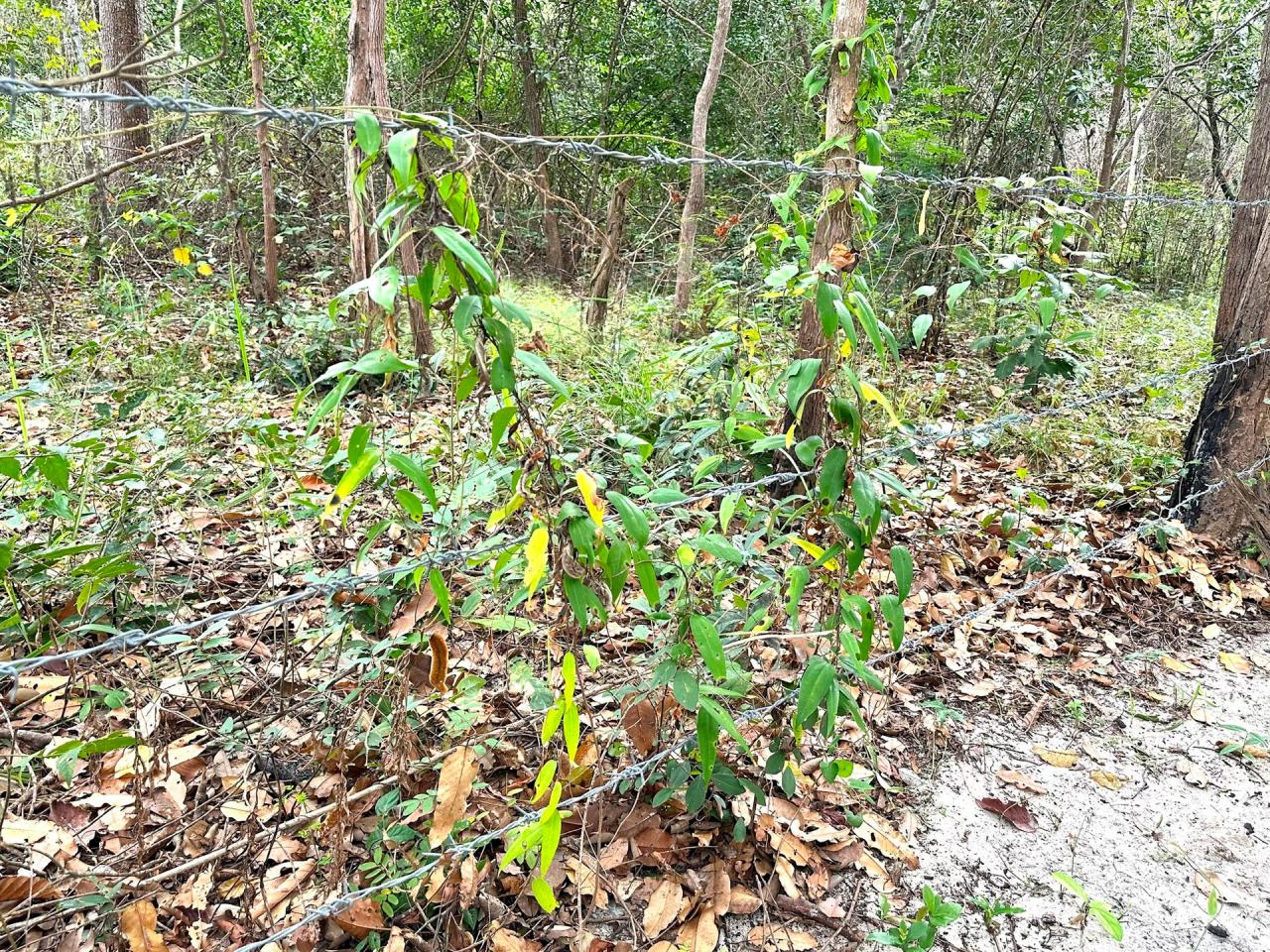
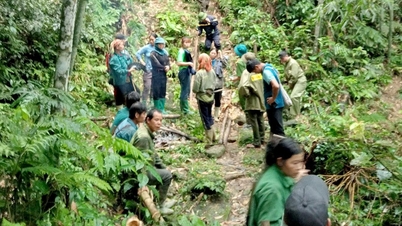
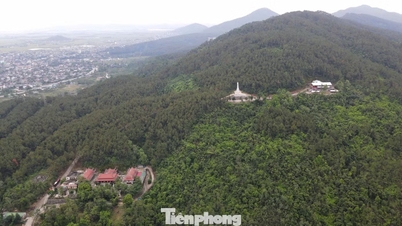
To see this precious medicinal plant firsthand, we followed a team of forest rangers into sub-area 300, Thuan Quy commune, within the forest area managed by the Ta Cu Nature Reserve Management Board. In this area, there are quite a few wild yam vines, currently in the wilting and tuber-forming stage. The vines are long, slender, and wrap around the trunks of other plants. The yam tubers are angular, resembling sesame seeds. The leaves are arrow-shaped with long petioles, pointed tips, green in color, and have a net-like vein pattern. Underground lies the tuber, with a diameter of 7-10 cm and a length of about 30-65 cm. The outer skin of the yam tuber is brown and rough, with many secondary roots; the inside contains sap and is odorless…
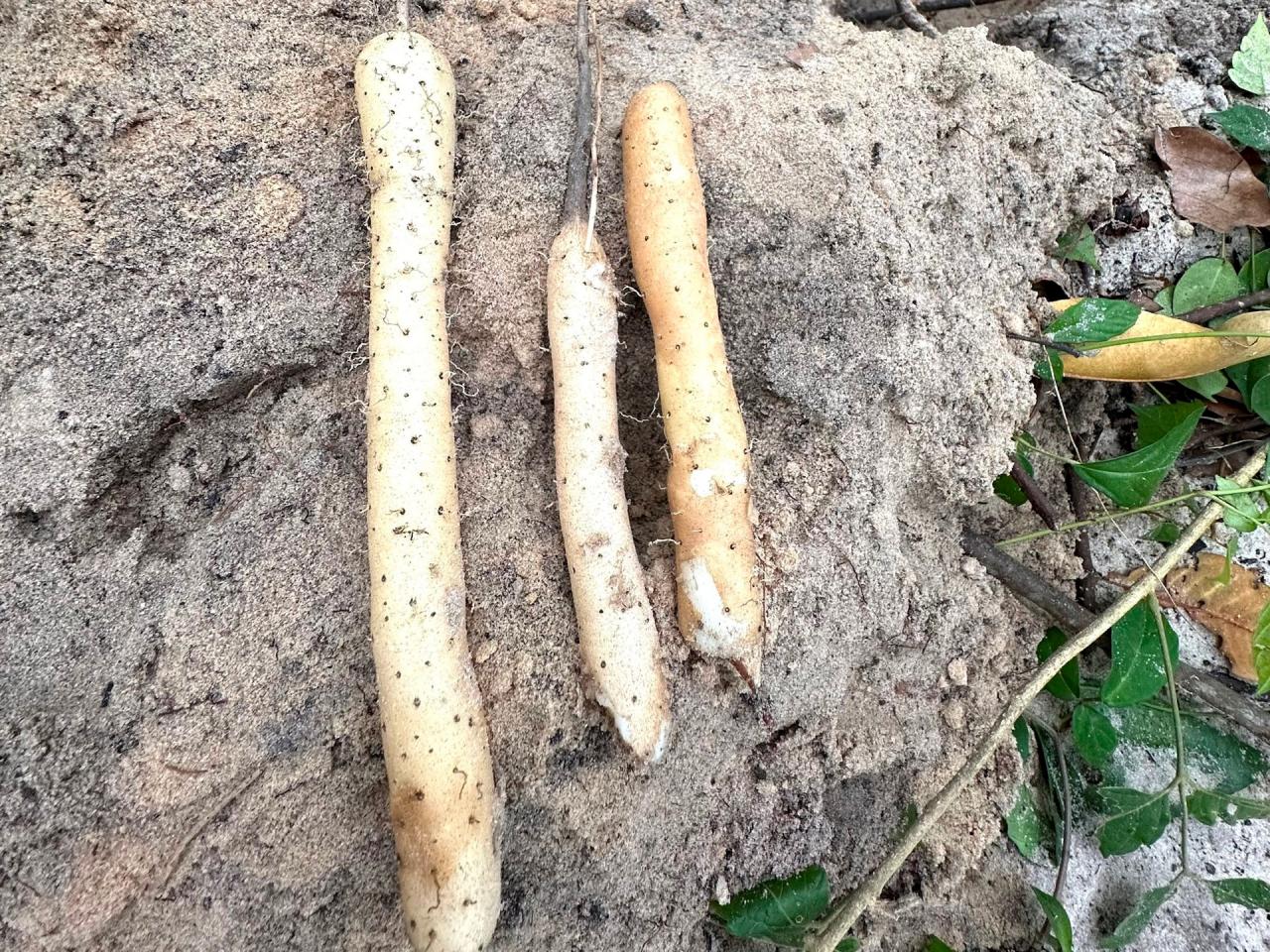
Introducing the project to us, Mr. Ho Thanh Tuyen – Deputy Director of the Ta Cu Nature Reserve Management Board – said that the yam tuber is the part used for medicinal purposes. The harvesting time is in winter, from October to March of the following year, as this is when the yam tubers are of the best quality. During this time, local people often go into the forest to dig up yam tubers, which are very popular in the market, selling for 50,000 – 60,000 VND/kg locally. Meanwhile, yam tubers from Ba Ria – Vung Tau only cost about 30,000 VND/kg despite being large and long. The fact that Ta Cu yam tubers sell for 100,000 – 200,000 VND/kg in Ho Chi Minh City and Ba Ria – Vung Tau shows great potential. According to Mr. Tuyen, due to the unique climate and soil conditions, the yam tubers in the Ta Cu forest area, although small, are fragrant, delicious, and have high medicinal properties, making them highly sought after and in short supply to meet market demand.
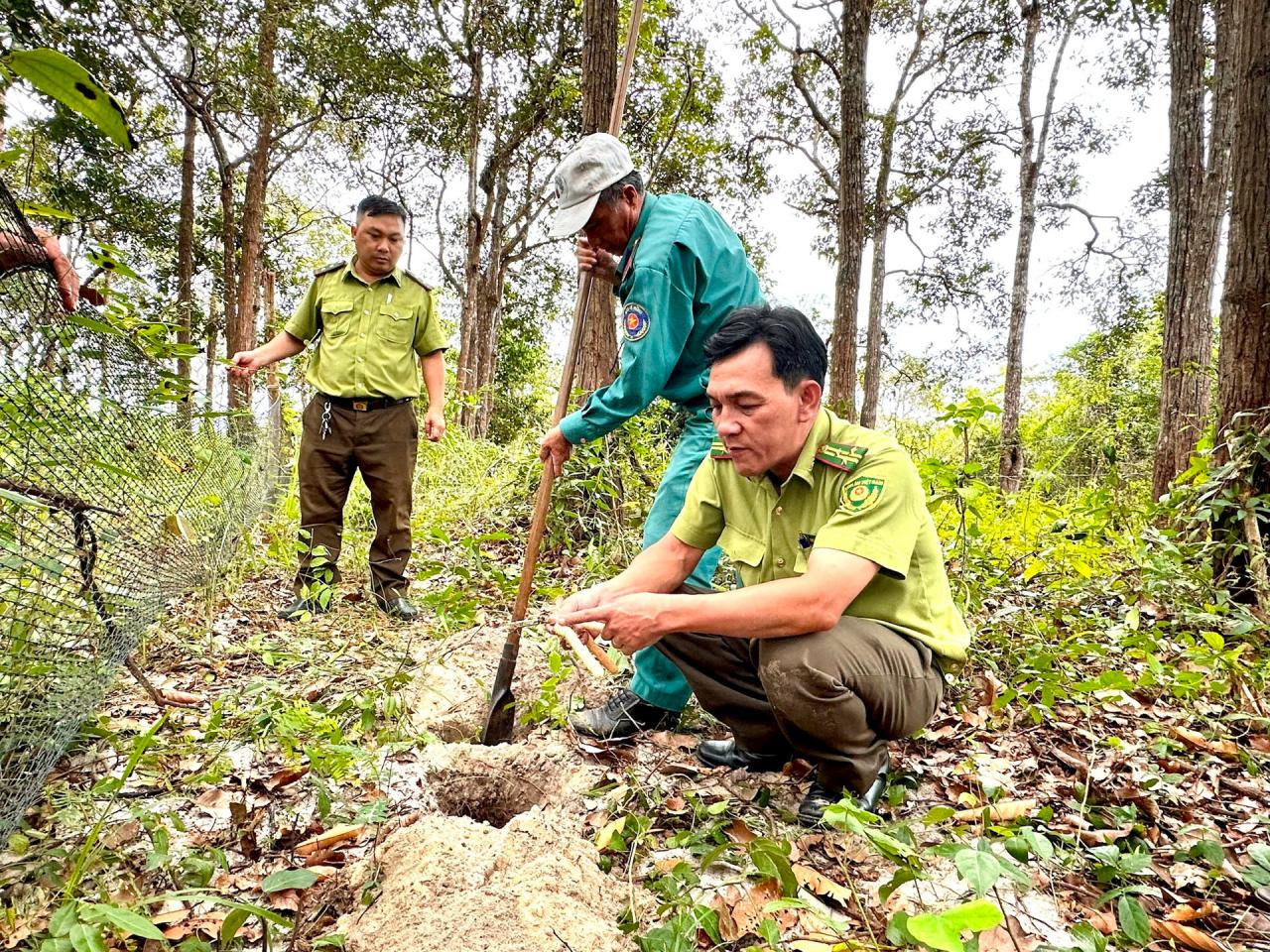
Explaining why the Ta Cu forest has so many wild yams at this time of year, the leader of the conservation area management board said that each time they dig up the yam tubers at the base, the locals leave behind a finger-sized segment of the tuber, cover it with soil so that the yam plant can continue to grow and be harvested the following year.
Developing and expanding the potential of medicinal plant resources.
According to Mr. Truong Dinh Sy, Deputy Head of the Provincial Forest Protection Department, stemming from the potential and advantages of the forest, in 2023 the Provincial Forest Protection Department was assigned by the Department of Agriculture and Rural Development to carry out the task of building models for planting medicinal plants under the forest canopy.
The aim is to create a value chain, open up new avenues, contribute to the transformation of crop structure towards commodity production, and enhance the economic value for people living near forests. Accordingly, the unit collaborated with forest management units to implement four medicinal plant cultivation models, including planting and caring for 0.1 hectares of yam under the canopy of natural forest in sub-area 300, Thuan Quy commune, within the forest area managed by the Ta Cu Nature Reserve Management Board.
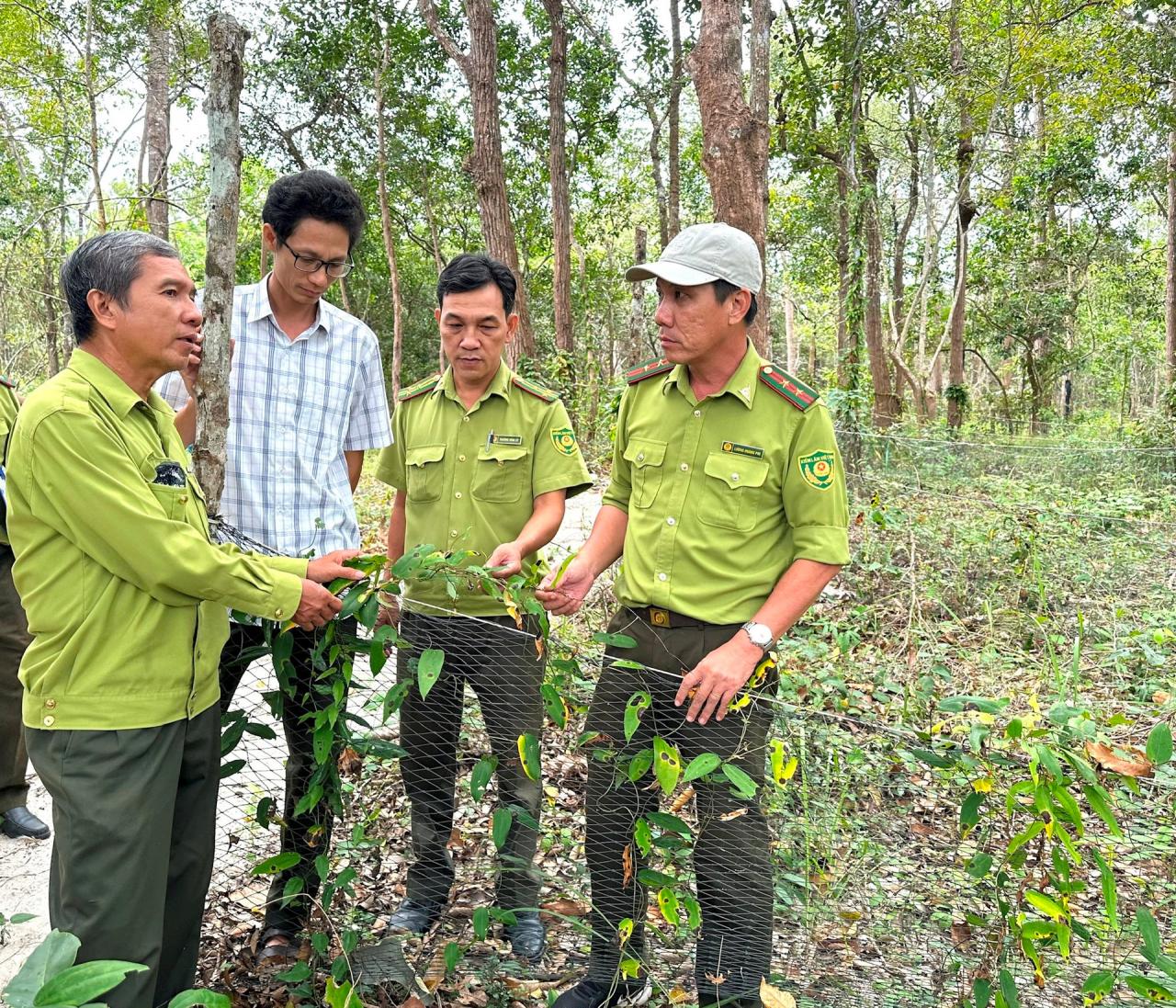
As the unit directly implementing the model, Mr. Ho Thanh Tuyen said that for a long time, people have been harvesting wild yams, but now the unit has begun experimenting with growing yams under the forest canopy of the conservation area. At this time, the plants have produced tubers, and although the yield is not yet high, they are still developing strongly compared to last year. Each tuber can reach a weight of 300-400 grams and will grow larger with good care. With a model area of 0.1 hectares (designed with vines on a net), Mr. Tuyen estimates the current yield is about 200-300 kg, and if cultivated successfully, the yield could reach 1 ton or more. Mr. Tuyen also acknowledged that the potential of yams in the conservation area is very large. The locality has unique nutritional and soil characteristics, so the quality of yams is better and the selling price is higher than elsewhere.
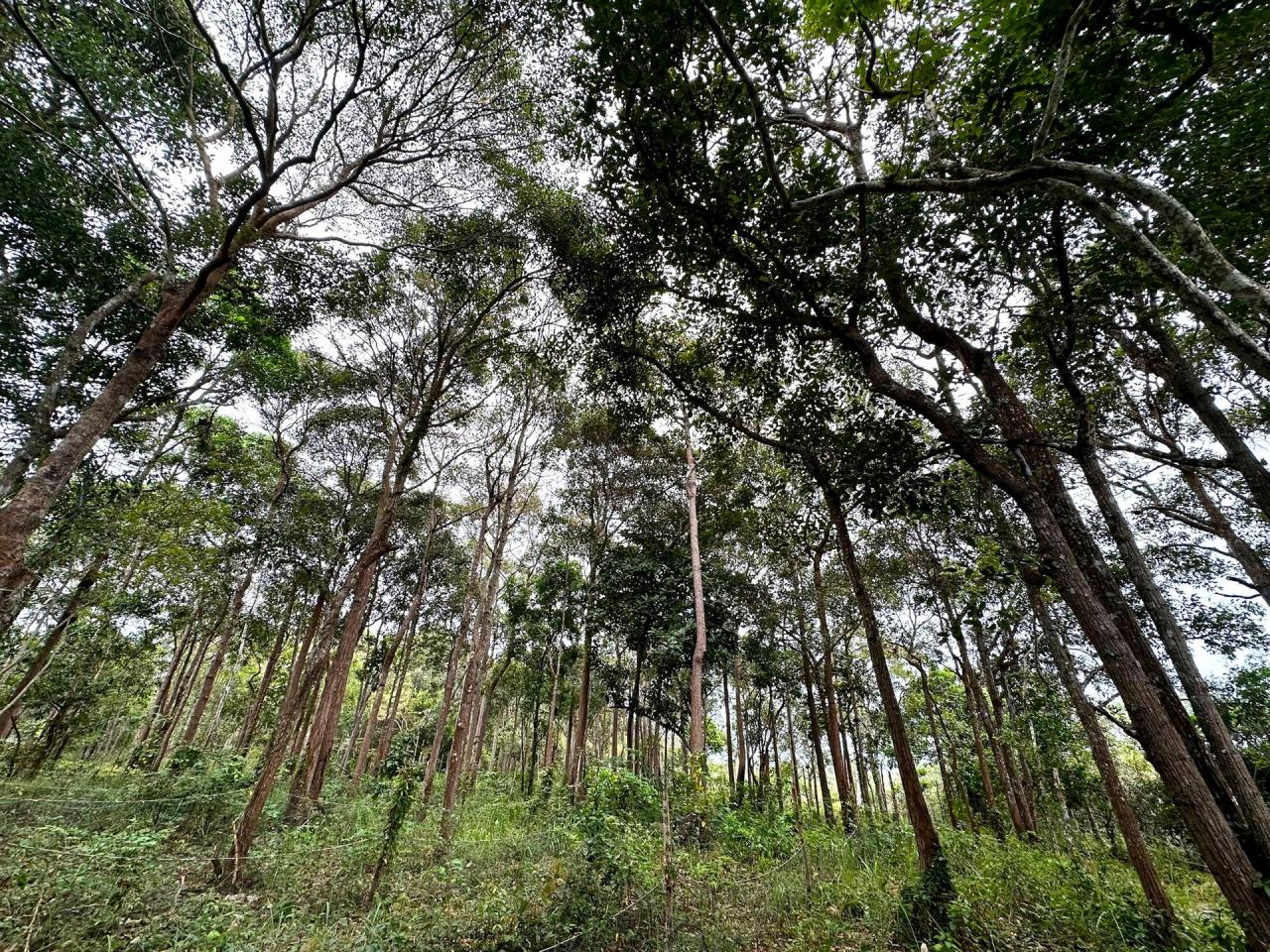
More importantly, according to a survey by the Ta Cu Nature Reserve Management Board, the area of forest suitable for growing yam within the reserve is approximately 2,000 hectares. This opens up opportunities for local people contracted to protect the forest to expand the model and increase their income. On the other hand, the process of planting and caring for yam plants will encourage local people to manage and protect the forest better and more responsibly.
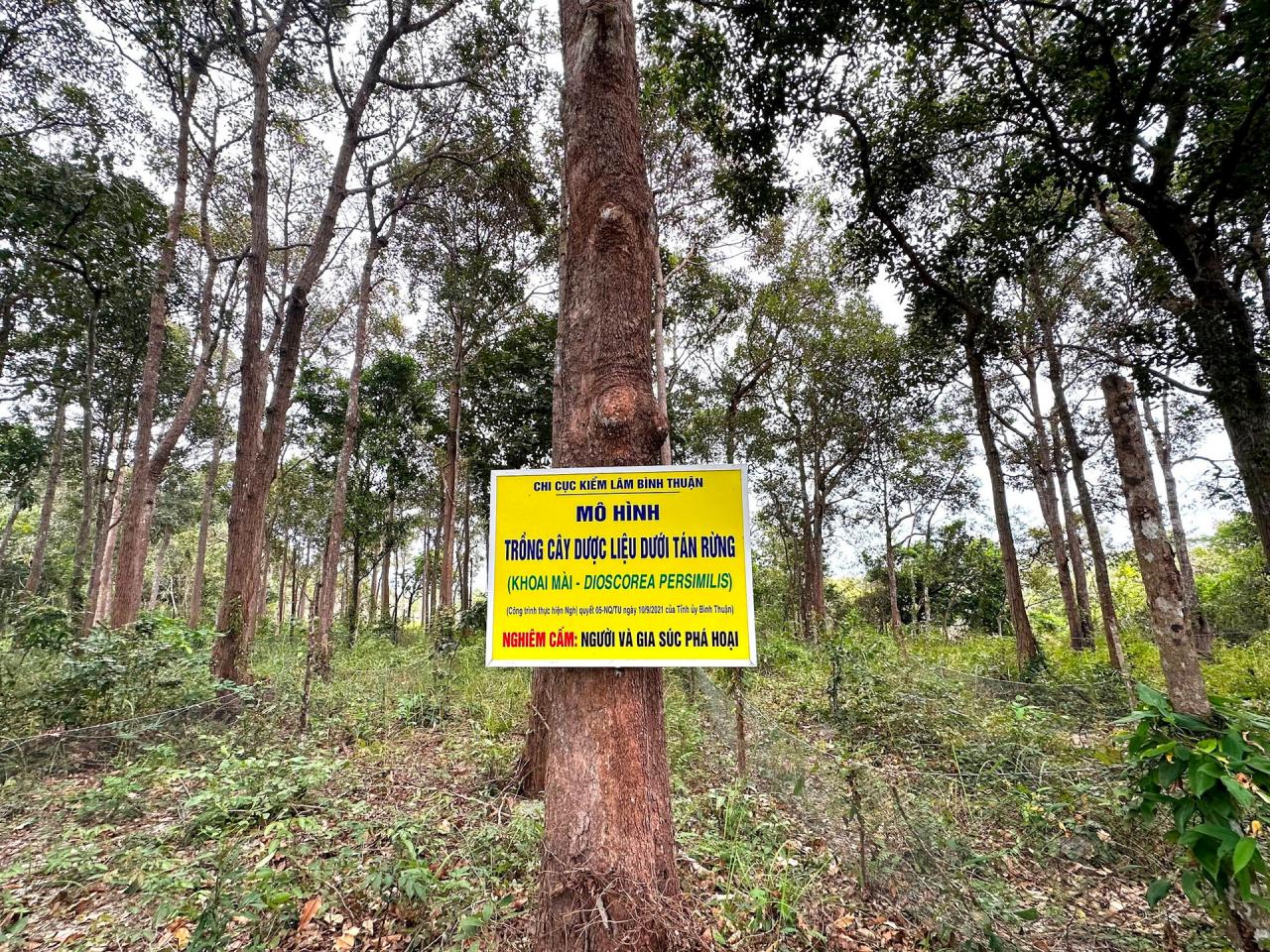
Despite initial successes, according to the leaders of the Ta Cu Nature Reserve Management Board, developing the model of growing yam under the forest canopy still faces many difficulties, particularly regarding initial costs. The unit hopes that to expand the yam cultivation area, it needs to be extended to 45-50 households of ethnic minorities who have contracted to protect the forest in the locality, and then further expanded to other households.
The Provincial Forest Protection Department stated that it will conduct a preliminary review and propose to the Provincial Department of Agriculture and Rural Development mechanisms and policies for the consumption and support of this product. In the future, they plan to expand the cultivation of medicinal herbs in Ta Cu mountain, developing the economy for the people living near the forest...
According to traditional medicine, yam has a sweet taste and neutral properties. Some of its main effects include: nourishing the spleen and stomach, improving digestive function; strengthening the kidneys; nourishing the lungs, treating coughs and asthma; and treating diabetes...
Source



![[Photo] National Assembly Chairman Tran Thanh Man working with the Standing Committee of the National Assembly's Ethnic Council](https://vphoto.vietnam.vn/thumb/1200x675/vietnam/resource/IMAGE/2026/05/21/1779337435930_ndo_br_1-jpg.webp)
























![[Image] "Journey of Hope" promotes the organ and tissue donation movement in Vietnam.](https://vphoto.vietnam.vn/thumb/1200x675/vietnam/resource/IMAGE/2026/05/20/1779294400833_1-8910-jpg.webp)



























































Comment (0)