Prolonged stress affects the male hormone testosterone in the following ways:
Prioritize cortisol production.

Low testosterone levels often cause men to feel tired.
ILLUSTRATIVE PHOTO: AI

 Báo Thanh niên•29/11/2025
Prolonged stress affects the male hormone testosterone in the following ways:
Low testosterone levels often cause men to feel tired.
ILLUSTRATIVE PHOTO: AI
When under stress, whether from work or emotions, the body reacts immediately. The brain sends signals to the adrenal glands to produce cortisol, also known as the stress hormone. This allows the body to respond better to life's challenges, according to the health website Healthline (USA).
However, if stress persists day after day, the body constantly releases cortisol. At this point, to prioritize coping with pressure and risk, the body reduces the production of sex hormones. Therefore, chronic stress can disrupt or impair hormones related to physiology and reproduction, including testosterone.
Not only does cortisol inhibit testosterone secretion, but high levels of cortisol over a long period also directly hinder the effects of testosterone. Some research evidence suggests an inverse relationship between cortisol and testosterone. Specifically, when cortisol increases, testosterone in men tends to decrease.
In fact, the ratio between testosterone and cortisol is also used by researchers as a physiological indicator of stress. Specifically, when this ratio decreases, meaning testosterone decreases, it is often associated with prolonged stress, fatigue, impaired muscle recovery function, and decreased male health.
High cortisol levels also increase inflammation and disrupt metabolism. This affects not only hormones but also the ability to use testosterone effectively. Therefore, men living with chronic stress are more likely to experience problems with libido, sperm quality, or erectile dysfunction.
The body doesn't release testosterone consistently throughout the day. The highest levels are usually found during sleep at night, especially during deep sleep.
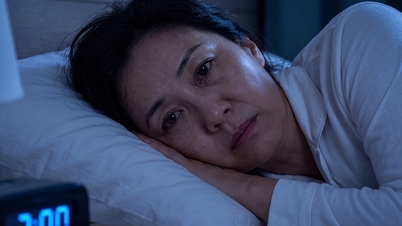
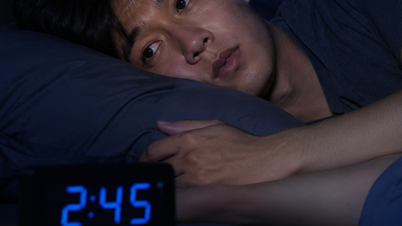
Stress often leads to fatigue, anxiety, difficulty falling asleep, and insomnia. All of these disrupt sleep or prevent it from being deep enough. When sleep is insufficient in duration or quality, the body struggles to enter deep sleep. This, in turn, reduces testosterone production.
Furthermore, stress disrupts the circadian rhythm. Cortisol should normally increase in the morning and decrease in the evening. Meanwhile, testosterone also has its own rhythm. When the circadian rhythm is disrupted, for example by going to bed late, waking up late, or having irregular sleep patterns, the entire endocrine system is affected. This results in a decrease in both the quality and quantity of testosterone, according to Healthline.
Source: https://thanhnien.vn/stress-keo-dai-co-rut-can-testosterone-185251129115615114.htm
































































































Comment (0)