

Returning to the flooded area of A Lu
Indeed, as my predecessors have concluded, journalism is "hard to travel, easy to write." With the many emotions I felt after the trip, I completed the article in just one afternoon. Lost in my writing, I realized the article was nearly 1,700 words long. Since the newspaper page was limited, I reread it, cutting out unnecessary details and lengthy passages to make it more concise. After checking the information and data one last time and editing the photos I had taken, I confidently submitted the article for editing, staging, and publication.
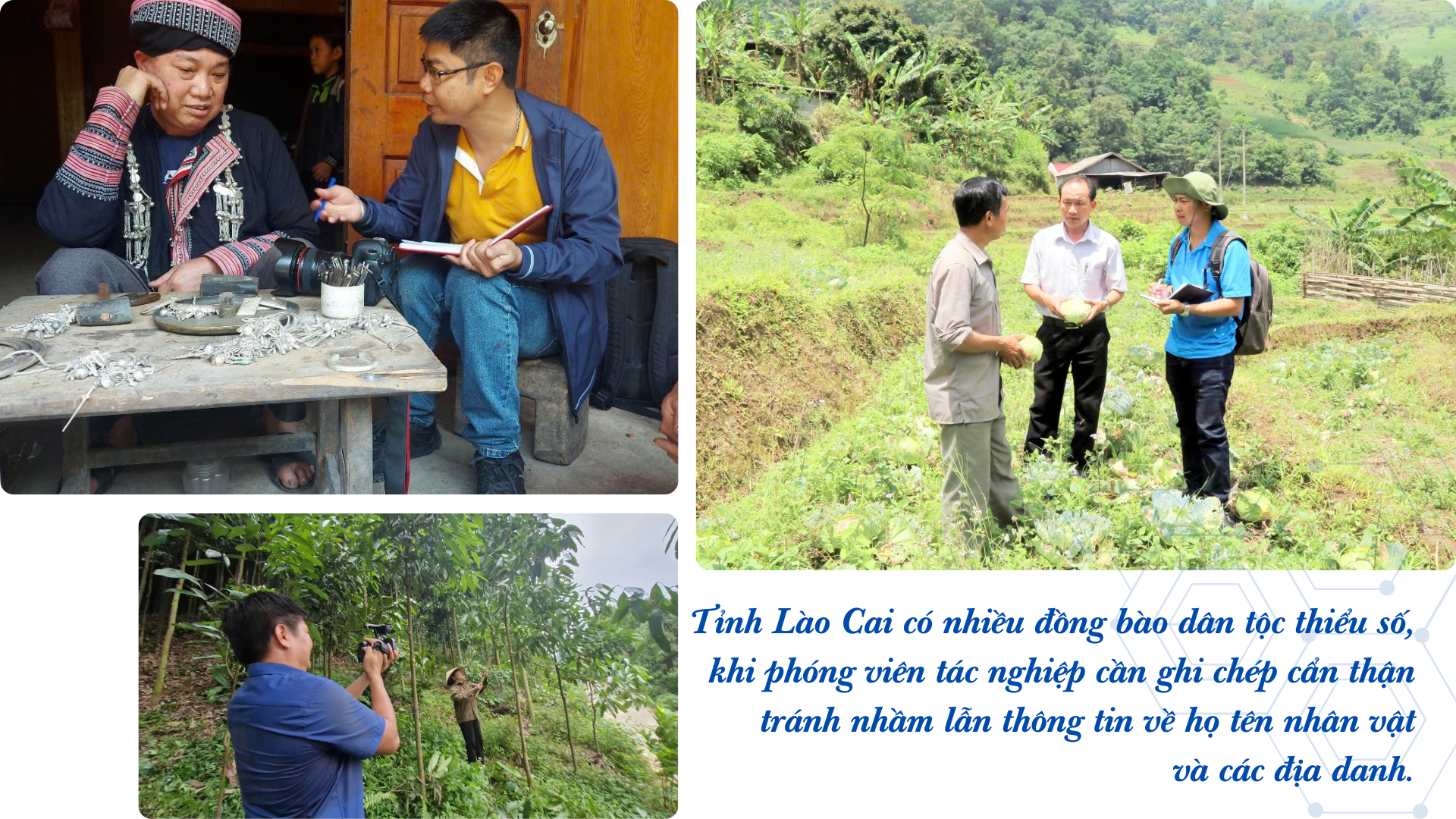
Two days later, while on assignment, I received a phone call from Mr. Vu Thanh Nam, Head of the Editorial and Production Department. During the call, Mr. Nam asked me to double-check the information regarding the name of the character, the village head of Phin Chai 2: was it Sung A Lung or Lu A Lung? Which name was correct? I was startled and checked my article again. It turned out that in my haste, I had written Lu A Lung at the beginning and Sung A Lung in the middle. Fortunately, the editors discovered the mistake before the newspaper was printed. This is a lesson that will help me be more careful in future articles.
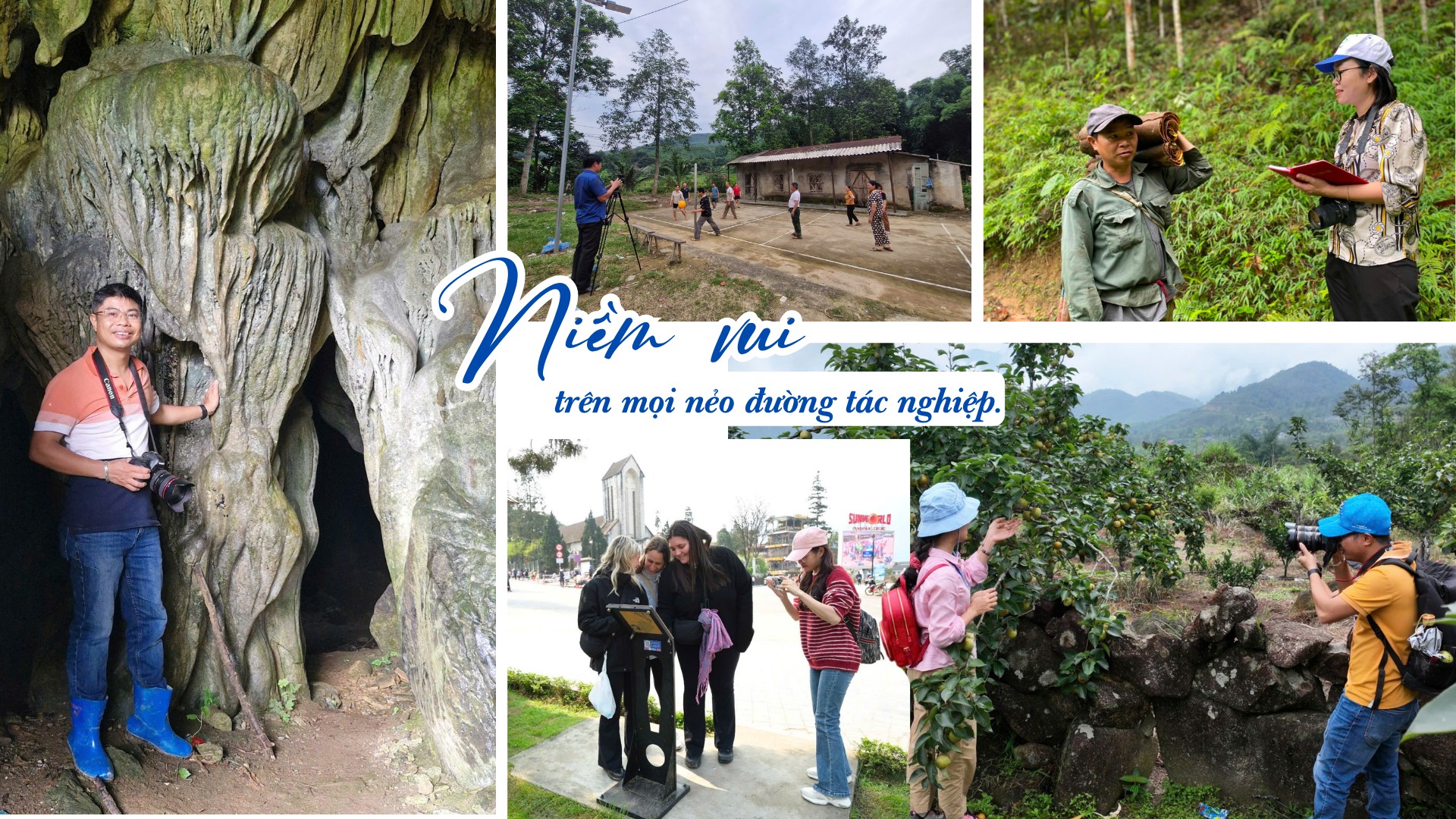
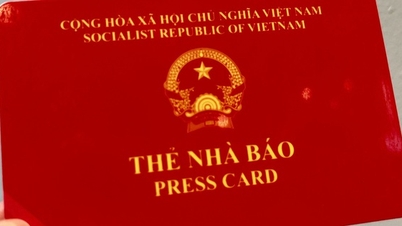
Having worked as a reporter for Lao Cai Newspaper for 15 years, I've been assigned to write articles in many fields such as culture, education , internal affairs, and Party building. My journey as a journalist, with hundreds of articles each year, has left me with many unforgettable memories. Some articles went smoothly from start to finish, but others contained errors or inaccuracies. This was due to time pressure to complete the work quickly or a lack of careful verification of information.

In news articles, there's not just text, but also a lot of information and data, especially articles on production development, or fields like education, healthcare , and internal affairs, which require accurate figures. The lesson I learned from my mistakes is that before submitting an article, you need to carefully double-check all the data and dates. Sometimes, a news article contains a series of related figures, but when added up, discrepancies are discovered. Many figures are crucial; a small error can have far-reaching consequences, as a single change in a number can alter the fundamental nature of the issue.
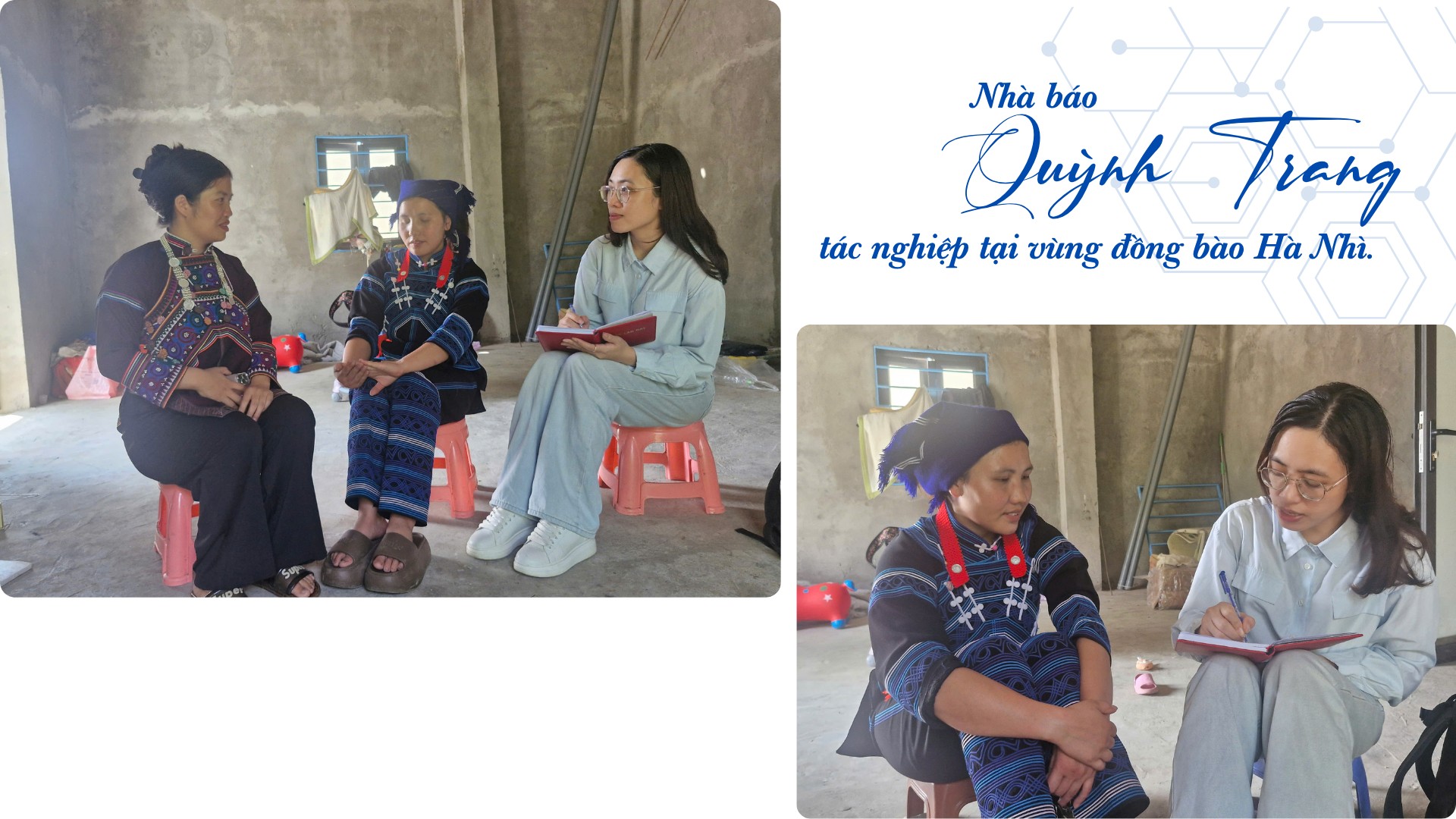
I've learned a lesson: if journalists aren't careful, vigilant, and thorough in investigating the nature of events and individuals—from their character to their actions and words—they can easily present a one-sided, inaccurate picture. Being a reporter, you can't avoid occupational "accidents." There have been cases where, due to a lack of careful verification, the subject of an article had changed their title or even passed away by the time it was published. Even the smallest mistakes, whether subjective or objective, affect the journalist and the reputation of the media organization.
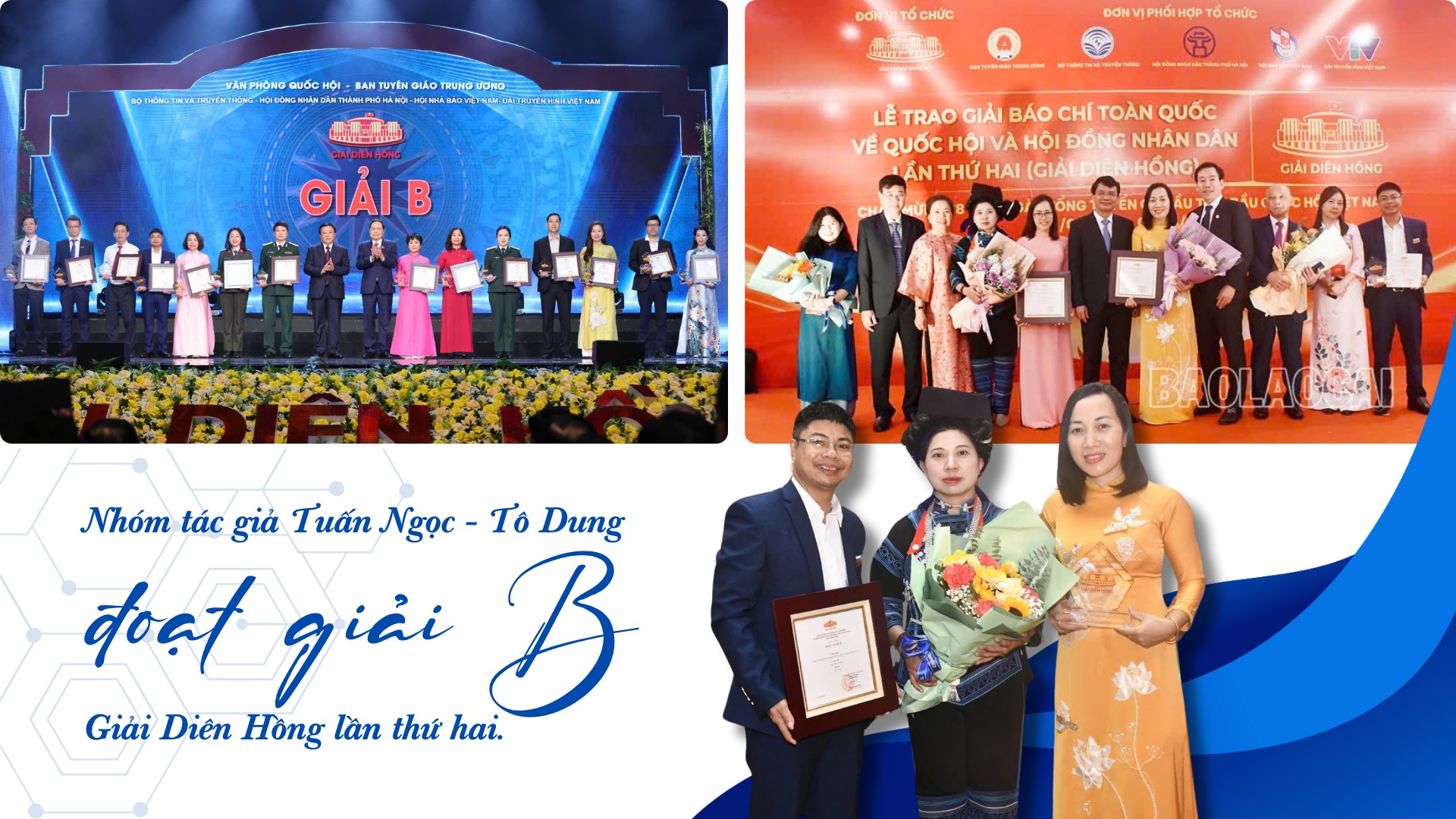
Today, with the rapid pace of the information technology revolution, information about social life is abundant and diverse, with many different sources; among them, social media contains both truthful information and images, as well as much misinformation, fake news, and information that has been manipulated, embellished, or distorted. As journalists, especially young reporters working at local Party newspapers, it is necessary to cultivate caution, honesty, and a keen eye, a pure heart, and a sharp pen, as journalist Nguyen Huu Tho wrote in his book on journalism.
Performed by: Khanh Ly
Source: https://baolaocai.vn/su-can-trong-nghe-bao-post403560.html


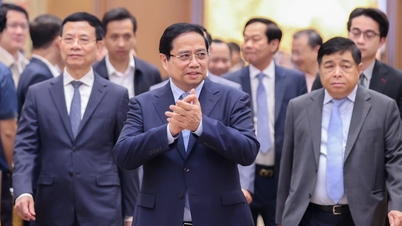
![[Photo] Prime Minister Pham Minh Chinh presides over a meeting on private sector economic development.](/_next/image?url=https%3A%2F%2Fvphoto.vietnam.vn%2Fthumb%2F1200x675%2Fvietnam%2Fresource%2FIMAGE%2F2025%2F12%2F20%2F1766237501876_thiet-ke-chua-co-ten-40-png.webp&w=3840&q=75)






























































Comment (0)