This event celebrates the successful conclusion of the 14th National Congress of the Party, welcomes the Year of the Horse 2026, and looks forward to the 950th anniversary of the founding of Quoc Tu Giam - Vietnam's first university.
Affirming the great ideas about education and talent.
The exhibition "History inscribed on stone" showcases a system of documents, images, and artifacts extracted from 82 stone inscriptions commemorating doctoral graduates – a UNESCO World Heritage document; reflecting the overall Confucian examination system under the monarchy, from the policy of selecting talented individuals, the policy of rewarding and valuing successful candidates, to the portrayal of prominent figures who made significant contributions to education and national development.
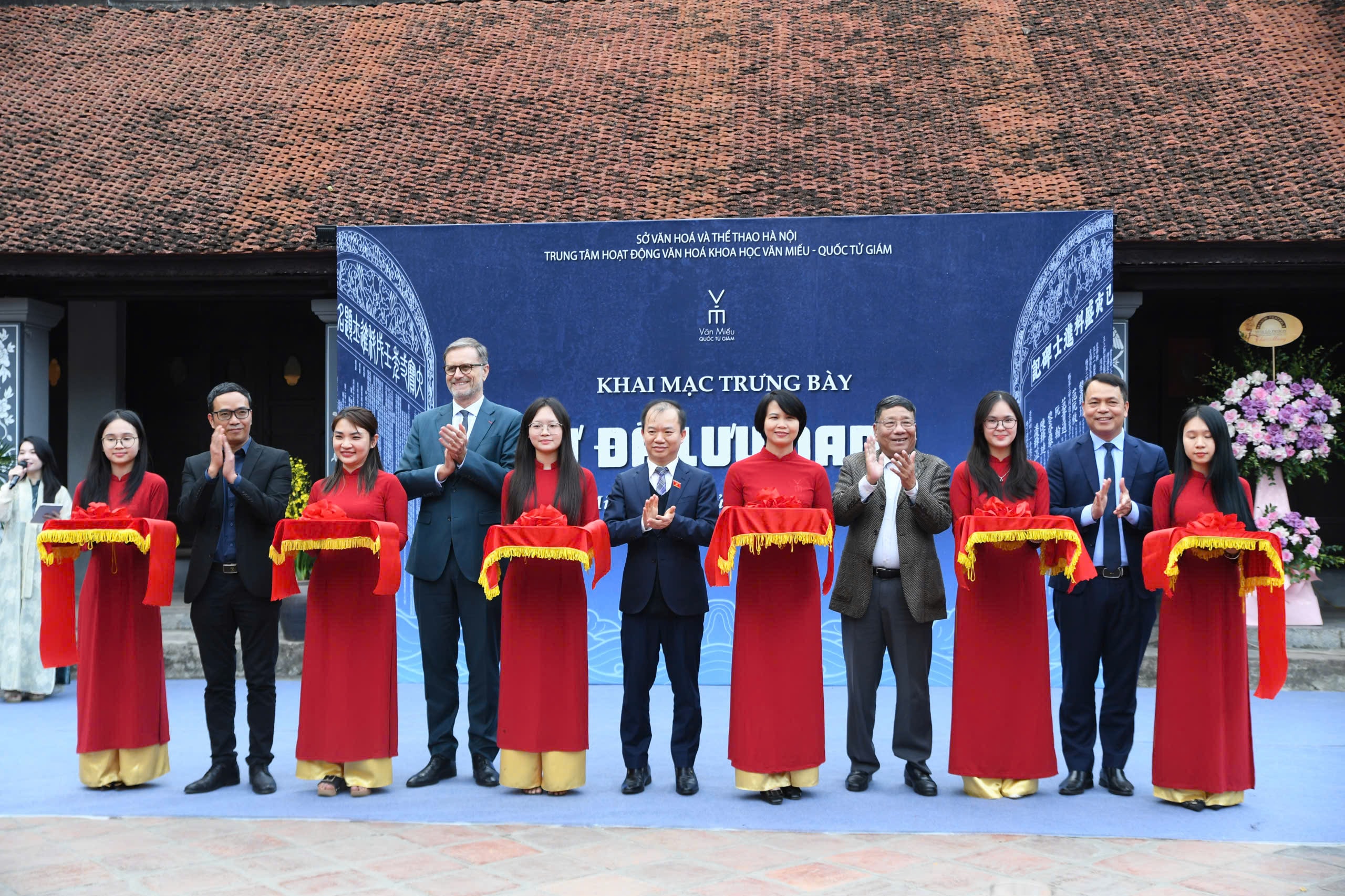
The ribbon-cutting ceremony for the exhibition took place on the afternoon of February 6th.
Speaking at the opening ceremony, Director of the Van Mieu - Quoc Tu Giam Cultural and Scientific Activities Center, Le Xuan Kieu, emphasized that from the very beginning of nation-building, with the construction of Van Mieu in 1070 under King Ly Thanh Tong and the establishment of Quoc Tu Giam in 1076 under King Ly Nhan Tong, the wise rulers of the Ly dynasty affirmed their strategic vision on education, valuing talented individuals and taking the cultivation of human resources and the building of scholarship as the foundation for building a powerful nation.
Throughout the Tran Dynasty, despite facing numerous great challenges, education continued to receive attention and development, producing many renowned teachers and talented individuals, most notably teacher Chu Van An and his many outstanding students.
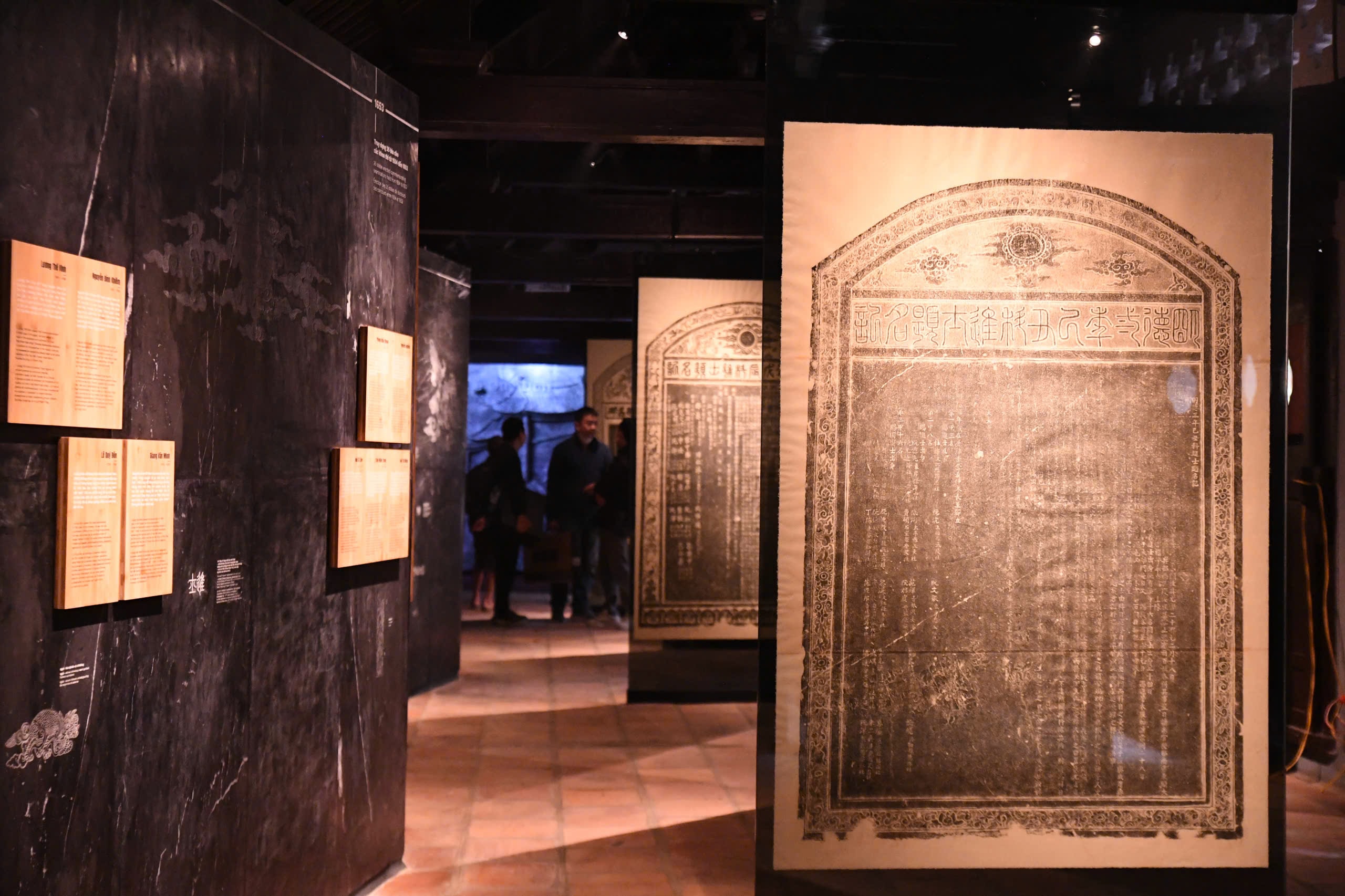
The system of 82 doctoral steles at the Temple of Literature - National University is one of the most precious cultural heritages of the Vietnamese nation.
During the Le Dynasty, especially under the reign of Emperor Le Thanh Tong, the culture and education of Dai Viet reached a brilliant peak; the imperial examinations were organized systematically and rigorously, and for the first time in history, the names of those who passed the doctoral examinations were inscribed on stone steles erected at the National Academy.
According to Dr. Le Xuan Kieu, the system of 82 doctoral steles currently preserved and promoted at the Van Mieu - Quoc Tu Giam historical site is one of the nation's most precious cultural heritages. "Not only are they unique historical artifacts, but these stone steles also contain profound ideas about education, talent, and responsibility towards the nation's destiny."
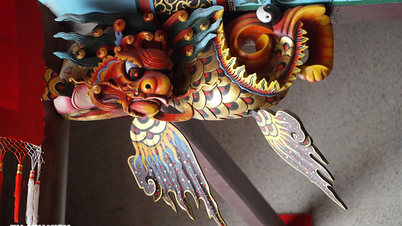
Stone carving artwork
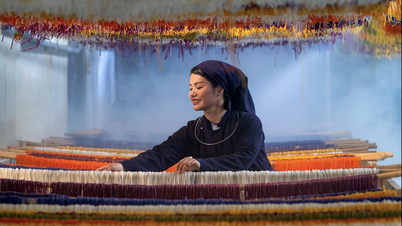
The exhibition space is designed based on a dialogue between two main materials: paper and stone. Paper symbolizes the process of learning, training, and examinations; stone represents honor and the preservation of legacy for future generations; and it is closely connected to the existing exhibition spaces within the monument, contributing to a unified and profound whole within the overall heritage space of the Temple of Literature - National University.
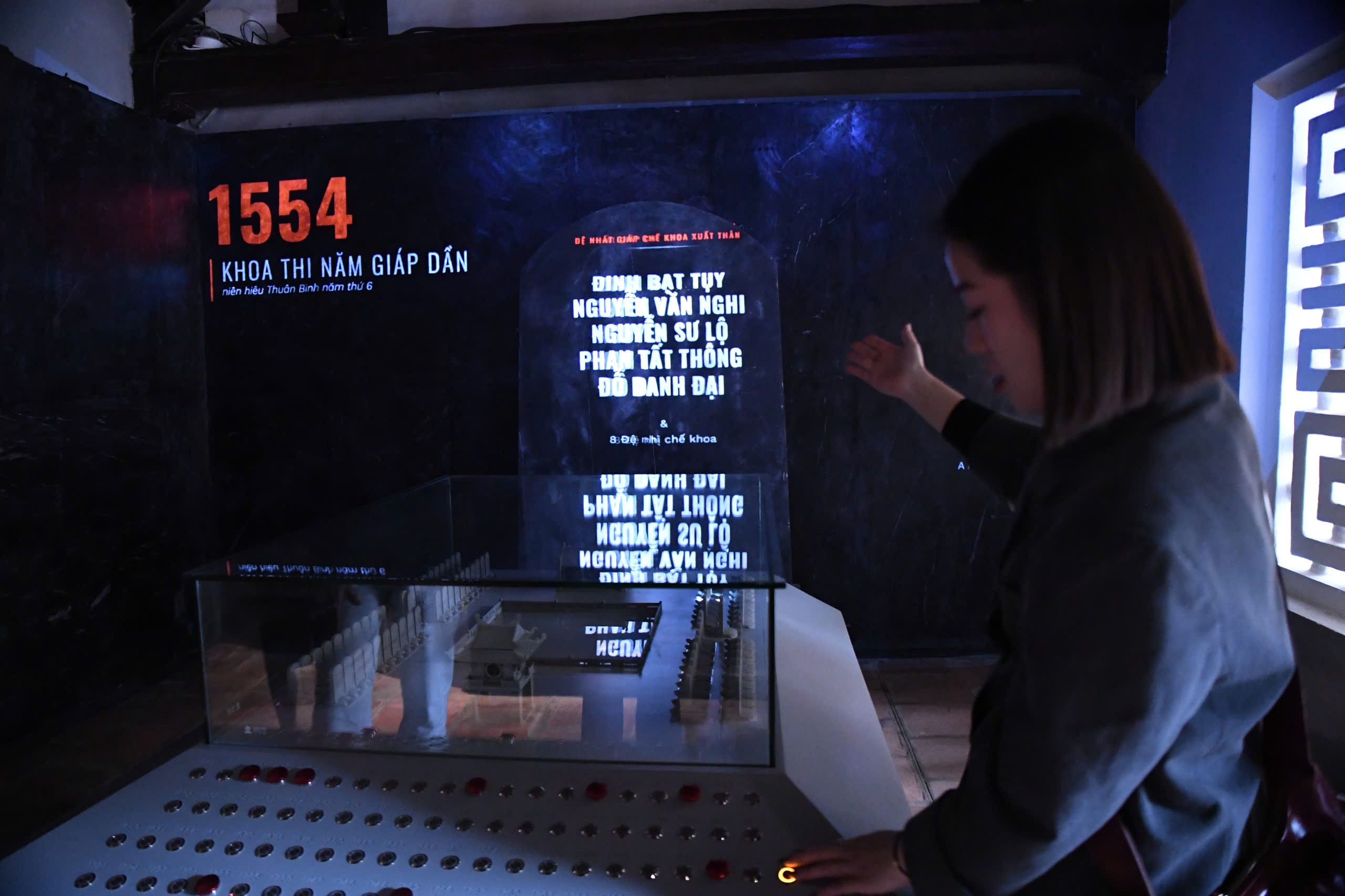
Digital technology and projection technology are being applied to "revive" ancient manuscripts, transforming historical documents into vivid, emotionally rich images.
Alongside traditional exhibition methods, digital technology solutions are applied to recreate the space of tangible and intangible cultural heritage, opening up a fresh approach to the history of Vietnamese examinations.
Digital technology solutions are being applied to recreate the space of tangible and intangible cultural heritage. Ancient replicas (1:1 copies of the inscriptions and patterns on stone steles) are "revived" using projection technology, transforming historical documents into vivid digital images, helping the public, especially young people, access the history of Vietnamese examinations in a more visual and accessible way.
A highlight of the exhibition is the approach to the doctoral steles not only as historical documents but also as works of art carved in stone. Through their composition, shapes, and exquisite patterns, the exhibition helps the public recognize the aesthetic level, symbolic thinking, and stone carving techniques of the ancients, while clarifying the role of doctoral steles in "immortifying" knowledge and talented individuals.
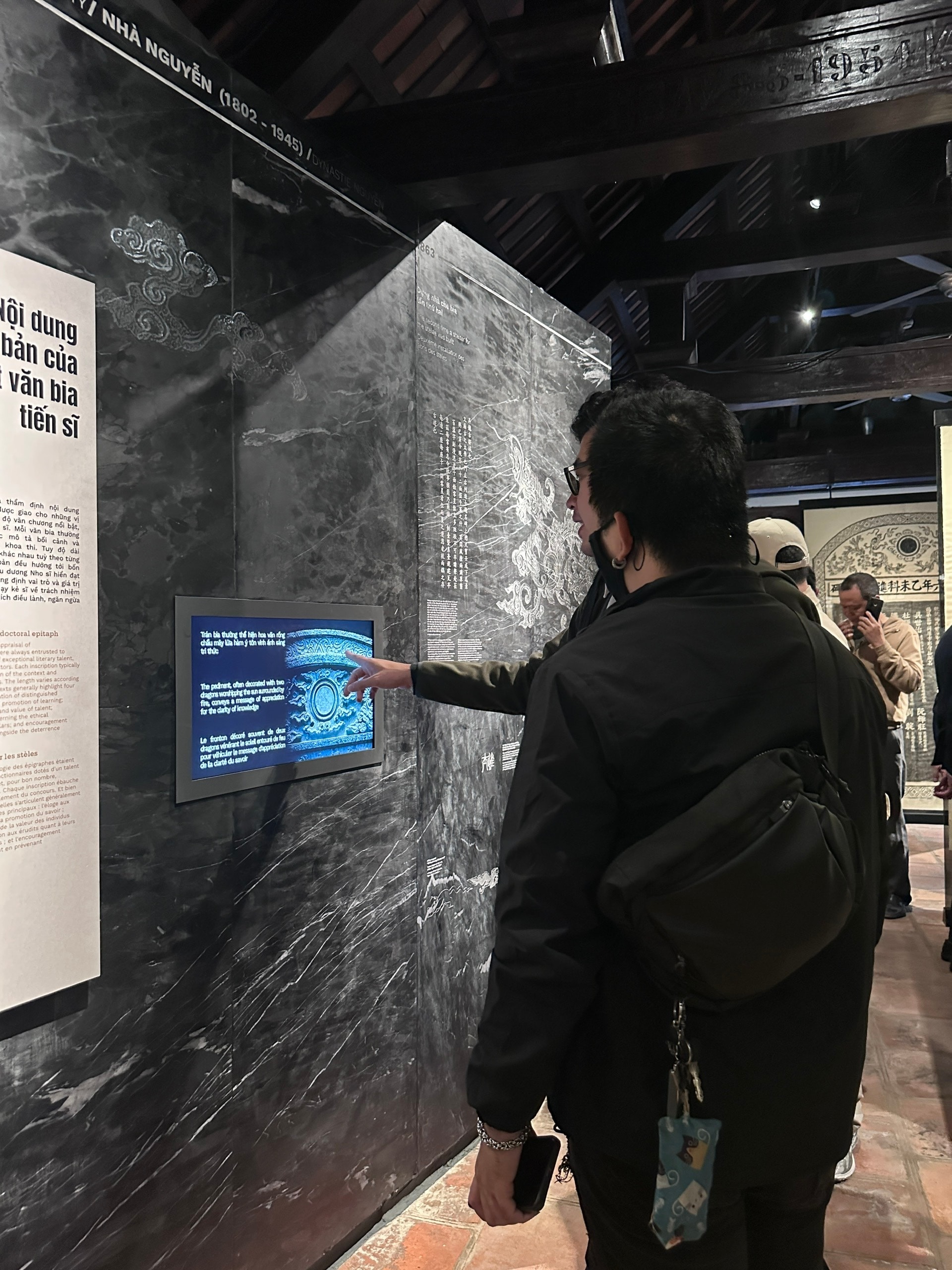
The exhibition contributes to a renewed way of telling the story of heritage.
Sharing insights into the exhibition's creation process, expert Truong Quoc Toan, Assistant Director of the Hanoi - Île-de-France Urban Development Cooperation Project, the unit providing professional support for the exhibition, stated, "'The 'Stone History Preserves Legacy' is not simply an exhibition, but also a visual and emotional journey, recreating the long and arduous path where knowledge is cultivated, talents are tested, and the names of wise individuals are inscribed in stone, preserving their legacy through the ages."
"This is also a step for us to create an exhibition space about the system of stone steles, connecting the content with permanent exhibitions such as 'Quoc Tu Giam - The First National School' and 'The Origin of Learning', forming a unified whole within the Van Mieu - Quoc Tu Giam heritage space. Through this, we contribute to renewing the way we tell the story of the heritage, while affirming the enduring values of the tradition of studiousness and respect for talent in contemporary life," Mr. Toan said.
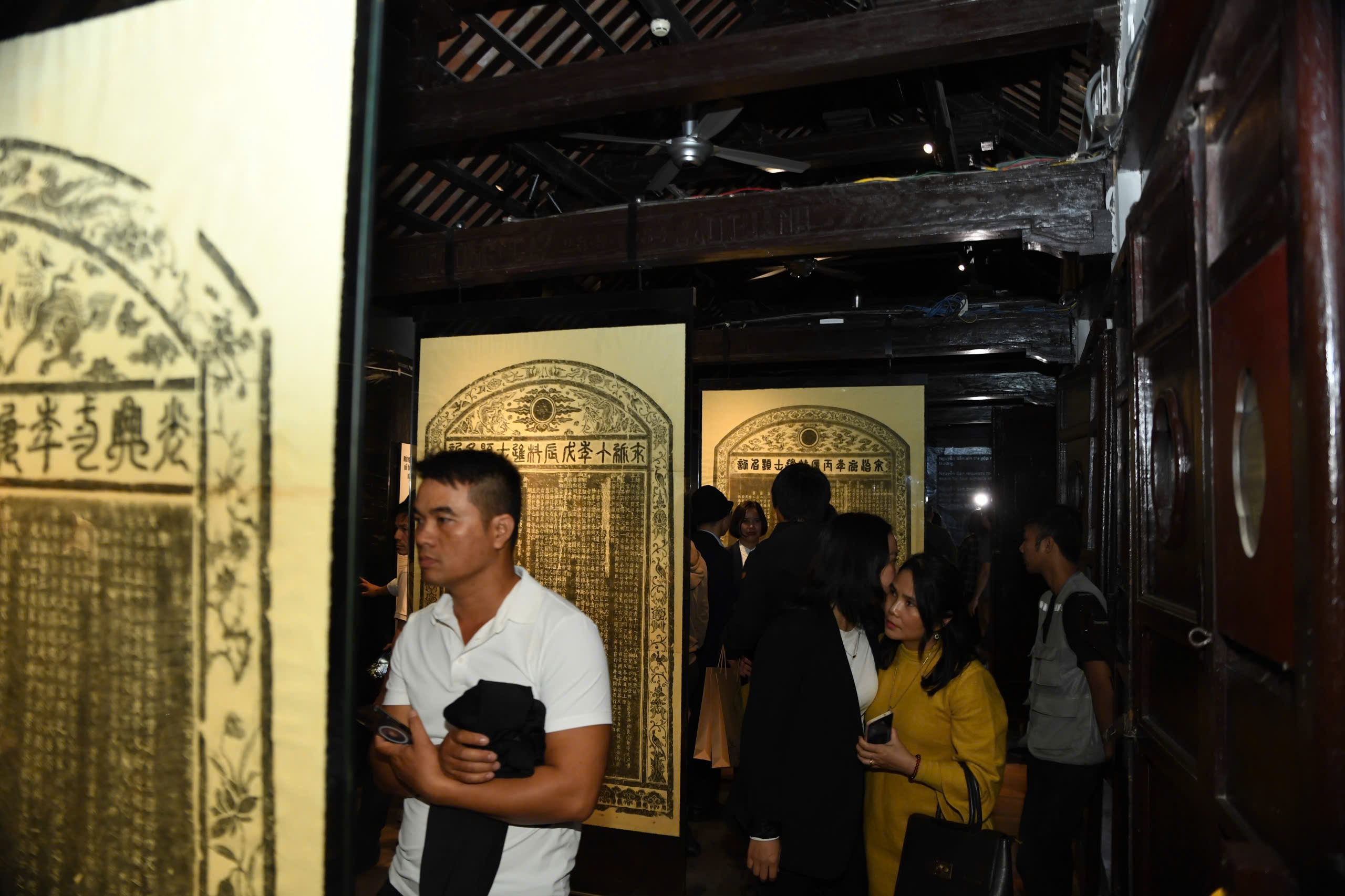
The images and documents in the exhibition affirm the enduring values of the tradition of valuing education and respecting talent in contemporary life.
The exhibition also serves as a vivid testament to Hanoi's efforts in promoting heritage values in conjunction with sustainable cultural industry and tourism development, using heritage as a resource, creativity as a driving force, and people as the central focus.
Source: https://daibieunhandan.vn/su-dung-cong-nghe-danh-thuc-di-san-bia-tien-si-10406318.html


![[Image] Affirming the aspirations and new standards of the Vietnamese real estate market in the new era.](https://vphoto.vietnam.vn/thumb/1200x675/vietnam/resource/IMAGE/2026/06/03/1780441948766_giai-thuong-bat-dong-san-2026-minh-duy-6-7364-jpg.webp)


![[Photo] General Secretary and President To Lam presides over a meeting on preparations for the review of one year of operation of the three-tiered government system.](https://vphoto.vietnam.vn/thumb/1200x675/vietnam/resource/IMAGE/2026/06/02/1780391821195_a1-bnd-4595-9717-jpg.webp)




































































Comment (0)